When we think about keeping our gardens healthy, we often focus on watering and fertilizing. But there’s another crucial element that gets overlooked – soil aeration. Traditional methods like core aeration can be effective, but they’re not always the best choice for everyone. What if there were greener ways to give your soil the breath it needs? Let’s explore some eco-friendly alternatives that are just as effective.
Soil aeration is like giving your garden a deep breath. When soil becomes compacted, air and water struggle to move through it, which means plant roots can’t get the nutrients they need. Most people reach for traditional tools like aerators or spike tools when their soil feels too tight. But what if those methods weren’t the only way? What if there were better, more environmentally friendly options? These green alternatives might just change how you think about garden care. They’re not just good for the planet – they’re good for your plants too.
Why Traditional Aeration Isn’t Always Ideal
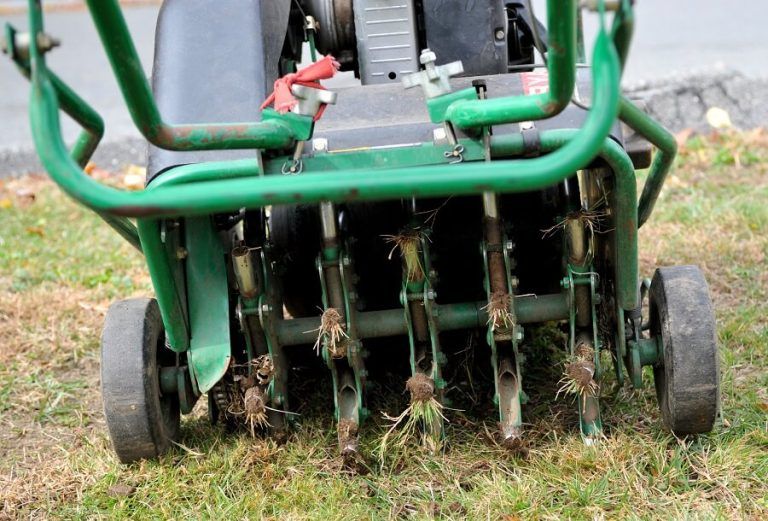
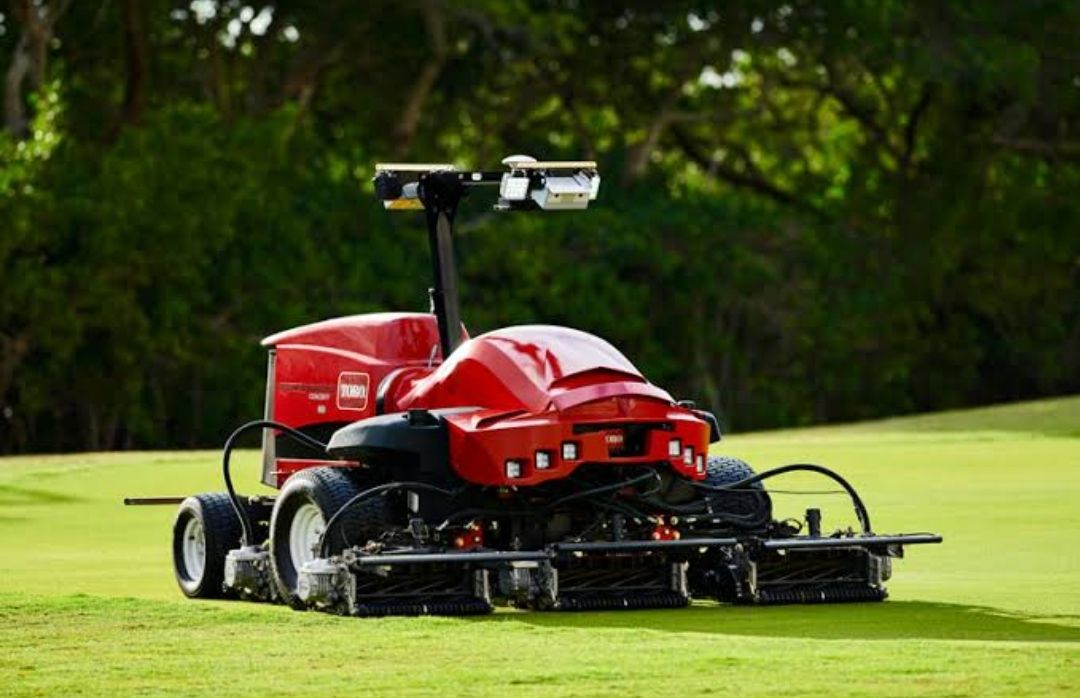
Traditional soil aeration methods have been around for decades, but they come with some downsides. Core aeration removes plugs of soil, which can actually cause more compaction in the surrounding area. It’s also a very mechanical process that requires heavy machinery. For many gardeners, this approach seems like overkill. Plus, it’s often done in late summer or early fall, which isn’t ideal for all plants. The process can also stress out existing vegetation and leave behind holes that might attract pests.
Think about it – you’re trying to help your plants breathe, but you’re doing it with a machine that might damage the very thing you’re trying to protect. Some gardeners find that these methods work well in large-scale agriculture, but for home gardeners, there are gentler options worth exploring. What if you could achieve the same results without the environmental impact?
Natural Composting as Soil Loosening Agent
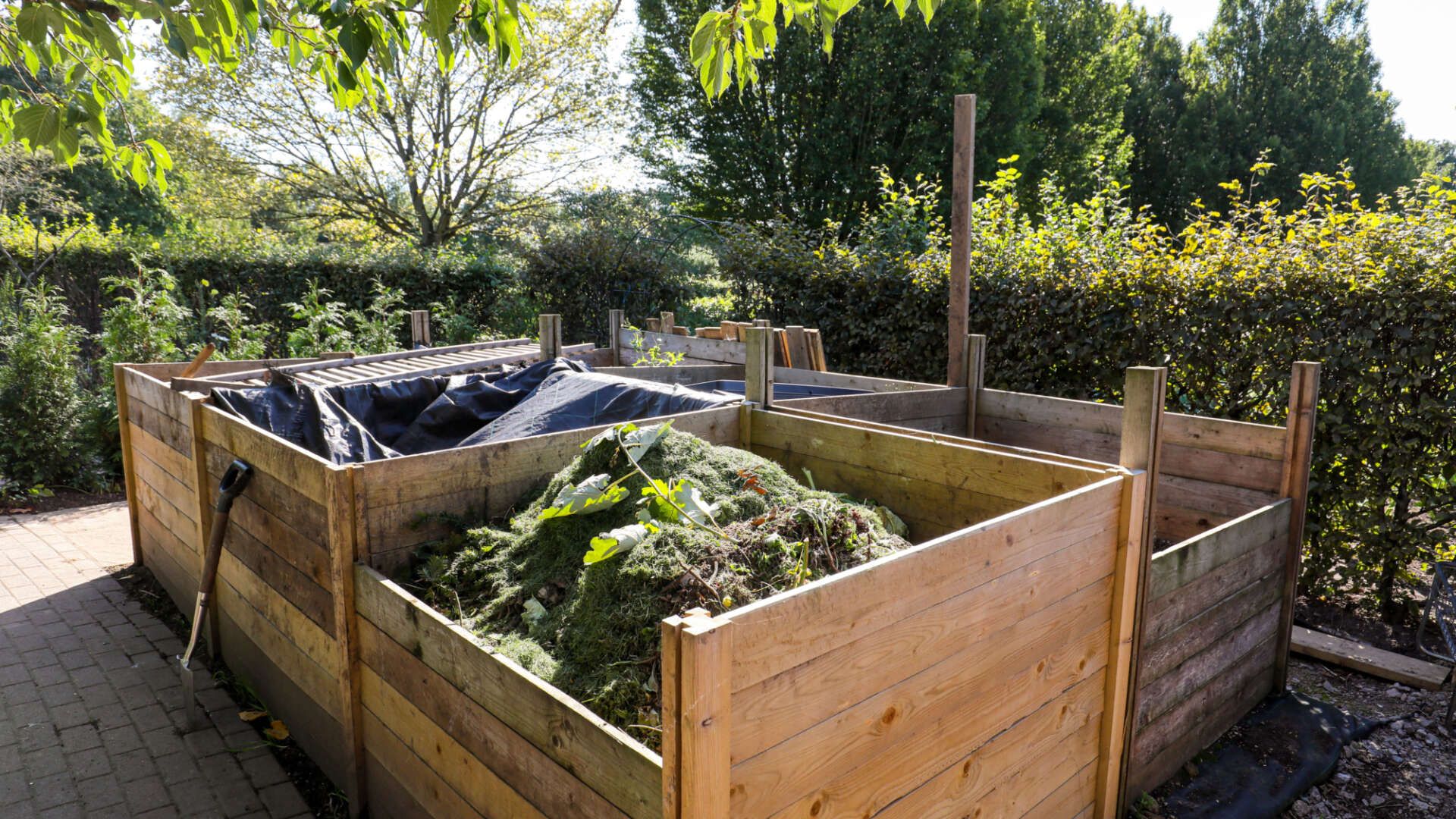
Composting is one of the most powerful tools in any gardener’s arsenal. When organic matter breaks down, it creates a spongy, nutrient-rich soil amendment that naturally loosens compacted earth. This method works on multiple levels. First, the compost itself adds bulk to the soil structure. Second, the beneficial microorganisms in compost help break down clay particles and improve soil texture. Third, as compost decomposes, it releases gases that help create air pockets in the soil.
This approach is particularly effective for clay soils that tend to become very dense. Imagine adding a few inches of finished compost to your garden beds and watching how it transforms the soil. The compost acts like a natural soil conditioner, improving drainage while also feeding your plants. Many gardeners report that after just one season of regular composting, their soil feels noticeably looser and more hospitable to root growth. It’s almost like giving your soil a spa treatment.
Cover Crops for Soil Structure Improvement
Cover crops aren’t just for preventing erosion – they’re excellent for improving soil structure too. These plants are grown specifically to benefit the soil rather than produce harvestable crops. Legumes like clover and vetch add nitrogen to the soil while their root systems break up compacted layers. Grasses such as rye and oats create extensive root networks that physically loosen soil particles.
The magic happens when you till these cover crops back into the soil. Their roots decompose and create permanent channels for air and water. This method is especially useful for gardeners who want to work with nature rather than against it. It’s a slow but steady approach that builds soil health over time. Some gardeners even plant cover crops in the fall and till them under before spring planting. The result? Soil that’s much more friable and ready for new plantings.
Organic Matter and Mulching Techniques
Mulching with organic materials is one of the simplest yet most effective ways to improve soil aeration. When you spread mulch around your plants, it slowly breaks down and adds organic matter to the soil. This process improves soil structure, increases water retention, and provides food for beneficial soil organisms.
Different types of mulch work differently. Wood chips create long-lasting coverage that slowly decomposes, while shredded leaves break down more quickly and provide immediate benefits. Straw and grass clippings offer a middle ground. The key is to apply mulch regularly and keep it a few inches thick. Over time, you’ll notice that your soil becomes more crumbly and less prone to compaction. It’s like having a protective layer that helps maintain good soil conditions year-round.
Biological Soil Amendments and Beneficial Organisms
Sometimes the best aeration comes from microscopic helpers. Earthworms are perhaps the most famous example of beneficial soil organisms that naturally aerate soil. As they move through the earth, they create tunnels that allow air and water to penetrate deeper into the ground. Their castings (waste products) are incredibly rich in nutrients.
Other beneficial organisms include mycorrhizal fungi that form symbiotic relationships with plant roots. These fungi extend the reach of root systems and help break down organic matter. Bacteria that convert nitrogen from the air into forms plants can use also contribute to improved soil structure. You can encourage these organisms by avoiding chemical pesticides and herbicides, which can kill beneficial microbes. Instead, let nature do its work – it’s been doing it for millions of years.
Manual Techniques and Tools
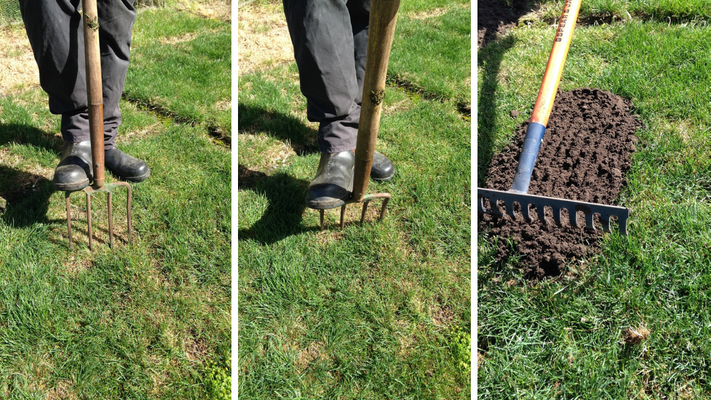
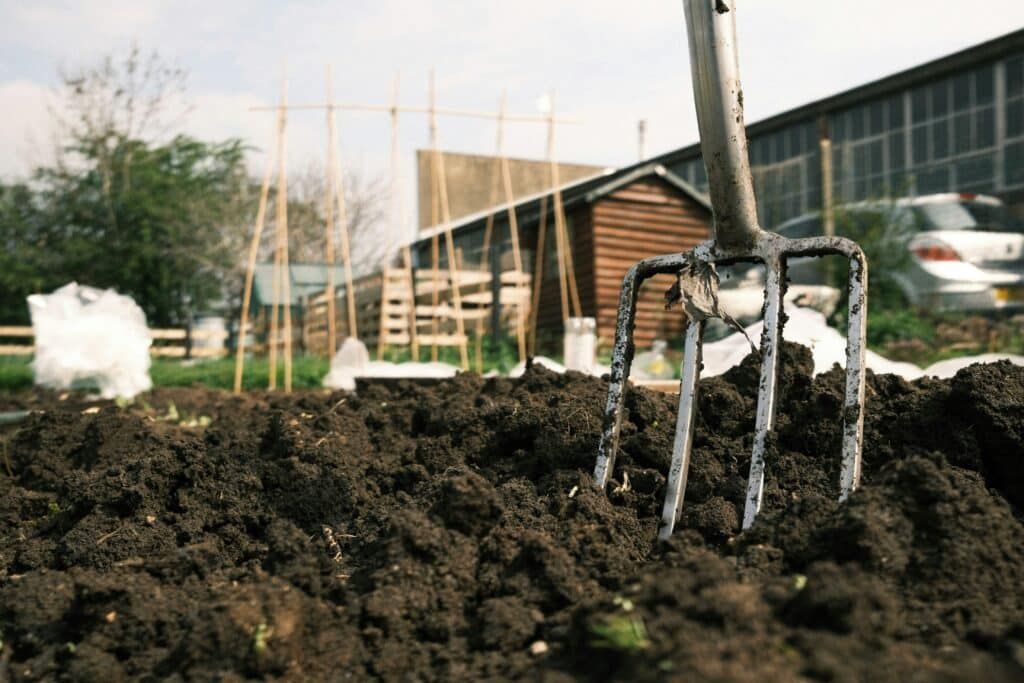
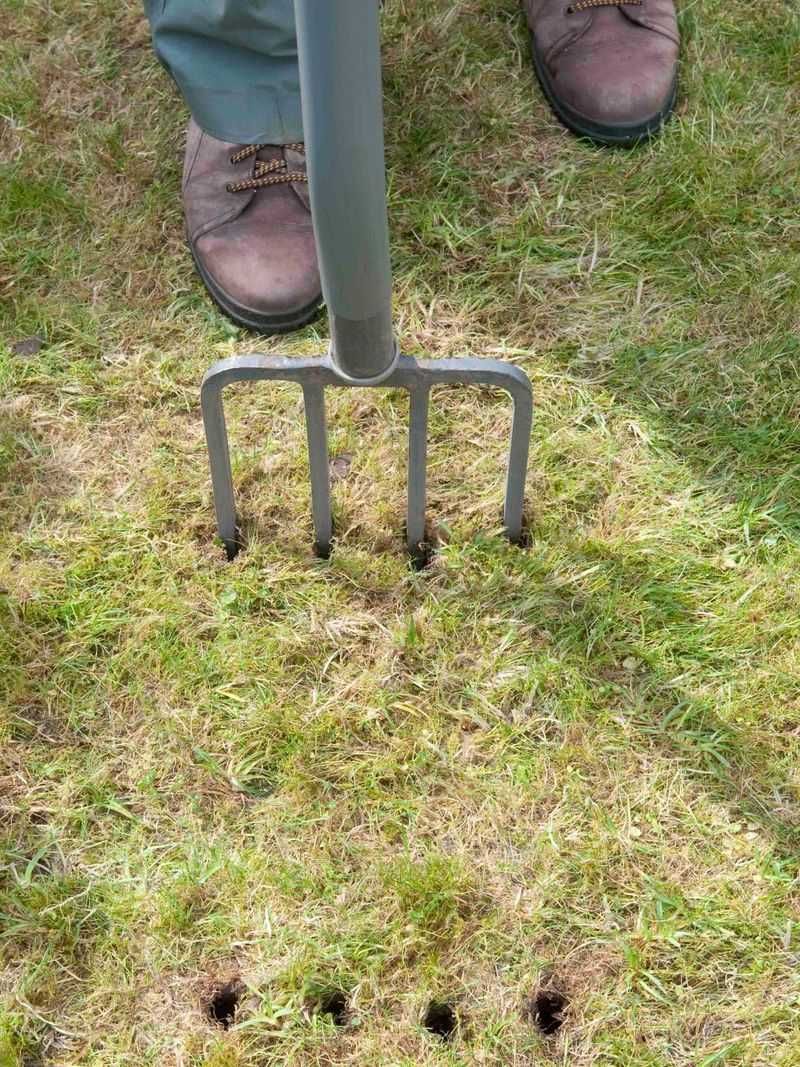
Not everything has to be high-tech or expensive. Sometimes the simplest approaches work best. Hand tools like garden forks and broadforks can be surprisingly effective for aerating small areas. These tools work by gently lifting and turning soil without creating the large holes that mechanical aerators sometimes leave behind.
Gardeners who prefer manual methods often find that using a broadfork gives them more control over exactly where they aerate. The wide tines push into the soil without pulling out plugs, which means less disturbance to existing plant roots. This method is particularly good for established garden beds where you don’t want to risk damaging mature plants. It’s also something you can do yourself, without renting equipment or calling in professionals.
The path to healthier soil doesn’t have to mean using heavy machinery or chemicals. There are plenty of green alternatives that work just as well, if not better, than traditional aeration methods. Whether you choose to add compost, plant cover crops, mulch with organic materials, or simply let beneficial organisms do their job, each approach contributes to soil health in its own way. These methods may take a bit more time and effort, but they’re building a foundation for gardening success that will last for years. The key is consistency and understanding that healthy soil is a living ecosystem that needs gentle, thoughtful care. So next time you’re thinking about aeration, consider which approach aligns best with your values and gardening style. Your plants will thank you for it.