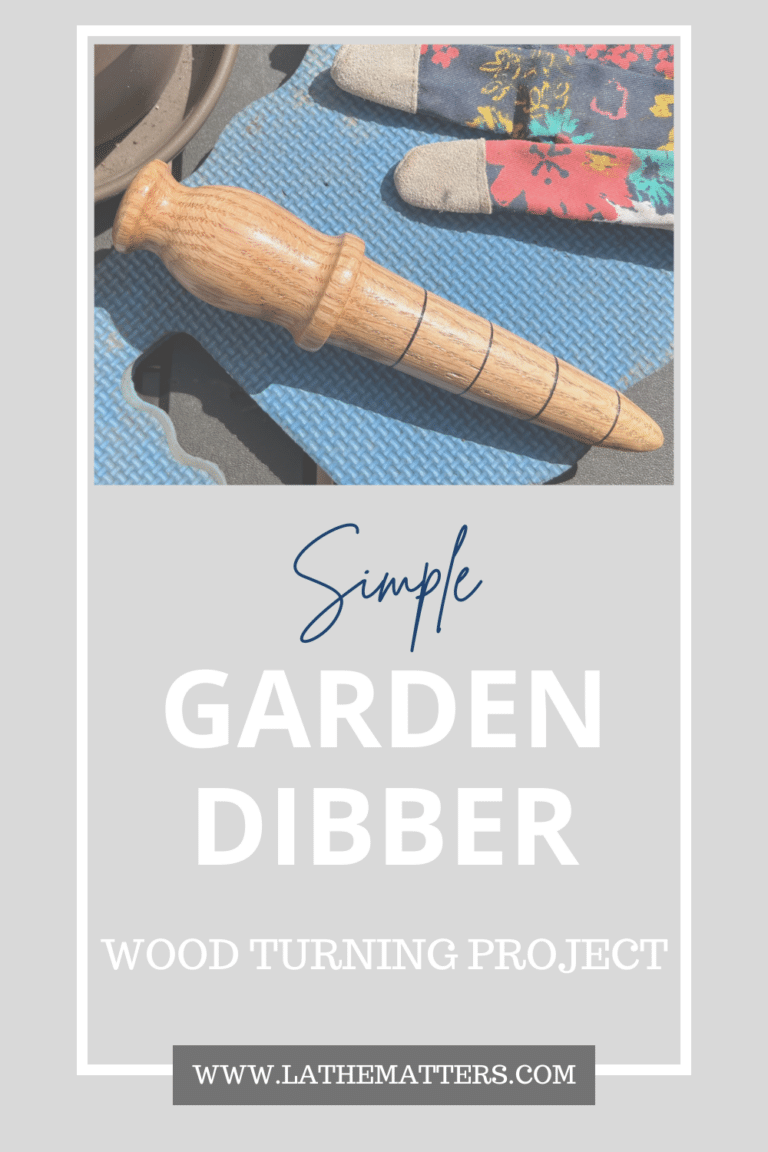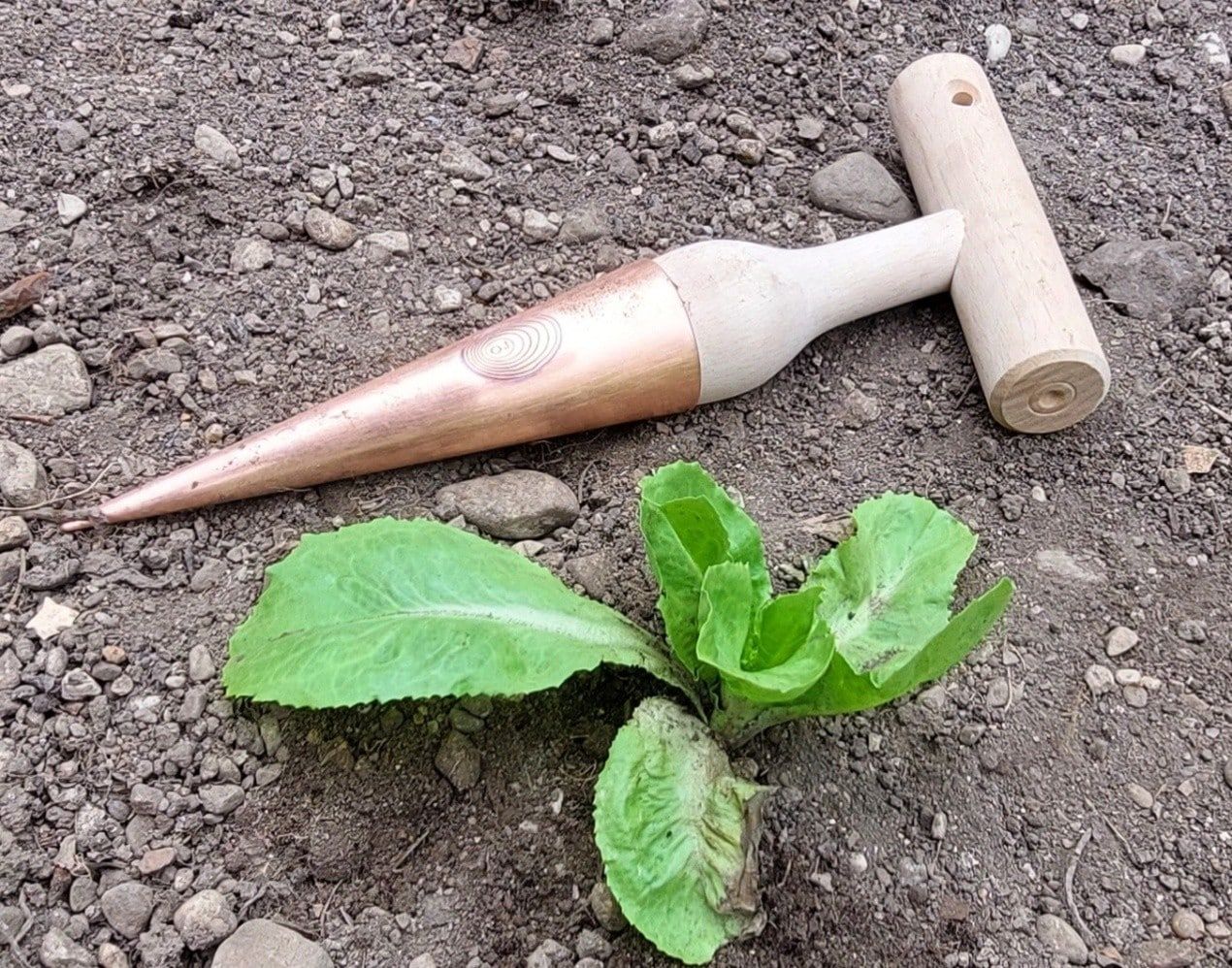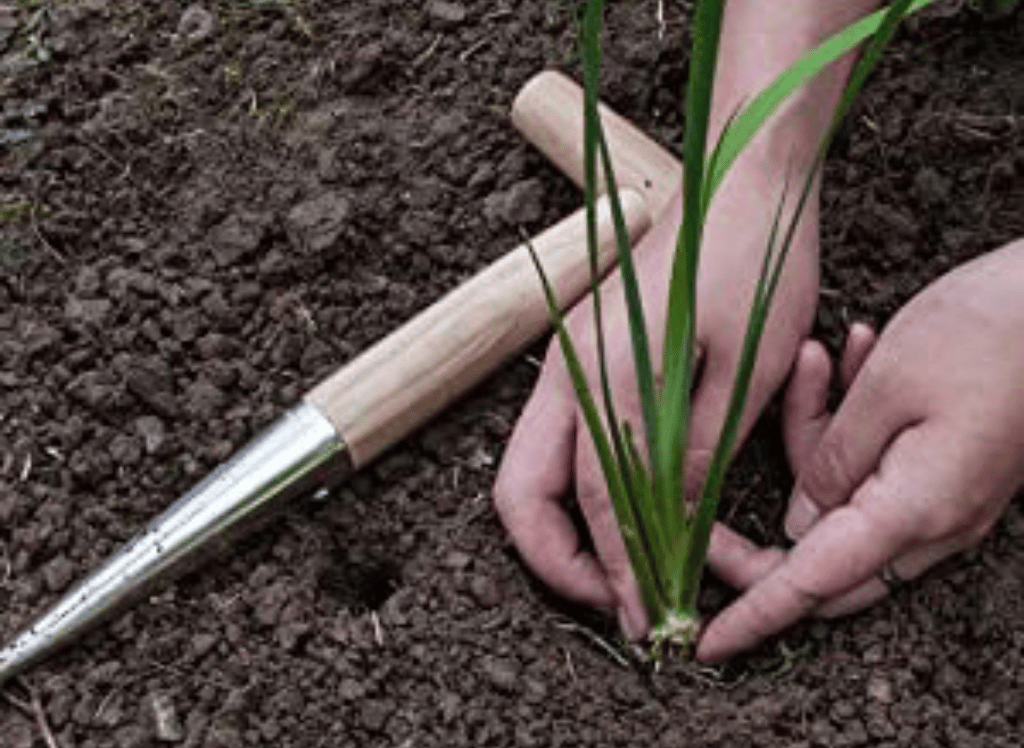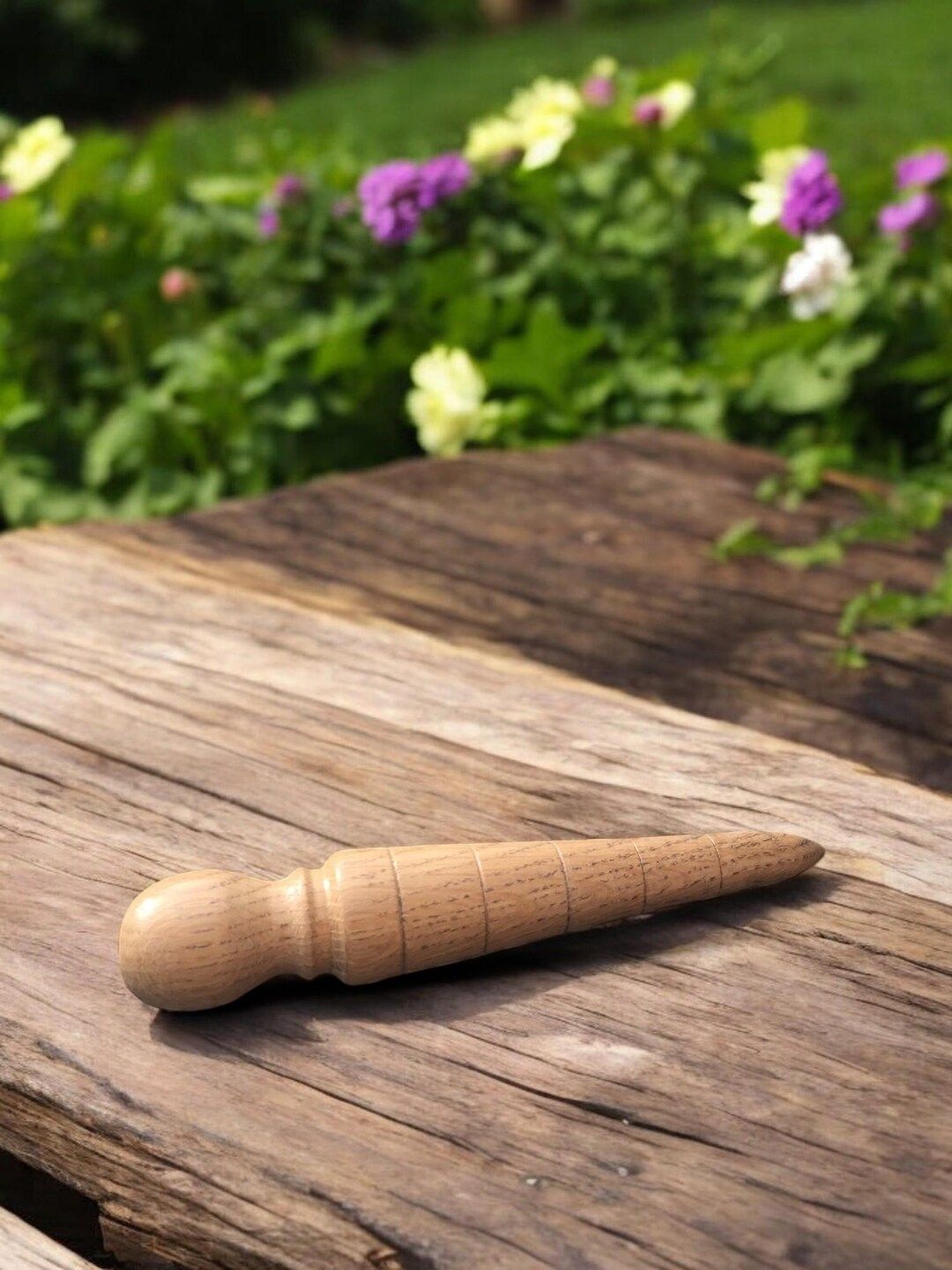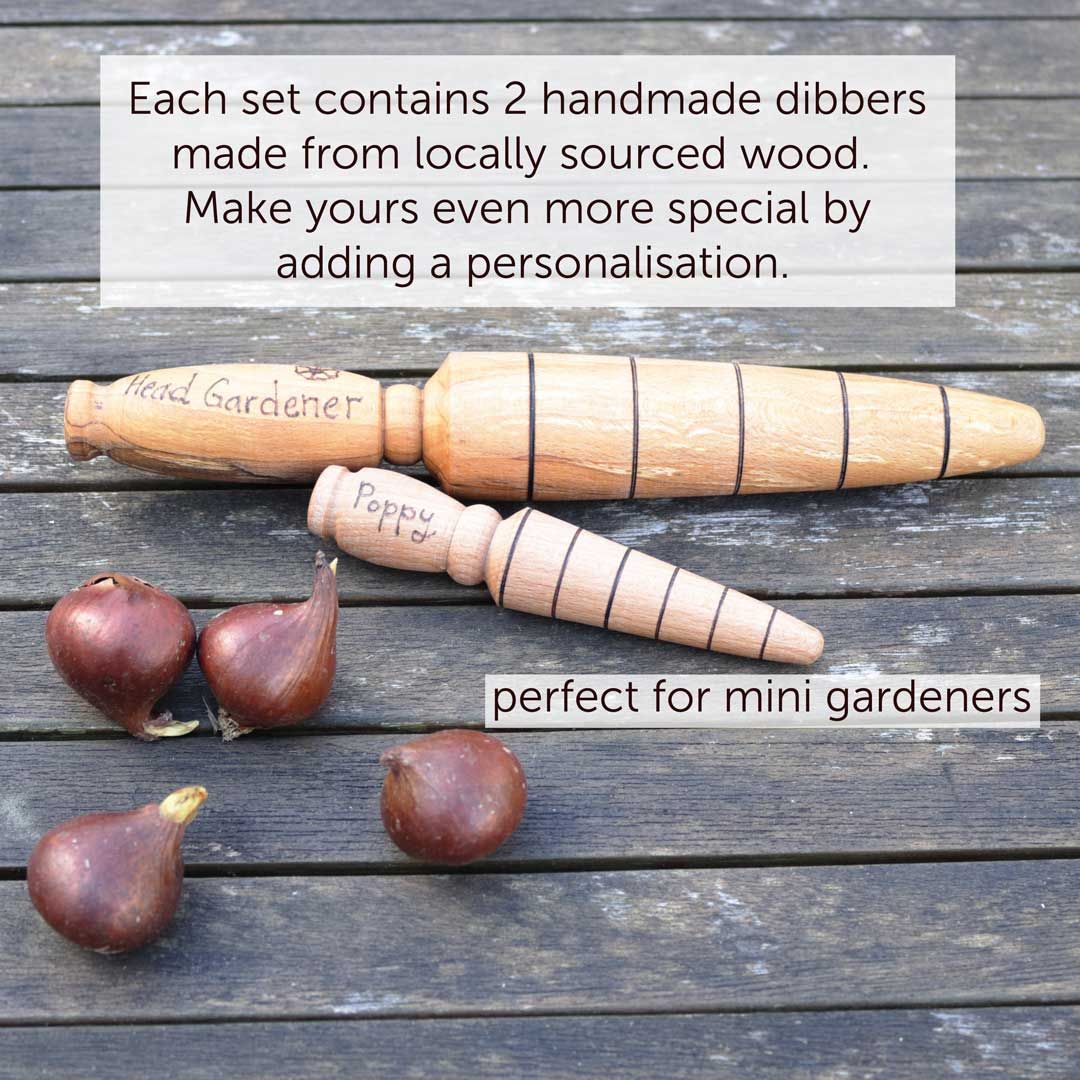
In a world increasingly focused on sustainability, gardeners are discovering that simple tools can make a big difference. Among the most overlooked yet impactful choices is the humble wooden garden dibber. These unassuming implements, often overshadowed by their plastic counterparts, carry a surprising environmental story worth exploring.
Picture this: You’re kneeling in your garden, preparing soil for new seedlings. Your hands grip a tool that’s been passed down through generations, its surface worn smooth by countless seasons. This isn’t just a gardening implement – it’s a connection to earth, tradition, and sustainability. Natural wood garden dibbers represent more than just functional tools; they embody principles of environmental stewardship that many modern gardeners overlook. While plastic alternatives dominate store shelves, wood offers something irreplaceable – a harmonious relationship between human activity and natural materials. The choice between materials might seem small, but it reflects larger values about how we interact with our environment. What if a simple tool could demonstrate your commitment to ecological responsibility?
The Lifecycle Impact of Wood vs Plastic Dibbers
When comparing the environmental footprint of garden tools, the full lifecycle matters more than initial cost or appearance. Wood dibbers begin their journey as living trees, which absorb carbon dioxide throughout their growth. This process continues even after harvesting, as wood stores carbon for decades when properly used. Consider that a single mature tree can absorb up to 48 pounds of CO2 annually. When that tree becomes a dibber, it continues storing carbon rather than decomposing and releasing stored gases back into the atmosphere.
Plastic dibbers, on the other hand, rely on petroleum extraction and energy-intensive manufacturing processes. These tools are made from non-renewable resources and typically end up in landfills after 2-3 years of use. A study by the Environmental Protection Agency found that plastic garden tools contribute significantly to waste streams, with only 2% being recycled properly. The production of plastic requires massive amounts of energy and releases toxic chemicals into air and water systems. Wood, in contrast, biodegrades naturally when disposed of correctly, returning nutrients to the soil rather than polluting it.
Durability and Longevity: Why Wood Lasts Longer
Many assume that plastic tools must be more durable, but wood dibbers often prove surprisingly resilient. Properly seasoned hardwoods like ash, hickory, or maple can last decades with proper care. The secret lies in understanding wood’s natural properties. Unlike plastic which degrades under UV exposure and temperature fluctuations, wood adapts to environmental conditions. It expands and contracts naturally, maintaining structural integrity over time.
A well-made wooden dibber can outlast 10+ years of regular use, compared to plastic versions that often crack or break within months. This longevity reduces the frequency of replacements, directly decreasing resource consumption. Think about it: one high-quality dibber replaces dozens of low-quality plastic versions over time. The environmental savings compound with each use. Additionally, wood tools develop character and personal connection over time, becoming cherished implements that gardeners pass down through generations.
Biodegradable Properties and Soil Health
The environmental benefits extend beyond the tool itself to the garden ecosystem. Wood dibbers naturally decompose when they reach the end of their useful life, adding organic matter to soil rather than creating waste. This process supports beneficial microorganisms and earthworms that improve soil structure.
Research from the University of California Agriculture and Natural Resources shows that wooden garden tools leave behind trace minerals and organic compounds that enhance soil fertility. The natural tannins in wood can actually help prevent certain plant diseases by creating a slightly acidic environment that discourages harmful bacteria. Furthermore, wood doesn’t leach harmful chemicals into soil like some plastics do. This is particularly important for edible gardens where food safety matters.
Consider that every time you use a wood dibber, you’re contributing to soil health rather than depleting it. The tool becomes part of the garden’s natural cycle, unlike plastic alternatives that merely sit in storage or landfills.
Reducing Chemical Pollution in Water Systems
One often-overlooked aspect of garden tool materials is their impact on water quality. Plastic dibbers can shed microscopic particles during use, especially when they rub against soil containing sand or grit. These microplastics eventually find their way into groundwater and waterways, where they accumulate in aquatic ecosystems.
Wood, however, creates no such pollution. Its natural composition means no chemical breakdown products contaminate nearby water sources. In fact, the natural oils in wood can help filter water as it percolates through soil around garden beds. Studies conducted by the National Oceanic and Atmospheric Administration show that areas with increased plastic contamination see higher rates of marine life health issues.
Gardeners who choose wood tools are indirectly supporting cleaner water systems. This benefit becomes more significant when considering that millions of gardeners worldwide use similar tools. The cumulative effect of individual choices creates meaningful change in protecting watersheds and aquatic habitats.
Supporting Sustainable Forestry Practices
Choosing wood dibbers means supporting responsible forestry management. Many reputable manufacturers source their wood from sustainably managed forests that actively replant trees and protect wildlife habitats. This creates a positive economic incentive for forest conservation.
Certified sustainable forestry operations, such as those following Forest Stewardship Council standards, ensure that wood harvesting doesn’t damage ecosystems. These practices protect biodiversity while providing renewable resources for tools and furniture. When gardeners purchase wood tools from companies with transparent sourcing policies, they’re voting with their dollars for environmentally conscious business practices.
The connection between tool choice and forest health might seem indirect, but it’s real. Every wood dibber purchased represents a commitment to maintaining healthy forests that continue to provide clean air, wildlife habitat, and future timber resources. Some gardeners even track their purchases to ensure they’re supporting local forestry operations, creating direct links between their gardening habits and regional environmental health.
Cultural Heritage and Traditional Craftsmanship
Beyond environmental considerations, wood dibbers connect us to centuries of traditional craftsmanship. Many gardeners discover that these tools are more than functional – they’re heirlooms that carry stories and cultural knowledge. Traditional woodworking techniques passed down through generations produce tools of exceptional quality and beauty.
The craft of making wooden garden tools involves skills that are rapidly disappearing. Master woodworkers who specialize in garden implements often work with hand tools and traditional methods that produce superior results. These artisans understand the unique properties of different woods and how to work with natural grain patterns to create strong, comfortable handles.
Gardeners who embrace wood tools often become advocates for preserving these traditional crafts. They support local artisans and encourage others to value handmade items over mass-produced alternatives. This cultural connection adds emotional value to gardening, transforming routine tasks into meaningful experiences that honor both nature and human skill. The satisfaction of using a tool that someone carefully crafted by hand brings a sense of connection that no factory-made alternative can match.
The decision to choose natural wood garden dibbers extends far beyond aesthetics or personal preference. It represents a conscious choice to align gardening practices with environmental values. From reduced carbon footprints to supporting sustainable forestry, wood tools offer measurable benefits that ripple through ecosystems and communities. The durability of quality wood ensures fewer replacements, while its biodegradable nature means no lasting harm to soil or water systems. Perhaps most importantly, choosing wood connects gardeners to centuries of tradition and craftsmanship that deserve preservation. Every time you use a wooden dibber, you’re participating in a sustainable cycle that benefits not just your garden, but the planet as a whole. The next time you’re shopping for garden tools, consider the long-term impact of your choice – a simple switch to wood can make a profound difference in how we garden and how we care for our environment.