There’s something magical about watching seeds sprout into thriving plants. But when you start thinking about how to grow them sustainably, things get even more interesting. Picture this: you’re kneeling in your garden, soil beneath your hands, sunlight warming your face, and you’re not just growing vegetables or flowers – you’re building a small ecosystem that supports wildlife, improves air quality, and reduces your environmental footprint. That’s the beauty of sustainable gardening. It’s not just about growing plants; it’s about creating harmony between nature and your outdoor space.
Let’s be honest – starting a garden can feel overwhelming. You’ve got soil tests, plant selection, water needs, and all sorts of technical details to consider. But what if I told you that choosing the right eco-friendly tools could make everything easier? Think about it like this: every tool you bring into your garden tells a story about how you want to interact with nature. Some tools might seem like small decisions, but they actually have a big impact on the environment and the health of your garden. Whether you’re thinking about a small windowsill herb garden or planning a full vegetable patch, the foundation starts with the tools you choose. And honestly, there’s nothing quite like the satisfaction of working with tools that align with your values.
Understanding Sustainable Gardening Principles
Sustainable gardening isn’t just a trendy phrase – it’s a thoughtful approach to growing plants that works with nature rather than against it. Imagine you’re trying to build a house, but instead of using materials that will rot quickly, you choose wood that’s been sustainably harvested. That’s exactly what sustainable gardening is about, but with your garden space. At its heart, sustainable gardening means reducing waste, conserving resources, and creating a balanced environment where plants, insects, and soil work together. It’s about making choices that support long-term health rather than quick fixes. For instance, when you compost kitchen scraps instead of throwing them away, you’re not just reducing landfill waste – you’re creating nutrient-rich soil that feeds your plants. This approach makes sense, doesn’t it? Why waste good organic matter when it can nourish your garden? Sustainable practices often start with simple changes that compound over time. Think of it like investing in your garden’s future – every eco-friendly choice you make today helps build a healthier tomorrow for your plants and the surrounding ecosystem.
Essential Eco-Friendly Tools for Beginners
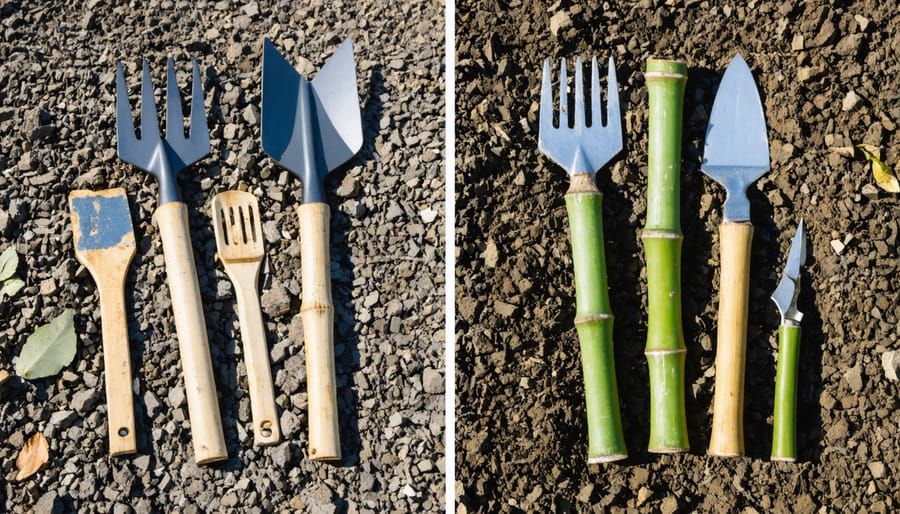
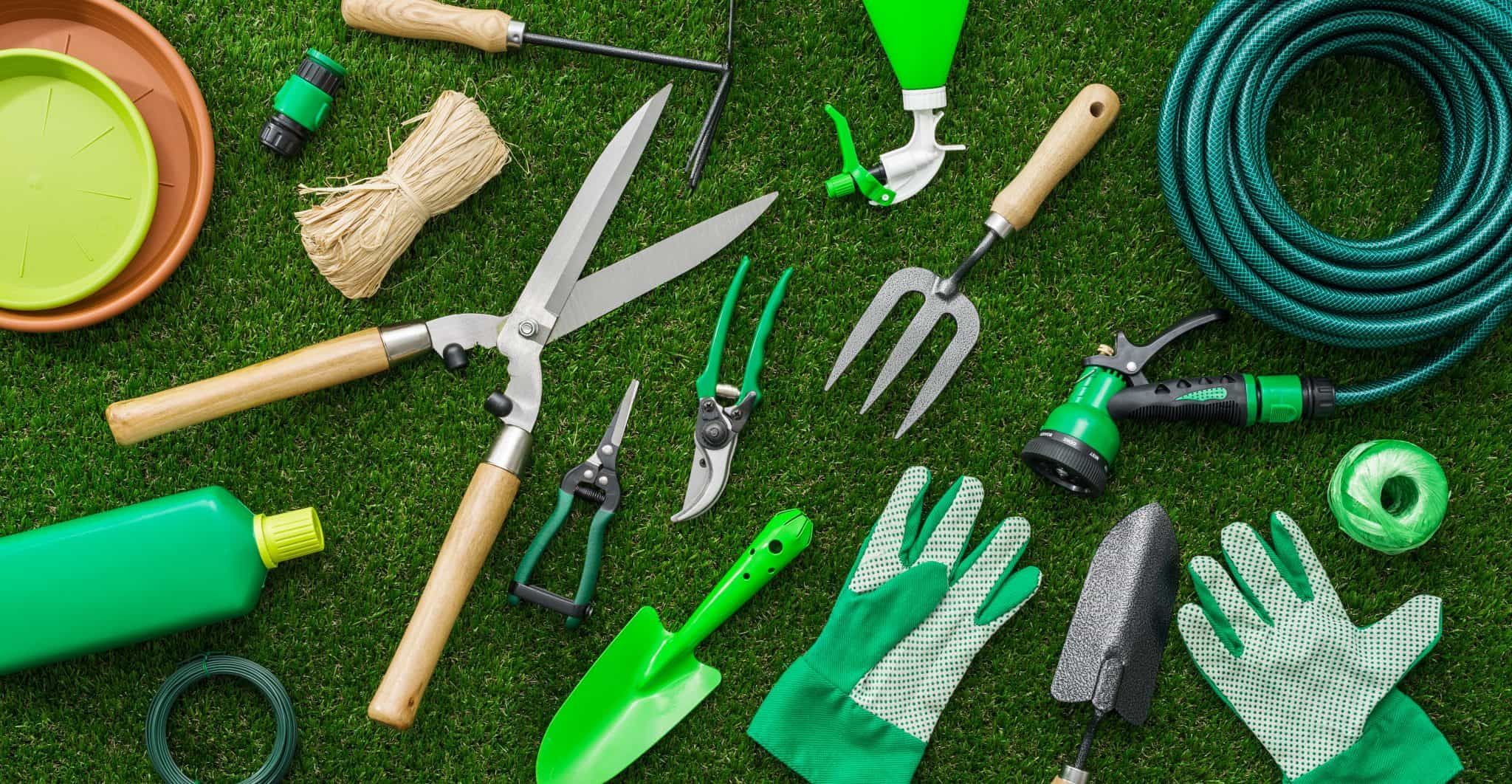
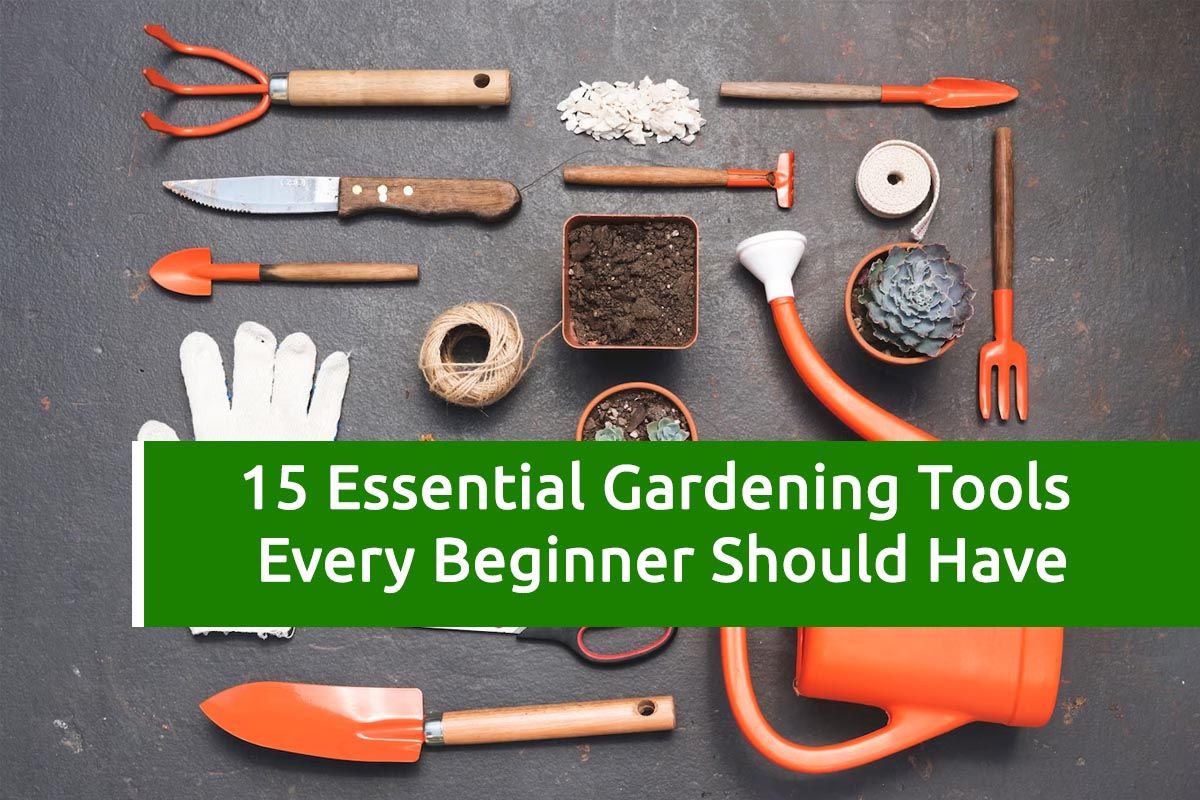
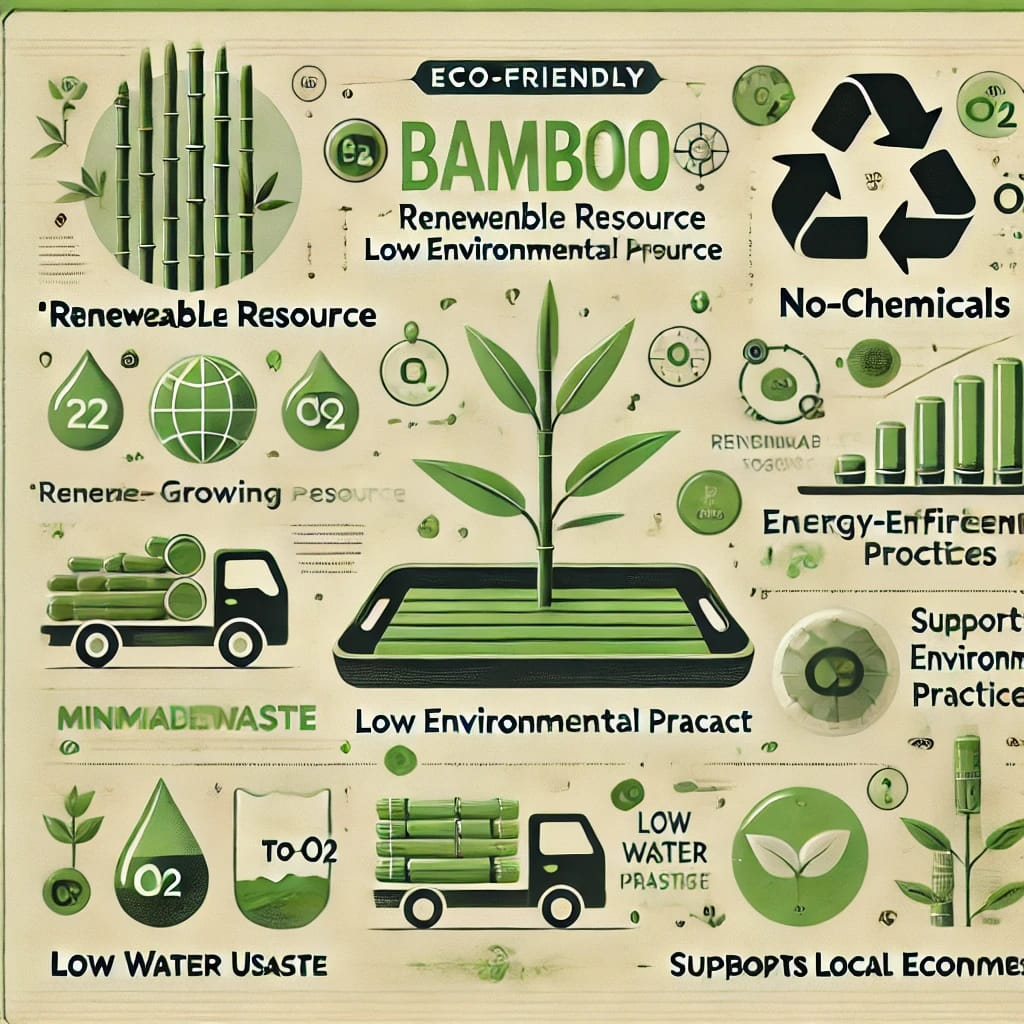
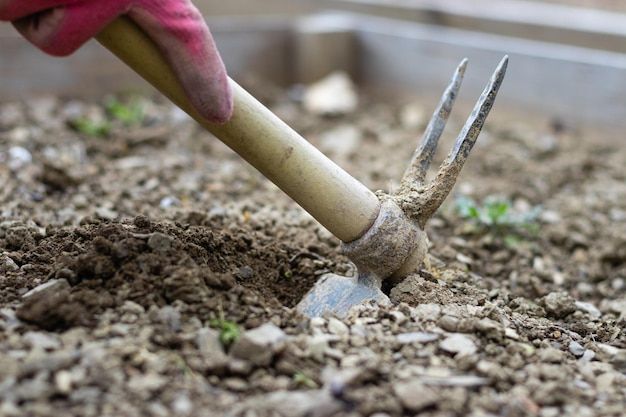
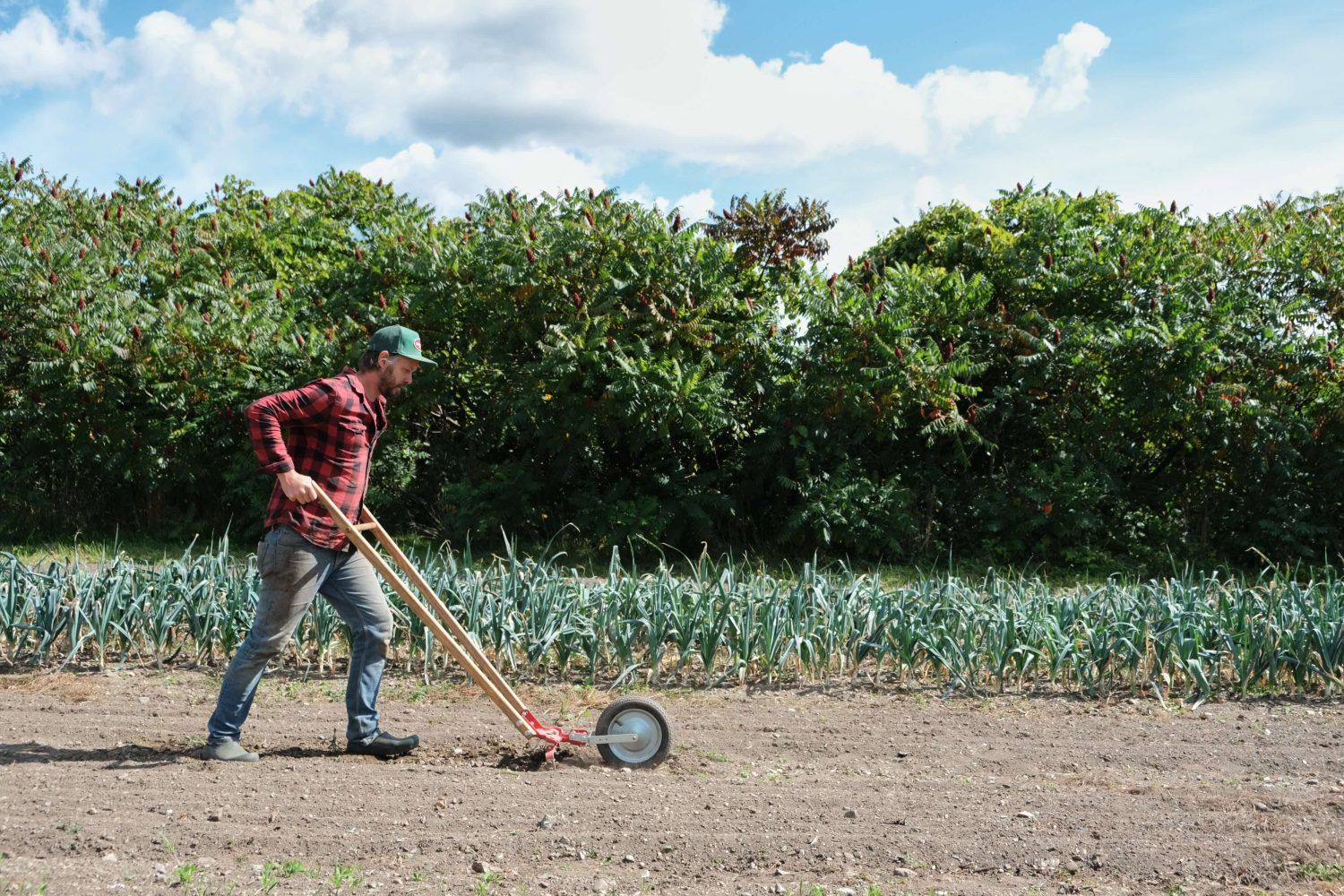
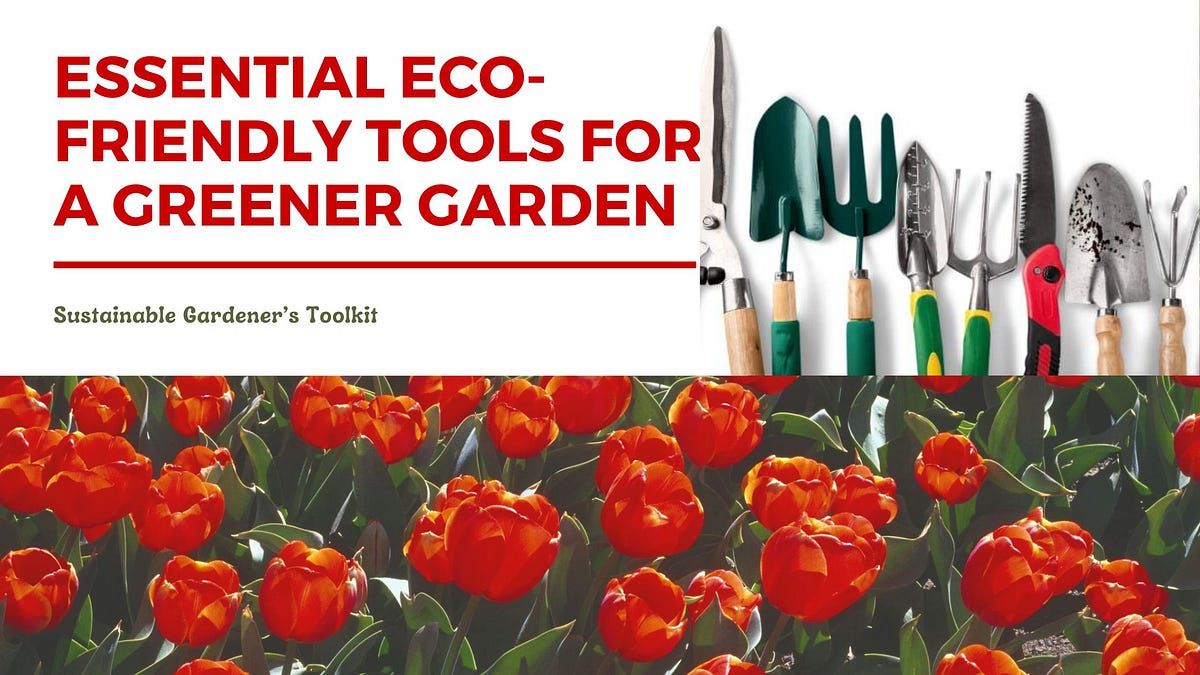
You don’t need to buy everything at once, but there are a few fundamental tools that every sustainable gardener should consider. First up, a good hand trowel – the kind that’s made from recycled materials or sustainably sourced wood. These little tools do big jobs, from planting tiny seedlings to mixing compost. Next, consider investing in a watering can with a long spout. Look for one made from recycled plastic or ceramic that won’t leach chemicals into your water. A pair of gloves is another must-have item. Choose organic cotton or recycled materials, and avoid those with synthetic coatings that might harm your skin or the environment. A rake made from bamboo or reclaimed wood is also handy for clearing debris or preparing soil. Don’t forget a small hand pruner – essential for trimming back overgrown branches and harvesting herbs. These aren’t just tools; they’re investments in your garden’s health and your personal values. Remember, quality matters more than quantity when it comes to eco-friendly tools. You’ll find that a well-made tool lasts longer and performs better than multiple cheap alternatives.
Water Conservation Techniques and Tools
Water is precious, especially when you’re trying to garden sustainably. The good news? There are plenty of ways to conserve water while keeping your garden happy. One simple method is to use drip irrigation systems – these deliver water directly to plant roots, minimizing evaporation and waste. If you’re not ready for a full system, consider a soaker hose that slowly releases water around your plants. Rain barrels are another excellent investment. They collect rainwater from your roof, giving you a free source of water during dry spells. You can even make one yourself using a large container and some basic plumbing. Mulching is also crucial for water retention. When you cover soil with organic materials like straw or shredded leaves, you create a protective layer that keeps moisture in. Think about it like putting a blanket over your garden beds – it helps regulate temperature and prevents water loss. These techniques might seem simple, but they make a huge difference in how much water your garden needs. Plus, they reduce your utility bills and help preserve local water resources.
Composting Systems for Garden Waste
Composting isn’t just about turning kitchen scraps into fertilizer – it’s about closing the loop in your garden’s ecosystem. Picture this: you’re preparing dinner and have leftover vegetable peels and coffee grounds. Instead of tossing them, you add them to a compost bin where they break down into rich, dark soil amendment. It’s like magic, really. Compost bins come in many shapes and sizes, from simple pile systems to fancy tumblers that turn automatically. The key is consistency – add your organic matter regularly and keep it moist but not soggy. Brown materials like dried leaves and paper provide carbon, while green materials like food scraps offer nitrogen. A healthy compost pile should smell earthy and look dark and crumbly after a few months. Beyond the obvious benefits, composting also reduces methane emissions from landfills. Every garden should have a compost system, whether it’s a small countertop bin or a backyard pile. It’s one of the most rewarding practices you can adopt for sustainable gardening.
Natural Pest Control Methods
Gardens naturally attract pests, but that doesn’t mean you have to rely on chemical pesticides. Many gardeners find that working with nature’s own pest control systems creates a more balanced and effective approach. Companion planting is one of the simplest methods. Plant marigolds alongside tomatoes to repel harmful insects, or grow basil near peppers to deter aphids. Beneficial insects like ladybugs and praying mantises can also be attracted to your garden with the right plants and habitat. Creating diverse plantings helps prevent pest outbreaks because pests prefer monocultures. Another option is using natural sprays made from ingredients like neem oil or soap solutions. These are gentle on beneficial insects while still being effective against harmful pests. Physical barriers like row covers can protect young plants from insect damage. The key is understanding that pests are part of the natural world, and sometimes they’re just doing their job. The goal isn’t to eliminate them entirely, but to manage them in ways that don’t harm the broader ecosystem. It’s like having a conversation with your garden’s natural inhabitants rather than fighting them.
Building Soil Health Through Natural Amendments
Healthy soil is the foundation of any successful garden, and sustainable gardening relies heavily on maintaining and improving soil quality naturally. Instead of relying on synthetic fertilizers, focus on building soil structure and nutrition through organic matter. Compost is your best friend here – it adds nutrients, improves water retention, and feeds beneficial microorganisms. Adding organic matter like aged manure or leaf mold also helps soil hold moisture and provides slow-release nutrients. Consider testing your soil pH to understand what amendments it needs. Most vegetables prefer slightly acidic soil between 6.0 and 7.0. You can adjust pH using lime to raise it or sulfur to lower it. Cover crops are another excellent technique – plant them in fall or early spring to protect soil from erosion and add nutrients when tilled under. These practices might take longer to show results than chemical fertilizers, but they create lasting improvements in soil health. Think of soil as a living organism that needs care and attention. Just like you wouldn’t feed your family processed foods every day, your garden soils benefit from natural, whole-food nutrition.
Starting a sustainable garden with eco-friendly tools isn’t just about protecting the environment – it’s about creating a more meaningful connection with your outdoor space. When you choose tools made from sustainable materials, implement water conservation methods, and work with natural processes rather than against them, you’re making choices that benefit everyone. The garden becomes more than just a place to grow food or flowers; it becomes a demonstration of your values and commitment to a healthier planet. Remember, sustainable gardening isn’t about perfection – it’s about progress. Every small step you take toward more eco-friendly practices makes a difference. Whether you’re starting with just a few hand tools or planning a full composting system, you’re contributing to something bigger than yourself. Your garden is a small piece of a much larger puzzle, and by making thoughtful choices about the tools you use and the methods you employ, you’re helping build a more sustainable future. So grab those eco-friendly tools, get your hands dirty, and watch your garden thrive while supporting the planet you love.