Every gardener knows that what happens beneath the surface matters just as much as what grows above ground. The right tools can either nurture or harm the delicate ecosystem that makes gardening possible. Choosing garden hand tools isn’t just about convenience or price—it’s about protecting the very foundation of your garden’s success.
When you think about gardening, most people focus on the plants, the flowers, or the vegetables they want to grow. But there’s a whole world happening just under our feet that’s often overlooked. Soil isn’t just dirt—it’s a living ecosystem filled with tiny creatures, beneficial bacteria, and complex relationships that keep everything thriving. The tools we use in our gardens play a huge role in either supporting or damaging this underground community. Making smart choices about garden hand tools means making choices that help preserve soil health and encourage biodiversity. It’s not just about getting the job done efficiently; it’s about doing it in a way that benefits the entire ecosystem around us.
Understanding Soil Ecosystems
Before diving into tool selection, it helps to understand what we’re working with. Soil is home to millions of organisms—earthworms, beneficial fungi, nitrogen-fixing bacteria, and countless microscopic life forms. These creatures work together to break down organic matter, improve soil structure, and make nutrients available to plants. When we dig too aggressively or use tools that compact soil, we disrupt these relationships. Healthy soil should feel crumbly and airy, not dense and hard like concrete. Good soil structure allows air and water to move freely, which is essential for plant roots and soil organisms alike. Think of soil as a living carpet that supports all plant life above it. The better we protect it, the more productive and resilient our gardens become.
The Impact of Tool Design on Soil Health
Not all garden tools are created equal when it comes to soil impact. Some designs are gentle on soil structure while others can cause serious damage. Sharp, well-maintained tools cut cleanly through soil without crushing particles. Dull tools, on the other hand, tear and compress soil, creating compacted areas that hinder root growth and water penetration. Consider the weight and balance of your tools too. Heavy tools that require excessive force can lead to soil compaction, especially in wet conditions. Lighter tools that work with the natural resistance of soil are generally better for maintaining healthy soil structure. The shape of the blade or tine also matters. Broad, flat blades tend to compact soil more than narrow, pointed ones. Look for tools designed with soil conservation in mind rather than just maximum efficiency.
Choosing Tools That Promote Biodiversity
Biodiversity in the garden goes beyond just having lots of different plants. It includes the variety of beneficial insects, birds, and microorganisms that live in and around your soil. Certain tools actually help create habitats for these creatures. For example, hand cultivators with shallow tines can help aerate soil without disturbing deep burrowing animals. Tools that leave small holes or gaps in soil structure provide homes for beneficial insects. Consider using tools that allow you to work in smaller sections rather than large areas at once. This approach gives soil time to recover between uses and creates varied microhabitats. Tools that don’t require chemicals or treatments are also important. Natural materials like wood or untreated steel won’t contaminate soil or harm beneficial organisms. Remember, a diverse garden ecosystem works best when every element supports each other.
Material Matters for Sustainable Gardening
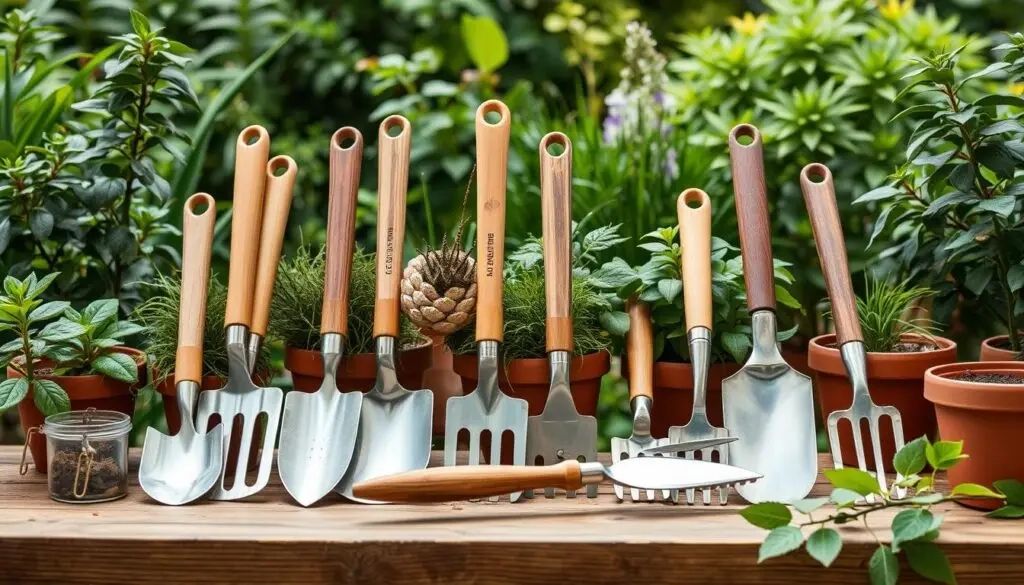
The materials used in garden tools can have lasting effects on soil and environment. Steel tools, especially those treated with chemicals, can leach harmful substances into soil over time. Opt for tools made from natural materials or those that are rust-resistant without chemical coatings. Stainless steel is often a good choice because it doesn’t corrode easily and doesn’t release toxins. Wooden handles are excellent because they’re biodegradable and don’t conduct electricity, which can be helpful in certain situations. However, wooden handles need proper maintenance to prevent splitting or rotting. Plastic tools are convenient but can break down into microplastics over time. If you must use plastic tools, look for those made from recycled materials. Always consider the entire lifecycle of your tools, not just their initial purchase. Tools that last longer reduce waste and environmental impact.
Maintenance Practices for Long-Term Soil Health
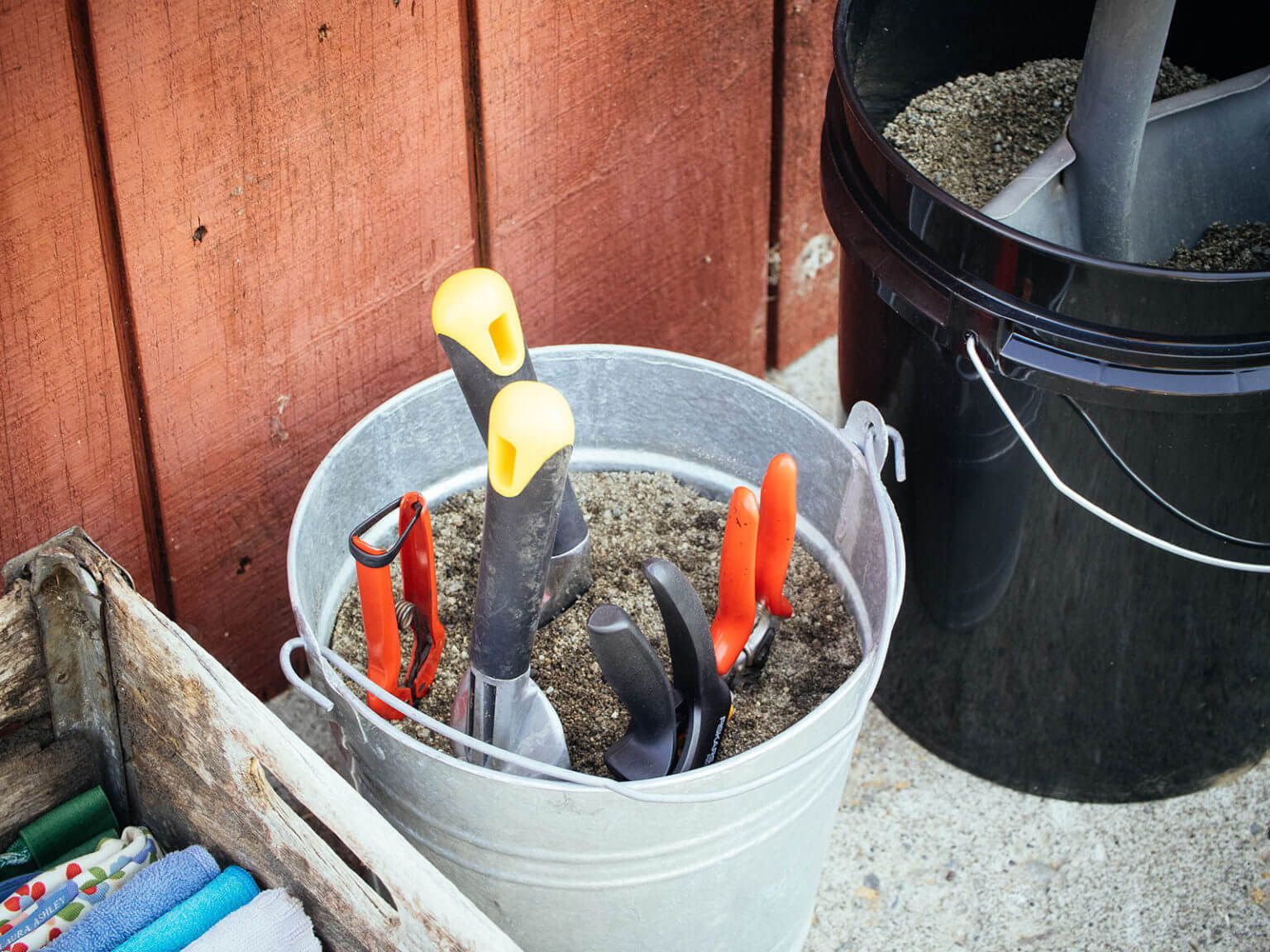
Even the best tools will damage soil if they’re not properly maintained. Dull blades create more soil disturbance than necessary. Regular sharpening ensures clean cuts that minimize soil disruption. Cleaning tools after use prevents the spread of diseases between plants and removes soil particles that might harbor pests or pathogens. Proper storage keeps tools in good condition for years to come. Storing tools in dry places prevents rust and deterioration. A well-maintained tool is always more efficient and gentler on soil. Consider keeping a small kit of basic maintenance supplies like sandpaper for sharpening, oil for rust prevention, and a brush for cleaning. These simple practices extend tool life and maintain their effectiveness for protecting soil health.
Practical Selection Tips for Gardeners
When shopping for garden tools, start by identifying your specific needs and the types of soil you work with. Clay soils benefit from tools that can penetrate more easily, while sandy soils might need tools that don’t compact as much. Look for tools with comfortable handles that reduce hand fatigue, allowing for more precise work. Consider the frequency of use and how much you’ll rely on each tool. A few high-quality tools that you use regularly are better than many cheap tools that get damaged quickly. Try before you buy when possible, paying attention to how the tool feels in your hands and how it interacts with soil. Pay attention to reviews from other gardeners who value soil health. Some tools are specifically marketed for organic or sustainable gardening, which often indicates they’re designed with soil protection in mind. Finally, invest in quality tools that will serve you well for years rather than replacing them frequently.
Choosing garden hand tools that protect soil health and biodiversity isn’t just about making smarter purchases—it’s about developing a deeper relationship with the earth you’re working with. Every tool you select becomes part of a larger ecosystem that supports plant growth, wildlife habitat, and environmental sustainability. By focusing on design, materials, and proper maintenance, gardeners can ensure their tools enhance rather than harm the soil ecosystem. Remember that gardening is ultimately about nurturing life, and that includes the invisible networks of organisms that make our gardens thrive. Making thoughtful tool choices is one of the simplest ways to support this invisible but vital community. Your garden will thank you for it, and future generations of gardeners will benefit from the healthy soil you’ve helped preserve. The right tools aren’t just about getting the job done—they’re about doing it in a way that honors the natural systems that make gardening possible.