Mold can be more than just an eyesore—it’s a serious health concern that affects millions of homes worldwide. But what if there was a way to naturally fight back against those pesky mold spores? Enter essential oils, those concentrated plant extracts that have been used for centuries for their healing properties. From lavender to tea tree, these potent compounds offer a promising alternative to harsh chemical cleaners. The question isn’t whether they work, but how effectively we can harness their power to protect our living spaces.
Picture this: you’re walking into your kitchen after a long day, and suddenly you catch that familiar musty smell. It’s not just unpleasant—it’s a warning sign. Mold has taken hold, and it’s not going to disappear on its own. Traditional cleaning methods often involve chemicals that can be harsh on both your health and the environment. But there’s another path—one that draws from nature itself. Essential oils, those aromatic compounds extracted from plants, have shown remarkable potential in fighting mold growth. They’re not just pretty scents in a bottle; they’re powerful defenders against one of the most common household problems. Whether you’ve been dealing with a recent water leak or simply want to prevent future issues, understanding how essential oils can help might just change how you think about home maintenance.
What Makes Essential Oils Effective Against Mold
The secret behind essential oils’ mold-fighting abilities lies in their unique chemical composition. These concentrated extracts contain antimicrobial compounds that can disrupt the cellular structure of mold spores. When you spray a solution of essential oils in areas prone to moisture, like bathrooms or basements, you’re creating an environment that’s hostile to mold growth. Tea tree oil, for example, contains terpinen-4-ol, which has been scientifically proven to kill various types of mold. Lavender oil works similarly, with its linalool content providing strong antifungal properties. The key is understanding that these oils don’t just mask odors—they actually attack the root cause of the problem. You might wonder why commercial products don’t rely more heavily on these natural alternatives. Well, it comes down to cost and regulation. Natural solutions require careful extraction processes and often don’t fit neatly into mass production models. But that doesn’t mean they’re less effective. In fact, many studies show that certain essential oils can be just as potent as traditional fungicides, but without the toxic side effects.
Top Essential Oils for Mold Prevention
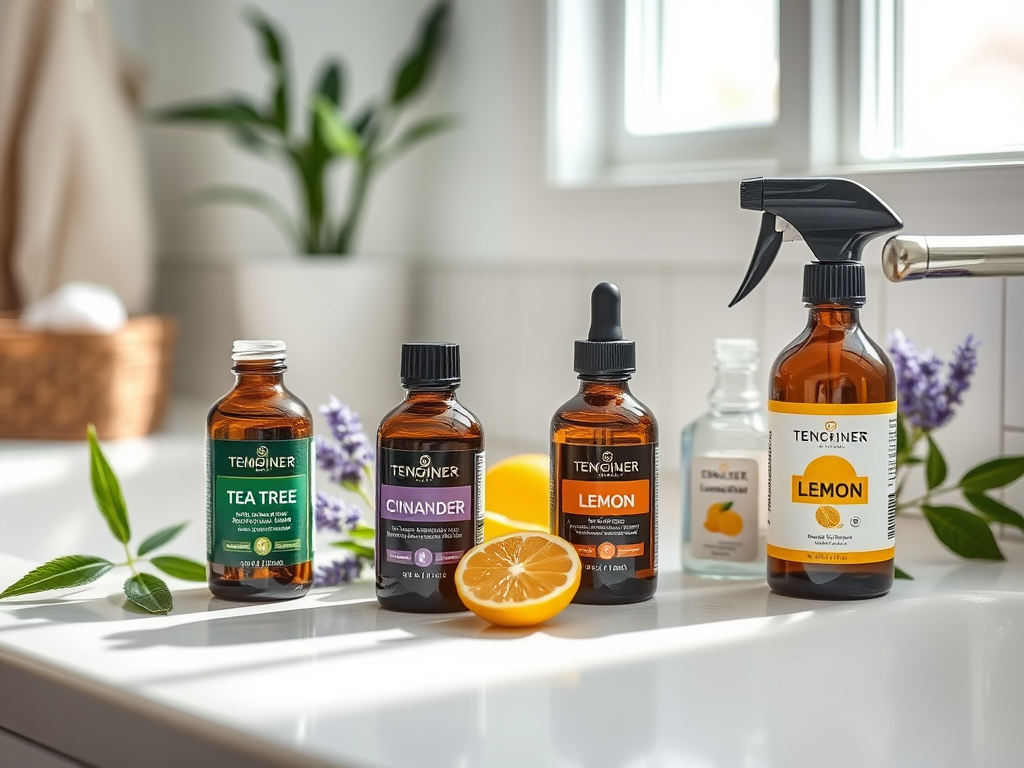
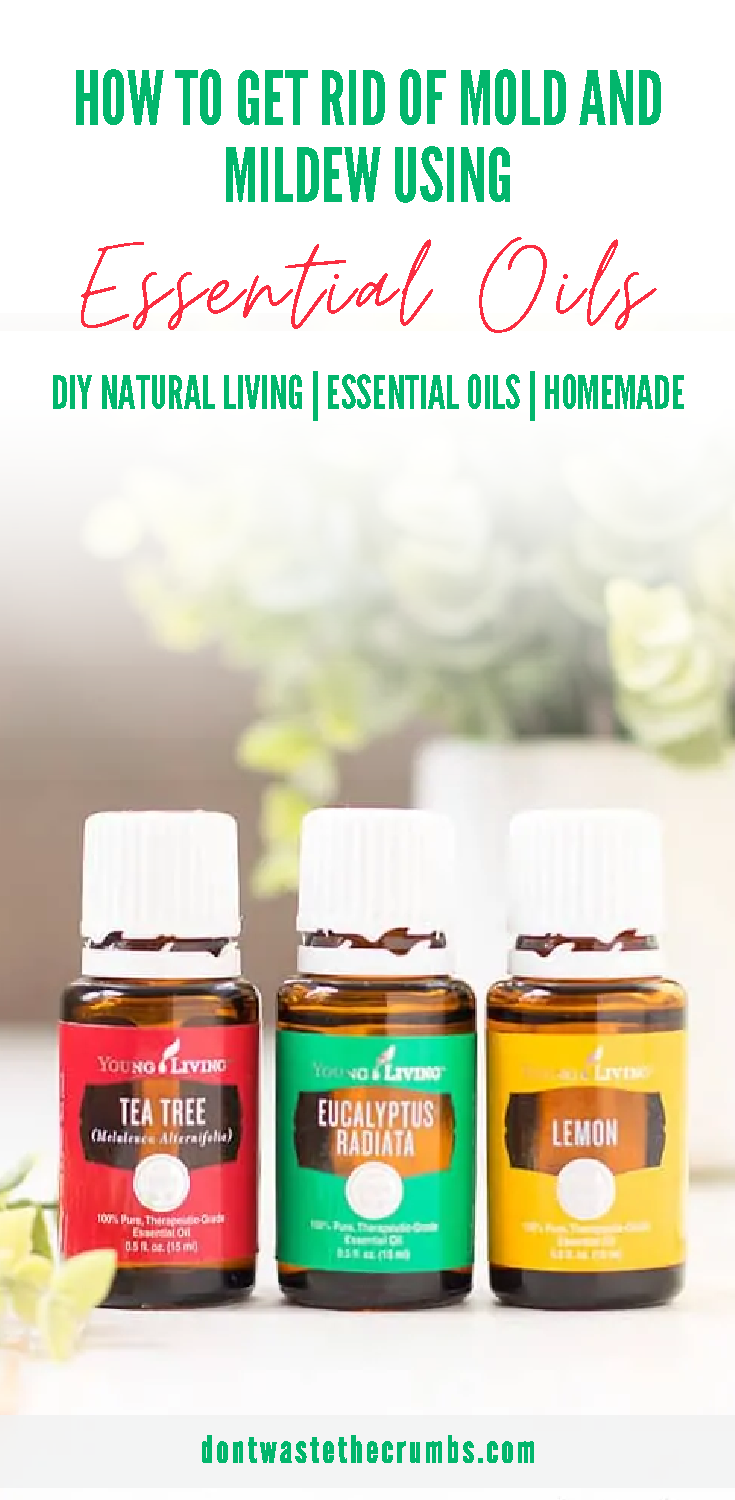
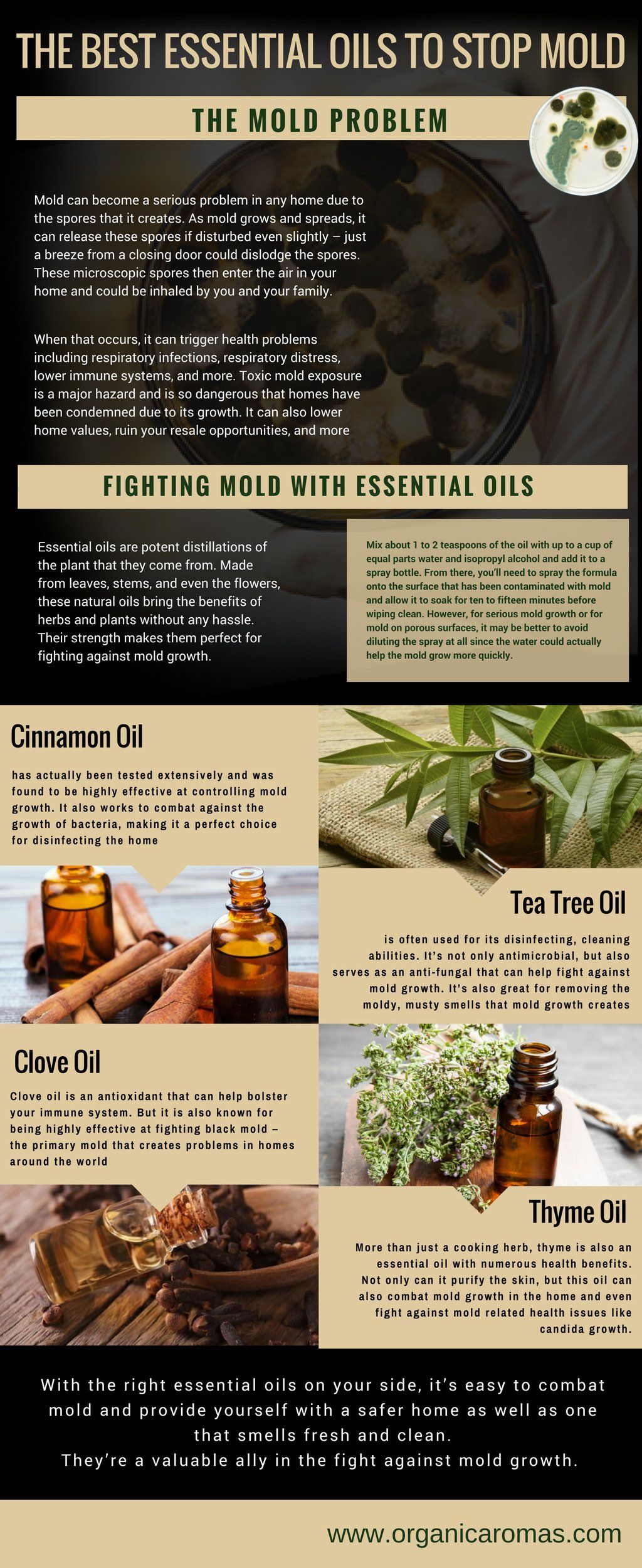
Not all essential oils are created equal when it comes to fighting mold. Some have stronger antifungal properties than others, and knowing which ones to use can make all the difference. Here’s a look at the most effective options:
• Tea Tree Oil: Widely considered the gold standard for antifungal properties, tea tree oil has been tested against numerous mold species. Its active compound, terpinen-4-ol, makes it particularly effective.
• Lavender Oil: Beyond its calming aroma, lavender offers impressive antifungal capabilities. It’s gentle enough for regular use while still being powerful against mold.
• Eucalyptus Oil: This fresh, clean scent comes with strong antimicrobial properties that can prevent mold from taking hold.
• Oregano Oil: Though potent, oregano oil packs a serious punch against mold and fungi. It’s best used sparingly due to its strength.
• Clove Oil: Contains eugenol, which has shown effectiveness against various mold strains. It’s especially useful in high-humidity areas.
Each oil has its own unique profile and application method. For instance, tea tree oil works well in spray bottles mixed with water, while clove oil might be better suited for targeted treatment spots. The beauty of using essential oils is that you can rotate between different ones to prevent mold from developing resistance.
How to Create Effective Mold-Prevention Sprays
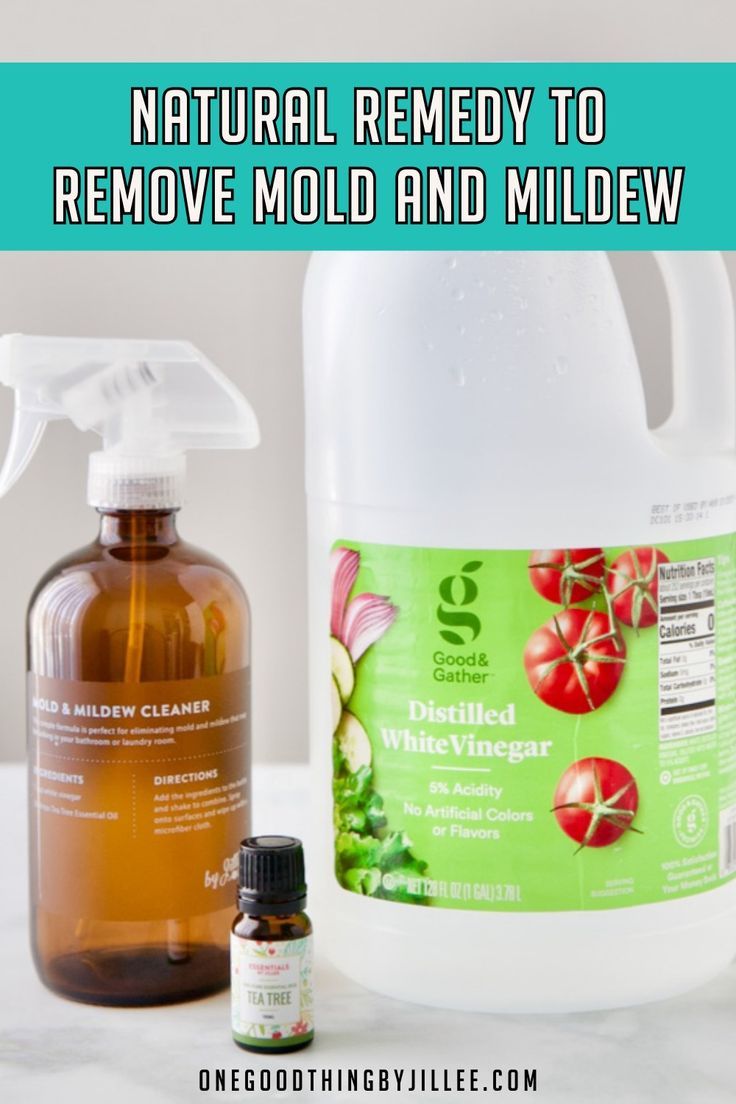
Making your own mold prevention spray is surprisingly simple and can save you money while giving you control over exactly what goes into your cleaning solution. The basic recipe involves combining essential oils with water and a small amount of carrier substance to help the oils mix properly. A typical mixture might include 10 drops of tea tree oil, 5 drops of lavender oil, and 1 cup of water in a spray bottle. The carrier helps the oils disperse evenly across surfaces. It’s important to shake the bottle well before each use since oils don’t fully dissolve in water. Some people add a few drops of white vinegar to enhance the cleaning power. The key is consistency—spraying regularly in problem areas keeps mold at bay. Many users report success by spraying weekly in bathrooms and basements. The timing matters too; applying the spray during drier periods allows it to dry faster and reduces the chance of leaving moisture behind that could encourage mold growth. Some experts recommend testing the spray on a small area first to ensure it doesn’t damage sensitive surfaces.
Safe Application Methods and Precautions
While essential oils are generally safe, proper usage is crucial for both effectiveness and safety. Always dilute oils in water or another carrier before applying them to surfaces. Undiluted oils can be irritating to skin and may damage certain materials. When using in enclosed spaces, good ventilation is essential. The strong aromas can be overwhelming, and some people are sensitive to certain scents. It’s also wise to do a patch test on any surface before full application. Some woods or fabrics might react negatively to essential oils. Consider the timing of your treatments too. Applying sprays in the morning or early afternoon gives you time to ventilate the space properly. Never spray directly on electronics or delicate items. And remember, even though these are natural products, they’re still concentrated substances that require respect. Children and pets should be kept away from treated areas until the spray has completely dried. If you experience any irritation, discontinue use immediately and consult with a healthcare provider.
Real-Life Success Stories and Case Studies
The evidence isn’t just theoretical—many people have seen real results from using essential oils for mold prevention. Sarah, a homeowner in Florida, had been struggling with persistent mold in her bathroom despite frequent cleaning. After switching to a weekly tea tree and lavender spray routine, she noticed a significant improvement within two weeks. Her family’s respiratory issues, which had been attributed to the mold, began to ease. Another case involved a small business owner who used eucalyptus and oregano oils in their office spaces. They reported fewer sick days among employees and a noticeable reduction in musty smells throughout the building. These aren’t isolated incidents. Research conducted at several universities has confirmed that certain essential oils can reduce mold populations by up to 90% in controlled environments. The key seems to be consistent application and targeting the right areas. Many users find that combining essential oils with other preventive measures, like improving ventilation and controlling humidity levels, creates the most effective defense strategy.
Limitations and When to Seek Professional Help
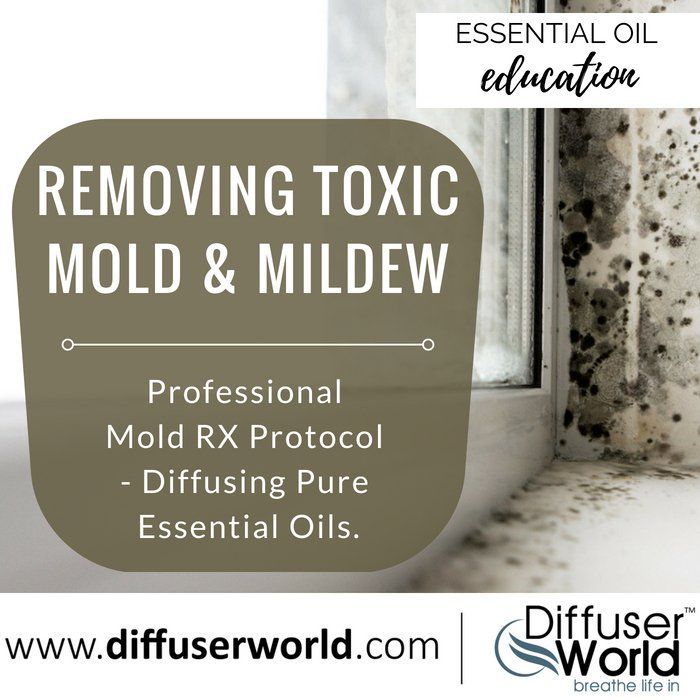
Despite their benefits, essential oils aren’t a magic bullet for every mold situation. Large infestations, especially those involving black mold or toxic varieties, require professional attention. When you see extensive growth, or when mold covers large areas of walls or ceilings, it’s time to call in the experts. Professional remediation is necessary when mold has penetrated deep into building materials or when there are health concerns for vulnerable individuals. Essential oils work best as preventive measures rather than cure-all solutions. They’re excellent for maintaining clean environments and stopping small problems from growing larger. However, if you notice signs like persistent headaches, respiratory issues, or visible mold in places like HVAC systems, it’s crucial to get proper inspection and treatment. Some situations might require specialized equipment and containment procedures that go beyond what DIY methods can provide. The goal isn’t to replace professional services entirely but to understand when they’re needed. Think of essential oils as part of a comprehensive approach to mold management, not the sole solution. Sometimes, a combination of natural prevention and professional intervention creates the best outcome for both your health and your property.
Essential oils represent a promising natural approach to preventing mold growth in our homes and workplaces. While they may not solve every mold problem, they offer a safer, more sustainable alternative to harsh chemical cleaners. By understanding which oils work best, how to apply them safely, and when to seek additional help, you can take meaningful steps toward a healthier living environment. The key is consistency and smart application. Whether you’re tackling a minor issue or implementing a preventive routine, these powerful plant compounds provide a bridge between traditional cleaning and natural wellness. The next time you encounter that telltale musty smell, consider reaching for a simple spray instead of a chemical-laden product. Your lungs, your family, and your home will thank you. The journey toward mold-free living doesn’t have to be complicated or expensive. Sometimes the most powerful solutions come from the simplest ingredients, right from nature’s own pharmacy.