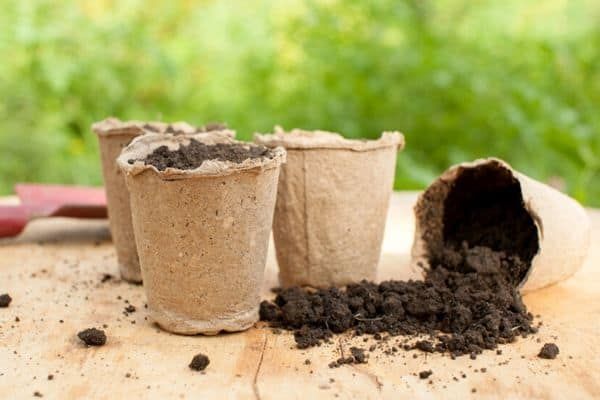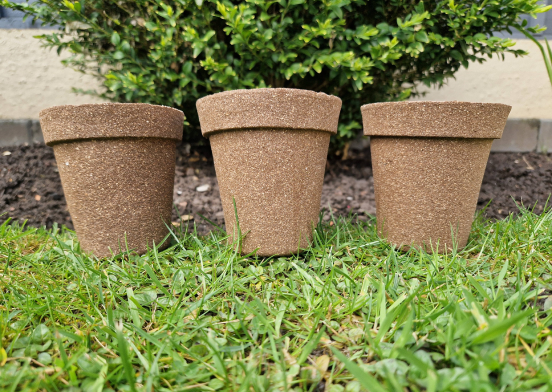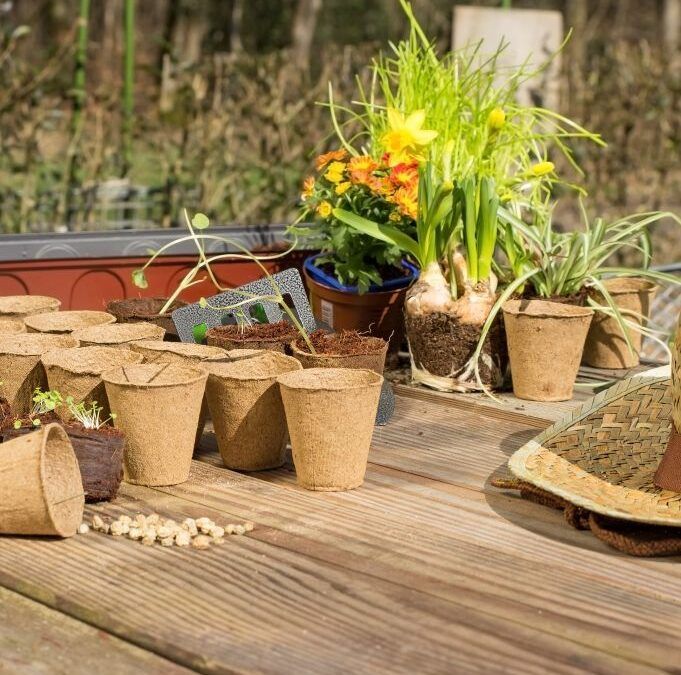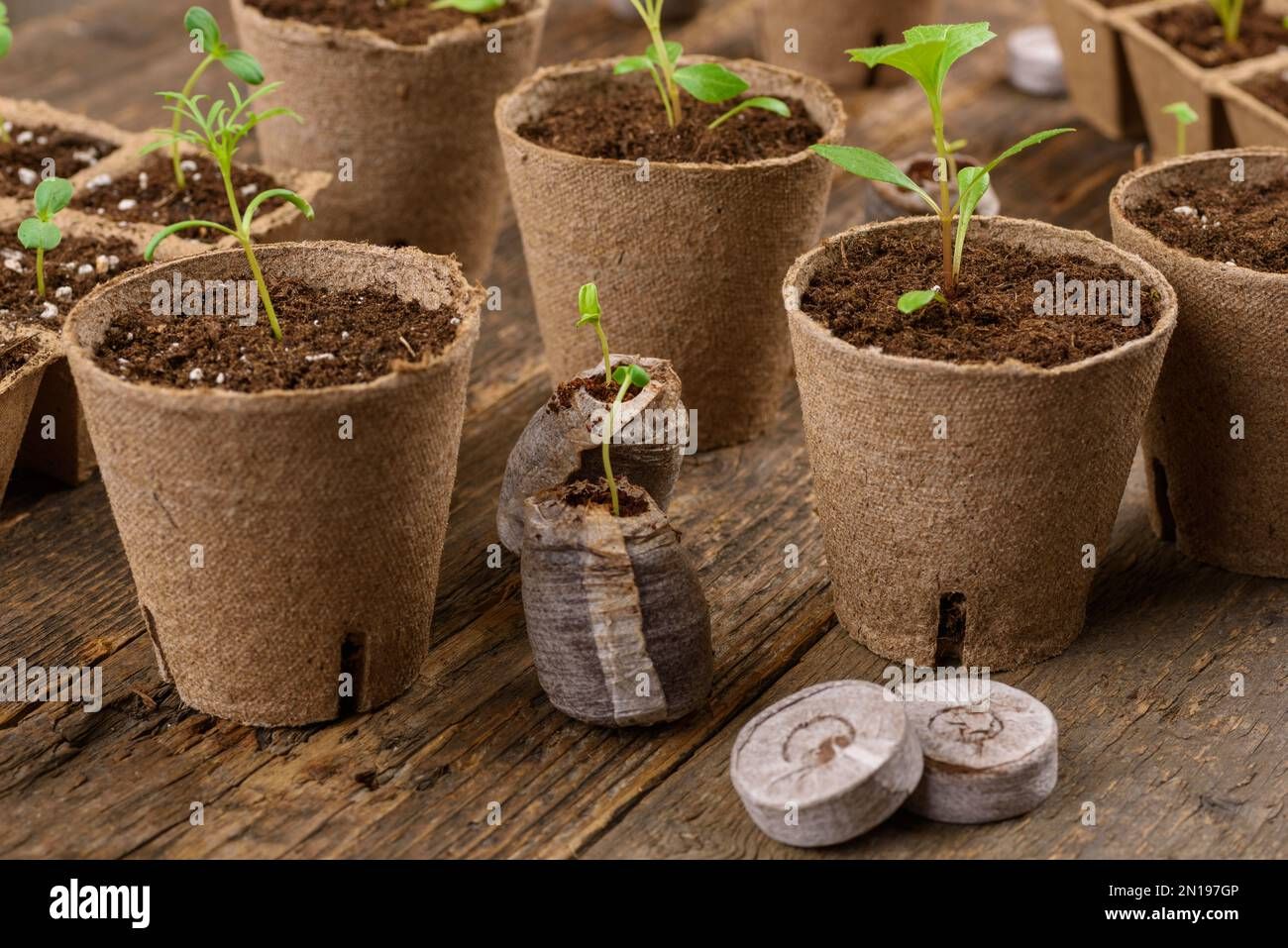
You’ve probably heard the buzz about compostable plant pots, but how many of them actually deliver on their promises? Whether you’re starting seeds indoors or transplanting seedlings outdoors, the right pot can make all the difference in your gardening success. These little containers aren’t just trendy – they can be genuinely helpful if you choose the right ones.
Gardeners everywhere are looking for ways to reduce waste while still giving their plants the best start possible. Small compostable plant pots have emerged as a popular solution, promising both environmental benefits and practical advantages. But let’s be honest – not every compostable pot lives up to its billing. Some fall apart during transplanting, others don’t provide adequate drainage, and a few even end up harming the plants they’re supposed to help. The key lies in understanding what makes a good compostable pot versus a disappointing one. We’re going to break down everything you need to know about choosing, using, and getting the most from these eco-friendly containers.
What Makes a Good Compostable Pot
A truly effective compostable pot needs to meet several criteria. First, it must be strong enough to handle the weight of soil and growing plants without breaking apart. Think about it – you want something that will support your seedling through its early vulnerable stages. Second, the material should break down naturally in your garden without leaving harmful residues. Third, it needs to allow proper air circulation and drainage. Many gardeners forget that roots still need oxygen, even when they’re in containers. The best compostable pots strike a balance between durability and biodegradability. They’re designed to last long enough to support healthy plant growth while eventually dissolving into the earth. Consider the thickness of the material, the type of fiber used, and how well it handles moisture. A good pot won’t become soggy and mushy too quickly, nor will it remain intact for months after transplanting.
Popular Types of Compostable Materials
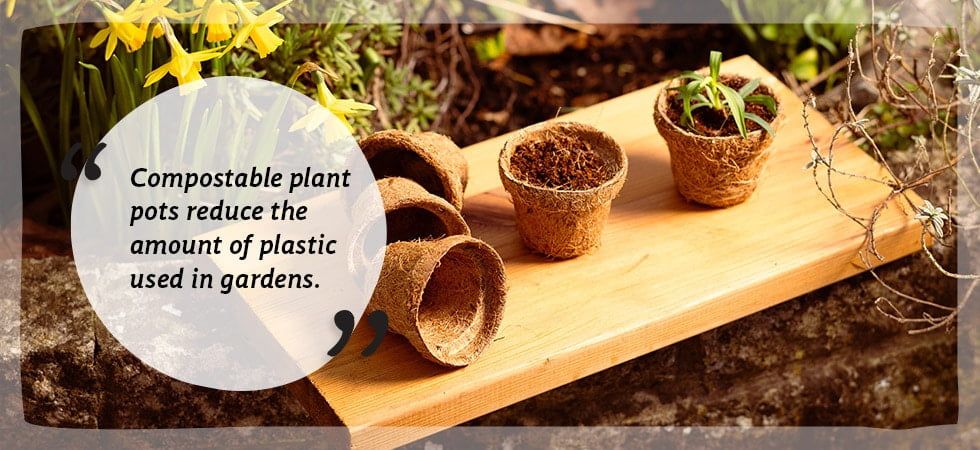
The market offers various compostable materials, each with unique properties. Peat pots have been around for decades and are still widely used. They’re made from compressed peat moss and generally break down within a few weeks. However, some gardeners prefer alternatives due to concerns about peat harvesting. Coconut coir pots are gaining popularity because they’re renewable and often more stable than peat. Made from coconut husks, these pots tend to last longer and offer better structural integrity. Cardboard and paper pots are another option, though they may not be ideal for outdoor use since they can get soggy. Wheat straw and rice hull pots are becoming more common, offering natural alternatives that decompose well. The key is matching the material to your specific needs. For example, if you’re dealing with heavy soils or need extra strength, you might lean toward coconut coir or wheat straw. For lighter soils and indoor starts, cardboard or paper could work fine.
Proper Planting Techniques
Using compostable pots correctly can make or break your gardening success. When planting, always ensure the pot is fully moistened before adding soil and seeds. This helps prevent the container from drying out too quickly. Fill the pot to about ¾ full, leaving room for the seedling to grow. Plant seeds at the depth recommended for each variety, then cover lightly with soil. Water gently but thoroughly, ensuring the entire root zone gets moisture. One common mistake is overwatering, which can cause the pot to break down too quickly or lead to root rot. Another critical tip is to plant slightly deeper than you would in a regular pot. This gives the roots room to establish themselves before they encounter the outer container. When transplanting, you can either remove the pot entirely or simply plant around it, allowing the roots to penetrate through the walls. The key is to avoid disturbing the root ball too much.
Common Mistakes to Avoid
Many gardeners make rookie errors when working with compostable pots. One major mistake is assuming all compostable pots are created equal. Some are designed specifically for indoor use, while others handle outdoor conditions better. Another frequent error is not checking the decomposition timeline before planting. If you’re planning to move plants outdoors, you want to make sure the pot will break down at the right time. Using too much water is also problematic, especially with paper or cardboard pots. These materials can become waterlogged and lose their structure quickly. Planting too shallowly can result in unstable seedlings that easily topple over. Finally, many gardeners don’t account for the fact that some pots may require pre-soaking before planting. Always read the instructions carefully and consider your local climate conditions.
Best Practices for Different Conditions
The right compostable pot depends heavily on your growing conditions. In areas with heavy rainfall, you’ll want pots that can handle moisture without falling apart. Coconut coir and wheat straw pots often work best here. For dry climates, paper or cardboard might be sufficient, though you’ll need to monitor watering more carefully. Indoor starts benefit from lightweight paper or peat pots that break down easily when transplanted. Outdoor situations demand more robust materials like coconut coir or specialized biodegradable containers. Temperature extremes can affect how quickly pots decompose, so consider your local weather patterns. If you’re starting seeds in a greenhouse or cold frame, you might use different pots than those intended for direct outdoor planting. Seasonal timing matters too – early spring starts might need more durable containers than late summer transplants.
Cost vs. Benefit Analysis
Compostable pots do cost a bit more than traditional plastic or paper containers, but the benefits often justify the price. Consider the environmental impact, reduced waste, and potential savings on soil amendments. You might spend a little extra upfront, but you’re investing in sustainable gardening practices that can benefit your garden long-term. Compare prices across different suppliers and brands, but don’t base your decision solely on cost. Quality matters significantly when it comes to compostable pots. A cheap pot that falls apart during transplanting can cause more problems than it solves. Factor in the time saved by not having to remove and dispose of containers separately. Many gardeners find that the convenience and environmental benefits outweigh the additional expense. Look for bulk purchasing options or seasonal sales to stretch your budget further. The investment in quality compostable pots often pays off in healthier plants and less garden maintenance.
Small compostable plant pots can be genuine game-changers for gardeners who want to reduce waste while maintaining healthy plants. The key is understanding what works and what doesn’t. Choose pots made from appropriate materials for your specific situation, plant them correctly, and avoid common pitfalls. While they might seem like a small change, switching to compostable pots represents a meaningful step toward more sustainable gardening practices. Whether you’re a beginner or experienced gardener, these containers offer practical benefits that extend beyond simple environmental consciousness. The right compostable pot can help you grow stronger, healthier plants while reducing your ecological footprint. Give them a try, experiment with different materials, and see which ones work best for your particular garden setup. Your plants – and the planet – will thank you for it.