When we think about caring for trees and forests, we often focus on the plants themselves. But what about the tools we use? The humble chainsaw might seem like just another piece of equipment, but it’s actually a major player in our environmental story. From the moment it’s manufactured to when it’s disposed of, every chainsaw leaves a footprint. And that footprint isn’t always green.
Picture this: you’re out in the woods, ready to prune some branches to keep a tree healthy. You grab your chainsaw – maybe even one passed down from your grandfather. It’s reliable, familiar, and gets the job done. But have you ever stopped to think about what happens to that chainsaw after you’re done with it? Or even better, what impact it has on the environment while you’re using it? These questions are becoming increasingly important as we face mounting environmental challenges. The chainsaw industry is undergoing a quiet revolution, one that’s focused not just on performance, but on protecting the very ecosystems we’re trying to preserve. This shift toward sustainability isn’t just about doing good – it’s about doing smart.
The Hidden Environmental Cost of Traditional Chainsaws
Traditional chainsaws, especially those powered by gasoline engines, carry a surprisingly heavy environmental burden. Let’s start with the obvious – they emit pollutants directly into the air. A single gas-powered chainsaw can produce more emissions than a small car does in a day. These emissions include carbon monoxide, nitrogen oxides, and volatile organic compounds that contribute to smog and respiratory issues.
But the problems go deeper than just air quality. Manufacturing these machines requires massive amounts of resources. Steel, aluminum, plastic components, and rare earth elements all need to be mined, processed, and transported. The energy required to create each chainsaw is substantial – roughly equivalent to running a household appliance for several weeks.
Then there’s the issue of waste. Many old chainsaws end up in landfills where their metal parts can leach toxic substances into soil and groundwater. The plastic components often take centuries to break down naturally. And let’s not forget the fuel itself – gasoline is a finite resource that contributes to climate change when burned. When you consider all of this, it becomes clear that traditional chainsaws aren’t just tools, they’re environmental time bombs waiting to detonate.
Sustainable Chainsaws: A Cleaner Alternative
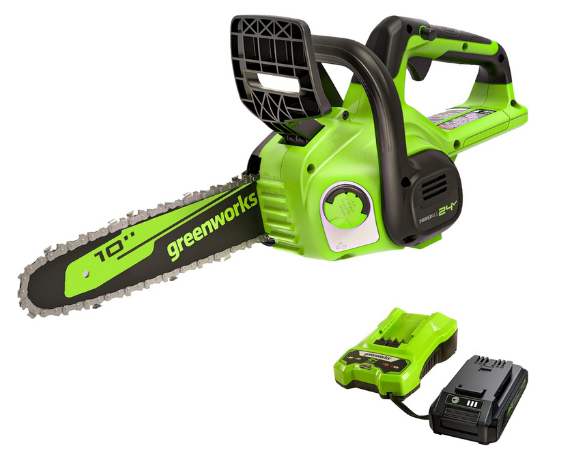
Thankfully, the industry is starting to respond to these concerns. Sustainable chainsaws represent a significant leap forward in environmental responsibility. These machines typically run on electricity instead of gasoline, eliminating direct emissions entirely. Electric models also tend to be quieter, which means less noise pollution for both operators and wildlife.
The manufacturing process for sustainable chainsaws is also more eco-friendly. Many companies now use recycled materials in their construction. Some even incorporate biodegradable plastics made from plant-based sources. The production of electric motors requires fewer raw materials than traditional engines, reducing overall resource consumption.
But perhaps most importantly, sustainable chainsaws offer a cleaner disposal path. Since they don’t contain harmful fuels or toxic oils, they’re much easier to recycle at the end of their life cycle. Many manufacturers now offer take-back programs where old units are properly dismantled and their components reused or recycled.
Consider this example: a typical electric chainsaw uses about 1/10th the energy of its gas-powered counterpart. That might not sound like much, but if every gardener and arborist switched to electric models, the collective savings would be enormous.
How Sustainable Chainsaws Work Differently
The technology behind sustainable chainsaws is fascinating. Instead of combustion engines, they rely on electric motors powered by batteries or wall outlets. This simple change has profound implications for the environment.
Battery-powered chainsaws, in particular, have evolved significantly. Modern lithium-ion batteries offer impressive power-to-weight ratios, allowing these tools to perform tasks that were once impossible with their gas-powered predecessors. They also charge quickly and can operate for hours on a single charge.
The charging infrastructure is another advantage. When you plug in an electric chainsaw, you’re essentially using renewable energy sources if you have solar panels or wind power. Many manufacturers are even beginning to offer solar charging options for their battery-powered tools.
Another key difference is maintenance. Gasoline engines require regular oil changes, fuel filters, and spark plugs. Electric motors have far fewer moving parts and virtually no maintenance requirements. This means less frequent replacement parts and reduced waste over time.
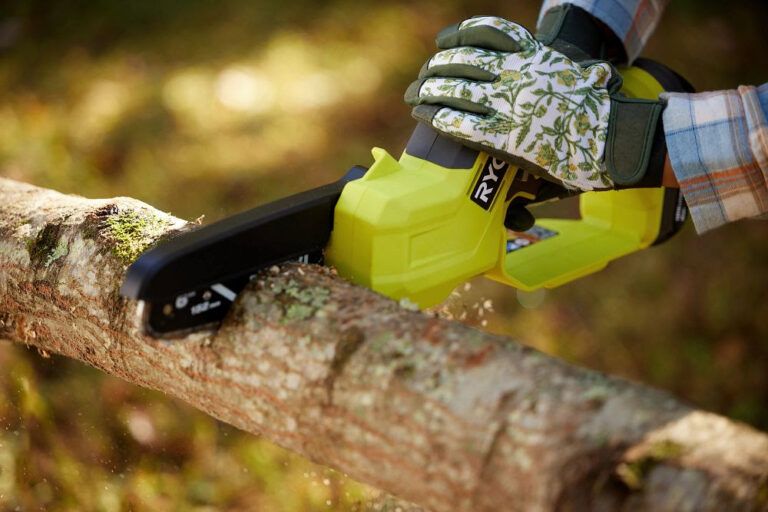
The user experience is also improved. Electric chainsaws are generally lighter, quieter, and easier to start. No more struggling with pull cords or worrying about fuel mixing ratios. They’re also safer to operate since there’s no risk of fuel spills or overheating.
Real-World Impact: Case Studies
Let’s look at some concrete examples of how sustainable chainsaws are making a difference. In Portland, Oregon, the city government decided to switch all municipal tree care operations to electric chainsaws. The results were impressive. Within just one year, they reduced their carbon emissions by 40% and cut their fuel costs by nearly 80%.
Another example comes from a family-owned nursery in Vermont. They’ve been using electric chainsaws exclusively for five years now. Their owner, Sarah Mitchell, reports that her team’s productivity hasn’t decreased at all – in fact, they find the electric models more comfortable to use for extended periods. Plus, her customers love the reduced noise levels during work hours.
In rural areas, the impact is equally significant. A study conducted across several European countries found that farmers who switched to electric chainsaws saw a 60% reduction in operating costs and a 75% decrease in maintenance needs. The environmental benefits were even more dramatic – local air quality improved noticeably in areas where these switches occurred.
One particularly interesting case involved a large forest management company in British Columbia. They began using hybrid-electric chainsaws for their work. These machines can switch between electric and gas power depending on the task. The result? They reduced fuel consumption by 90% while maintaining full operational capability.
Challenges and Limitations
Of course, sustainable chainsaws aren’t perfect. There are still some limitations that need to be addressed. Battery life remains a concern for many users. While modern lithium-ion batteries have improved dramatically, they still can’t match the runtime of gas engines for extended work sessions. This is particularly challenging for professionals who work long days in remote locations.
Cost is another barrier. Electric chainsaws typically cost more upfront than traditional models. A high-quality electric chainsaw can cost $500 to $1,000, compared to $200 to $400 for a comparable gas model. However, when you factor in maintenance, fuel, and replacement costs over time, the electric models often prove more economical.
Charging infrastructure also matters. Not everyone has access to reliable electrical outlets, especially in remote forest areas. Some manufacturers are addressing this with portable generators and solar charging solutions, but these add complexity and cost.
Weather conditions can affect battery performance too. Cold temperatures can significantly reduce battery life, which is problematic for outdoor work in winter months. Some newer models include heating elements and thermal management systems to combat this issue.
There’s also the challenge of public perception. Many people still associate gas-powered tools with power and reliability. Changing this mindset takes time and education. Industry leaders are working on demonstrating that electric tools can handle demanding jobs just as well as their predecessors.
Making the Switch: Practical Tips
If you’re considering switching to sustainable chainsaws, here are some practical steps to help you get started:
• Start with your usage patterns. If you primarily use your chainsaw for light pruning tasks around the home, an electric model will likely meet your needs perfectly.
• Consider your work environment. If you’re working in remote locations with limited electricity access, you might want to look at battery-powered models with extended runtime capabilities.
• Evaluate your budget carefully. While initial costs may be higher, calculate the total cost of ownership including maintenance, fuel, and replacement parts over a three-year period.
• Look for models with good reviews from professionals who have made similar transitions. User experiences can provide valuable insights.
• Check if your local area offers incentives for switching to electric tools. Many municipalities offer rebates or tax credits for environmentally friendly equipment purchases.
For professionals, the transition might involve:
• Training staff on new operation techniques
• Investing in proper charging infrastructure
• Establishing maintenance protocols for electric components
• Developing new workflows that account for battery limitations
One helpful tip is to start with a smaller, less expensive electric model to test the waters before committing to a larger investment. This approach allows you to evaluate performance and build confidence in the technology.
The choice between traditional and sustainable chainsaws goes beyond personal preference or budget considerations. It represents a fundamental shift in how we approach environmental stewardship. Every time we choose a cleaner tool, we’re voting for a healthier planet. Sustainable chainsaws offer a practical way to protect our forests, improve air quality, and reduce our carbon footprint without sacrificing performance.
As technology continues to advance, we can expect even better electric and hybrid models to emerge. The key is staying informed and making choices that align with our values. Whether you’re a homeowner maintaining your garden or a professional managing large-scale tree care operations, the environmental impact of your tools matters.
The future of pruning tools isn’t just about getting the job done efficiently – it’s about getting the job done responsibly. As more people make the switch to sustainable chainsaws, we’ll see a cumulative positive effect that extends far beyond individual users. We’re not just changing tools; we’re changing the way we interact with nature. And that’s something worth celebrating.