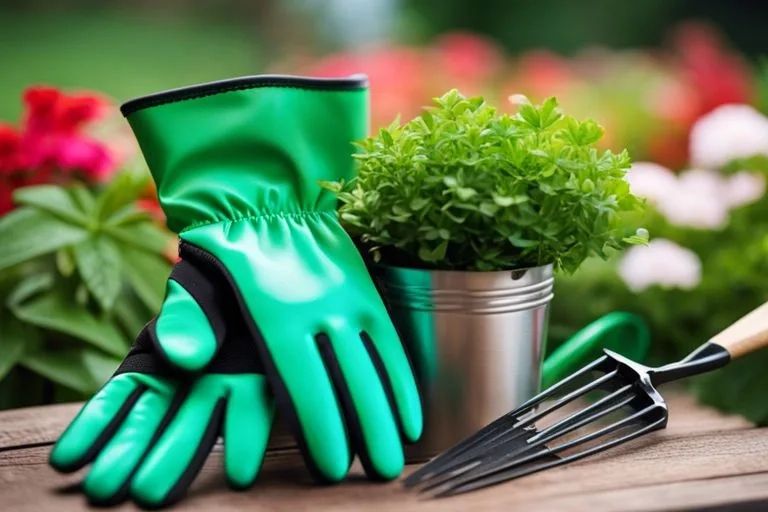
There’s something deeply satisfying about getting your hands dirty in the soil, feeling the earth’s texture beneath your fingertips. But when you’re a woman gardener, finding gloves that protect your hands while still allowing you to feel the plants you’re nurturing can feel like searching for a needle in a haystack. The good news? Sustainable options exist that actually work. Let’s explore what makes a glove truly eco-friendly, comfortable, and protective.
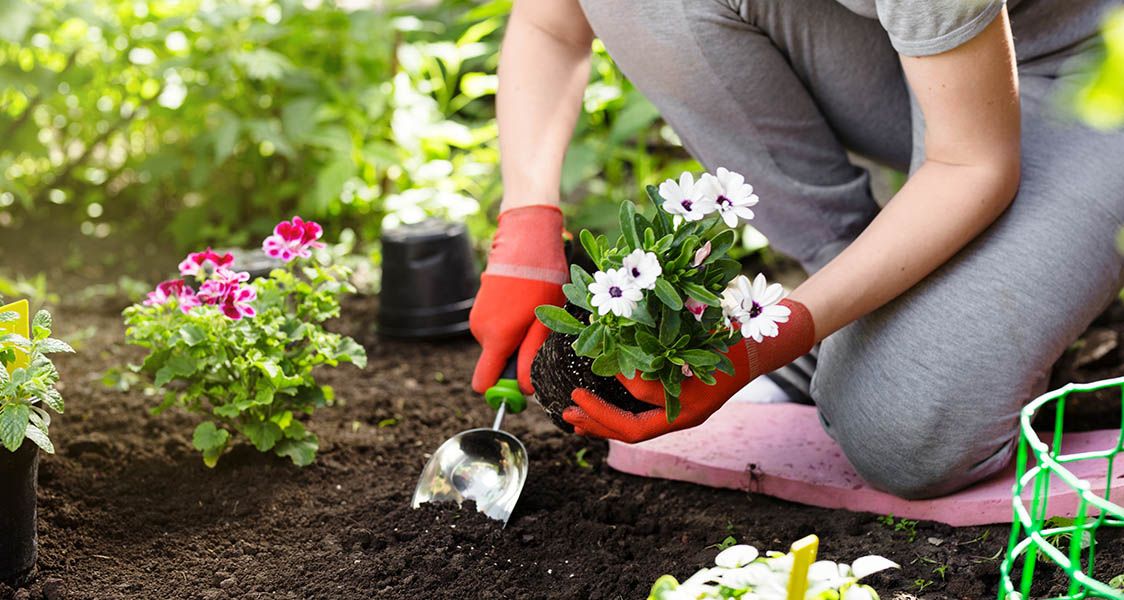
Gardening is more than just a hobby or a way to grow food—it’s a form of meditation, a connection to nature, and often a source of deep personal satisfaction. For many women, this connection happens through their hands, feeling the soil, the leaves, and the fruits of their labor. But gardening can also mean dealing with thorns, sharp edges, and chemicals that can harm your skin. This is where choosing the right eco-friendly gloves becomes crucial. These aren’t just about looking good—they’re about protecting your hands while staying true to your environmental values. The right pair can make all the difference between a frustrating gardening session and one where you feel confident and protected.
What Makes a Glove Eco-Friendly?
When we talk about eco-friendly gardening gloves, we’re looking at materials and production methods that have minimal impact on the environment. Natural rubber, organic cotton, and recycled materials are common choices. But it’s not just about what they’re made of—it’s also about how they’re made. Some brands use sustainable manufacturing processes that reduce water usage and avoid harmful chemicals. The lifecycle of the glove matters too. Will it biodegrade? Can it be recycled? Are the dyes non-toxic? These questions help us determine if a glove truly lives up to its eco-friendly promises. Think of it like choosing organic produce—the same care and consideration should apply to what we put on our hands.
Comfort That Doesn’t Compromise Protection
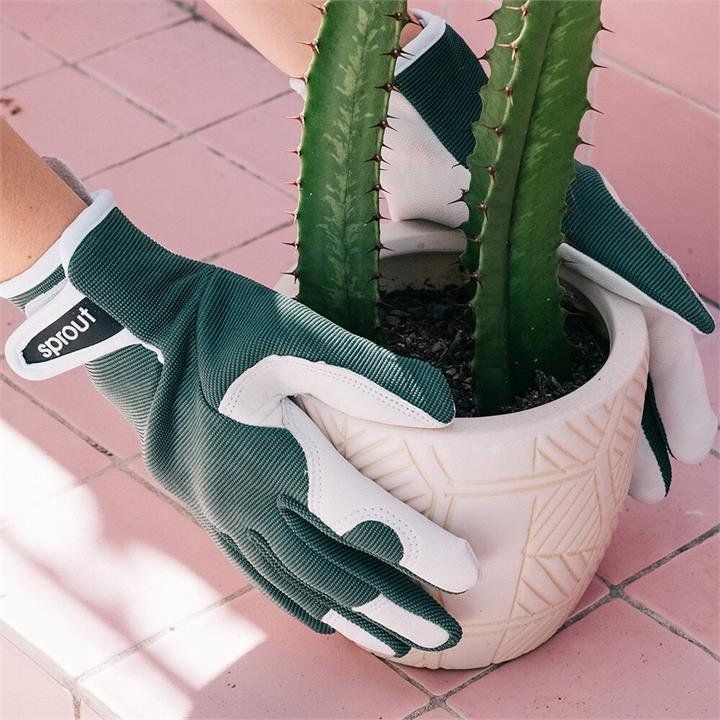
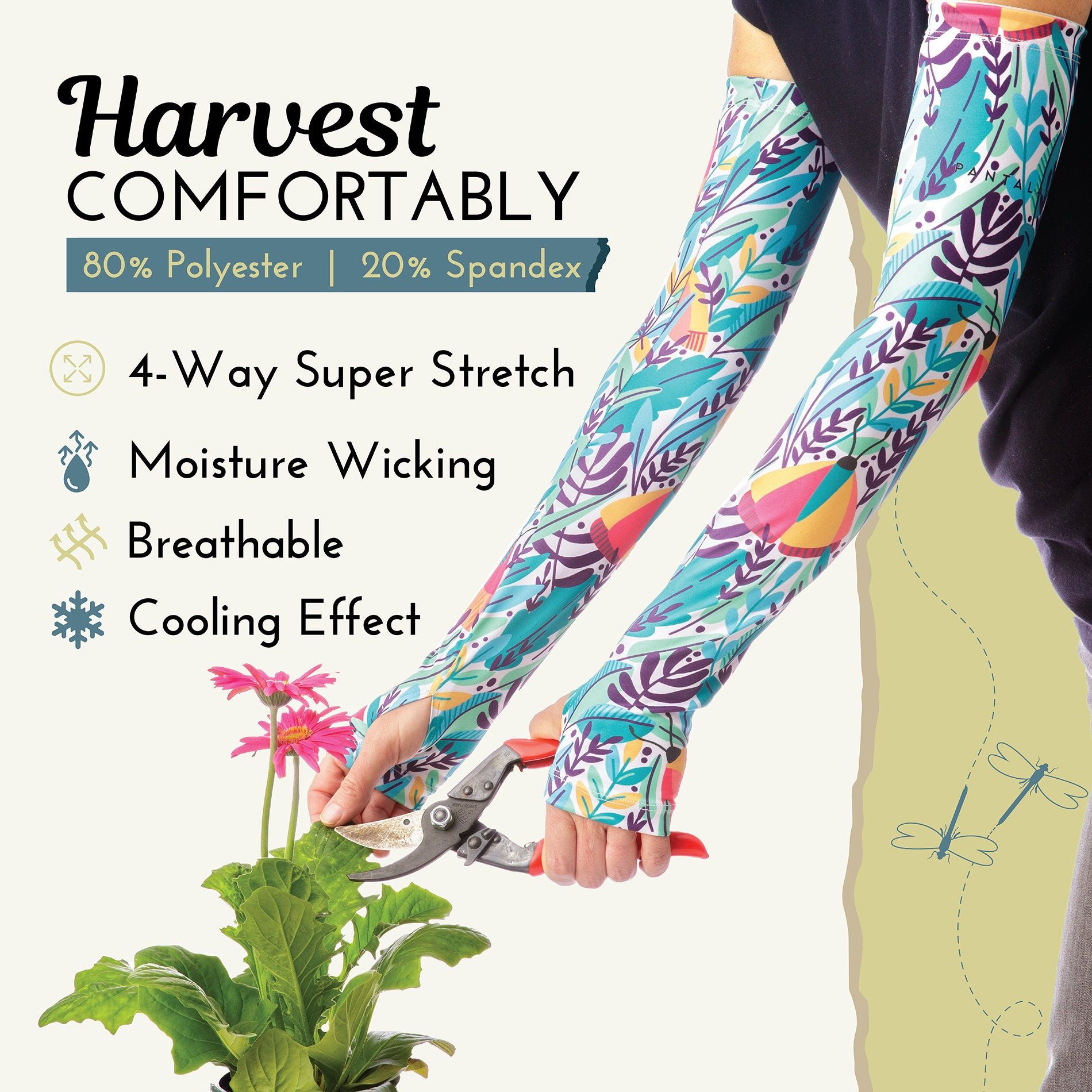
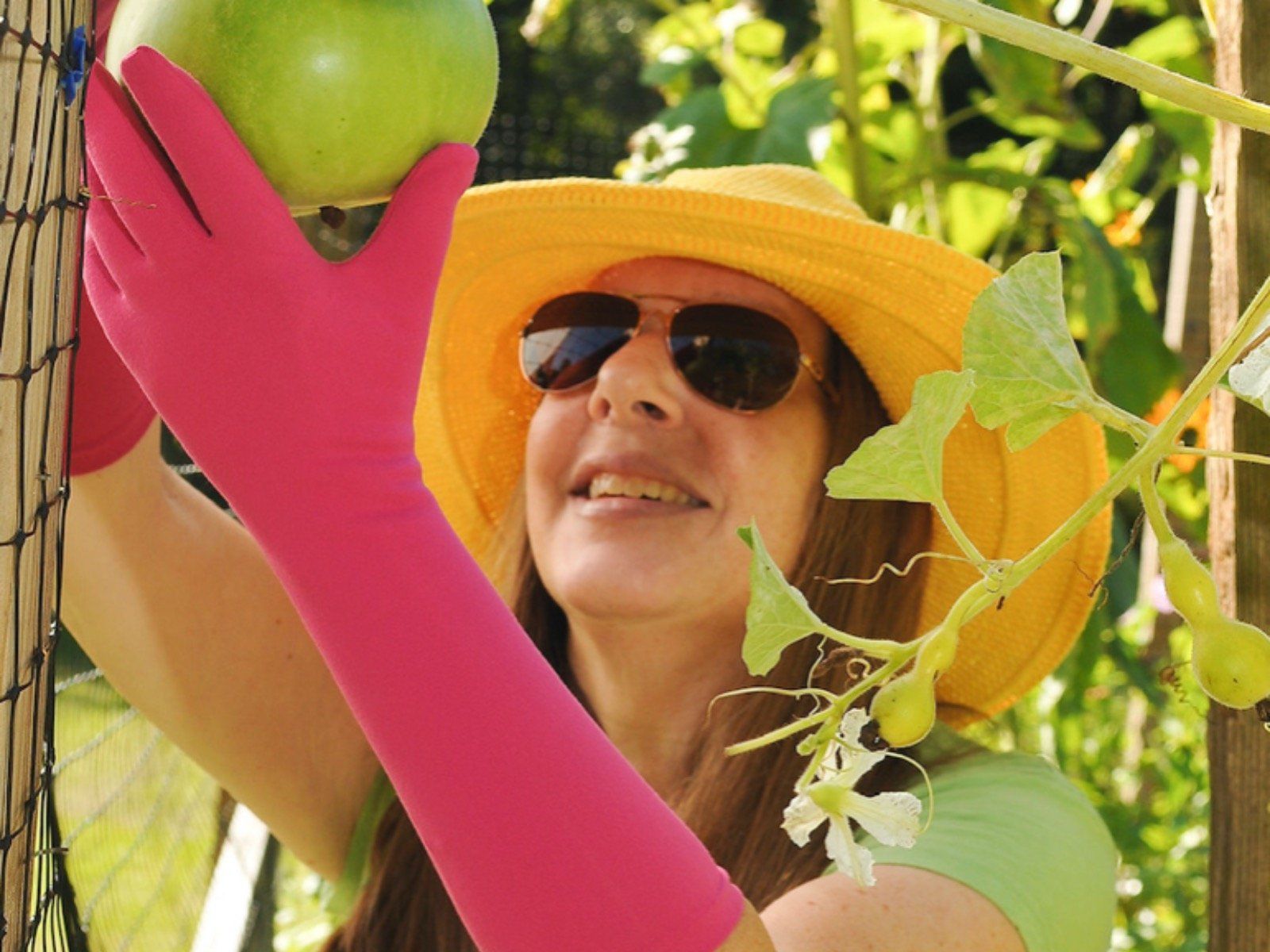
The best eco-friendly gloves strike a balance between comfort and protection. Women’s hands are often smaller and more delicate than men’s, so a glove that fits properly is essential. You want something that allows for dexterity while still offering protection from thorns, cuts, and harsh chemicals. Breathability is another crucial factor—no one wants to garden in sweaty, uncomfortable gloves. Consider materials like bamboo fiber or organic hemp, which naturally wick moisture away from the skin. A glove that feels like a second skin, rather than a barrier, will make you want to spend more time in your garden.
Key Features to Look For
Not every eco-friendly glove is created equal. Here are some features that separate quality gloves from the rest:
• Fingertip sensitivity – You want to be able to feel what you’re touching
• Reinforced palms – For durability and protection against abrasion
• Elastic wrist closures – To keep dirt out and gloves secure
• Non-slip grips – Especially important for handling wet plants or tools
• Water-resistant properties – If you’re gardening in various weather conditions
These features might seem basic, but they’re what make a glove practical for daily use. When shopping, pay attention to the construction quality and think about how you’ll actually use the gloves.
Materials That Work Well for Women
Different materials offer different benefits, and understanding these can help you choose wisely. Natural latex is often praised for its durability and grip, but it can cause allergies in some people. Synthetic alternatives like nitrile offer similar protection without the allergic reactions. Organic cotton is soft and breathable, great for lighter tasks. Recycled polyester can provide strength and longevity. Some brands even combine materials for maximum benefit. For example, a glove might use organic cotton for the back of the hand and synthetic material for the palm. The key is knowing what works for your specific gardening needs and personal sensitivities.
Size Matters More Than You Think
This is probably the most overlooked aspect of glove selection. Ill-fitting gloves can be dangerous and uncomfortable. They might slip off during use, or worse, they could restrict blood flow. Women’s hands come in various sizes, and many gloves are designed with men’s hands in mind. Look for brands that specifically cater to women’s hand shapes. The fingers should fit snugly without being tight, and there should be enough room for your fingertips to move freely. Try them on before purchasing if possible. If you’re buying online, check return policies carefully. A glove that’s too big or too small won’t protect you properly and may actually increase your risk of injury.
Maintenance and Longevity
Eco-friendly gloves are an investment, so taking care of them properly extends their lifespan. Most can be hand washed with mild soap and air dried. Some even handle machine washing well. Avoid harsh detergents or bleach, which can damage the materials. Regular maintenance helps preserve the glove’s effectiveness and reduces the need for replacements. This is especially important for sustainable products—you want to get the most out of them before needing to buy new ones. Check the manufacturer’s care instructions, but generally, gentle cleaning and proper storage will keep your gloves in good condition for many gardening seasons.
Choosing eco-friendly gardening gloves isn’t just about being environmentally conscious—it’s about honoring the connection between your hands and the earth. When you invest in quality gloves that fit well, offer protection, and align with your values, you’re investing in yourself and your gardening experience. The right pair can transform your garden time from a chore into a pleasure. Remember, the best glove is the one that feels comfortable, protects effectively, and works with your unique hand shape. Take the time to find yours, and you’ll be rewarded with healthier hands and a deeper connection to your garden.