Imagine walking through a garden where every pot, tray, and growing medium tells a story of environmental responsibility. That’s exactly what’s happening today in the world of seedling containers. What started as a simple need for better plant propagation has blossomed into a full-blown movement toward sustainable gardening practices. This isn’t just about looking good in your backyard anymore – it’s about doing right by our planet.
When you think about starting plants from seeds, you probably picture small plastic trays with tiny holes and maybe some basic soil. But behind that familiar scene lies a quiet revolution that’s changing everything we know about gardening. It’s not just about convenience anymore – it’s about caring for the earth that nurtures our gardens. Every time someone chooses a biodegradable container over a plastic one, they’re making a statement. A statement that says: ‘I care about what happens after my plants grow.’ This shift represents more than just a trend – it’s a fundamental change in how we approach plant cultivation, one that balances our love of gardening with our responsibility to protect the environment.
Why Traditional Containers Fall Short
Let’s face it – traditional seedling containers have their problems. Most of them are made from petroleum-based plastics that take hundreds of years to break down. Picture this: you carefully tend to your seedlings, watching them grow strong and healthy. Then comes the moment of truth when you need to transplant them. What do you do? You carefully remove them from their plastic homes, often damaging delicate root systems in the process. These containers end up in landfills where they’ll sit for generations, slowly releasing toxins into the soil and groundwater.
But there’s more to the story. When you consider the entire lifecycle of a typical plastic seedling container, it becomes clear why this system isn’t sustainable. From manufacturing to disposal, each step contributes to environmental damage. The energy required to produce these items, the chemicals used in their creation, and the waste they generate all add up to a significant ecological footprint. Even the act of transporting these containers across the country creates carbon emissions that contribute to climate change. It’s a cycle that seems endless and wasteful.
The Rise of Biodegradable Alternatives
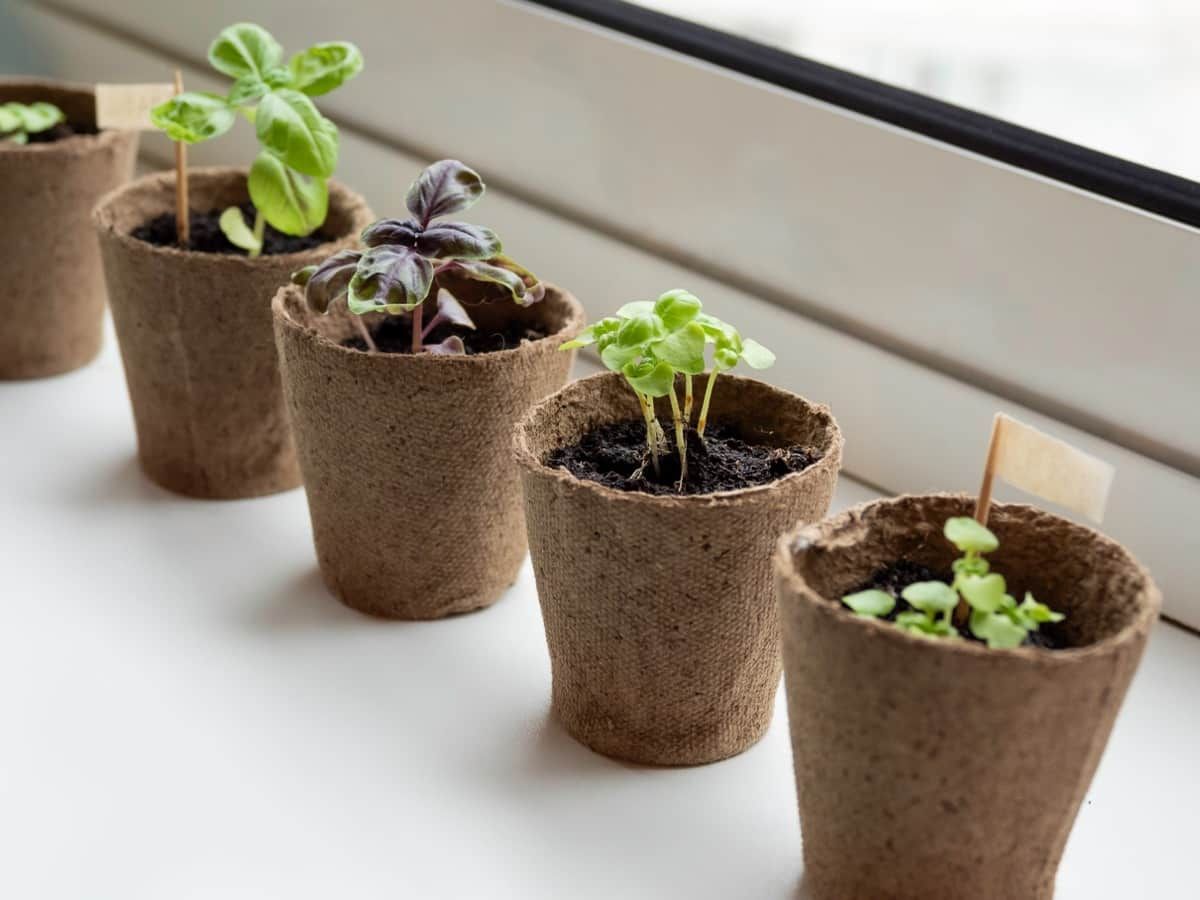
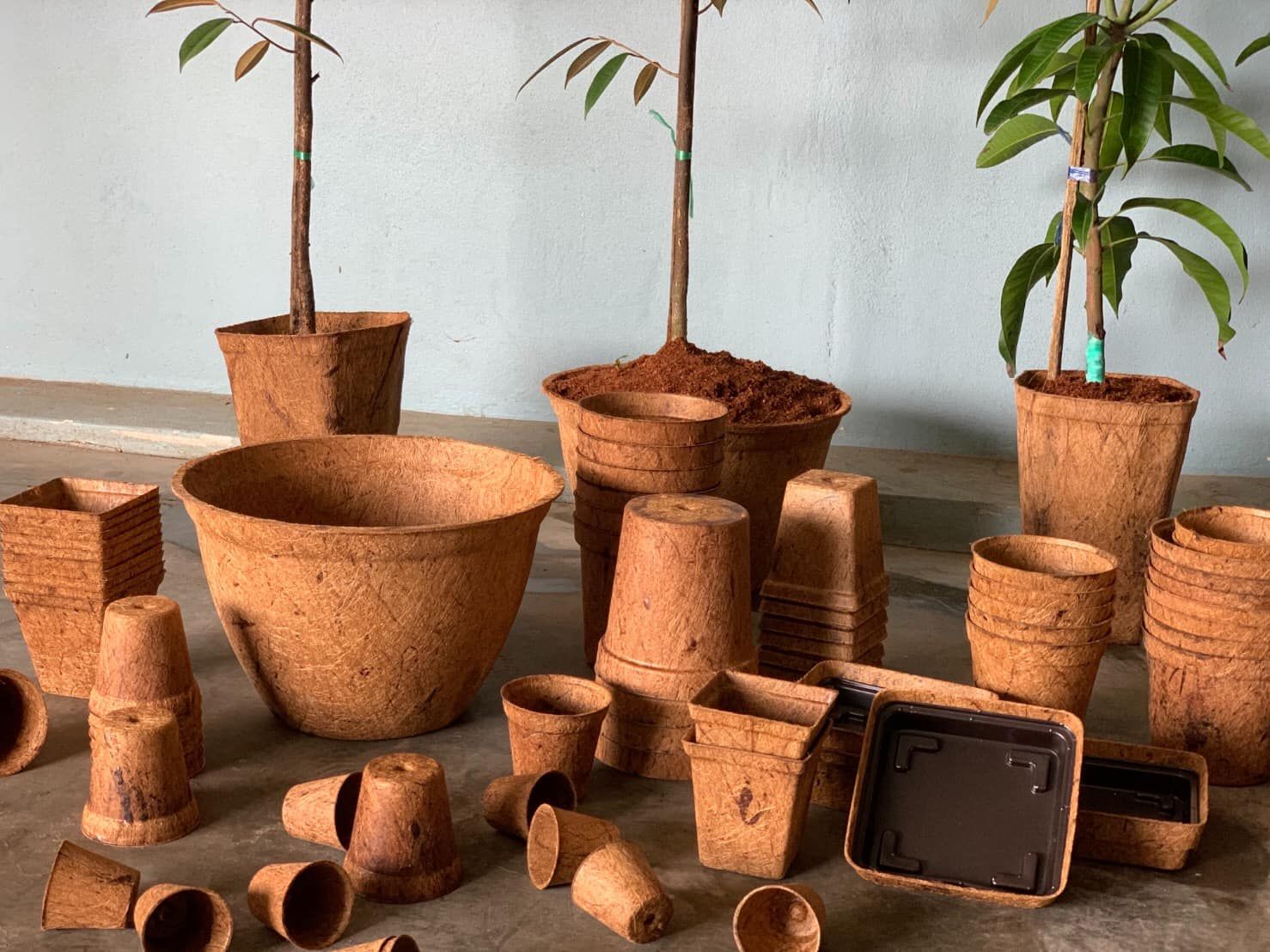
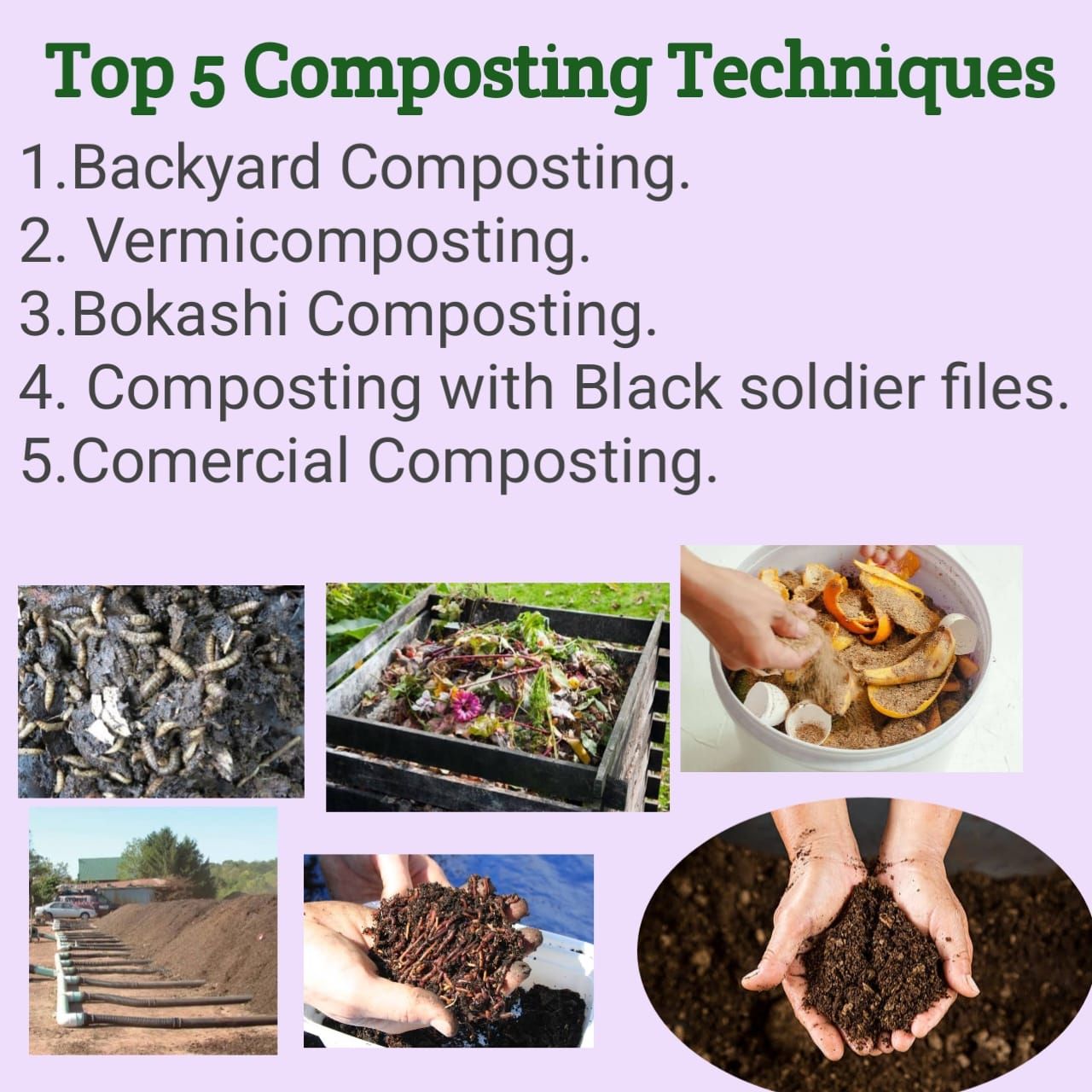
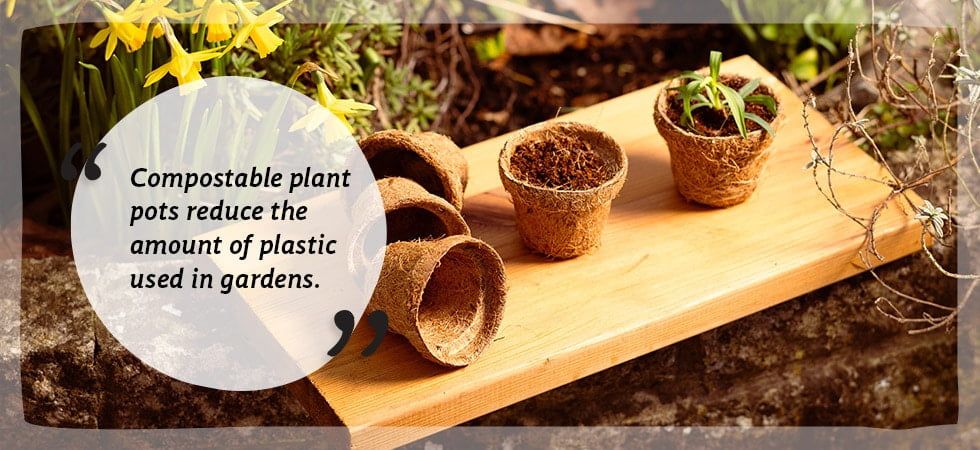
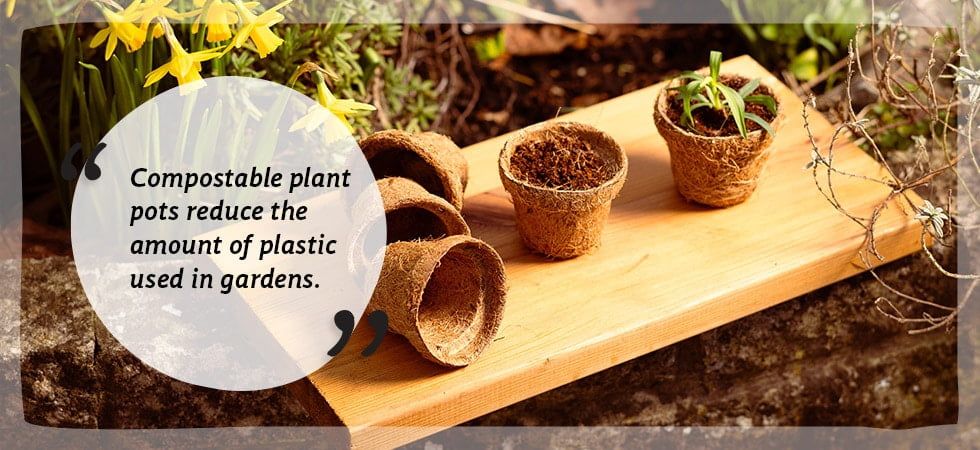
Enter the world of biodegradable containers – a game-changer that’s been quietly transforming the gardening landscape. These aren’t just another marketing gimmick; they represent a serious shift toward sustainability. Materials like coconut coir, peat moss, and even recycled paper products are being used to create containers that actually disappear harmlessly into the environment. Some are made from wheat straw, others from rice hulls, and still others from mushroom mycelium.
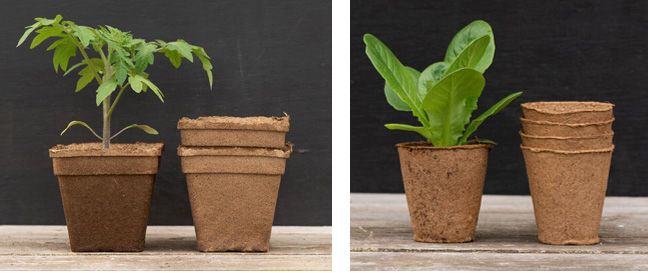
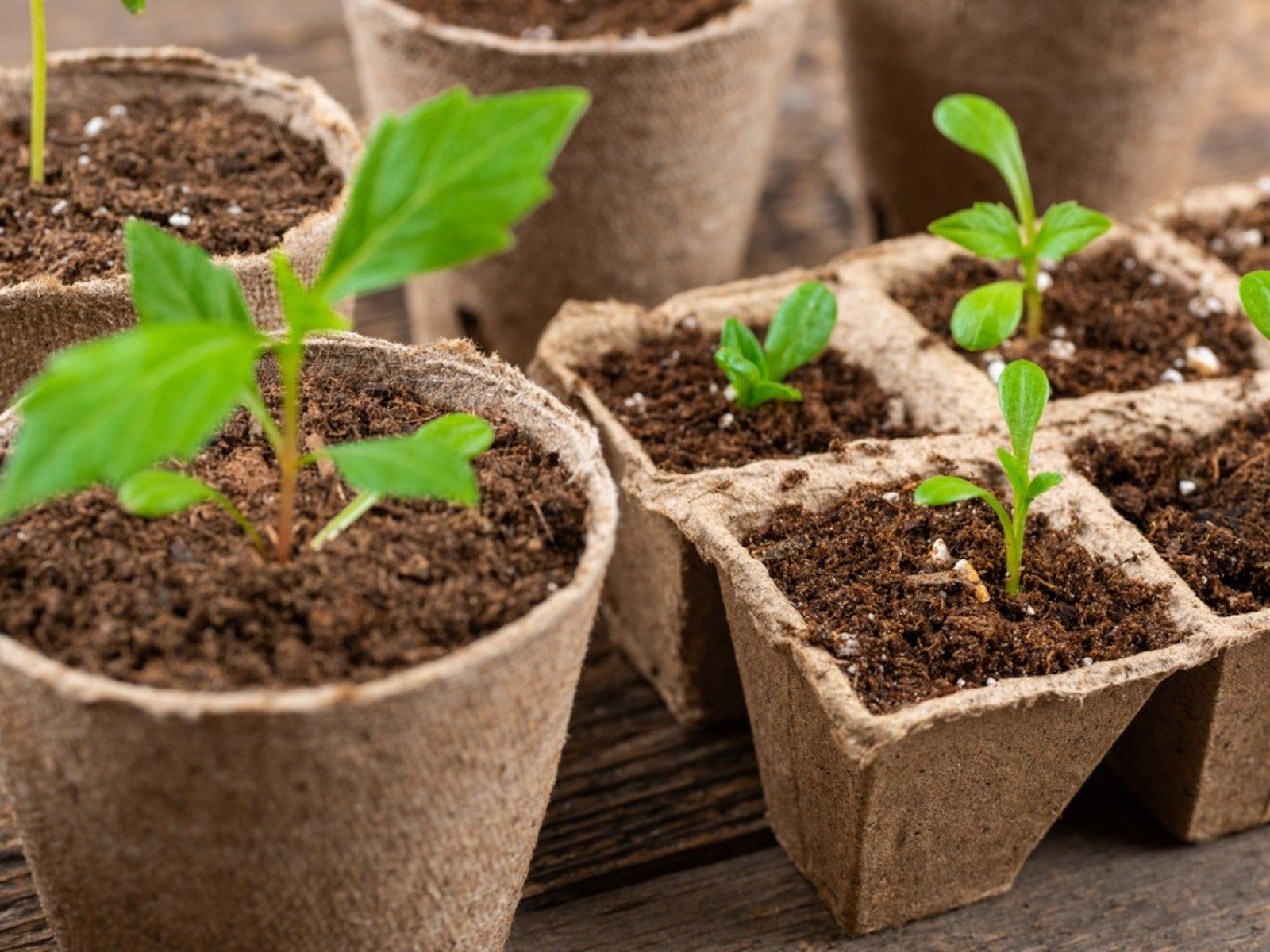
What makes these alternatives so special? They’re designed to decompose naturally, meaning your seedlings can be planted directly into them without disturbing their roots. No more careful removal or transplanting stress. Just plant and forget. The best part? Many of these containers provide additional nutrients to the growing plants as they break down. It’s like getting a bonus gift with your purchase. Plus, the materials used are often renewable resources that don’t deplete the earth’s finite supplies.
Innovations in Natural Materials
The field of sustainable seedling containers is buzzing with creativity. Researchers and entrepreneurs are constantly experimenting with new materials, leading to some truly exciting developments. Take mushroom containers, for instance. These aren’t just fancy – they’re incredibly functional. Made from agricultural waste and mushroom roots, they completely biodegrade within weeks and provide excellent support for young plants. The mycelium actually acts as a natural fertilizer, feeding the plants as it breaks down.
Another fascinating innovation is the use of seaweed-based materials. These containers are made from kelp and other ocean plants that are harvested sustainably. They’re lightweight, moisture-retentive, and completely compostable. Some gardeners report that plants grown in these containers show improved root development and overall health. The idea of using marine resources for land-based gardening might sound strange at first, but it’s actually quite brilliant when you think about it.
Even the humble newspaper is getting a new lease on life as a container material. When properly treated and pressed, old newspapers can create sturdy, biodegradable pots that are perfect for seedlings. The key is finding the right balance between strength and biodegradability.
Cost Considerations and Value Analysis
Now, let’s talk money. Are these eco-friendly options worth the extra cost? The answer isn’t always straightforward, but it depends on several factors. Initially, biodegradable containers often cost more than their plastic counterparts. A pack of 50 plastic trays might set you back $10, while a similar quantity of biodegradable ones could cost $20 or more. At first glance, that seems expensive.
But here’s where it gets interesting. When you factor in the entire lifecycle costs, including disposal, transportation, and potential damage to plants from handling, the picture changes. Biodegradable containers reduce the risk of root damage during transplantation, which means healthier plants and potentially better yields. They also eliminate the need for separate disposal methods, saving both time and money. Plus, many gardeners find that they don’t need to buy as many containers since they can reuse some types multiple times before they fully decompose.
Consider this: if you’re growing 100 seedlings annually, the cost difference might seem significant at first, but spread over several seasons, it becomes much more manageable. The real value emerges when you think about the long-term benefits to your garden and the environment.
Practical Applications and Usage Tips
Using eco-friendly containers isn’t just about buying the right product – it’s about understanding how to get the most out of them. For starters, different materials work better for different situations. Coconut coir containers are excellent for plants that need good drainage, while paper-based containers hold moisture better for seedlings that prefer consistent humidity.
One common mistake gardeners make is assuming all biodegradable containers behave the same way. Some break down quickly, especially in moist conditions, while others might last longer. Always check the manufacturer’s recommendations for your specific type of container. Some can be planted directly into the ground, while others are meant to be removed before planting.
Proper storage is also crucial. Moisture can cause premature breakdown, so keep containers in dry places until ready to use. If you’re storing them for later use, make sure they’re protected from rain and direct sunlight. Some containers benefit from a light coating of wax or other protective treatments to extend their shelf life.
A helpful tip for beginners: start small. Try one type of biodegradable container for a batch of seedlings to see how it works with your particular plants and growing conditions.
Environmental Impact and Long-Term Benefits
The environmental benefits of switching to sustainable seedling containers go far beyond just reducing plastic waste. When we choose biodegradable options, we’re participating in a larger movement toward circular economy principles. Instead of creating waste that ends up in landfills, we’re creating materials that return to the earth naturally.
This shift also supports renewable resource management. Unlike petroleum-based plastics that rely on finite fossil fuel supplies, many biodegradable materials come from renewable sources that can be regrown or replenished. Think about it – the same wheat that feeds us can also feed our plants through its straw. It’s a beautiful example of resource efficiency.
The ripple effects extend further too. As demand grows for sustainable containers, manufacturers invest more in research and development, leading to better products and lower costs. This creates a positive feedback loop that benefits everyone. Local businesses that adopt these practices also reduce their environmental impact, contributing to cleaner air and water in their communities.
Additionally, when gardeners use these containers, they’re modeling environmentally responsible behavior for others. This kind of influence can spread far beyond individual gardens, inspiring neighbors, friends, and community members to make similar choices. It’s like a domino effect of positive environmental action.
The journey from traditional plastic containers to sustainable alternatives represents more than just a change in gardening tools – it’s a shift in mindset. We’re moving away from a throwaway culture toward one that values longevity, responsibility, and harmony with nature. Every time you choose a biodegradable container, you’re making a choice that supports this transformation. Whether you’re a seasoned gardener or just starting out, these containers offer practical benefits that align with both your gardening goals and environmental values. The future of seedling containers isn’t just about what we put in the ground – it’s about what we leave behind. And that’s something worth growing toward.