In the world of organic gardening, where every small detail matters, there’s one simple truth that often gets overlooked. The condition of your tools might be the difference between a thriving garden and one that struggles. It’s not just about having the right tools – it’s about keeping them in perfect working order.
Gardening is both art and science, and like any craft worth doing, it requires attention to detail. When you’re working with organic methods, everything you do matters – from the soil you prepare to the seeds you plant. But something that many gardeners don’t realize is how much their success depends on the condition of their tools. A dull knife can make all the difference in your garden’s health and productivity. This isn’t just about convenience or efficiency – it’s about respect for the plants and the process itself. When your tools are sharp, they become extensions of your skill rather than obstacles to your goals. Think about it: when you’re cutting through stems or harvesting vegetables, does it feel effortless? Or does it require extra force that might damage the plant? Sharp tools make the difference between gentle care and unintentional harm.
The Science Behind Sharp Tools
When we talk about tool sharpness, we’re not just talking about aesthetics. There’s solid science behind why a properly sharpened blade makes such a huge difference in gardening work. A sharp tool creates clean cuts that heal quickly. This is especially important for organic gardening where you want to minimize stress on plants. Dull tools tend to crush or tear plant tissues instead of slicing through them cleanly. This damage creates entry points for diseases and pests. Think of it like a wound – the cleaner the cut, the faster it heals. A sharp pruning shears will slice through branches cleanly, while a dull pair might bruise the wood underneath. This is particularly crucial when dealing with young plants or delicate seedlings. The difference is so noticeable that experienced gardeners often describe the feeling of using a sharp tool as almost meditative. They can sense the precision and control they have over their plants. The science is straightforward: sharp tools reduce plant stress and promote healthier growth.
Benefits for Plant Health
Properly maintained tools directly impact plant health in ways that aren’t always obvious. Clean cuts made by sharp blades seal wounds quickly, preventing infection. This is especially important for plants that are prone to fungal diseases. When you use a sharp knife to harvest tomatoes, the fruit comes off cleanly without leaving bits of stem or leaf attached. This reduces the chance of rotting. For root vegetables like carrots or radishes, sharp digging tools ensure clean removal from the soil without damaging the crop. A gardener once told me about her experience with a dull shovel – she’d accidentally break half her carrots because the tool wasn’t sharp enough to cut cleanly through the earth. It’s a small detail that can cause big problems. Additionally, sharp tools mean less physical effort for you. When you’re not straining against dull blades, you’re more likely to work efficiently and consistently. This consistency translates into better care for your plants. Plants respond positively to regular, gentle handling. They also respond well to the confidence that comes with knowing your tools are up to the job. The result is a garden that feels more alive and responsive.
Efficiency and Time Savings
Let’s face it – gardening takes time. Every minute you spend fighting with a dull tool is a minute you could be spending nurturing your plants. Sharp tools make tasks go faster and with less frustration. Imagine trying to cut through thick stems with a dull pruner versus using one that’s been properly honed. The difference in speed and ease is remarkable. Gardeners who maintain their tools regularly report spending less time on maintenance tasks overall. They can move through their work more smoothly and complete jobs in less time. This efficiency becomes even more important during busy seasons like planting or harvesting. When you’re working quickly and effectively, you’re more likely to get things done properly. You’re also less likely to rush and make mistakes. Sharp tools give you the confidence to tackle bigger projects with more ease. They make routine tasks like trimming, weeding, and harvesting feel more manageable. The time saved isn’t just about getting things done faster – it’s about reducing fatigue and stress in your gardening routine. This means you’re more likely to stick with your garden practices and enjoy the process more.
Cost-Effective Maintenance
Investing in proper tool care pays dividends over time. Dull tools don’t just make work harder – they also lead to more expensive problems. When you use a dull knife to cut through tough stems, you end up applying more pressure and force. This can cause the tool to bend or break sooner than expected. A good quality tool that’s properly maintained lasts much longer than one that’s neglected. Regular sharpening prevents wear and tear on the tool itself. This is especially true for expensive garden tools that you’ve invested in. The cost of a few sharpening sessions pales in comparison to replacing a broken tool. Many gardeners find that they save money in the long run by taking care of their tools properly. It’s also worth noting that some tools, like those made of carbon steel, benefit greatly from regular sharpening. These materials hold an edge better when properly maintained. The investment in proper tool care is really an investment in your garden’s future. You’ll find that you’re less likely to need replacements, and your tools will perform better over time. This is especially true for hand tools that you use frequently.
Safety Considerations
Sharp tools aren’t just about performance – they’re also about safety. A dull tool is more dangerous than a sharp one because it requires more force to use effectively. This extra pressure increases the risk of accidents. When you’re trying to cut through material with a dull blade, you’re more likely to slip or lose control. This is particularly concerning when working with tools like pruning shears or knives that can cause serious cuts. Sharp tools, on the other hand, require less force and offer better control. This makes them safer to use in various conditions. The reduced effort also means less strain on your hands and wrists during extended gardening sessions. Gardeners often notice that they experience less fatigue and discomfort when using properly sharpened tools. Safety is a fundamental part of good gardening practice. When you’re working with tools, you want to minimize risks while maximizing effectiveness. Proper tool maintenance is one of the simplest ways to improve safety in your garden. It’s also a habit that can prevent injuries and make gardening more enjoyable overall. Think about how much safer your work becomes when you don’t have to struggle with a stubborn tool.
Practical Tips for Tool Care
Maintaining tool sharpness doesn’t require special skills or expensive equipment. Here are some simple techniques that can transform your gardening experience:
• Regular cleaning after each use to remove dirt and debris
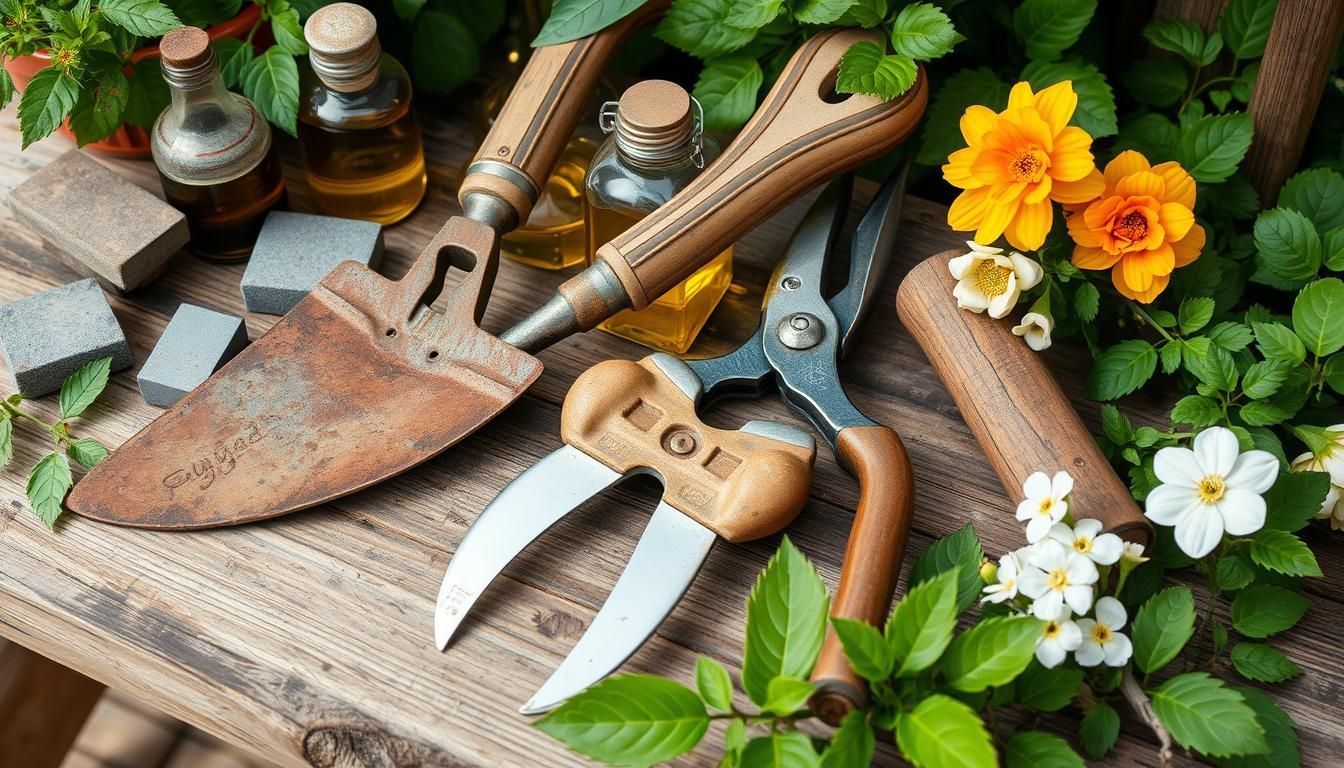
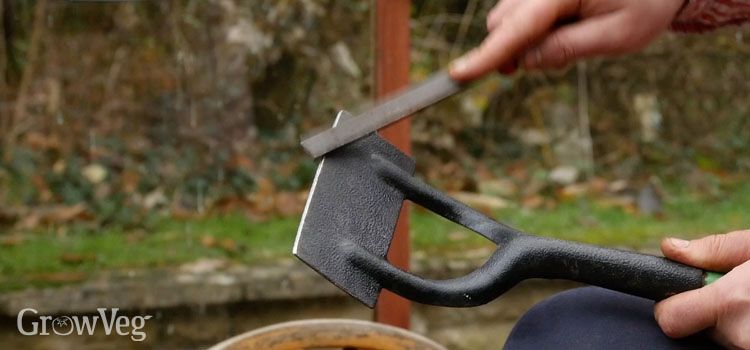
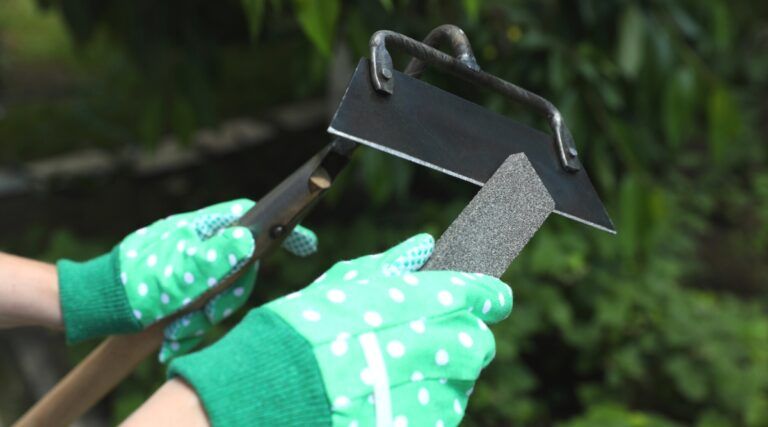
• Using appropriate sharpening stones or files for different tool types
• Following manufacturer’s recommendations for maintenance schedules
• Storing tools properly to prevent rust and damage
• Keeping a sharpening kit handy for quick touch-ups
Many gardeners find that setting aside a few minutes each week for tool maintenance is worthwhile. It’s better to spend time on maintenance than to deal with broken or ineffective tools later. Some people prefer to sharpen tools immediately after each gardening session, while others wait until they notice a decline in performance. Either approach works, as long as you’re consistent. The key is developing a routine that fits your schedule and gardening habits. Remember that different tools require different care approaches. A pruning shears needs a different technique than a shovel or trowel. Learning these differences helps you maximize the life of your tools. The investment in proper tool care pays off quickly in terms of garden productivity and personal satisfaction.
The relationship between tool sharpness and successful organic gardening goes far beyond simple convenience. When you take care of your tools, you’re investing in your garden’s health, your own safety, and your overall gardening enjoyment. A sharp tool makes every interaction with your plants more precise and gentle. It allows you to work with confidence and efficiency, knowing that you’re not adding unnecessary stress to your garden. The benefits compound over time – better plant health, increased productivity, and more satisfying gardening experiences. The investment in proper tool maintenance is one of the most rewarding aspects of organic gardening. It’s a practice that improves with time and attention. Whether you’re a beginner or an experienced gardener, paying attention to tool sharpness will elevate your gardening practice. The difference is subtle but significant – it’s the kind of attention to detail that transforms a good garden into a great one. So next time you reach for your tools, remember that a little maintenance goes a long way toward a thriving garden. Your plants will thank you, and so will your hands.