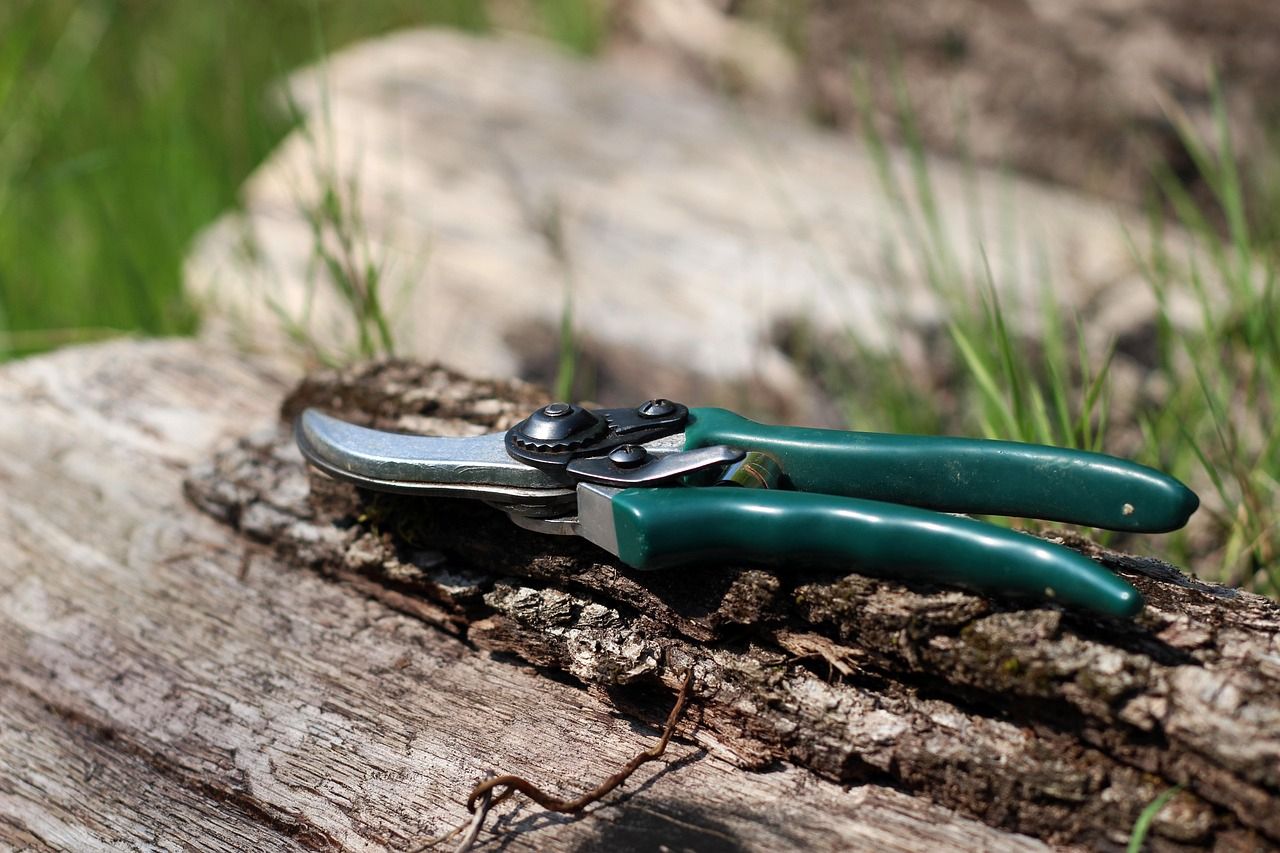
Every gardener knows the satisfaction of a clean cut, but what if that cut could also help heal the earth? As we move deeper into 2025, the conversation around environmental impact isn’t just about what we plant—it’s about how we tend to our green spaces. The humble pruning shear might seem like a small detail, but it represents a larger shift toward conscious gardening practices.
Gardening has always been about nurturing life, but today’s gardeners face new challenges. With climate change and environmental degradation making headlines, many of us are rethinking every aspect of our outdoor activities. When you hold a pair of pruning shears, you’re not just cutting branches—you’re choosing how to interact with nature. This is especially true when considering the materials, manufacturing processes, and end-of-life scenarios for these essential tools. The good news? More and more manufacturers are responding to this demand for sustainability. But how do you navigate the options when they’re all claiming to be ‘green’? Let’s take a closer look at what makes pruning shears environmentally responsible in 2025.
The Materials Matter Most
What your pruning shears are made of tells a story about their environmental footprint. Traditional steel tools have long dominated the market, but they come with a price tag beyond just cost. Steel production generates significant carbon emissions, and recycled steel still requires energy-intensive processes. In 2025, look for shears made from recycled metals or innovative bio-based materials. Some manufacturers now use recycled aluminum or even reclaimed plastic components. These aren’t just marketing gimmicks—they represent genuine efforts to reduce waste. Consider tools with bamboo or cork handles too, which offer renewable alternatives to traditional plastics. One gardener I spoke with mentioned switching to shears with recycled aluminum frames and bamboo grips, saying they felt ‘more connected to the earth’ while working.
Durability Over Disposable
The most eco-friendly pruning shears are those that last decades rather than years. When you buy a tool that breaks after a season or two, you’re creating waste and requiring more resources to replace it. Look for shears with solid construction and quality hinges. Stainless steel blades are particularly durable, though they require more energy to produce initially. However, the long-term benefit often outweighs the upfront environmental cost. Many brands now offer lifetime warranties or repair services, extending the useful life of these tools. A well-maintained pair of shears can serve you for twenty years or more. That’s a lot fewer tools ending up in landfills. Some manufacturers even provide blade sharpening services, encouraging owners to keep their tools in top condition instead of buying replacements.
Manufacturing Practices
Beyond materials, consider how the shears were made. Ethical manufacturing means fair wages for workers and minimal environmental harm during production. Some companies source materials responsibly and operate facilities powered by renewable energy. Others have carbon-neutral shipping policies or invest in reforestation projects to offset their environmental impact. Research companies that publish their supply chain transparency. Do they use sustainable packaging? Are their factories located near their raw material sources to reduce transportation emissions? The difference between a standard manufacturing process and one designed with environmental consciousness can be substantial. For instance, one company I found uses solar panels to power their factory and ships products via electric vehicles whenever possible. Their shears cost slightly more, but the environmental benefits are clear.
Design for Longevity
Smart design extends a tool’s lifespan and reduces the need for frequent replacements. Look for shears with replaceable parts—blades, handles, or pivot points that can be swapped out individually. Modular designs mean you don’t have to throw away an entire tool when just one component wears out. Adjustable features also contribute to longevity, allowing the shears to adapt to different user preferences and changing needs. Some newer models feature ergonomic designs that reduce hand fatigue, encouraging better usage habits that prevent damage from overuse. A gardener friend of mine shared that her favorite shears had a replaceable blade system and adjustable grip, which meant she could use them for over fifteen years without needing a complete replacement. That’s pretty impressive for a tool used daily.
End-of-Life Considerations
Think about what happens to your shears when they finally reach the end of their useful life. Can they be recycled? Are the materials compatible with existing recycling programs in your area? Some manufacturers offer take-back programs where you return old tools for proper disposal or repurposing. Others partner with recycling centers to ensure their products don’t end up in landfills. You might also consider local metal recycling centers that accept garden tools. Proper disposal prevents toxic materials from entering soil or water systems. A few brands now incorporate biodegradable or recyclable components, making the entire lifecycle more sustainable. It’s surprising how many gardeners never think about this part of the process, but it’s crucial for truly eco-conscious choices.
Practical Tips for Making the Switch
Ready to make the change? Start by assessing your current tools. Which ones are still serving you well? Which ones have been replaced multiple times? Consider the size and type of pruning you do most often—do you need heavy-duty shears for thick branches or lighter ones for delicate work? Think about your budget, but remember that investing in quality tools pays off in the long run. Visit local garden centers to see what’s available and talk to staff about their sustainability practices. Read reviews from other gardeners who prioritize eco-friendliness. Some retailers now specialize in sustainable garden tools, offering a curated selection of environmentally conscious options. Don’t forget to check if the manufacturer offers maintenance services or replacement parts, which can extend the life of your investment significantly.
Choosing environmentally conscious pruning shears in 2025 isn’t just about picking a tool—it’s about aligning your gardening practices with your values. Every cut you make with a sustainable tool contributes to a healthier planet, even if it feels small. Whether you’re a seasoned gardener or just starting out, these considerations help ensure that your relationship with nature remains positive and mutually beneficial. The shift toward greener tools reflects a broader movement in gardening and agriculture toward sustainability. By making thoughtful choices about our equipment, we’re not just caring for our plants—we’re caring for the earth itself. As you prepare for another growing season, remember that the right pair of shears can be both a tool and a statement about the kind of future you want to help create.