Every gardener knows the struggle of keeping plants upright and supported. Whether you’re growing tomatoes, peppers, or climbing beans, finding the right way to tie them up matters. But what happens when you want to stick to organic principles? Traditional synthetic twine might work, but it’s not exactly eco-friendly. That’s where natural alternatives come into play.
Plant tying is one of those essential gardening tasks that often gets overlooked until it’s too late. You’ve got your seedlings growing strong, your vegetables thriving, and suddenly you realize they need some support. The typical solution? Synthetic twine. It’s convenient, cheap, and does the job. But if you’re committed to organic gardening practices, synthetic materials might not align with your values. The good news is there are plenty of natural alternatives that are just as effective. These options are biodegradable, environmentally friendly, and often made from materials you already have around your home or garden.
Why Choose Natural Twine Alternatives?
Let’s face it, our gardens are supposed to be places where nature thrives. Using synthetic materials goes against that principle. Natural twine alternatives offer several advantages:
• They break down naturally without harming soil or water systems
• Many are made from renewable resources
• They’re often gentler on delicate plant stems
• They support the overall health of your garden ecosystem
Think about it this way: you’re investing in your garden’s future, not just its present needs. Natural twine alternatives are like giving your plants a gentle hug rather than a tight squeeze with plastic.
Organic Cotton Twine
Cotton twine is probably one of the most popular natural alternatives. It’s made from organic cotton fibers that are spun together to create a strong, biodegradable cord. Here’s why it works well:
• It’s strong enough to support most garden plants
• It breaks down naturally within a few months
• It’s easy to find in most gardening stores
• It’s gentle on plant stems compared to synthetic materials
The main thing to remember is to choose organic cotton. Non-organic cotton may have been treated with pesticides or chemicals that could harm your garden. Look for certifications or ask your local garden center about their sourcing practices.
Many gardeners swear by organic cotton twine for tomato cages, bean poles, and even small fruit trees. It’s versatile, reliable, and doesn’t require special handling once you’ve got it.
Bamboo and Wooden Supports
Sometimes the best solution isn’t another piece of string or twine. Sometimes you need something more substantial. Bamboo and wood are excellent choices for garden supports:
• Bamboo is incredibly strong and naturally pest-resistant
• Wood provides long-term stability for larger plants
• Both materials decompose slowly and enrich soil over time
Bamboo stakes are particularly useful for individual plants like tomatoes or peppers. They’re readily available, affordable, and can be cut to any length you need. Some gardeners even use bamboo for entire trellises.
Wooden dowels or stakes work great for creating small supports or for those situations where you need something rigid. They’re especially helpful when you’re dealing with heavy fruits like squash or melons. The key is choosing untreated wood – avoid anything that has been chemically treated.
A lot of gardeners find that combining bamboo or wood with natural twine creates the perfect support system. It’s like building a scaffold that fits perfectly into their organic garden philosophy.
Jute and Hemp Twines
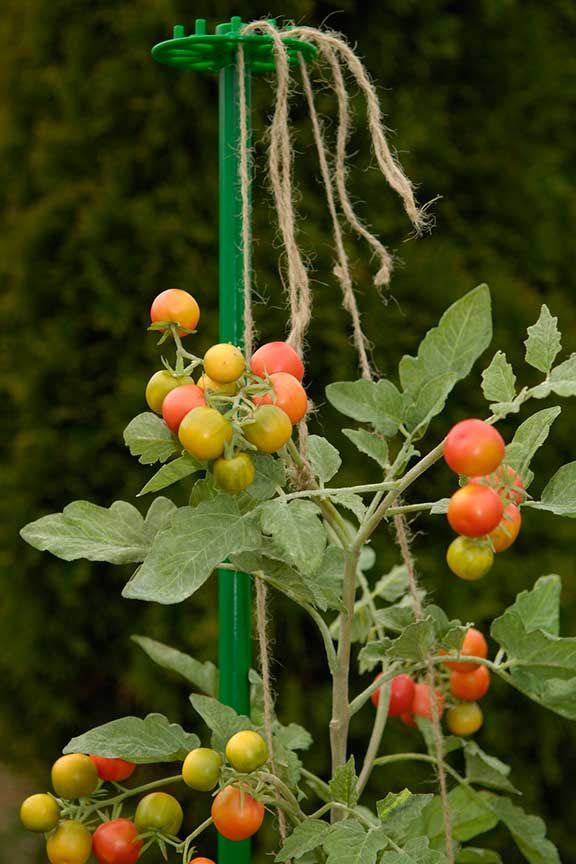
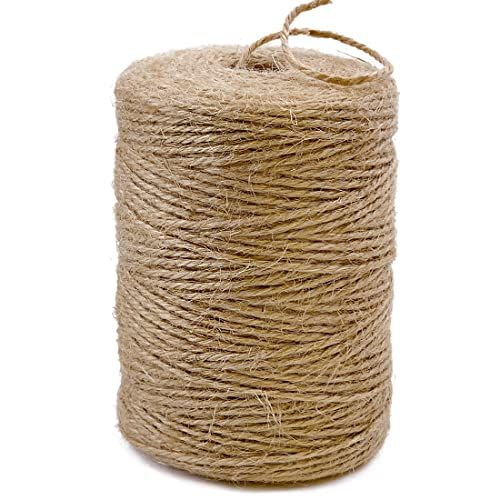
Jute and hemp are two natural fibers that have been used for centuries for making ropes and twines. In the garden context, they offer several benefits:
• Jute twine is soft and flexible, making it ideal for delicate plants
• Hemp twine is stronger and better suited for heavier crops
• Both materials are completely biodegradable
• They decompose without leaving harmful residues
Jute twine is particularly popular because it’s gentle on plants and easy to work with. It’s not as strong as hemp, but it’s perfect for things like lettuce, herbs, or small flowering plants. The fibers are soft enough that they won’t damage tender stems while still providing enough support.
Hemp twine, on the other hand, is more robust. It’s excellent for supporting heavy vines or large plants that need more structural support. Many gardeners use hemp for cucumber trellises or as support for climbing roses.
Both materials are becoming more widely available, and you can often find them at garden centers or online. They’re usually sold in various thicknesses, so you can pick what works best for your specific needs.
Repurposed Materials and Creative Solutions
The garden is full of potential materials that can be repurposed for plant tying. This approach combines sustainability with creativity:
• Old t-shirts or fabric scraps can be cut into strips for gentle tying
• Paper or cardboard tubes from toilet paper rolls can be used as supports
• Twigs and small branches from your garden can be woven together
• Even old pantyhose can work in a pinch
One gardener I spoke with shared how she cuts old t-shirts into strips and uses them to tie her pepper plants. The fabric is soft and biodegradable, and it’s a great way to reuse clothing that might otherwise end up in a landfill.
Another common practice is using cardboard tubes from paper towels or toilet paper. These are sturdy enough for small plants and will decompose naturally. Some gardeners even stuff them with soil to create small planters.
The beauty of repurposing materials is that it encourages thinking outside the box. What you consider waste might just become the perfect garden support. It’s also a great way to reduce your environmental impact while being creative.
Practical Tips for Using Natural Twine Alternatives
Using natural twine alternatives effectively requires a bit of know-how:
• Always leave some slack when tying to allow for plant growth
• Tie loosely enough that it won’t cut into stems
• Check regularly and adjust as plants grow
• Consider the material’s strength relative to your plant’s needs
• Store unused twine properly to prevent moisture damage
A common mistake is tying too tightly, which can actually damage plants. Remember that plants grow, and their stems expand as they develop. A tie that seems secure today might become constricting tomorrow.
Some gardeners prefer to use a figure-eight pattern when tying plants, as it distributes pressure more evenly. Others swear by the "loose loop" method, which is especially good for delicate plants.
It’s also worth noting that some natural materials might need to be replaced more frequently than synthetic twine. This is part of the trade-off for environmental benefits. However, many gardeners find that the peace of mind comes with the knowledge that they’re supporting their garden in a way that’s consistent with their values.
Choosing natural twine alternatives for your organic garden isn’t just about following trends or being environmentally conscious. It’s about creating a harmonious relationship between your plants and their environment. When you select biodegradable materials that support your garden’s natural processes, you’re making a statement about how you want to interact with the earth.
Whether you go with organic cotton, jute, hemp, or repurpose items you already have, the key is consistency and care. These materials may require a bit more attention than synthetic alternatives, but they offer something invaluable: peace of mind. Your garden becomes a reflection of your values, and every tie you make contributes to that vision.
The next time you’re faced with the decision of how to support your plants, remember that you have choices. You can choose materials that will decompose naturally, protect beneficial insects, and contribute to healthy soil. It’s a small change that makes a big difference in the long run. Plus, you’ll sleep better knowing that your garden is truly organic from top to bottom.