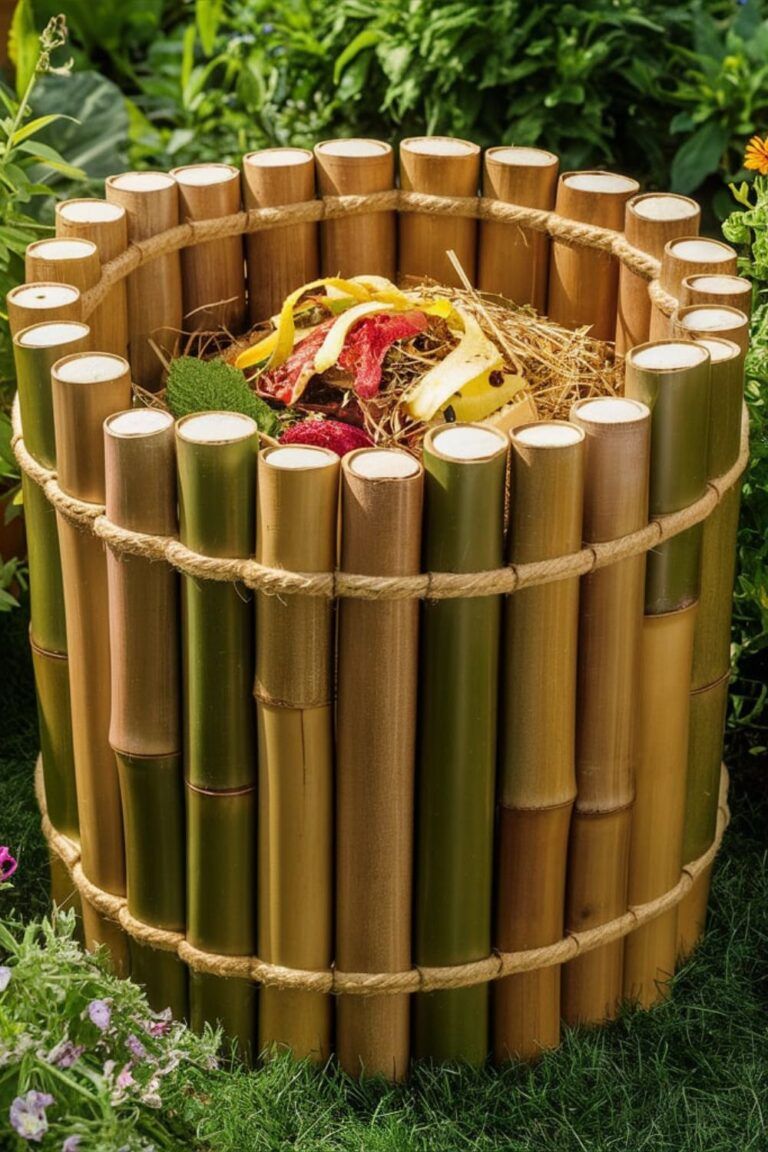
Picture this: you’re standing in your garden, looking at lush, thriving plants that seem to glow with health. The secret? A well-built bamboo compost bin that’s been quietly working away in the corner of your yard. This isn’t magic – it’s nature’s way of recycling, made simple with the right materials and a little know-how.
Composting is one of those garden practices that seems simple enough, but doing it right takes some planning and understanding. What if we told you that you could create a composting system that’s not only effective but also blends beautifully with your outdoor space? Enter the bamboo compost bin – a sustainable solution that’s gaining popularity among gardeners everywhere. It’s not just about turning waste into fertilizer; it’s about creating a harmony between your garden and the natural world around you. Whether you’re a seasoned gardener or someone just starting out, building a bamboo compost bin offers a unique opportunity to participate in the earth’s most fundamental cycle.
Why Bamboo Makes the Perfect Compost Bin Material
Bamboo isn’t just trendy – it’s actually one of the most sustainable building materials available. Unlike wood that takes decades to mature, bamboo grows incredibly fast, reaching maturity in just three to five years. This rapid growth means it’s renewable and environmentally friendly. When you choose bamboo for your compost bin, you’re making a conscious decision to reduce your environmental impact while creating something functional and beautiful.
The material itself has some great properties for composting. Bamboo is naturally resistant to pests and insects, which means your compost won’t attract unwanted visitors. It’s also durable and can withstand weather changes better than many alternatives. Plus, bamboo has a natural antimicrobial quality that can help control odors in your compost pile. The aesthetic appeal is another bonus – bamboo bins look great in any garden setting and blend seamlessly with natural surroundings.
Consider how many people have struggled with traditional plastic bins that break down quickly or wooden bins that rot within a few seasons. Bamboo solves both of these problems while offering a classic, timeless appearance that will complement your garden for years to come.
Essential Materials and Tools You’ll Need
Before diving into construction, let’s talk about what you’ll need to gather. The good news is that most of these materials are either easy to find or can be sourced locally.
• Bamboo poles – 2-3 inch diameter works best, approximately 6-8 feet long
• Steel wire or strong twine for binding
• Basic hand tools (shovel, axe, drill)
• Measuring tape
• Sandpaper or file for smoothing edges
The bamboo selection is crucial. Look for poles that are straight and free from cracks or splits. Younger bamboo tends to be more flexible, which makes construction easier. You want to avoid bamboo that’s too old or dry, as it may break during assembly.
For the tools, a sharp knife or axe will help you cut the bamboo to length. A drill with a small bit will be useful for creating holes for drainage. Having a sturdy work surface is helpful, especially when cutting and shaping the bamboo pieces. Remember that working with bamboo requires patience – it’s a natural material, so it may take a bit more effort than synthetic alternatives.
Step-by-Step Construction Process
Ready to build? Here’s how to construct your bamboo compost bin:
First, decide on the size you want. A 3x3x3 foot bin works well for most home gardens. Cut your bamboo poles to the appropriate lengths – you’ll need four vertical posts, eight horizontal pieces for the frame, and additional pieces for the base and lid structure.
Next, dig a shallow hole about 12 inches deep where you plan to place your bin. This helps anchor the structure and keeps it stable during heavy rains or wind. Place your vertical posts in the ground, ensuring they’re evenly spaced and straight.
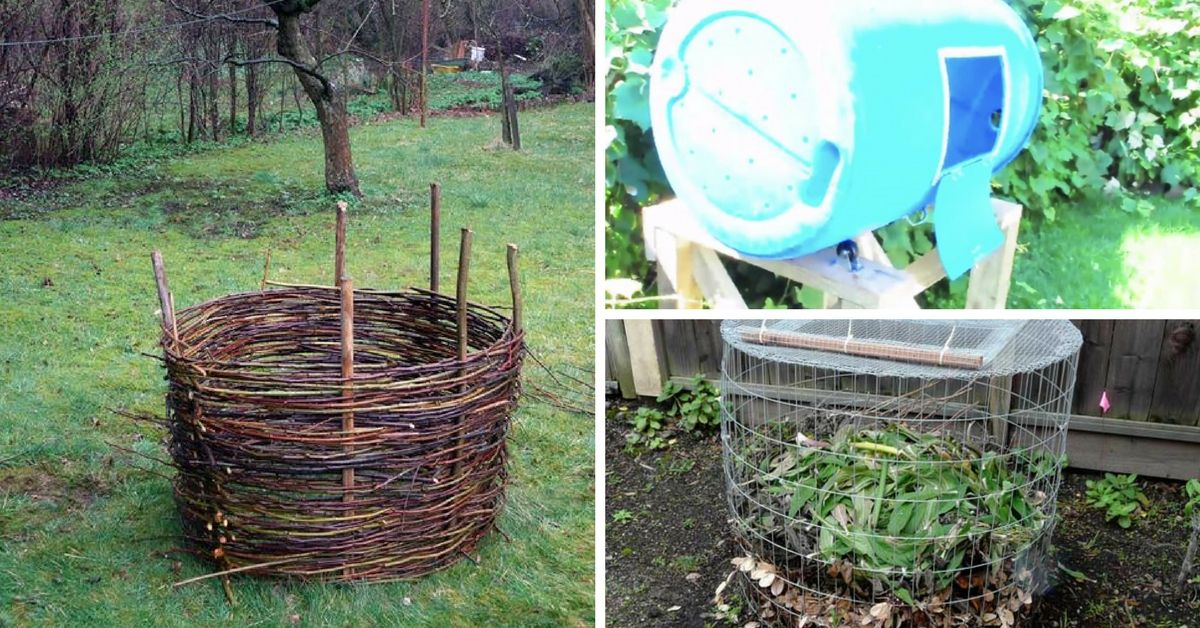
Now comes the fun part – weaving! Take your horizontal pieces and weave them through the vertical posts in a crisscross pattern. This creates the main body of your bin. Don’t worry if it looks a bit messy at first – it will become more structured as you continue.
Create a base using smaller bamboo pieces, arranging them in a tight grid pattern. This provides stability and allows for proper drainage. Add a simple lid system using more bamboo slats or a piece of mesh that can be easily removed for access.
The finishing touches involve sanding any rough edges and ensuring everything is secure. Test your bin by filling it with some kitchen scraps and checking for stability. If it wobbles, adjust the placement of the vertical posts or add extra support.
Design Variations and Customization Options
While the basic design works wonderfully, there are several ways to customize your bamboo compost bin to suit your specific needs. Some gardeners prefer a taller structure, which can be achieved by adding more vertical poles or extending the height of existing ones.
Consider adding a door or panel that can be opened for easy access to your compost. This might involve creating a hinged section or simply leaving one side open that can be easily moved. This feature makes it much easier to turn the compost and add new materials without disturbing the entire pile.
For those who want to enhance their bin’s functionality, consider incorporating a secondary compartment or separate area for different types of organic matter. This allows you to manage your compost more effectively and can speed up the decomposition process.
Some people enjoy adding decorative elements like carved patterns or painted designs to make their bin stand out. Others prefer to keep it simple and natural, letting the bamboo’s inherent beauty shine through. The possibilities are limited only by your creativity and what fits your garden space.
Maintaining Your Bamboo Compost System
Once your bamboo compost bin is built and filled, regular maintenance keeps everything running smoothly. The key is consistency rather than perfection. Check your compost regularly – you want to see active decomposition happening.
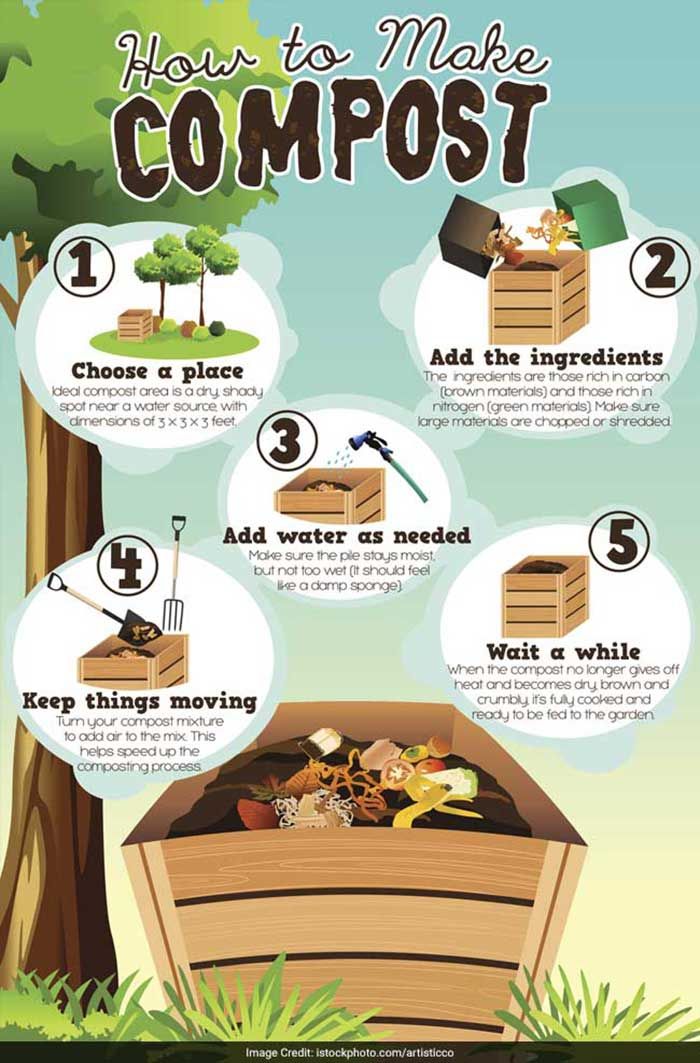
Keep the pile moist but not waterlogged. Bamboo bins allow good airflow, which is essential for healthy decomposition. If your compost seems too dry, add water gradually. Too wet? Add more brown materials like dried leaves or straw to absorb excess moisture.
Aerate the pile every couple of weeks by turning it with a garden fork or shovel. This introduces oxygen, which helps beneficial microbes thrive. The turning process also ensures even decomposition throughout the pile.
Watch for signs of imbalance. If your compost smells bad, it might be too wet or lacking air. If it’s not breaking down properly, you might need more nitrogen-rich materials or better aeration.
Regular inspection of the bamboo structure itself is important. While bamboo is durable, it can develop cracks over time due to weather exposure. Address any loose connections promptly to maintain structural integrity.
Troubleshooting Common Issues
Even with careful construction and maintenance, you might encounter some challenges along the way. Here are common problems and solutions:
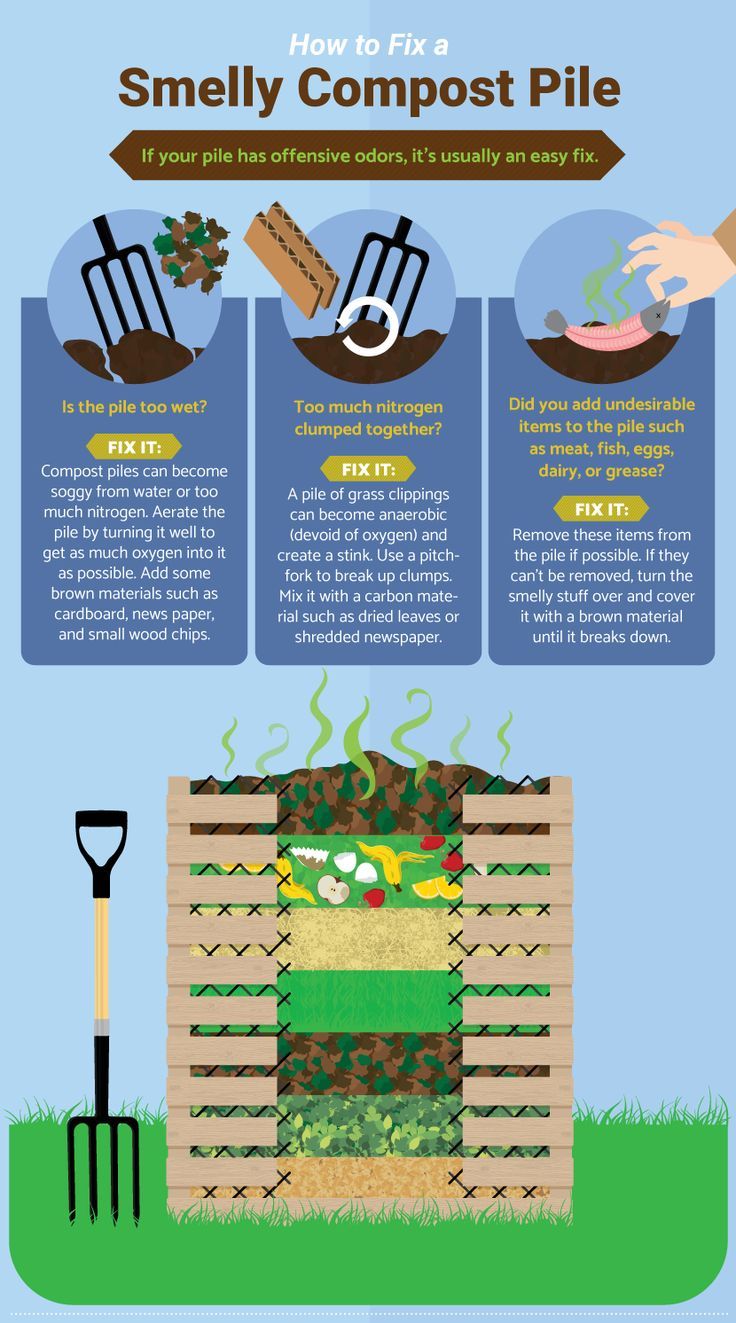
• Smelly compost often indicates too much nitrogen or poor aeration. Add more carbon-rich materials like cardboard or dried grass clippings, and turn the pile more frequently.
• Slow decomposition usually means insufficient moisture or lack of air. Make sure your pile stays damp and aerate regularly.
• Pests can be attracted by improper materials. Avoid adding meat, dairy, or oily foods to your compost. Cover food scraps with brown materials to discourage unwanted visitors.
• Structural issues with bamboo can occur if the material was not properly treated or stored. Look for weak spots and reinforce with additional bindings or supports.
• Overwatering leads to anaerobic conditions, causing foul odors. Ensure good drainage and adjust watering based on weather conditions.
Don’t panic if you encounter these issues – they’re normal parts of the composting journey. Learning to troubleshoot these problems will make you a more confident gardener and improve your composting success over time.
Building a bamboo compost bin isn’t just about creating a functional garden tool – it’s about embracing a sustainable lifestyle that connects you more deeply with the natural world. When you invest time and effort into constructing your own composting system, you’re participating in one of humanity’s oldest practices in a modern, eco-friendly way.
The beauty of bamboo compost bins lies in their simplicity, durability, and natural aesthetics. They require minimal maintenance once established and provide ongoing benefits to your garden. As your compost matures, you’ll notice the difference it makes in soil health and plant vitality.
Whether you’re looking to reduce household waste, improve your garden’s productivity, or simply enjoy the satisfaction of creating something useful from natural materials, a bamboo compost bin delivers on all fronts. The investment of time and effort pays dividends in healthier soil, reduced waste, and a deeper connection to gardening and sustainability. So grab your tools, gather your bamboo, and start building your own composting ecosystem today. Your garden will thank you, and you’ll discover that composting can be both practical and deeply satisfying.