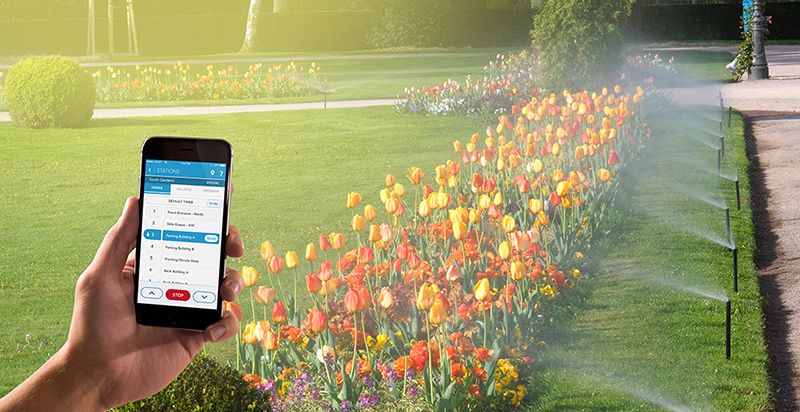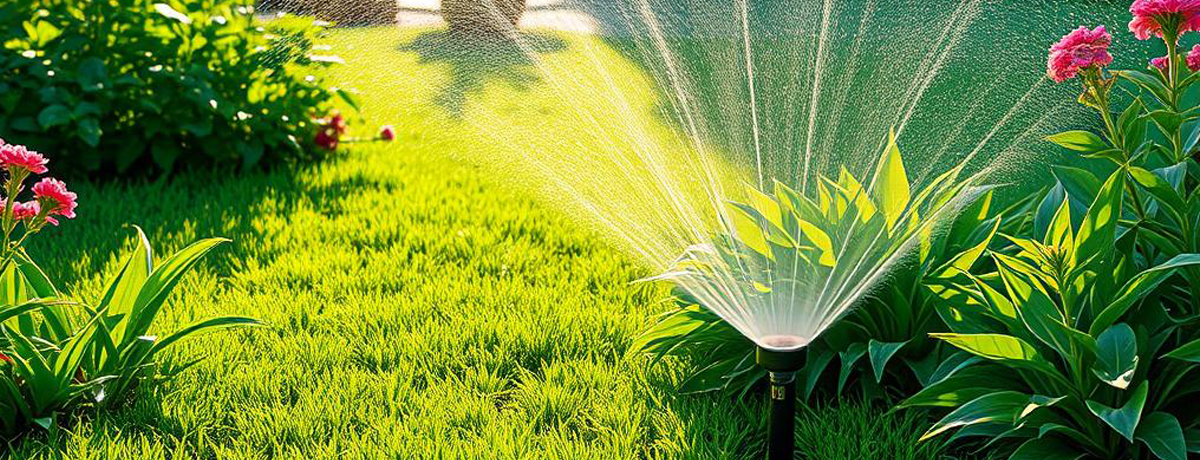
Picture this: a lush, green garden that thrives without wasting a drop of precious water. Sounds like a dream? Not anymore. Smart sprinkler controllers have turned that vision into reality for countless homeowners across the nation. These nifty devices aren’t just fancy gadgets – they’re game-changers when it comes to conserving our most valuable resource.
Gardens are beautiful, but they can also be water guzzlers. Every year, millions of gallons of water flow down the drain because of inefficient irrigation systems. But what if your garden could tell you exactly when and how much water it needs? That’s exactly what smart sprinkler controllers do. These modern marvels use weather data, soil sensors, and intelligent algorithms to make watering decisions that save water and keep plants happy. Whether you’re a seasoned gardener or someone who just wants their plants to survive the summer heat, these controllers might just be the secret weapon you’ve been missing.
What Makes a Smart Sprinkler Controller Different
Traditional irrigation systems are like having a friend who always overwaters your plants. They don’t know when conditions change or how much moisture is already in the soil. Smart controllers, on the other hand, are like having a weather forecaster, soil scientist, and plant whisperer all rolled into one device.
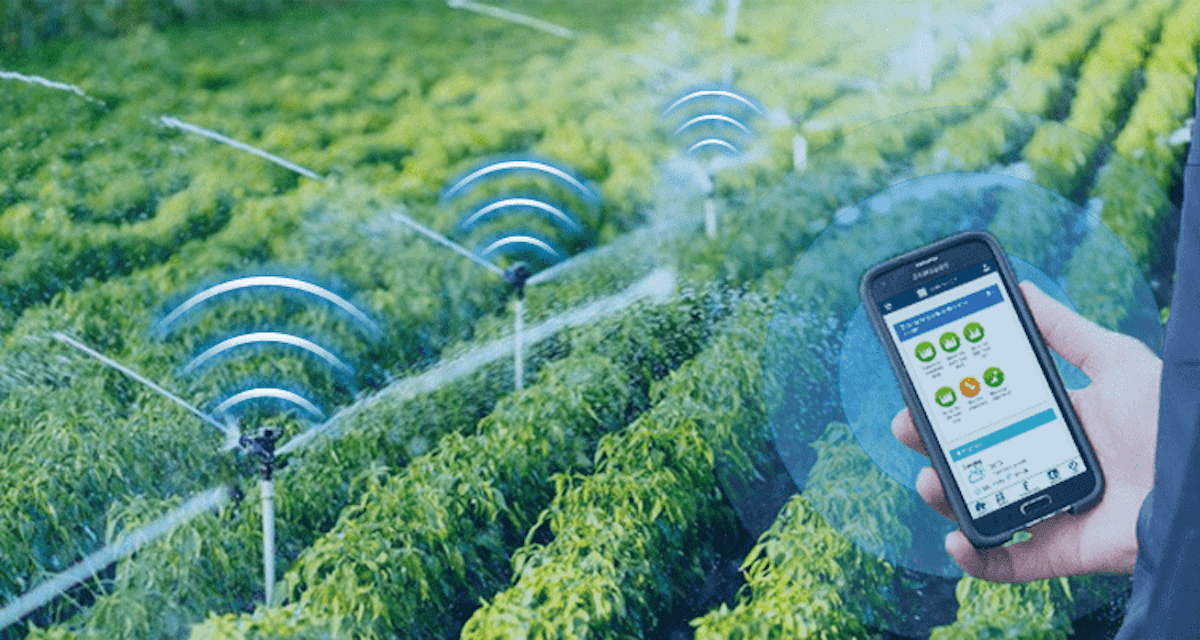
These controllers connect to the internet and pull in real-time weather data. They monitor soil moisture levels and adjust watering schedules accordingly. Some even learn your garden’s unique patterns over time. This isn’t just about saving water – it’s about optimizing plant health.
For instance, if it’s going to rain tomorrow, a smart controller will automatically skip the scheduled watering. If your soil is already wet from recent rains, it won’t water unnecessarily. It’s simple logic that makes a huge difference in conservation efforts.
The Science Behind Smart Watering
Smart controllers rely on several key technologies working together:
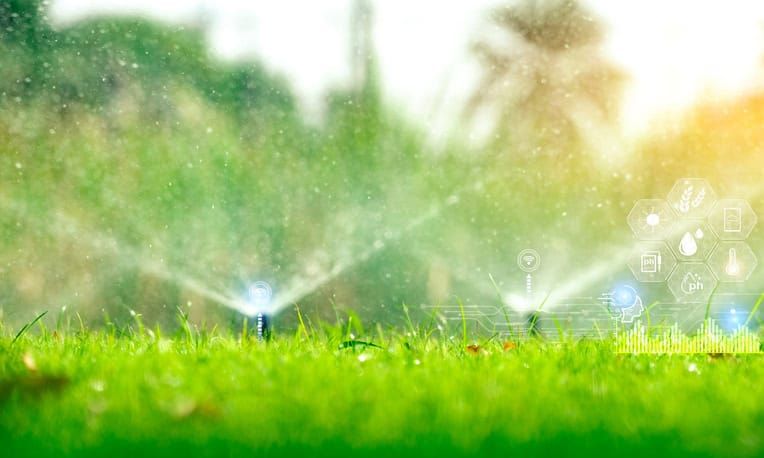
• Weather integration: These systems download current and forecasted weather conditions directly from meteorological services
• Soil moisture sensors: Some models include probes that measure actual soil conditions
• Evapotranspiration calculations: Advanced systems compute how much water plants actually lose to the atmosphere
• Plant-specific programming: Many allow users to set different watering needs for various plant types
This combination creates a personalized watering plan for each garden. Instead of following a rigid schedule, your system adapts to real-world conditions. The result? Less water wasted and healthier plants. Studies show that smart controllers can reduce outdoor water usage by up to forty percent compared to traditional timers.
Real Benefits for Gardeners
The advantages extend far beyond water conservation:
• Time savings: No more manual adjustments or worrying about watering schedules
• Cost reduction: Lower water bills and reduced need for fertilizers due to better plant health
• Plant health improvement: Plants get exactly what they need, when they need it
• Reduced maintenance: Fewer problems with overwatering or underwatering
• Environmental impact: Less runoff means cleaner local waterways
Consider Sarah, a gardener in California who installed a smart controller last spring. She noticed her water bill dropped by thirty percent within the first month. More importantly, her tomato plants looked better than ever because they weren’t getting too much water during the cooler evening hours.
How to Choose the Right Smart Controller
With so many options available, choosing the right one can feel overwhelming. Here are some key factors to consider:
• Integration capabilities: Does it work with your existing irrigation system?
• Weather accuracy: What data sources does it use?
• Sensor compatibility: Will it work with soil moisture sensors?
• App functionality: Is the mobile app user-friendly?
• Installation requirements: Does it require professional installation?
• Budget considerations: What features matter most to you?
Some systems integrate seamlessly with popular smart home platforms like Google Home or Amazon Alexa. Others offer basic features at lower prices, while premium models include advanced analytics and automation. Think about your garden size, climate zone, and how much tech you want to manage.
Installation and Setup Process
Installing a smart controller is usually straightforward, though it varies by model. Most systems require:
- Disconnecting power to the existing timer
- Removing the old controller and wiring
- Mounting the new unit
- Connecting to your existing irrigation system
- Programming basic settings
- Testing the system
Many manufacturers provide detailed video tutorials and customer support. Some even offer installation services for a fee. The learning curve is generally gentle, especially for those familiar with basic electrical work.
A common mistake beginners make is skipping the initial setup phase. Taking time to properly configure your system ensures optimal performance. Test each zone individually to make sure everything works as expected before leaving it to run automatically.
Long-term Impact on Water Conservation
The cumulative effect of widespread adoption could be enormous. Cities across the country are seeing significant water savings thanks to these smart systems. In drought-prone areas like California and Texas, many residents have reported dramatic reductions in their outdoor water consumption.
Beyond individual gardens, smart controllers contribute to broader conservation goals. When thousands of households adopt these systems, the collective impact becomes measurable. Municipalities often see reduced strain on water infrastructure and lower operational costs. It’s a win-win for both homeowners and communities.
Research shows that homes with smart controllers typically reduce their outdoor water use by thirty to fifty percent. That translates to millions of gallons saved annually in areas where these systems are widely adopted.
Smart sprinkler controllers represent more than just a technological upgrade – they’re a shift toward responsible gardening practices. These devices make it possible to enjoy beautiful, thriving gardens while being good stewards of our environment. Whether you’re trying to cut costs, save water, or simply make gardening easier, a smart controller offers compelling benefits.
The investment pays off quickly through reduced water bills and improved plant health. Plus, you’re contributing to a larger movement toward sustainable living. As technology continues to improve, we can expect even smarter solutions that further enhance water conservation efforts. Your garden – and your community – will thank you for making the switch.