Imagine walking through your garden with a tool that’s both functional and environmentally conscious. That’s exactly what recycled plastic garden forks offer. These innovative tools represent a growing trend in sustainable gardening practices, combining durability with eco-friendliness. They’re not just another gardening fad – they’re a practical solution that’s gaining popularity among gardeners who want to do their part for the planet while maintaining excellent garden performance.
When you think about garden tools, you probably picture sturdy metal implements that have been passed down through generations. But there’s a new player in town that’s changing how we approach gardening – recycled plastic garden forks. These aren’t just made from old bottles and containers; they’re engineered to be tough, reliable, and surprisingly effective. What started as a simple recycling initiative has blossomed into a serious alternative to traditional metal tools. The appeal isn’t just environmental – it’s practical too. These forks offer unique advantages that make them worth considering for any gardener looking to upgrade their toolkit. Whether you’re a seasoned green thumb or someone just starting out, understanding how to properly use these tools can make all the difference in your gardening success.
Understanding Recycled Plastic Garden Forks
Recycled plastic garden forks are crafted from post-consumer and post-industrial plastic waste. This means materials like milk jugs, detergent bottles, and other plastic containers get transformed into useful garden tools. The manufacturing process involves melting down these plastics and reshaping them into durable tools. Unlike traditional metal forks that can rust or bend, recycled plastic versions offer consistent performance without maintenance concerns. Many gardeners find that these tools are lighter than their metal counterparts, making them easier to handle during extended use. The material also resists corrosion and weather damage, ensuring they’ll last through many seasons. Some manufacturers even add UV stabilizers to prevent fading and degradation from sun exposure. This makes them particularly appealing for outdoor storage and year-round use.
Benefits Over Traditional Metal Forks
The advantages of choosing recycled plastic garden forks over traditional metal ones go beyond just being eco-friendly. Let’s break down why they might be the better choice:
• Weight advantage: Plastic forks are significantly lighter, reducing fatigue during long gardening sessions
• No rust concerns: You won’t have to worry about corrosion or maintenance issues
• Cost effectiveness: Often less expensive than high-quality metal alternatives
• Durability in harsh conditions: Resistant to freezing temperatures and extreme weather
• Eco-conscious choice: Supporting circular economy principles
• Safety features: Less likely to cause injury if dropped or mishandled
Consider this scenario: you’re working in your garden during a particularly wet season. While metal forks might start to rust and deteriorate, your plastic fork continues working without issue. The lack of sharp edges also means less risk of accidental cuts, especially helpful when working with children around the garden.
Proper Usage Techniques
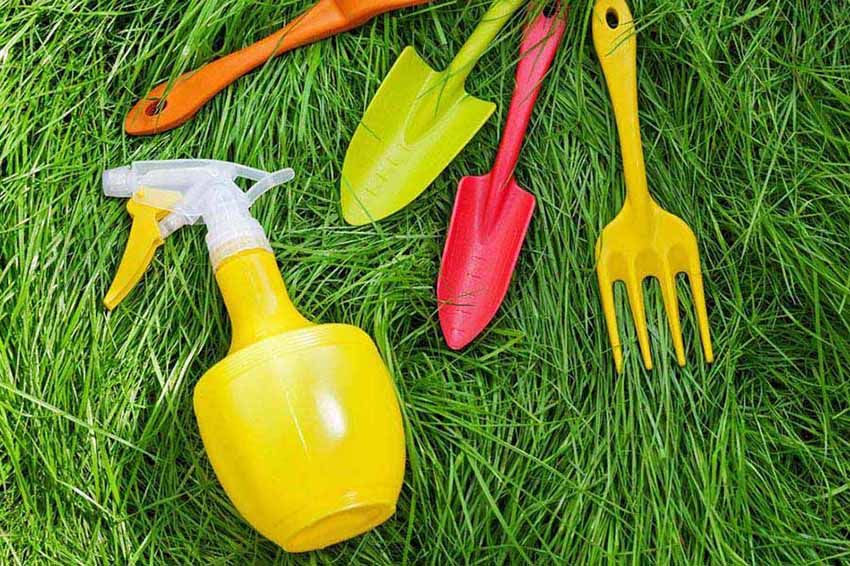
Using recycled plastic garden forks effectively requires understanding their unique characteristics. Start by familiarizing yourself with the tool’s weight distribution and handle design. These forks often have ergonomic handles that provide better grip than standard metal models. When digging, use a gentle rocking motion rather than forcing the tool into hard soil. This technique prevents cracking or breaking of the plastic components. For turning soil, apply steady pressure rather than sudden jerks. The plastic construction means it can flex slightly, which actually works to your advantage in certain situations. Always avoid dropping the fork from height or using it as a pry bar. These tools are designed for specific gardening tasks, not as general-purpose tools. Consider using the fork for light soil work, compost mixing, and planting small seedlings. The precision of the tines allows for careful handling of delicate plants without causing damage.
Maintenance and Care Tips
While recycled plastic garden forks require less maintenance than metal tools, proper care ensures longevity. After each use, rinse the fork with clean water to remove dirt and debris. For stubborn soil buildup, a quick brush with a stiff scrub brush helps. Store the tool in a dry place away from direct sunlight to prevent premature aging. Check regularly for any signs of wear or stress cracks, though these are rare with quality products. If you notice any damage, it’s best to replace the tool rather than attempt repairs. Many gardeners find that storing their plastic forks in a garden shed or covered area keeps them in optimal condition. Some users even apply a thin layer of food-safe oil to the handle area to prevent drying and cracking. Regular cleaning and proper storage can extend the life of these tools for years.
Ideal Applications and Limitations
Recycled plastic garden forks excel in several specific scenarios. They’re perfect for delicate work like transplanting seedlings, mixing potting soil, and preparing small garden beds. Their lighter weight makes them ideal for elderly gardeners or those with physical limitations. They also perform well in areas with acidic soils where metal tools might corrode quickly. However, they aren’t suitable for heavy-duty tasks like breaking up large clumps of clay soil or moving substantial amounts of earth. These forks are best used for light to moderate soil work. Consider them a specialized tool rather than a replacement for all your gardening needs. They shine in precise applications where their lightness and durability matter most. Some gardeners use them alongside traditional metal tools, selecting the right implement for each specific job.
Choosing Quality Recycled Plastic Forks
Not all recycled plastic garden forks are created equal. When shopping for these tools, look for products made from high-density polyethylene (HDPE) or similar durable materials. Check manufacturer specifications for load-bearing capacity and intended uses. Reputable brands often provide warranty information and customer support. Read reviews from other gardeners to gauge real-world performance. Pay attention to handle design – a comfortable grip reduces hand fatigue. Some forks feature reinforced tines or special coating treatments for enhanced durability. Price shouldn’t be the only factor; consider the tool’s expected lifespan and environmental benefits. Quality recycled plastic forks often cost more upfront but can save money over time due to reduced replacement needs. Look for certifications or third-party testing that verifies the product meets safety standards. The investment in quality can pay dividends in both performance and environmental impact.
Recycled plastic garden forks represent a thoughtful evolution in gardening tools that combines environmental responsibility with practical functionality. They may not be perfect for every gardening task, but they certainly have their place in modern gardens. The key is understanding when and how to use them effectively. These tools offer a compelling middle ground between traditional metal options and purely aesthetic garden decorations. Whether you’re looking to reduce your environmental footprint or simply need a reliable tool for specific jobs, recycled plastic garden forks deserve consideration. They prove that sustainability and practicality don’t have to be mutually exclusive. As more gardeners discover their benefits, these tools are likely to become even more refined and widely adopted. The next time you’re planning your garden tools, consider adding one of these eco-friendly options to your collection. You might be surprised at how well they perform and how good it feels to make a positive choice for the planet.