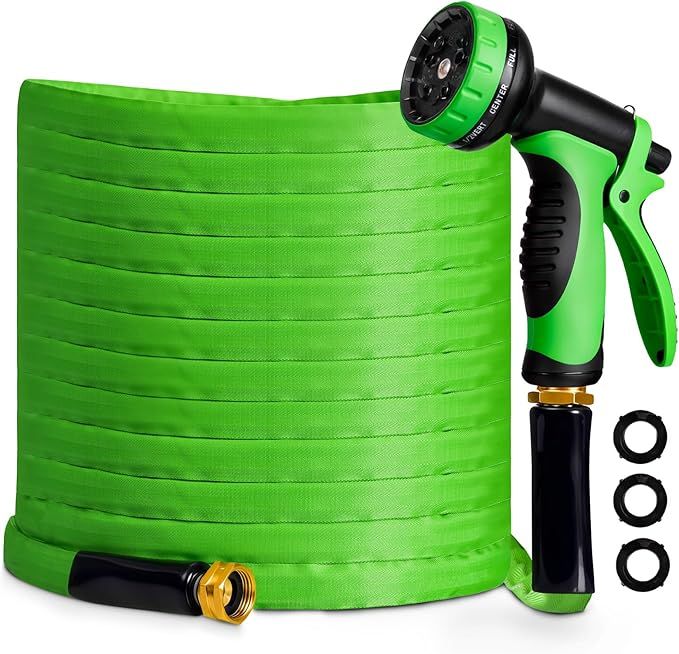
Gardening shouldn’t mean wasting precious water resources. With smart choices, we can keep our plants healthy while protecting our environment. The right garden hose makes all the difference when it comes to efficient watering practices.
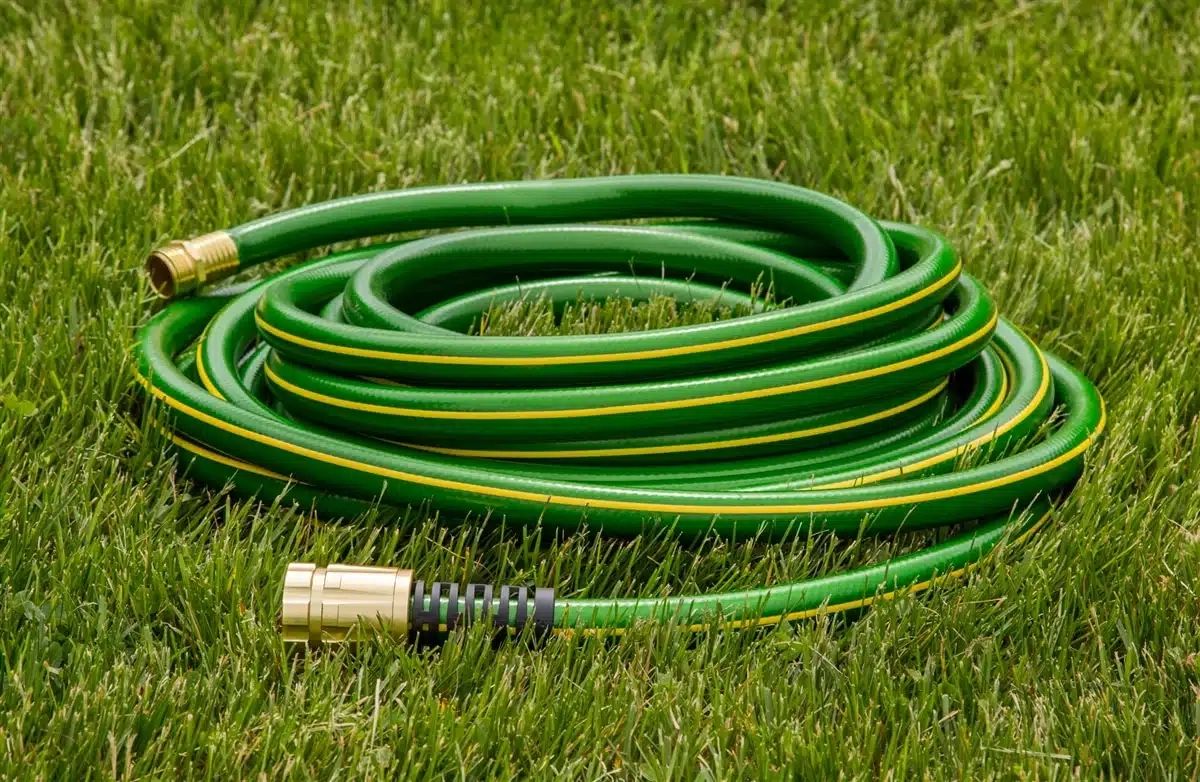
Picture this: You’re standing in your backyard, ready to water your garden. The sun beats down, and you’ve got a 25-foot garden hose stretched across your lawn. But instead of just turning the tap and letting water flow freely, what if you could control exactly how much water reaches each plant? That’s where sustainable garden hose solutions come into play. These aren’t just about saving money on water bills. They’re about preserving our planet’s most precious resource. Every drop counts, especially when droughts hit harder and more frequently across many regions. When we think about gardening, we often focus on soil, sunlight, and plant care. But water efficiency deserves equal attention. A good 25-foot garden hose isn’t just a tool – it’s a way to make gardening more responsible. It’s about making smarter choices that benefit both your garden and the community around you.
Understanding Water Waste in Traditional Gardening
Traditional gardening methods often lead to significant water waste. Many gardeners unknowingly use more water than necessary because they lack awareness of efficient techniques. When you turn on a standard hose, water flows at a constant pressure, regardless of whether your plants need it or not. This can result in runoff that washes away nutrients from the soil. Watering during peak daylight hours means a lot of evaporation before plants can absorb what they need. Some common wasteful habits include:
• Watering too frequently instead of deeply
• Using high-pressure settings unnecessarily
• Not checking for leaks regularly
• Ignoring weather conditions
Think about it – how many times have you seen water streaming across your lawn instead of soaking into the ground where plants need it most? This happens more often than we realize. When water runs off rather than being absorbed, we’re not just wasting money, we’re also potentially harming local ecosystems. Excess water can carry fertilizers and chemicals into nearby streams and rivers. Understanding these problems helps us see why sustainable solutions matter so much.
The Benefits of Choosing Sustainable Garden Hoses
Sustainable garden hoses offer more than just environmental benefits. They provide practical advantages that make gardening easier and more effective. These hoses are designed with features that reduce water consumption without sacrificing performance.
Key benefits include:
• Reduced water usage through better flow control
• Durable materials that last longer
• Improved connection systems to prevent leaks
• Better weight distribution for comfortable handling
• UV-resistant materials that withstand outdoor conditions
A quality 25-foot sustainable garden hose might cost a bit more upfront, but it pays for itself over time. Think about how many times you’ve had to replace cheap hoses that burst or leak after just a few seasons. The investment in sustainability creates lasting savings. Plus, many modern sustainable hoses come with built-in features like automatic shut-off valves or flow restrictors. These small innovations make a big difference in how efficiently we use water. The material matters too – some hoses are made from recycled materials or biodegradable components. This choice reflects a commitment to reducing environmental impact beyond just water conservation.
Essential Features to Look For in Efficient Hoses
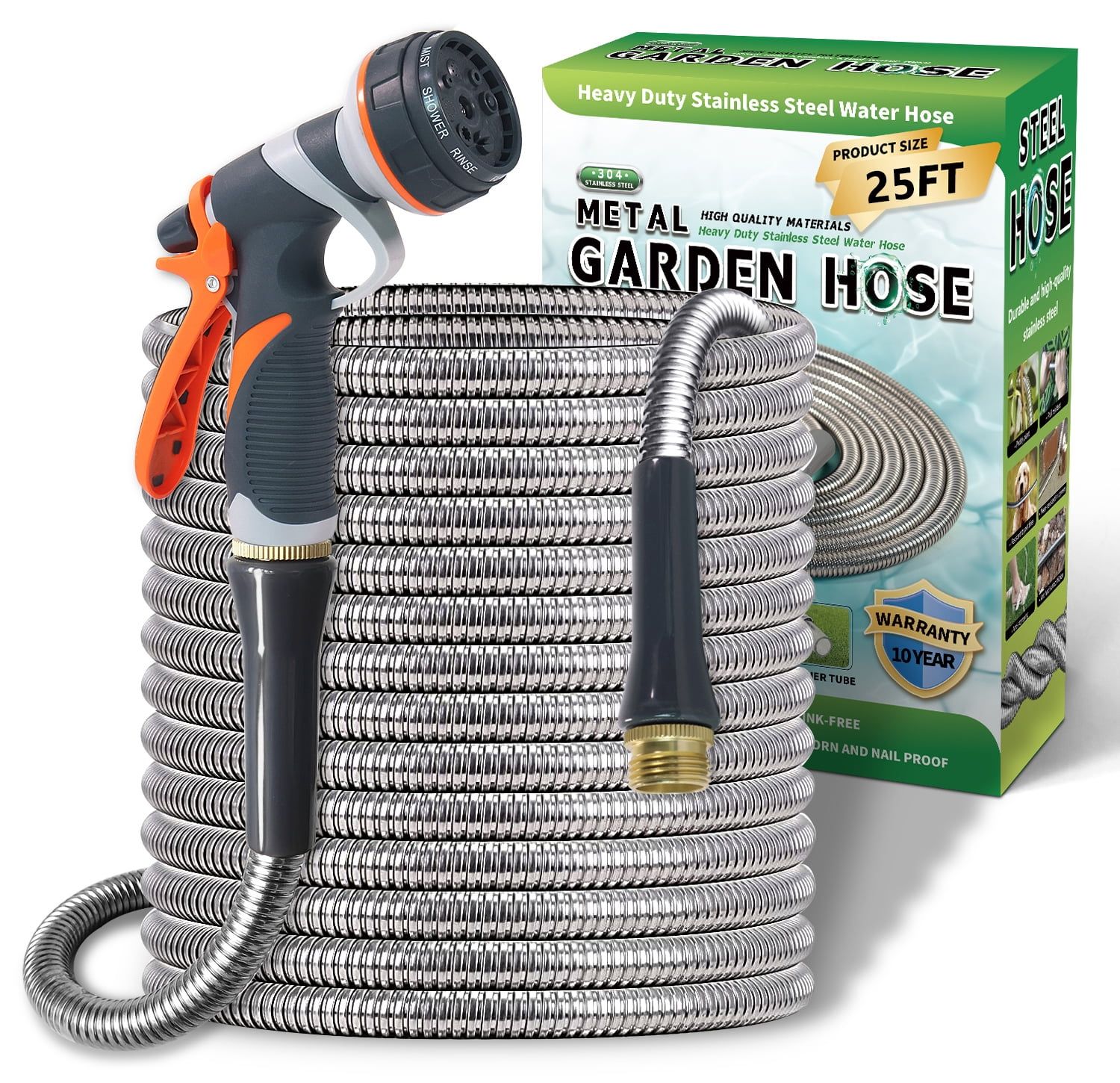
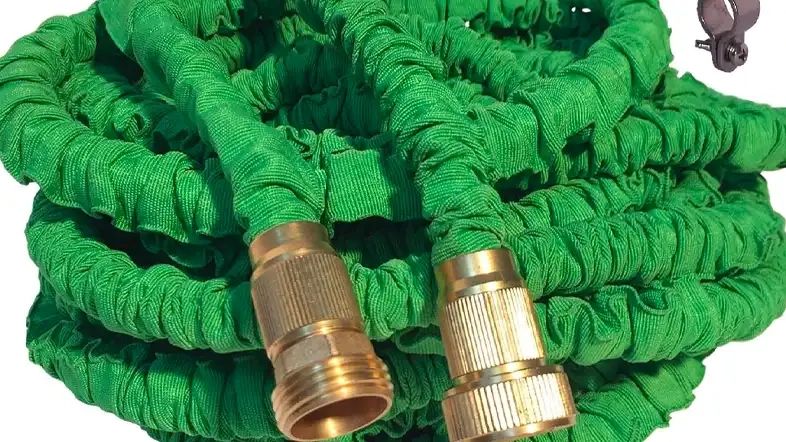
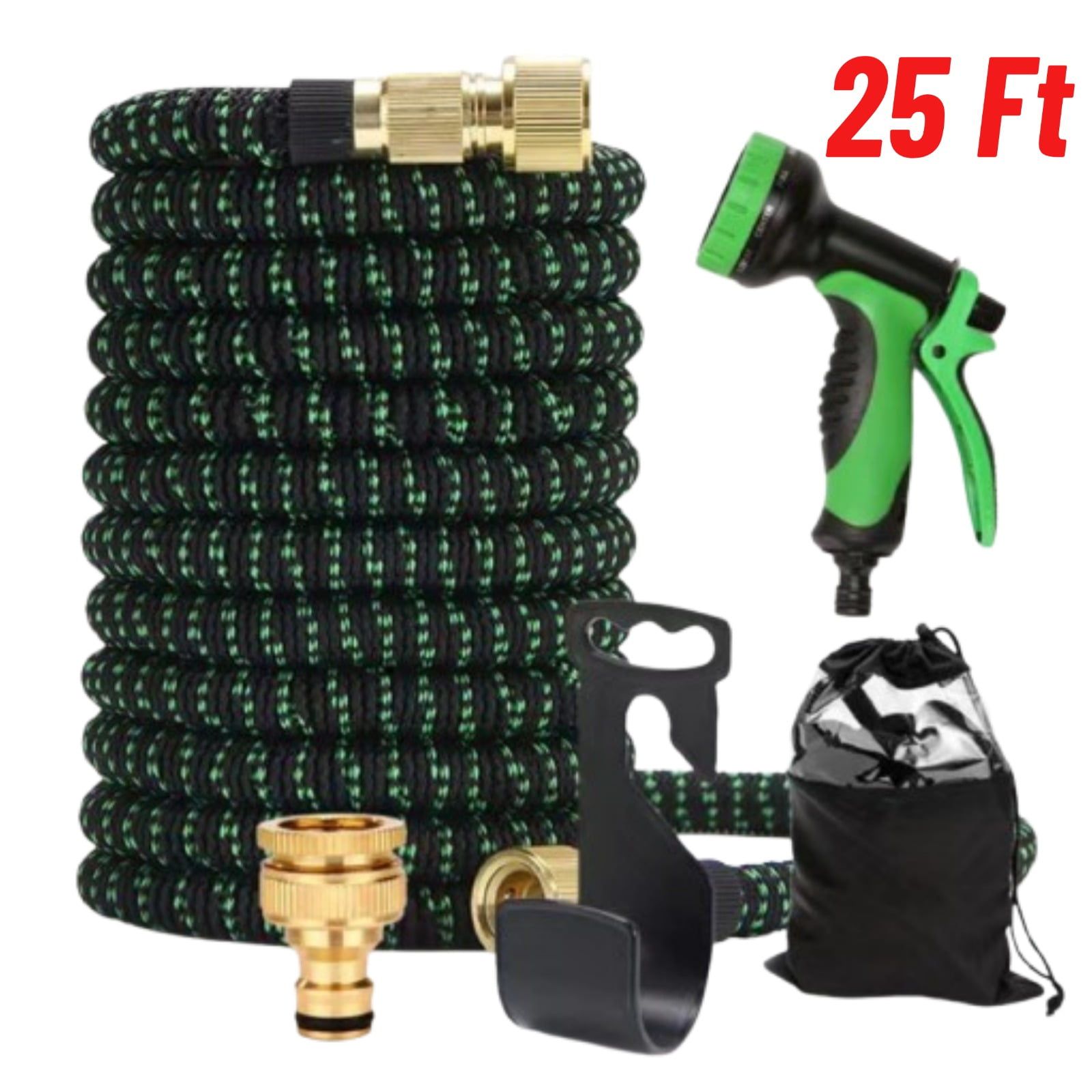
Not all garden hoses are created equal. When selecting a 25-foot sustainable option, certain features stand out as particularly important for water efficiency. Flow control mechanisms are crucial – these allow you to adjust water pressure based on your needs. Some hoses have built-in nozzles that let you switch between spray and stream modes. This simple feature can cut water usage by up to thirty percent. Another key element is the hose’s construction. Look for reinforced connections that won’t leak under normal pressure. Materials like thermoplastic elastomer (TPE) offer flexibility and durability without the environmental concerns of traditional PVC. Weight distribution also plays a role – a well-designed hose should feel balanced in your hands. Long hoses can become heavy and unwieldy, making them harder to use properly. A good sustainable hose balances performance with practicality. Consider hoses with integrated reels or storage systems. These keep the hose neat and prevent kinking, which can restrict water flow and cause damage. Remember, a hose that’s easy to use encourages proper watering habits rather than rushing through tasks.
Smart Watering Techniques with Your New Hose
Having a sustainable garden hose is just the first step. The real magic happens when you combine it with smart watering practices. The timing of your watering can make a huge difference in efficiency. Early morning or late evening watering reduces evaporation significantly. During these cooler hours, plants can absorb water more effectively. Deep, infrequent watering is better than shallow daily sprinkling. This encourages roots to grow deeper into the soil, making plants more drought-resistant. A 25-foot hose gives you the reach you need to water larger areas efficiently. You can position it strategically to cover multiple plants without moving it constantly. Try using a watering can attached to the end of your hose for precise applications. This works especially well for container gardens or delicate seedlings. The key is consistency – establish a routine that works for your schedule and your garden’s needs. Water slowly and evenly to avoid puddling or runoff. Most importantly, monitor your plants closely. Healthy plants will show signs of adequate moisture without requiring excessive watering. If you’re unsure, check the soil moisture with your finger or a simple moisture meter.
Maintenance Tips for Long-Lasting Efficiency
Proper maintenance keeps your sustainable garden hose performing at its best. Regular care prevents leaks and ensures maximum water efficiency throughout the growing season. Start by inspecting your hose monthly for cracks, wear, or weak spots. Pay special attention to connection points and the nozzle area. Clean your hose after each use by flushing it with clean water. This removes mineral deposits and debris that can clog the system. Store your hose properly during off-seasons – coils it neatly to prevent kinks. Some hoses come with built-in drain valves that help empty water completely. Check these regularly to ensure they function correctly. Keep your hose away from direct sunlight and extreme temperatures when possible. UV exposure can degrade materials faster than expected. Consider investing in a hose reel or storage box to protect it from weather and pests. Simple steps like these extend the life of your hose and maintain its water-saving capabilities. A well-maintained hose works better, lasts longer, and continues to support your sustainable gardening goals.
Real-World Impact of Efficient Water Use
The effects of choosing efficient garden hoses extend far beyond your personal yard. When gardeners adopt sustainable practices, they contribute to larger environmental efforts. In drought-prone areas, every gallon saved helps preserve local water supplies. Communities that embrace water-efficient gardening see reduced strain on municipal water systems. This can delay costly infrastructure upgrades and help maintain consistent water availability for everyone. Research shows that households with efficient watering practices can reduce outdoor water use by up to forty percent. That’s hundreds of gallons saved per month, especially during summer months. Beyond individual benefits, these practices influence neighbors and communities. When people see their neighbors successfully using sustainable methods, they’re more likely to try them themselves. The ripple effect can transform entire neighborhoods into water-conscious communities. Some cities even offer rebates or incentives for residents who upgrade to efficient irrigation systems. This recognition shows how personal choices can align with broader environmental goals. Your decision to choose a sustainable 25-foot garden hose might seem small, but it contributes to a larger movement toward responsible water stewardship.
Choosing a sustainable garden hose isn’t just about buying a new tool – it’s about making a conscious decision to care for our planet while maintaining beautiful gardens. The 25-foot length offers the perfect balance of reach and manageability for most garden sizes. By understanding water waste issues and selecting hoses with efficient features, we can make a meaningful impact. Smart watering techniques combined with proper maintenance ensure these investments pay off for years to come. The benefits go beyond personal savings – they contribute to community resilience and environmental health. Every gardener has the power to make positive change. Whether you’re a seasoned green thumb or just starting out, choosing sustainable options shows respect for water resources and future generations. Your garden becomes a demonstration of responsible stewardship, inspiring others to follow suit. The journey toward water-efficient gardening starts with small, thoughtful choices. The right hose, used properly, can transform how we approach one of our most fundamental gardening activities. It’s not just about watering plants – it’s about watering responsibly.