Does your shower feel like a trickle? You’re not alone. Many homeowners face this frustrating issue, especially when they want to keep their flow restrictor in place. This guide explores practical methods to boost your shower pressure without removing that little device that’s supposed to save water.
Picture this: you step into the shower, expecting that satisfying rush of water, only to be met with a weak stream that barely wets your hair. It’s one of those moments that makes you question everything about your home’s plumbing. The good news? You don’t have to rip out your flow restrictor to fix this. That tiny little device might actually be the key to solving your pressure problems rather than the problem itself. Sometimes, the solution lies in working smarter with what you already have, not just throwing it away.
Understanding How Flow Restrictors Work
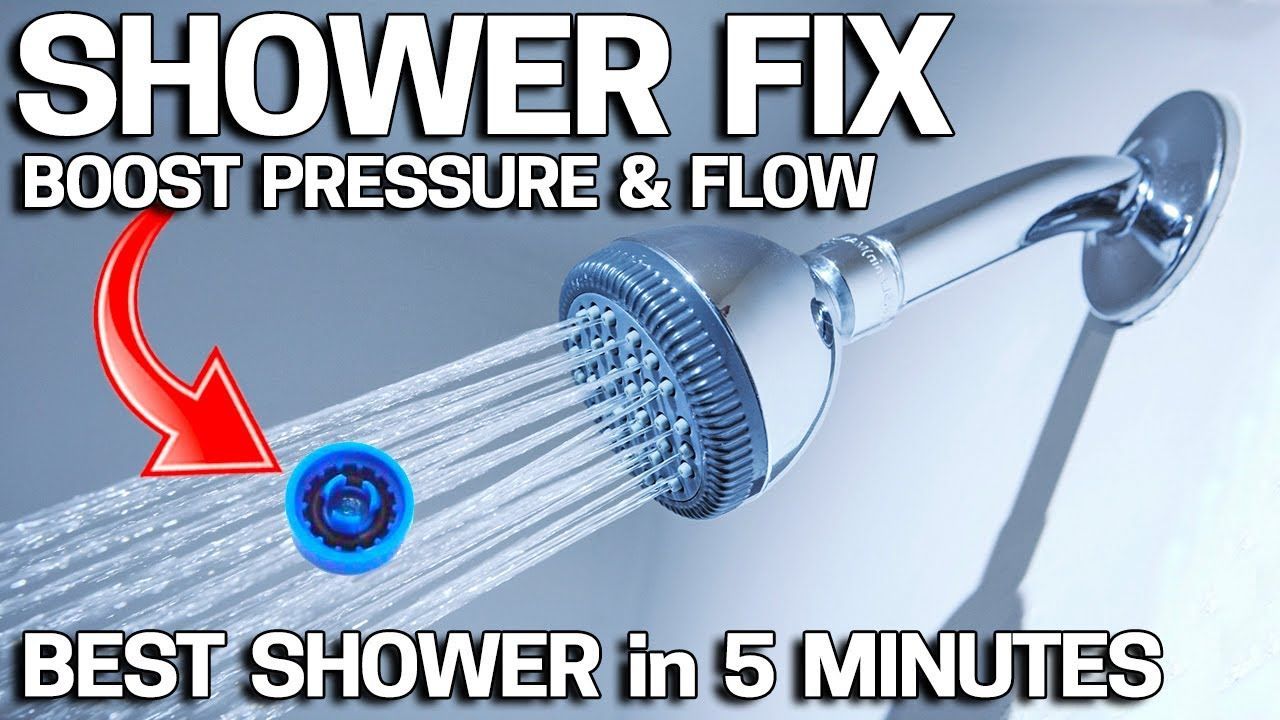
Flow restrictors are small devices installed in showerheads and faucets to limit water usage. They typically contain a small screen or washer that blocks part of the water flow. While designed to conserve water, they can sometimes cause pressure issues. The restrictor works by reducing the amount of water that can pass through, but if it’s clogged or improperly positioned, it can make your shower feel like it’s running on empty. These devices were originally created to help reduce water bills and environmental impact, but they can backfire when they become too restrictive. Think of them as the traffic cops of your plumbing system – they’re there to manage flow, but they can get stuck in traffic jams themselves.
Why Your Shower Pressure Might Be Low
There are several reasons why your shower might feel weak. The most common culprit is a clogged flow restrictor. Over time, minerals, rust, and debris can build up inside the restrictor, blocking water flow. Another reason could be old or corroded pipes that simply can’t deliver water efficiently anymore. Sometimes, the problem isn’t with the restrictor at all – it might be the water pressure coming into your home or even the showerhead itself. It’s like trying to drink through a straw that’s half blocked by a wad of paper. You can still drink, but it takes twice the effort. Other factors include low water pressure in your neighborhood or a faulty pressure-balancing valve that’s meant to keep temperatures stable but now causes reduced flow.
Cleaning Your Flow Restrictor
Before you consider removing anything, try cleaning the restrictor first. This is often the simplest fix. Here’s how to do it properly:
• Turn off the water supply to your shower
• Remove the showerhead carefully
• Take out the flow restrictor (usually a small plastic or metal disk)
• Soak it in white vinegar for 30 minutes to dissolve mineral buildup
• Gently scrub with a toothbrush to remove remaining deposits
• Rinse thoroughly with clean water
• Reinstall everything carefully
This method works because vinegar is naturally acidic and breaks down mineral deposits that accumulate over time. It’s like giving your plumbing a gentle detox treatment. Many people are surprised by how much improvement they see after just cleaning the restrictor. Some even report feeling like they’ve upgraded to a new showerhead overnight.
Checking and Adjusting Your Showerhead
Sometimes the issue isn’t with the restrictor itself, but with how the showerhead is assembled or positioned. Check if:
• The showerhead is properly tightened to the pipe
• There are any loose connections that might be restricting flow
• The internal components are aligned correctly
• The spray holes aren’t blocked by soap scum or mineral deposits
• The shower arm isn’t kinked or bent
A simple adjustment might solve everything. You’d be amazed at how much difference proper alignment makes. Sometimes you can even improve pressure by simply turning the showerhead slightly to change the spray pattern. It’s like adjusting the angle of your car windshield wipers to get better visibility.
Using a Pressure-Boosting Showerhead
If cleaning doesn’t work, consider upgrading to a showerhead specifically designed to increase water pressure. These special heads use various technologies to make your existing water flow feel stronger. Look for features like:
• Venturi effect design that pulls in air to create a fuller spray
• Multiple spray settings to customize your experience
• High-pressure technology that maximizes your current water flow
• Special nozzles that concentrate water for a more forceful stream
These showerheads don’t remove the restrictor, they work around it. Some models claim to increase pressure by up to 40% without changing your plumbing setup. It’s like having a better engine for your existing car instead of replacing the entire vehicle. Many users report dramatic improvements with minimal effort.
Professional Solutions and System Checks
When DIY solutions don’t work, it’s time to call in the experts. A plumber can check:
• If your home’s main water pressure is adequate
• Whether there are issues with the water heater or pressure regulator
• If your pipes need replacement or cleaning
• Whether the restrictor is functioning properly or needs replacement
• If your shower system requires additional pressure-boosting equipment
Sometimes the problem extends beyond the showerhead itself. Your entire home’s plumbing system might need attention. Professional inspection can reveal hidden issues that you wouldn’t catch on your own. Think of it as a tune-up for your whole house’s water system. It might cost a bit more, but it’s often worth it to avoid future headaches.
Improving your shower water pressure without removing the restrictor is definitely possible, and it’s often easier than you think. Start with simple steps like cleaning the restrictor and checking your showerhead assembly before moving on to more complex solutions. Remember, the restrictor wasn’t designed to be a problem – it was meant to help you save water and money. Sometimes, the best approach is to work with what you have rather than against it. Whether you’re dealing with mineral buildup, improper installation, or just want a more satisfying shower experience, there are practical solutions available. Don’t give up on your current setup just yet – you might just discover that your shower pressure is better than you thought it was. The key is being patient and methodical about finding the right solution for your specific situation. After all, the perfect shower experience starts with understanding your plumbing system.