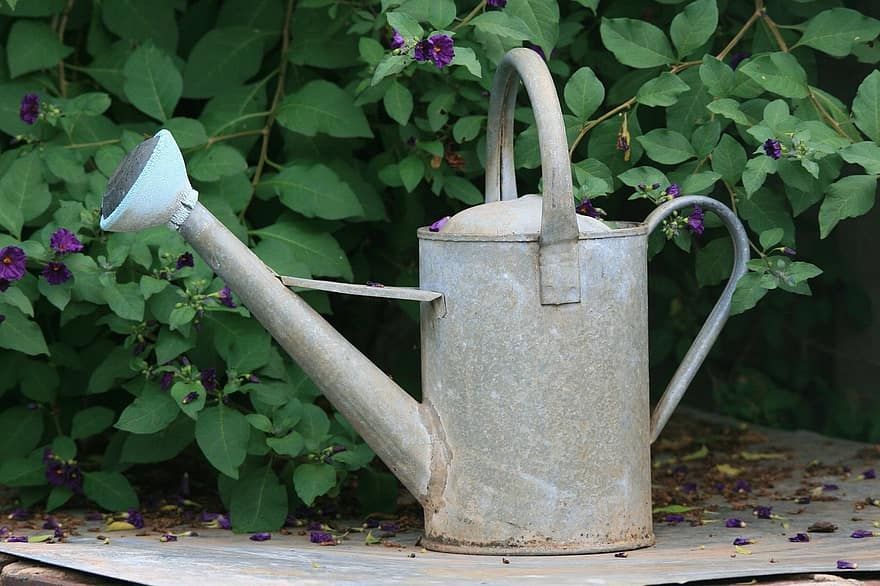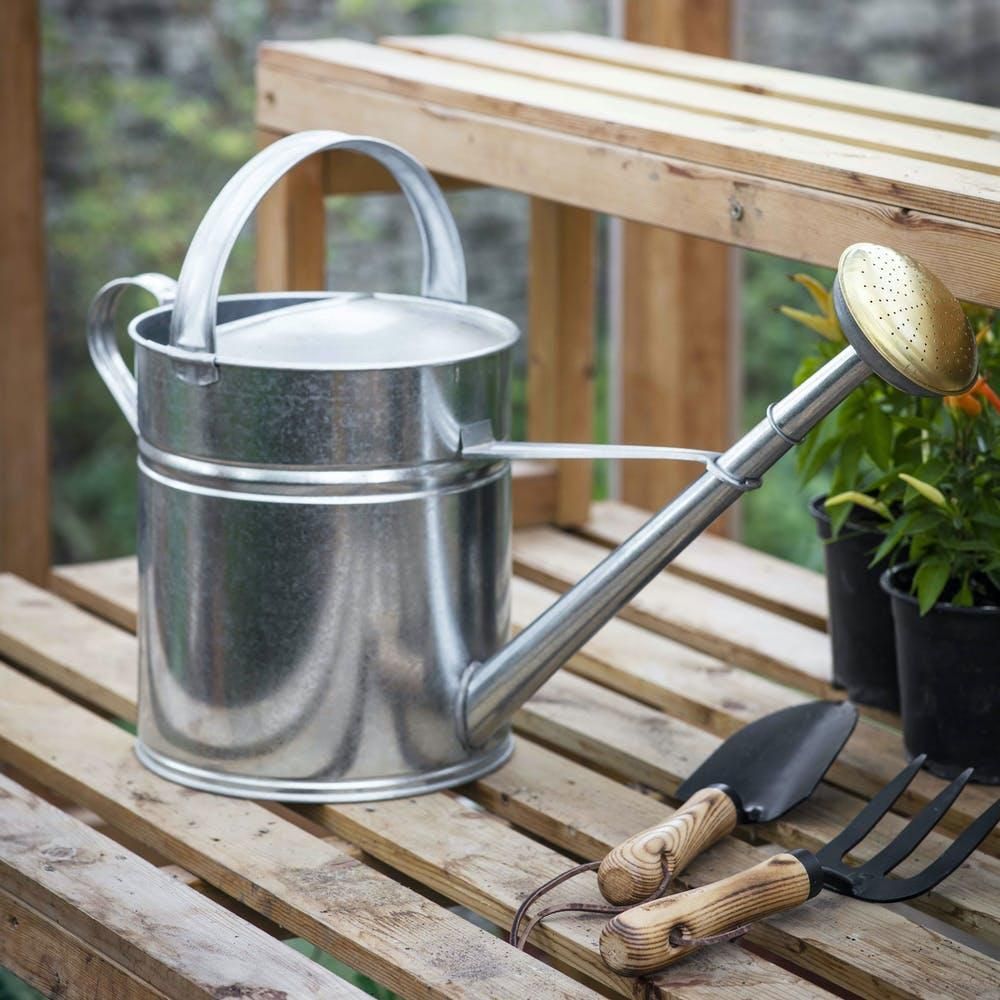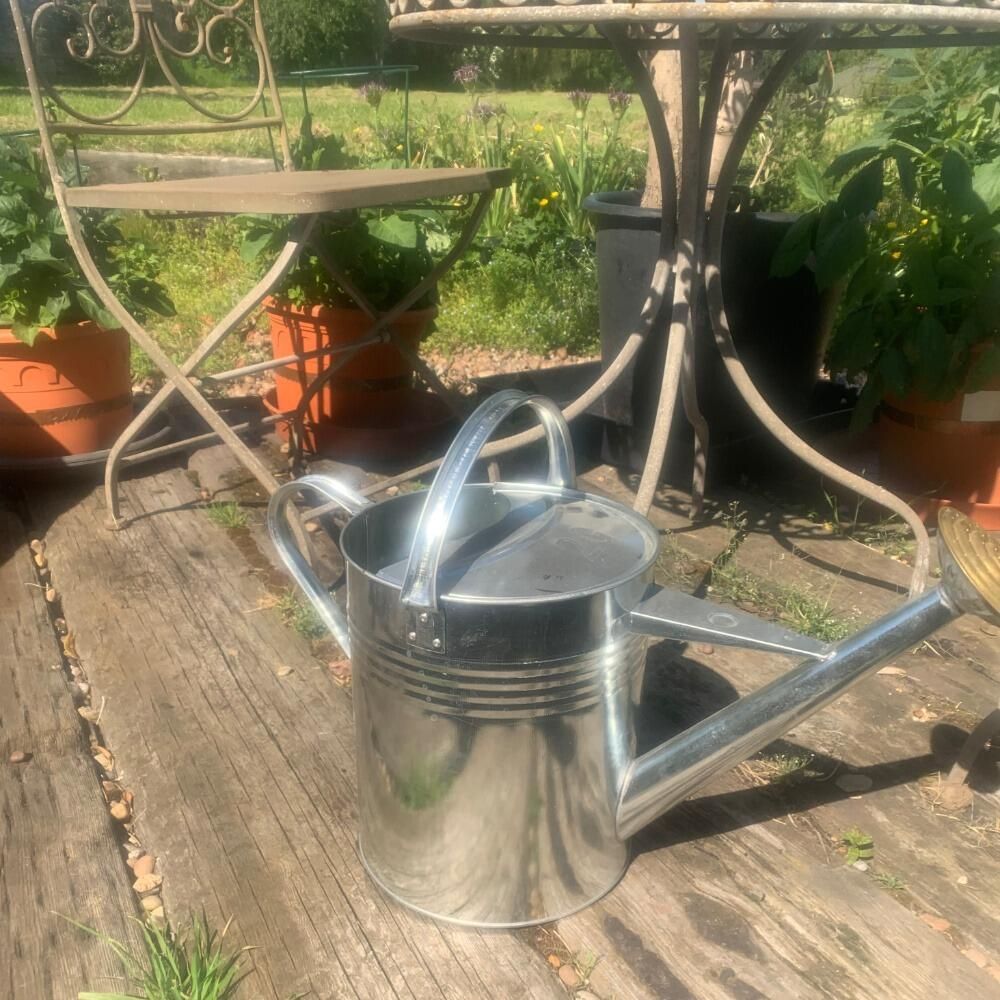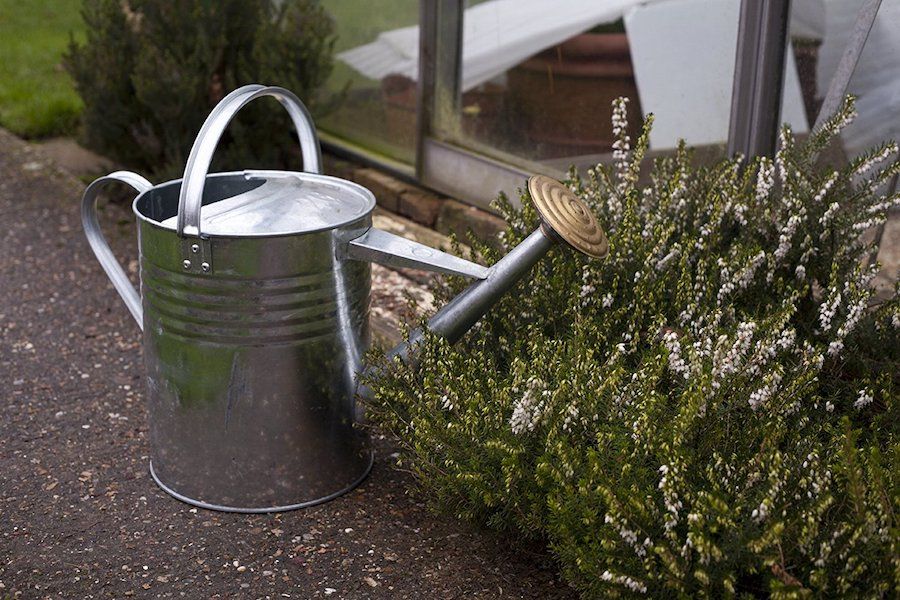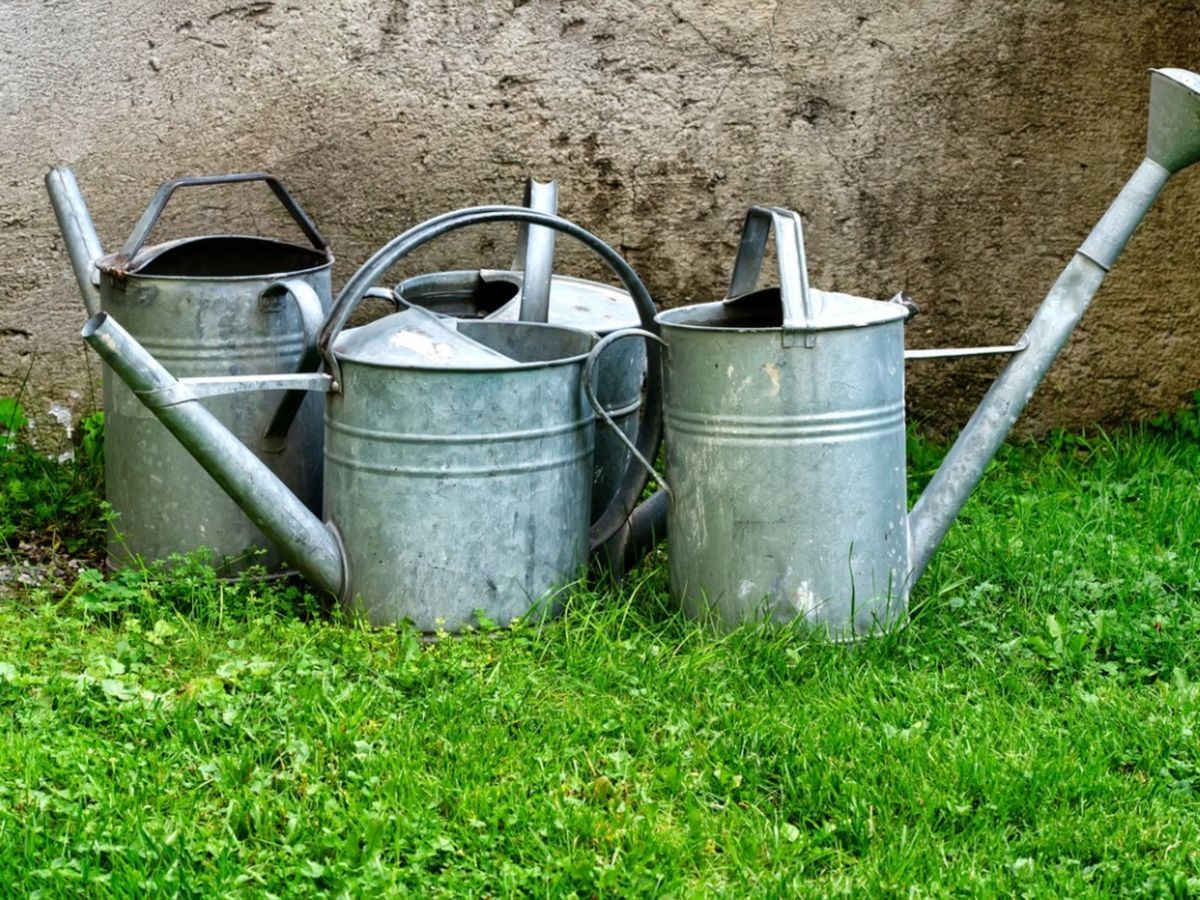
When you water your garden, you might not think about what’s inside your watering can. But the material it’s made from could be quietly affecting the planet. Imagine a small tool that helps nurture plants, but also carries a heavy environmental footprint. That’s exactly what many traditional watering cans do. However, there’s a better way.
Gardening is one of humanity’s oldest practices, but our approach to garden tools has evolved dramatically. Today, when we choose a watering can, we’re making more than just a practical decision. We’re participating in a larger conversation about sustainability. The humble watering can might seem insignificant, but its materials tell a bigger story. What happens when you pick up a recycled metal watering can instead of a brand-new plastic one? The answer might surprise you. This isn’t just about personal preference or cost – it’s about the hidden environmental costs embedded in every garden tool we buy.
The Production Footprint of Traditional Watering Cans
Traditional watering cans, especially those made from new metals like aluminum or steel, require enormous amounts of energy to produce. Manufacturing these containers involves mining raw materials, processing them through high-temperature furnaces, and then shaping them into the final product. It takes roughly 20 times more energy to produce a new aluminum can than to recycle one. The carbon emissions from this process alone are staggering. For every gallon of water a traditional watering can holds, consider the environmental cost of creating that container. Mining operations destroy habitats, and the refining process pollutes air and water. Even the transportation of these products adds to the overall environmental burden. Think about how many trees could be saved if we simply reused materials already in circulation.
Recycled Metal: A Different Story
Now imagine a watering can made from recycled steel or aluminum. These materials have already been processed once before, meaning the energy required to create them is dramatically reduced. When you choose a recycled metal watering can, you’re essentially giving new life to old materials that might otherwise end up in landfills. The production process for recycled metal uses about 95% less energy than producing virgin metal. It also cuts down on waste and reduces the demand for new mining operations. Plus, recycling metal doesn’t produce the same harmful emissions as creating new materials from scratch. Every time you purchase a recycled watering can, you’re voting with your wallet for a cleaner future. It’s a simple choice that supports a circular economy rather than a linear one.
Durability and Longevity: A Sustainable Advantage
Here’s something that might surprise you: recycled metal watering cans often last much longer than their traditional counterparts. Metal is naturally resistant to wear and tear, and when it’s been properly recycled and reprocessed, it can maintain its strength for decades. Plastic watering cans, on the other hand, tend to crack, fade, and break after just a few seasons. When you consider the lifespan of each container, the environmental benefit becomes even clearer. A single metal watering can that lasts 20 years replaces dozens of plastic ones. That’s not just good for your garden – it’s good for the planet. Many gardeners report that their recycled metal cans look as good as new after 15 years of regular use.
Waste Reduction and Landfill Impact
Every year, millions of pounds of plastic watering cans end up in landfills across America. These containers take hundreds of years to decompose, and during that time, they release harmful chemicals into soil and groundwater. In contrast, metal watering cans can be recycled again and again, creating a continuous loop of reuse. When a recycled metal can finally reaches the end of its life, it goes back into the recycling stream rather than becoming trash. This cycle prevents waste from accumulating in landfills and reduces the need for new raw materials. Consider that a single recycled metal watering can keeps about 15 pounds of material out of landfills. Multiply that by millions of gardeners, and the impact is enormous.
Chemical Leaching and Safety Concerns
Plastic watering cans have raised concerns among gardeners due to potential chemical leaching. Some plastics contain substances like BPA or phthalates that can migrate into water, especially when exposed to heat or sunlight. These chemicals may affect both plant health and human safety. Metal watering cans, particularly those made from food-grade stainless steel or properly treated aluminum, pose no such risk. They don’t interact with water or soil in harmful ways. In fact, many gardeners prefer metal cans because they believe they provide purer water for plants. The absence of chemical contamination makes recycled metal cans not just environmentally friendly, but also safer for gardening purposes.
Cost Effectiveness Over Time
While recycled metal watering cans might cost slightly more upfront, they offer significant savings over time. You won’t need to replace them frequently, unlike plastic alternatives that often fail within two or three growing seasons. The durability of metal means fewer replacements, which means less money spent and less environmental impact. Some gardeners find that investing in quality recycled metal cans pays for itself within a few years. Additionally, many retailers offer discounts on recycled products, making them even more affordable. Think of it as an investment in both your garden and the planet. A well-made recycled metal can can serve multiple generations of gardeners, making it a truly sustainable purchase.
Choosing a recycled metal watering can might seem like a small decision, but it represents a larger shift toward sustainable living. When you opt for recycled materials over new ones, you’re actively participating in reducing waste, conserving energy, and protecting natural resources. Every garden tool purchase tells a story about what kind of future we want to create. Recycled metal watering cans prove that sustainability and functionality can go hand-in-hand. They’re not just containers for water – they’re symbols of conscious consumption. The next time you head to the garden store, consider the journey your watering can has taken. Is it made from new materials that require massive energy inputs, or is it crafted from recycled materials that give old things new purpose? The choice you make matters, and it matters more than you might realize.