Every time we choose one material over another, we’re casting a vote for the kind of future we want to live in. When it comes to agricultural netting, the choice between plastic and hemp might seem small, but it carries enormous implications for our environment. Imagine walking through a field where the air smells fresh, not of synthetic chemicals, and where the soil beneath your feet is healthy and thriving. This vision isn’t just wishful thinking – it’s achievable through simple changes like choosing hemp over plastic.
In the world of agriculture, few things are as ubiquitous as plastic mesh and netting. These materials have dominated farming practices for decades because they’re cheap, durable, and readily available. But behind their convenience lies a hidden cost that affects every living thing in our ecosystem. Consider this: plastic netting doesn’t biodegrade naturally. Instead, it breaks down into microplastics that contaminate soil and water, harm wildlife, and eventually work their way into our food chain. Meanwhile, there’s a natural alternative that’s been used for thousands of years – hemp. This remarkable plant offers everything we need from agricultural netting, plus benefits that go far beyond simple functionality.
The Plastic Problem in Agriculture
Plastic netting has become the backbone of modern farming operations worldwide. It’s used to protect crops from pests, support climbing plants, and manage growth patterns across millions of acres. The scale of usage is staggering – agricultural plastic covers roughly 200 million tons annually, with netting representing a significant portion of that total. But what happens when we stop using these materials? What if we could maintain crop protection while reducing environmental damage? That’s where hemp comes into play.
The problem with plastic extends far beyond its production process. When farmers finish using plastic nets, they often dispose of them improperly, creating massive waste streams. Many end up in landfills where they persist for hundreds of years. Others wash into rivers and oceans, breaking down into tiny particles that are consumed by fish, birds, and even humans. Studies show that microplastics now appear in 90% of bottled water and are found in seafood, vegetables, and even the air we breathe.
Consider a typical scenario: a farmer uses plastic netting to support tomato plants during the growing season. At harvest time, the netting is discarded, leaving behind fragments that will remain in the soil for centuries. These fragments release toxic chemicals as they degrade, affecting soil health and potentially contaminating groundwater. The cycle continues year after year, creating a persistent pollution problem that’s difficult to solve.
What Makes Hemp Different
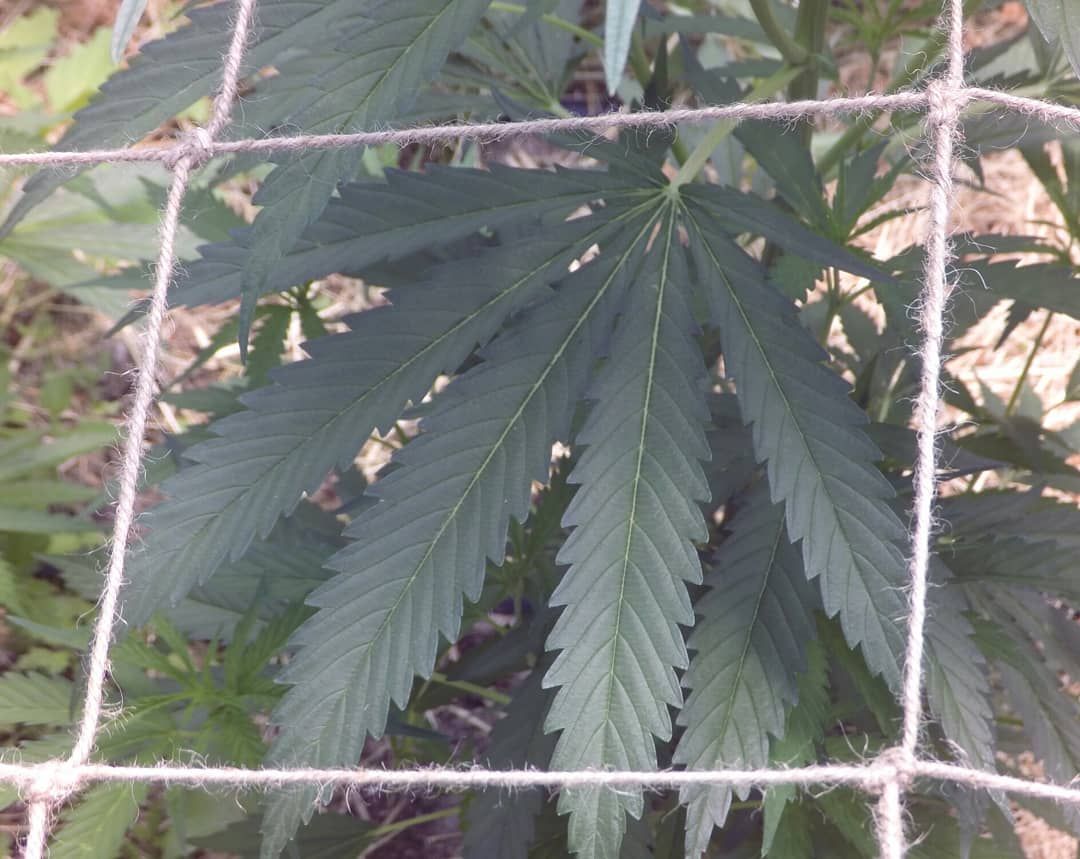
Hemp is a versatile plant that has been cultivated for thousands of years, with evidence of its use dating back to ancient China and Egypt. Unlike plastic, hemp is a renewable resource that grows rapidly and requires minimal inputs. It’s also naturally resistant to pests and diseases, making it an ideal candidate for sustainable agriculture. The fibers used in hemp netting are incredibly strong and durable, yet they decompose naturally within a few months when exposed to the elements.
The key difference lies in how these materials interact with the environment. Plastic netting creates a permanent barrier that disrupts natural processes, while hemp netting works with nature rather than against it. When hemp netting reaches the end of its useful life, it becomes compost material that enriches the soil rather than polluting it. This fundamental difference makes hemp netting a game-changer for environmentally conscious farming practices.
Think about the lifecycle of a single hemp netting product versus a plastic one. A plastic netting system might last five years before needing replacement, but it never truly disappears. A hemp netting system might last three years, but once it’s done, it returns to the earth as organic matter. This simple shift represents a complete reversal of our approach to agricultural materials.
Environmental Benefits of Hemp Netting
The environmental advantages of choosing hemp over plastic are numerous and measurable. First and foremost, hemp netting produces zero plastic waste. Every piece that’s no longer needed can be composted or returned to the soil, contributing to a circular economy rather than a linear one. This means less waste in landfills and fewer resources needed for new production.
Hemp cultivation itself is remarkably beneficial to the environment. The plant removes carbon dioxide from the atmosphere at a rate of 15 tons per hectare annually, making it one of the most effective carbon sequestration methods available. It also requires significantly less water than many other crops, needing only about 100 liters per plant compared to 1000+ liters for cotton. Additionally, hemp plants naturally suppress weeds, reducing the need for herbicides and pesticides.
Hemp also improves soil health in ways that plastic cannot match. As the plant grows, it aerates the soil through its extensive root system, improving water retention and preventing erosion. When the plant decomposes, it adds organic matter that feeds beneficial microorganisms and earthworms. This creates a positive feedback loop that enhances soil fertility over time.
Let’s look at some concrete numbers: one hectare of hemp can produce 4-6 tons of fiber while absorbing 15 tons of CO2. In contrast, plastic production requires fossil fuels and generates greenhouse gas emissions throughout its entire lifecycle. The environmental impact of producing a single ton of plastic netting is equivalent to driving a car 2000 miles.
Economic Advantages for Farmers
While the environmental benefits are compelling, many farmers are concerned about costs. The good news is that hemp netting can actually save money over time. Initial investment might be slightly higher, but the durability and reusability of hemp products often provide better long-term value. Many farmers report that their hemp netting lasts longer than plastic alternatives, reducing replacement costs.
The economic case becomes even stronger when considering additional benefits. Hemp netting reduces the need for expensive chemical treatments since the plant naturally resists pests and diseases. It also eliminates disposal costs associated with plastic netting, which can add up significantly over time. Some farms have reported savings of 20-30% in overall netting-related expenses after switching to hemp.
Beyond immediate savings, there’s also potential for additional revenue streams. Some farmers are exploring opportunities to sell excess hemp fiber or seeds, turning their netting materials into sources of income. The versatility of hemp means it can be used for multiple purposes beyond just netting – from textiles to construction materials to biofuels.
Consider a family farm that uses 500 square meters of netting annually. If they switch from plastic to hemp, they might spend $200 more upfront but save $150 annually on replacement costs and disposal fees. After just two years, the switch pays for itself and continues providing savings.
Real-World Applications and Case Studies
Farmers around the world are already experiencing the benefits of hemp netting in practice. In Italy, vineyards have successfully transitioned from plastic to hemp netting, reporting improved grape quality and reduced labor costs. The hemp netting provides excellent support for grapevines while allowing proper air circulation, which helps prevent disease.
California’s organic farming sector has embraced hemp netting for vegetable production. Farmers growing tomatoes, peppers, and cucumbers have noted that their crops perform better with hemp netting, likely due to improved soil conditions and reduced chemical inputs. One grower reported a 15% increase in yield after switching to hemp netting, attributing the improvement to better plant health and reduced pest pressure.
In developing countries, where access to affordable plastic netting is limited, hemp has emerged as a practical alternative. Small-scale farmers in Kenya and India have found that locally grown hemp can provide high-quality netting at competitive prices while offering superior environmental benefits. These communities are discovering that sustainable farming practices don’t have to mean lower productivity.
One particularly inspiring example comes from a cooperative in France where farmers collectively purchase hemp netting and share the costs. They’ve seen not only environmental improvements but also stronger community ties as they work together toward common sustainability goals.
Challenges and Solutions
Despite its advantages, hemp netting does face some challenges that need addressing. One major obstacle is availability – hemp netting isn’t yet widely available in all regions, and prices can vary significantly depending on location and supplier. However, this is changing as demand increases and more manufacturers enter the market.
Another concern is that hemp netting may not be suitable for all applications. Some specialized uses require the exact properties of plastic, though research continues to improve hemp’s performance characteristics. For instance, certain plastic netting types offer UV resistance that hemp currently lacks, though this gap is closing rapidly.
Cost remains a consideration for many farmers, especially those operating on tight margins. While hemp netting can save money over time, the initial investment might be prohibitive for smaller operations. However, government subsidies and grants for sustainable farming practices are beginning to offset these costs.
Training and education also play crucial roles. Many farmers aren’t familiar with hemp netting techniques or know how to properly care for hemp materials. Extension services and agricultural organizations are working to address this knowledge gap through workshops and demonstration projects.
The path forward involves collaboration between farmers, researchers, manufacturers, and policymakers. As awareness grows, so does the industry’s ability to meet demand and overcome current limitations.
The choice between hemp and plastic netting might seem small, but it represents a larger shift toward sustainable agriculture that benefits everyone. As we face mounting environmental challenges, every decision matters – from what we eat to how we grow our food. Hemp netting offers a practical solution that combines environmental responsibility with economic sense.
The evidence is clear: hemp netting reduces pollution, improves soil health, supports biodiversity, and can save farmers money over time. While challenges exist, they’re being addressed through innovation, collaboration, and growing awareness. The future of agriculture depends on our willingness to embrace alternatives that work with nature rather than against it.
As consumers, we can support this transition by choosing foods grown using sustainable practices and advocating for policies that encourage environmentally friendly farming methods. The power to create change lies not just in individual choices, but in collective action. When farmers, researchers, and communities work together toward common goals, we can build a more sustainable future for agriculture and our planet.