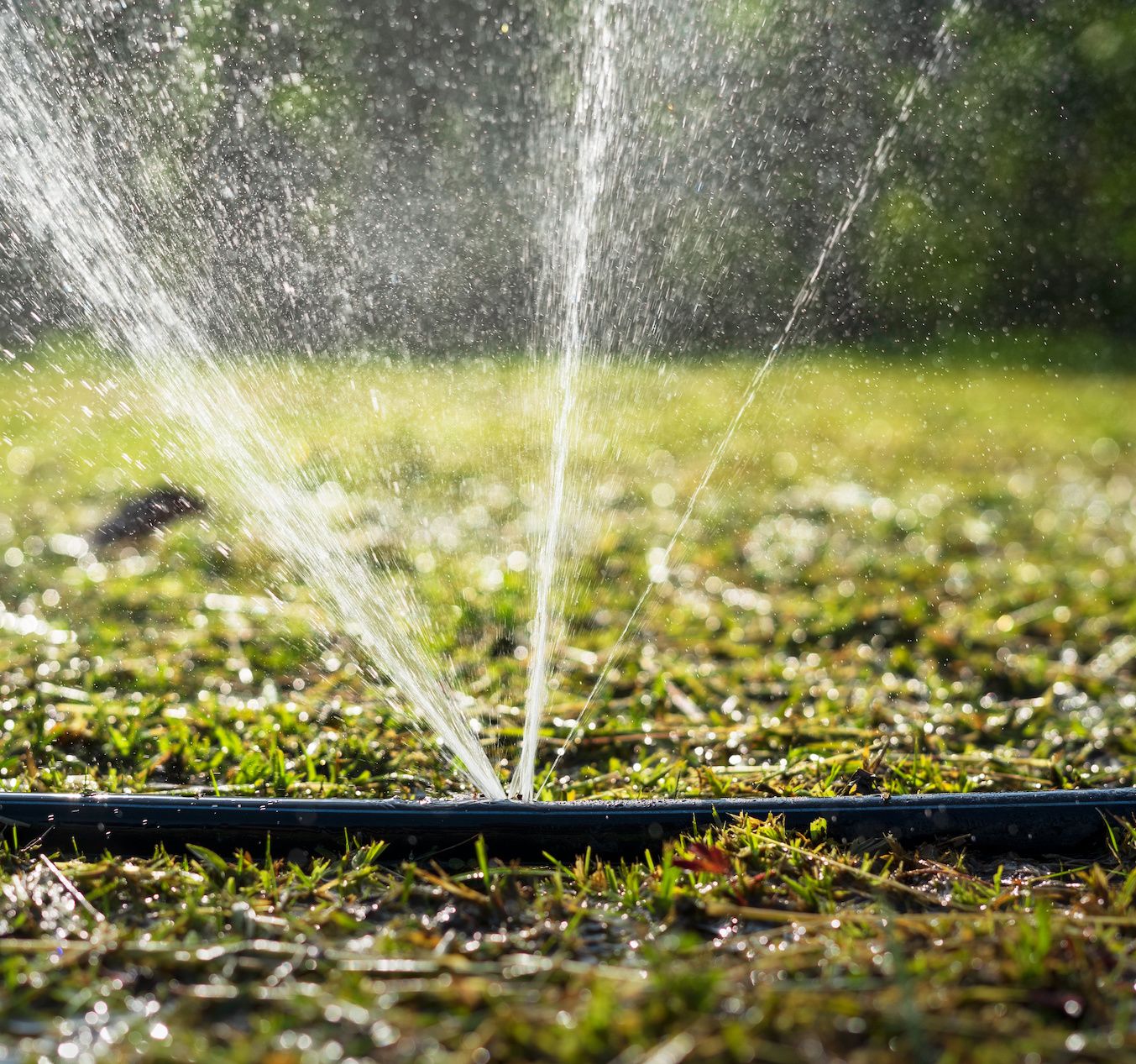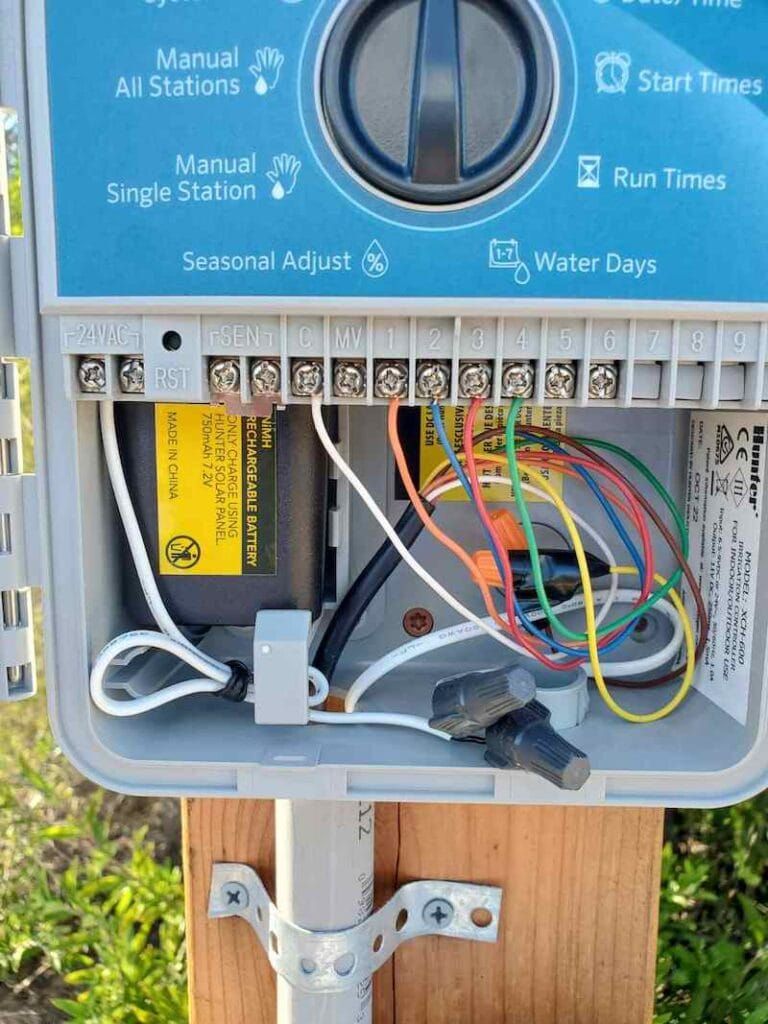
Picture this: your garden gets watered automatically even when you’re away, powered entirely by the sun, with no electrical cords or expensive utility bills. Sounds like a dream? It’s actually becoming reality for gardeners everywhere. These amazing systems combine renewable energy with smart technology to make watering your plants effortless and eco-friendly.
If you’ve ever stood over your garden, wondering if you’re giving your plants just the right amount of water, then you’re not alone. Many gardeners struggle with timing, efficiency, and the sheer amount of work involved in keeping their green spaces healthy. Enter solar garden irrigation controller systems – a game-changer for anyone who wants to grow plants without constant manual intervention. These systems harness the power of sunlight to automate watering schedules, ensuring your garden gets exactly what it needs, when it needs it. Whether you’re tending to a small balcony garden or managing a large vegetable patch, understanding how these controllers work can transform your gardening experience. They’re not just fancy gadgets – they’re practical solutions that help you become a more efficient and environmentally conscious gardener.
What Are Solar Garden Irrigation Controllers?
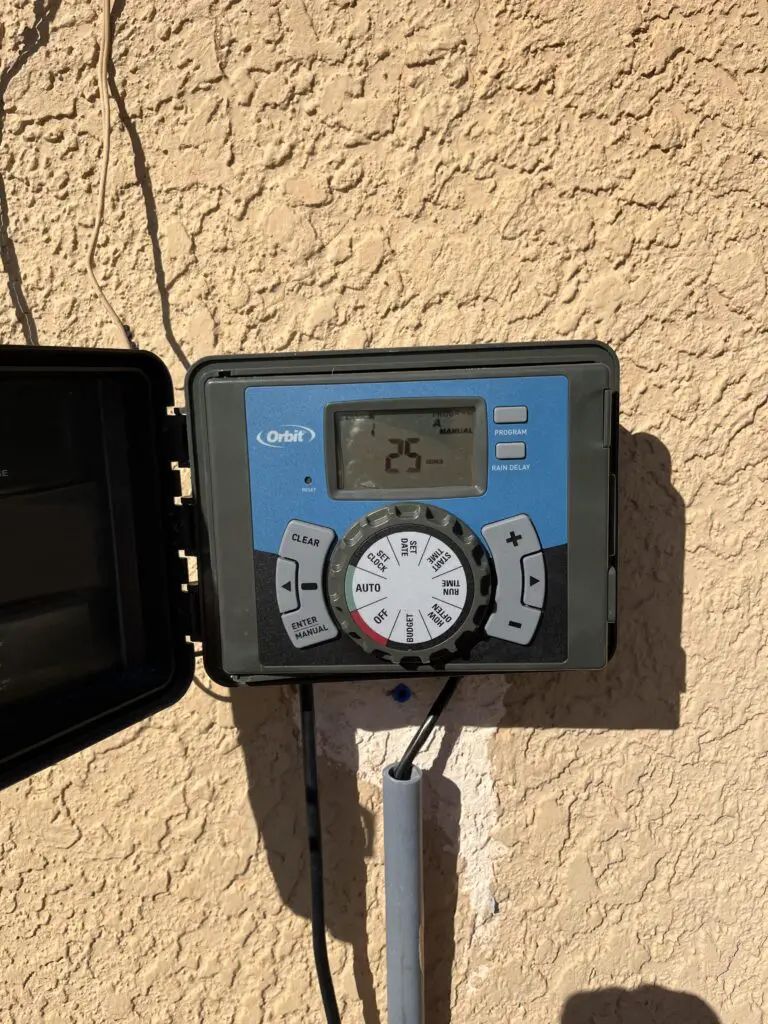
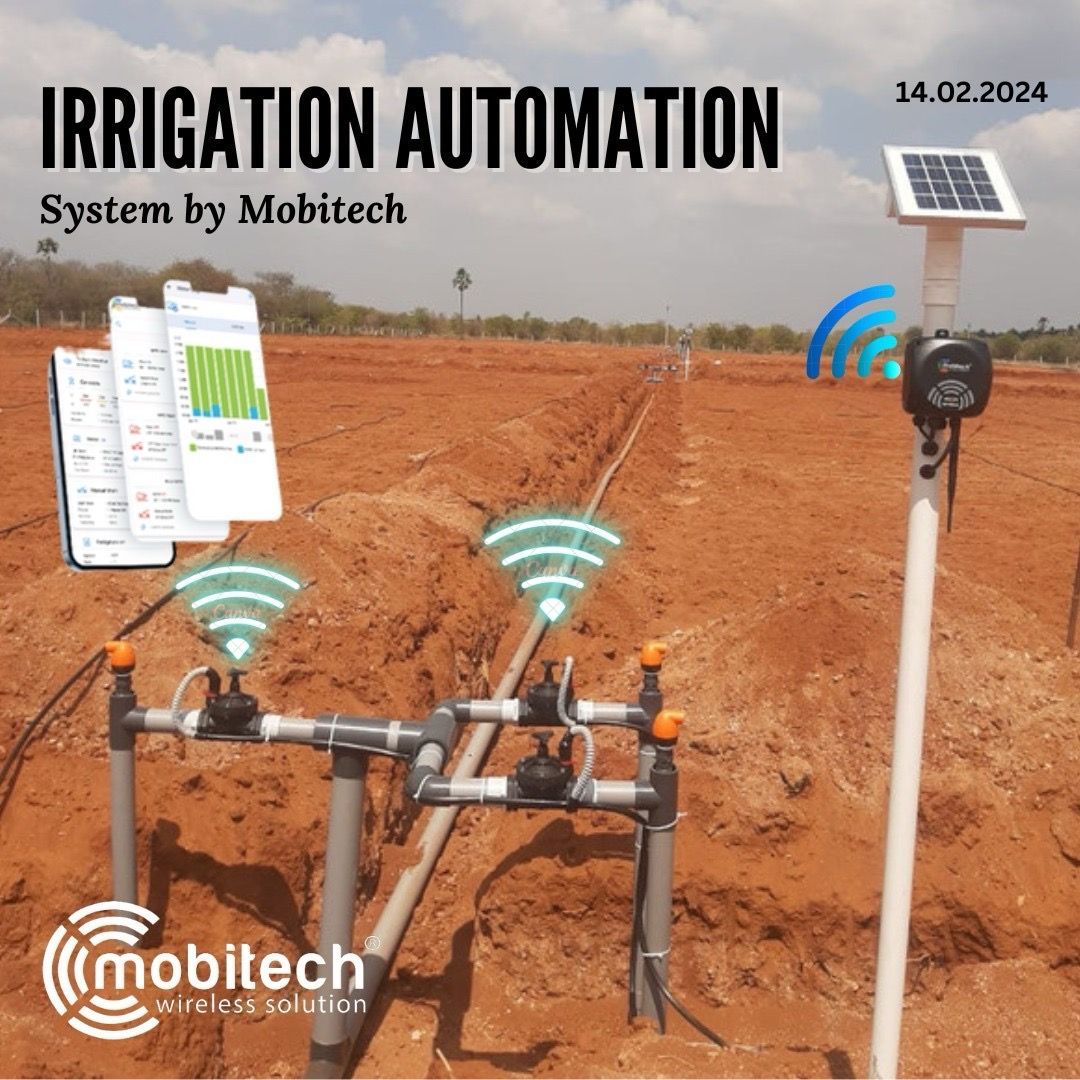
Think of solar garden irrigation controllers as the brain and brawn of your automated watering system. These devices are essentially smart timers powered by solar panels that control when and how much water your garden receives. Unlike traditional irrigation systems that require electricity or batteries, these controllers use solar energy to operate. They typically consist of a control unit, solar panel, battery backup, and sometimes additional components like moisture sensors. The controller receives power from sunlight during the day and stores it in rechargeable batteries for use during cloudy periods or nighttime. This means your garden gets watered according to schedule regardless of weather conditions. The system can be programmed to water specific zones of your garden at different times, making it highly customizable. Some models even come with smartphone apps that let you adjust settings remotely. The beauty lies in their simplicity – once installed correctly, they work almost autonomously, reducing the need for daily intervention.
Key Benefits for New Gardeners
Starting a garden can feel overwhelming, especially when it comes to maintaining consistent watering schedules. Solar irrigation controllers take some of that stress away. Here’s why they’re particularly helpful for beginners:
• Water Conservation: These systems prevent overwatering, which is one of the most common mistakes new gardeners make. By delivering precise amounts of water directly to plant roots, they reduce waste.
• Time Savings: No more checking your garden every morning to see if plants need water. The controller does the work for you, freeing up time for other gardening activities.
• Cost Effectiveness: While there’s an initial investment, these systems pay for themselves over time by reducing water bills and preventing plant loss due to improper watering.
• Environmental Impact: Using solar power reduces your carbon footprint and supports sustainable gardening practices.
• Reliability: With built-in battery backups, these systems continue operating even during power outages or cloudy days.
• Ease of Use: Most controllers are designed with user-friendly interfaces that make programming simple, even for those with little technical knowledge.
How Solar Irrigation Controllers Work
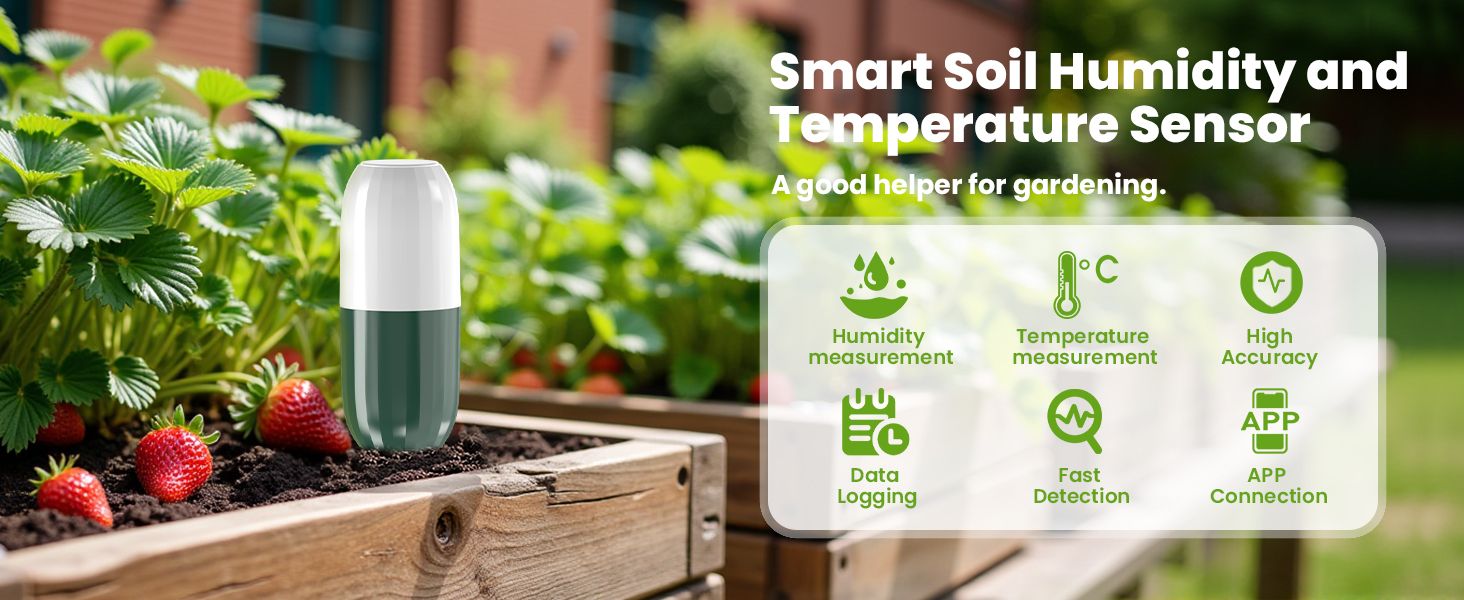
The magic happens in a few simple steps. First, solar panels capture energy from sunlight and convert it into electricity. This power charges internal batteries during daylight hours. When it’s time to water, the controller activates the irrigation valves based on pre-programmed schedules. The system can be set to water at specific times, such as early morning or late evening, when evaporation rates are lower. Many modern controllers also feature weather sensors that can adjust watering schedules based on rainfall or temperature changes. Some advanced models include soil moisture sensors that measure actual soil conditions and water only when necessary. The controller acts as a central hub, coordinating all these elements to ensure optimal watering. It’s like having a personal assistant who knows exactly when your plants need attention and takes care of it without any input from you.
Choosing the Right System for Your Garden
Not all solar irrigation controllers are created equal, and selecting the right one depends on several factors. Consider your garden size, number of watering zones, and specific plant needs. A small container garden might only need a basic controller with two to four zones, while a larger landscape could require a more sophisticated model with ten or more zones. Look for features like:
• Number of Zones: How many separate watering areas do you have?
• Weather Resistance: Will the controller handle rain, snow, or extreme temperatures?
• Programming Flexibility: Can you easily adjust watering times and durations?
• Battery Life: How long will the system run during cloudy days?
• Smart Features: Do you want remote access via smartphone or integration with weather services?
For beginners, starting with a simpler model and upgrading later is often wise. Consider buying from reputable brands with good customer support and warranty options. Also, check local regulations about irrigation systems and water usage restrictions before purchasing.
Installation Process Made Simple
Installing a solar irrigation controller isn’t rocket science, but it does require some planning. Start by mapping out your garden layout and determining where you want to place watering zones. The solar panel needs to be positioned where it receives maximum sunlight exposure – typically south-facing and unobstructed by trees or buildings. Most systems come with detailed installation guides, but here are the basic steps:
- Plan Your Zones: Decide which plants need different watering schedules
- Install Solar Panel: Mount it securely in a sunny location
- Set Up Control Unit: Place it in a protected area, away from direct sunlight
- Connect Valves: Link the controller to your existing irrigation system
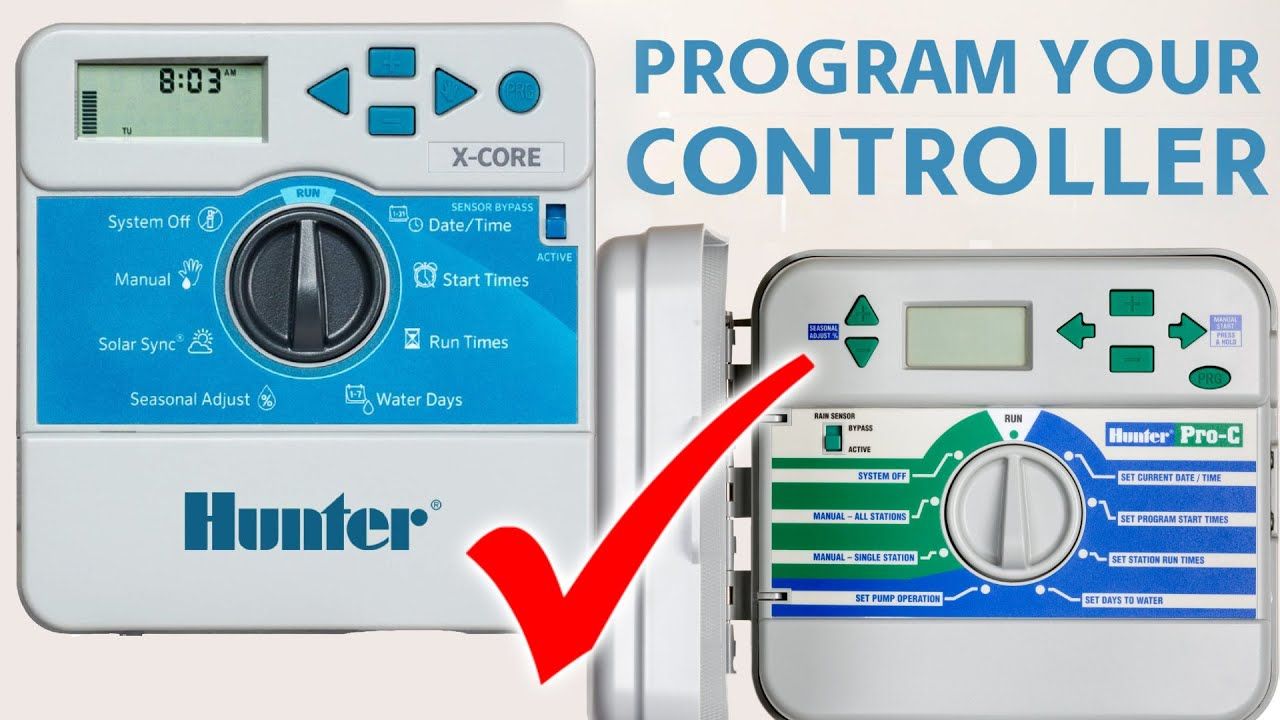
- Program Settings: Set watering times, duration, and frequency
- Test the System: Run through a cycle to ensure everything works properly
Some systems are designed for easy DIY installation, while others might require professional help. If you’re unsure, many companies offer installation services or online tutorials. Remember to leave extra wire length when connecting components – it’s always better to have more than not enough.
Maintenance and Troubleshooting Tips
Like any mechanical system, solar irrigation controllers need occasional attention to keep running smoothly. Regular maintenance keeps your garden healthy and prevents costly repairs. Here are essential tips:
• Clean Solar Panels: Dust and debris can reduce efficiency. Clean them monthly with mild soap and water
• Check Battery Status: Most controllers have indicators showing battery health
• Inspect Wiring: Look for loose connections or damaged cables periodically
• Monitor Water Pressure: Ensure adequate pressure for proper valve operation
• Update Programming: Adjust schedules seasonally based on plant growth and weather changes
Common issues include timer malfunctions, valve problems, or solar panel inefficiency. Most problems can be solved by checking connections, resetting the system, or cleaning components. If you’re experiencing persistent issues, consult the manufacturer’s troubleshooting guide or contact customer support. Keeping a simple log of system performance helps identify patterns and prevents minor problems from becoming major ones.
Real-World Success Stories
Many gardeners have transformed their spaces using solar irrigation controllers. Sarah from Portland, Oregon, started with a modest vegetable garden and now maintains a thriving landscape with minimal effort. She says her controller saves her about three hours each week and has helped her avoid plant deaths from overwatering. In Arizona, Tom uses his system to manage a large flower bed and has seen significant water savings. He notes that his monthly water bill dropped by nearly 40% since installation. Even beginners like Maria in Florida found that her small herb garden flourished because she never forgot to water it. These stories show that regardless of your gardening experience or climate, these systems can provide noticeable benefits. The key is choosing a system that fits your specific needs and following through with regular maintenance.
Cost Considerations and Value
Investing in a solar irrigation controller involves both upfront costs and potential long-term savings. Basic systems start around $100-$200, while more advanced models with smart features can cost $400-$800 or more. Factors affecting price include the number of zones, additional sensors, and brand reputation. However, consider the value beyond the purchase price. Reduced water consumption, fewer plant losses, and time saved can offset the initial investment within a year or two. For larger gardens, the return on investment becomes even more attractive. Many regions offer rebates or tax incentives for installing water-efficient systems. Additionally, the peace of mind that comes with knowing your garden is properly watered, even when you’re away, adds intangible value that’s hard to quantify. When calculating costs, factor in installation expenses and ongoing maintenance requirements. Over time, most users find that the convenience and reliability make the investment worthwhile.
Making the Smart Choice
Choosing the right solar irrigation controller requires balancing your needs with available features. Start by assessing your garden’s specific requirements rather than simply going for the most expensive option. A small garden might not need all the bells and whistles of a high-end system. Consider whether you want basic automation or advanced features like weather integration and mobile app control. Think about your comfort level with technology – some systems are designed specifically for ease of use, while others offer extensive customization options. Read reviews from fellow gardeners, compare specifications, and don’t hesitate to ask questions before purchasing. Remember that the best system is one that fits your lifestyle, garden size, and budget. Take time to research thoroughly, as investing in quality equipment often pays dividends in reliability and performance over time.
Future Trends in Solar Irrigation Technology
The field of solar irrigation is evolving rapidly, with exciting developments on the horizon. Smart controllers are becoming more connected, integrating with home automation systems and offering real-time monitoring capabilities. Some newer models can predict watering needs based on weather forecasts and historical data. Machine learning algorithms may soon help controllers adapt watering schedules based on individual plant preferences and growth stages. Energy storage improvements mean longer battery life and better performance during extended cloudy periods. Integration with IoT (Internet of Things) platforms allows gardeners to monitor and control systems remotely through smartphones. Sustainability features like recycled materials and improved manufacturing processes are also becoming more common. As technology advances, we can expect even more intuitive interfaces, enhanced weather resistance, and greater customization options. These innovations promise to make gardening even easier and more efficient for everyone, from beginners to experienced horticulturists.
Solar garden irrigation controllers represent more than just a convenient gadget – they’re a thoughtful approach to modern gardening that respects both your time and the environment. For beginners, these systems offer a gentle introduction to smart gardening without overwhelming complexity. They help establish good habits around watering, conserve precious resources, and provide peace of mind that your plants are well taken care of. Whether you’re nurturing a few herbs on a windowsill or managing a substantial landscape, there’s a solar irrigation solution that can fit your needs and budget. The key is starting with realistic expectations, doing your homework, and choosing a system that matches your gardening style. Once properly installed and maintained, these controllers become reliable partners in your gardening journey, helping you focus more on enjoying your garden and less on the mechanics of keeping it alive. As technology continues to advance, we can look forward to even smarter, more efficient solutions that make gardening easier and more sustainable than ever before.