Imagine a garden where every drop of water counts, where plants thrive with minimal waste, and where your outdoor space becomes a model of environmental responsibility. That’s exactly what sustainable drip irrigation can deliver. This ancient technique, refined for modern times, offers gardeners a powerful way to conserve precious water while ensuring their plants get exactly what they need. But with so many options available, how do you choose the right system for your specific needs? Let’s explore the essential factors that will guide you toward making the best decision for both your garden and the planet.
Drip irrigation isn’t just another gardening trend—it’s a fundamental shift in how we think about watering our plants sustainably. Picture this: you’re tending to your garden early in the morning, watching as water slowly seeps directly into the soil around each plant’s roots. No more wasteful spraying, no more soggy lawns, just efficient delivery of moisture exactly where it’s needed. This method reduces water usage by up to 50% compared to traditional sprinklers, making it a winner for both conservation and plant health. But before you dive into purchasing, there are several important considerations that can make or break your irrigation success story. What size garden do you have? Which plants need the most care? Are you planning to use recycled water? These questions form the foundation of choosing the right system for your unique situation.
Understanding Drip Irrigation Basics
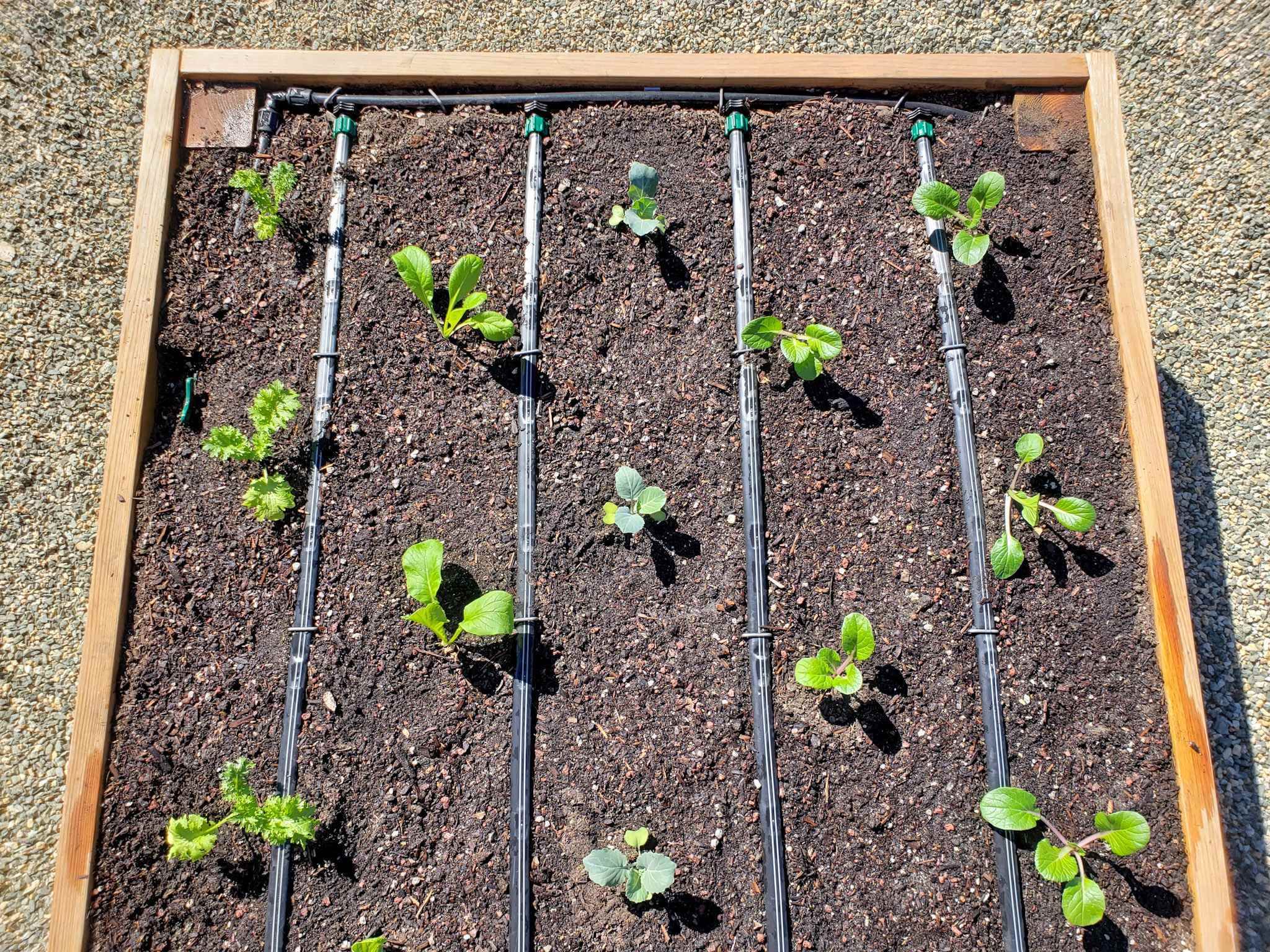
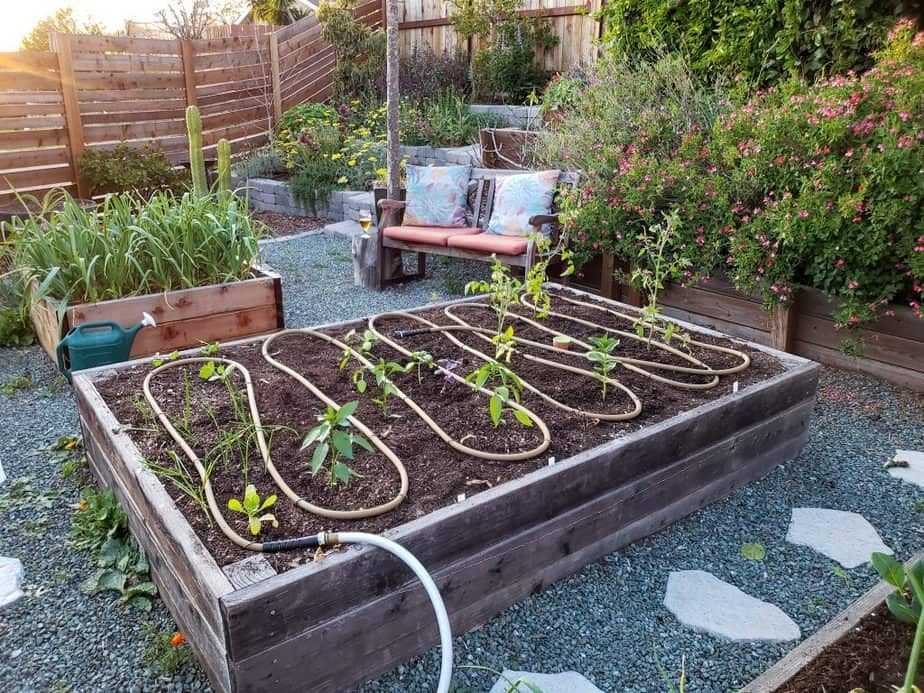
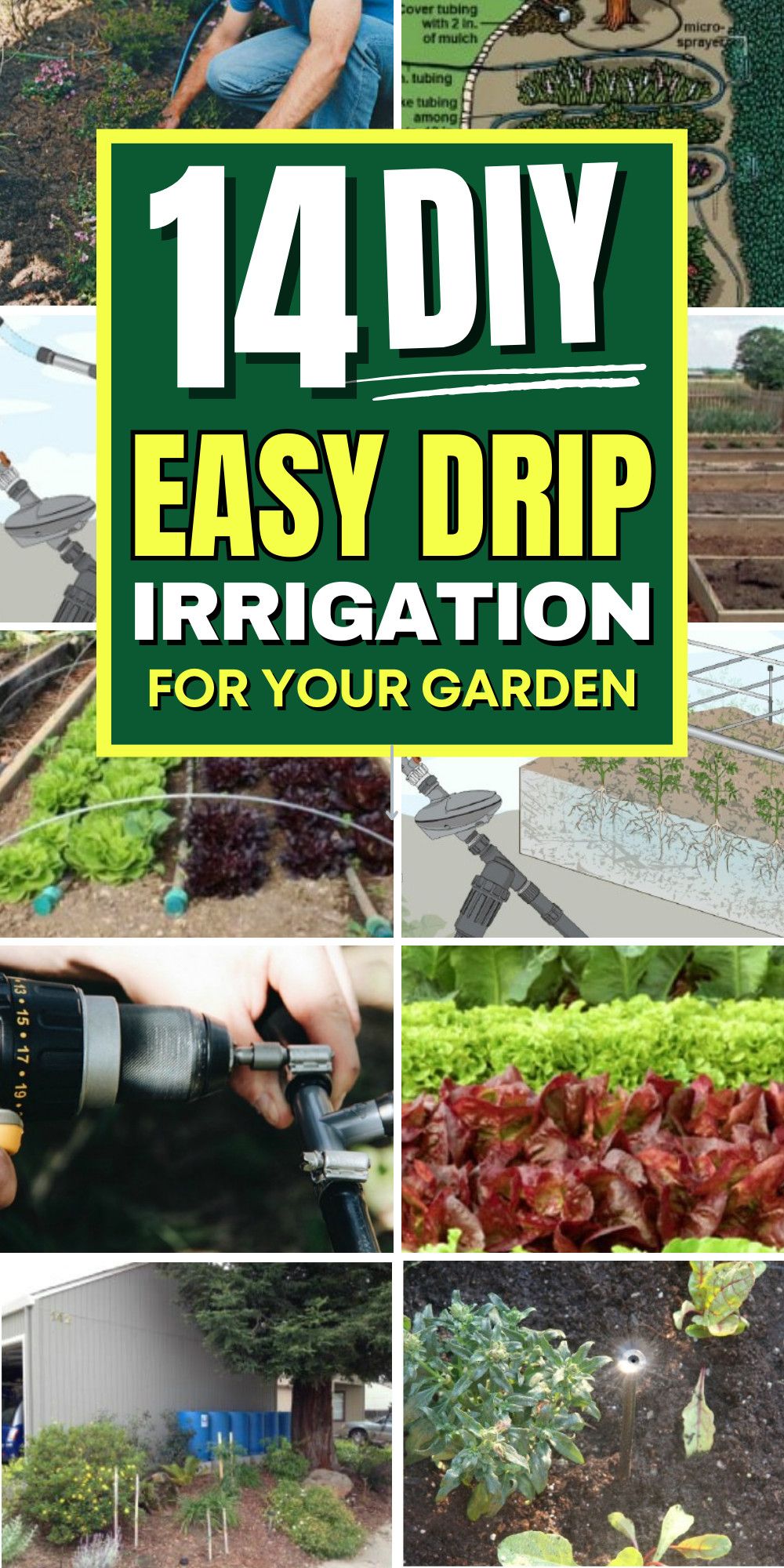
At its core, drip irrigation works by delivering water directly to plant root zones through a network of tubes, pipes, and emitters. Unlike overhead sprinklers that wet leaves and promote disease, this method keeps foliage dry while providing consistent moisture. The system operates under low pressure, typically using gravity or small pumps to move water through the network. Think of it as giving each plant a gentle drink rather than a shower. Most systems consist of a main line, lateral lines, and individual emitters placed strategically near plant bases. Some kits even include pressure regulators, filters, and timers to make setup and maintenance easier. The key advantage lies in water efficiency—the less evaporation, the better your plants receive their hydration. Whether you’re growing vegetables in a small raised bed or managing a large vegetable patch, drip irrigation adapts to different scales and needs.
Key Features to Look For
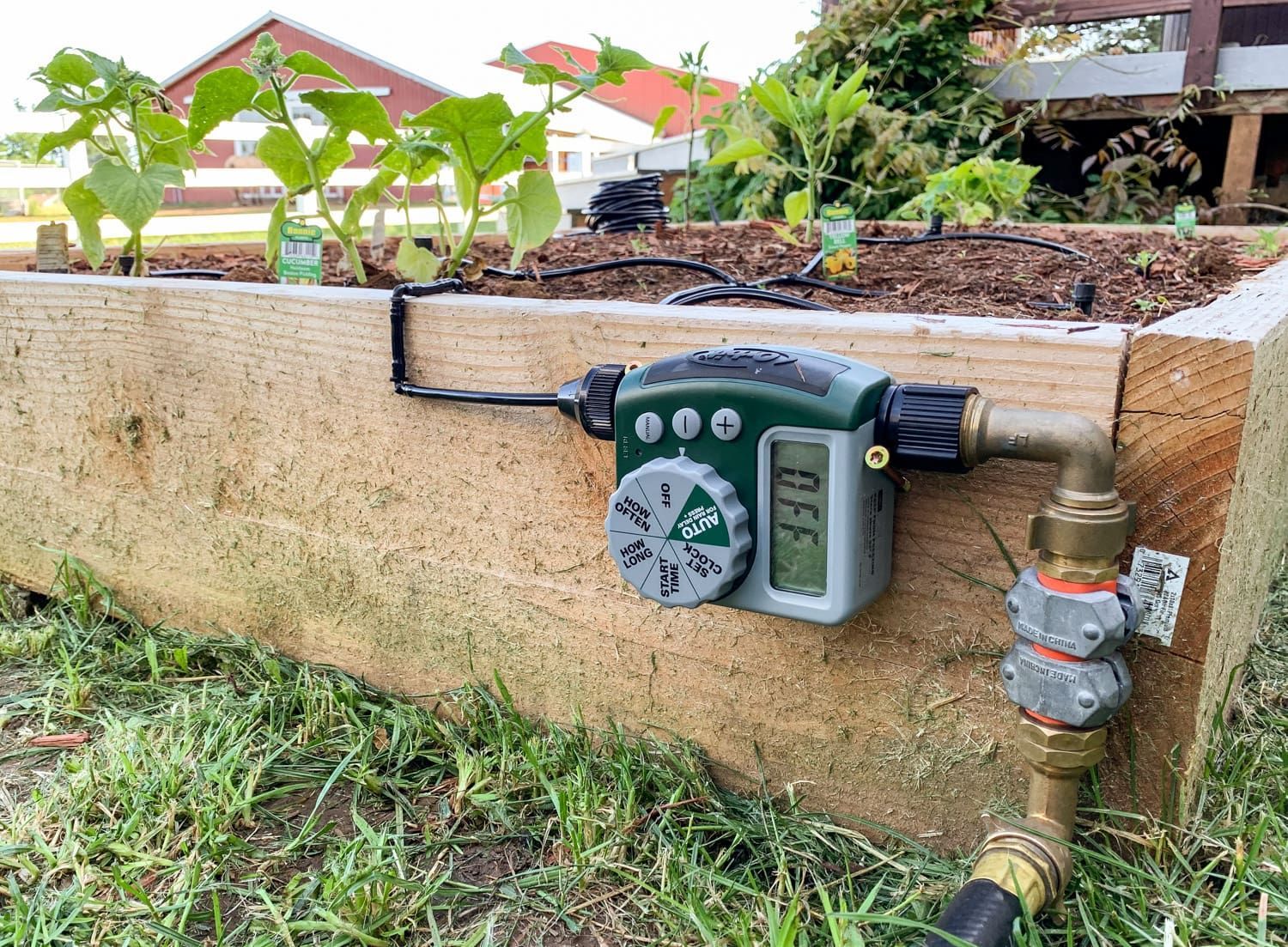
When evaluating drip irrigation kits, focus on several critical features that affect performance and longevity. First, check the materials used in construction. High-quality systems often utilize durable polyethylene tubing that resists UV damage and freezing temperatures. Look for systems that include built-in filters to prevent clogging from debris or sediment in your water supply. Pressure regulation components are also crucial—they ensure consistent water delivery even when water pressure fluctuates. Many modern kits come with timer controls, allowing you to automate watering schedules without manual intervention. Additionally, consider whether the system includes adjustable emitters that let you customize flow rates for different plant types. Some advanced systems feature backflow preventers and shut-off valves for added safety and control. The overall design should allow easy installation and future expansion as your garden grows.
Size Matters: Matching System to Your Garden
The size of your garden determines not just the amount of equipment you need, but also the complexity of the system required. Small container gardens or a few potted plants might work well with simple inline drip kits that connect directly to a water source. These systems usually include basic tubing and emitters with no additional components. Medium-sized gardens benefit from more elaborate setups with multiple zones and possibly a pump if your water pressure isn’t sufficient. Larger landscapes or commercial applications demand robust systems with main distribution lines, zone controllers, and potentially solar-powered pumps. Consider how much area you want to cover and whether you’ll need to water different sections separately. For example, tomato plants might require higher water flow than herbs, so zoning allows for customized delivery. Planning your garden layout ahead of time helps determine the appropriate system scale and ensures you don’t end up with too much or too little equipment.
Material Quality and Durability
The longevity of your drip irrigation system depends heavily on material quality and how well it handles environmental conditions. Polyethylene tubing tends to be the most popular choice due to its flexibility, resistance to UV rays, and ability to withstand temperature fluctuations. Look for tubing rated for outdoor use with thick walls to prevent bursting or puncturing. Emitters should be made from materials that won’t degrade quickly under constant water exposure. Some systems use brass fittings that offer superior durability but may be more expensive. Others rely on plastic connectors that are lighter and more affordable but may need replacement over time. Check if the manufacturer provides warranty coverage for materials and components. A good rule of thumb is to invest in slightly higher-quality materials initially, as replacing entire systems due to failure costs far more than preventive investment. Remember that a well-built system can last 10+ years with proper care and maintenance.
Water Source and Pressure Considerations
Before purchasing any drip irrigation kit, assess your existing water source carefully. Most systems work best with steady water pressure between 10-50 PSI, though some can handle lower pressures. If your tap pressure is too high, you’ll need pressure-reducing valves to protect the system components. Conversely, insufficient pressure may require a small pump to boost water flow. If you’re using rainwater collection systems, consider filtration requirements since collected water often contains debris. Some gardeners use greywater from household sources, which requires special consideration for filtering and system compatibility. Water quality matters significantly—hard water can cause mineral buildup that clogs emitters, while acidic water may corrode metal components. Testing your water source beforehand helps prevent costly issues later. Additionally, think about whether you’ll need to run the system during winter months, as frozen water can damage delicate tubing and fittings.
Maintenance and Longevity Factors
A sustainable drip irrigation system isn’t just about initial purchase—it’s about long-term commitment to proper care and upkeep. Regular maintenance prevents clogs, extends component life, and maintains optimal performance. Check filters monthly and clean or replace them as needed. Inspect tubing for cracks or punctures, especially after extreme weather events. Seasonal draining of the system protects against freeze damage in colder climates. Many systems include removable components that make cleaning easier. Some kits come with instructions for seasonal preparation, including winterization procedures. Consider how much time you’re willing to invest in ongoing care versus the convenience of automated features. Systems with automatic shut-off valves and timer functions reduce manual effort significantly. Also factor in the availability of replacement parts and local support. Having access to spare emitters, connectors, or tubing makes troubleshooting simpler when problems arise.
Choosing the right sustainable drip irrigation kit involves balancing multiple factors, from garden size and plant needs to budget and maintenance preferences. The investment in a quality system pays dividends through water conservation, improved plant health, and reduced labor time. Remember that the best system isn’t necessarily the most expensive one—it’s the one that matches your specific circumstances and garden goals. Take time to evaluate your water source, plan your garden layout, and consider long-term needs. Don’t overlook the importance of material quality and maintenance requirements, as these elements determine how long your system will serve you effectively. Whether you’re a seasoned gardener or just starting out, a well-chosen drip irrigation system represents a smart, environmentally responsible approach to gardening that benefits both your plants and the planet. The key is finding that perfect balance between functionality, sustainability, and practicality that works for your unique situation.