Imagine walking through a garden where every plant thrives, every flower blooms beautifully, and the earth beneath your feet feels alive with health. This isn’t just a dream – it’s an achievable reality when you approach gardening with both passion and planet-conscious thinking. The magic happens when we blend our love for growing things with smart choices that protect our precious environment. What if you could have the most stunning garden possible while also being a steward of the earth? That’s exactly what we’re going to explore together.
Gardens have always been more than just pretty spots in our homes. They’re sanctuaries, food sources, wildlife habitats, and expressions of our connection to nature. But in today’s world, we face a crucial choice: continue gardening the traditional way or embrace methods that nurture both our plants and our planet. This shift isn’t about sacrifice – it’s about discovering smarter ways to grow. When we think about gardening with minimal environmental impact, we’re not talking about less beauty or less success. We’re talking about more sustainable outcomes that last longer and bring even greater joy. The truth is, the healthiest gardens often happen when we work with nature rather than against it. Every seed we plant, every compost pile we build, and every water-saving technique we learn becomes part of a larger story about caring for our Earth.
Understanding Sustainable Gardening Principles
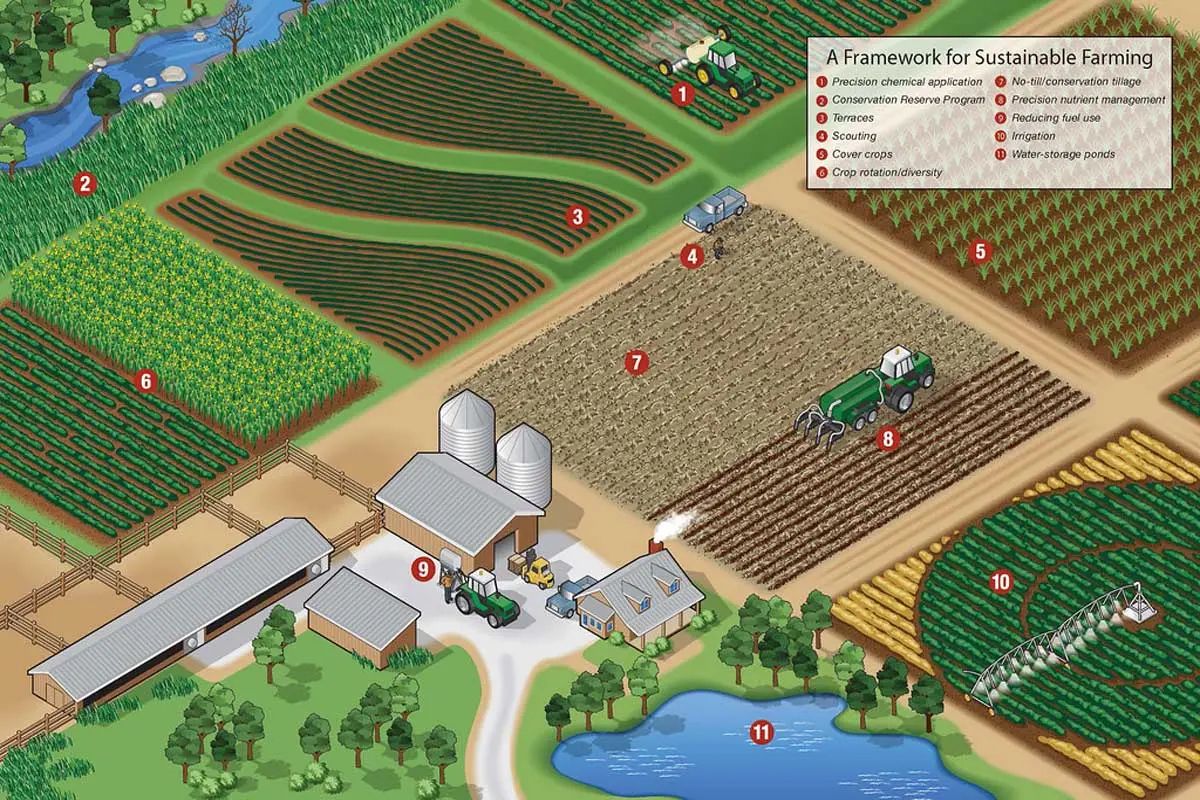
Sustainable gardening isn’t just a trendy phrase – it’s a philosophy that changes how we see our relationship with the land. Think of it like cooking with fresh ingredients instead of relying on processed foods. When we apply sustainable principles, we’re essentially choosing to work with nature’s own systems. The foundation rests on three pillars: soil health, water conservation, and biodiversity support.
Soil health matters because it’s the base of everything. Healthy soil teems with beneficial microorganisms, earthworms, and organic matter that feed plants naturally. Instead of chemical fertilizers, we focus on building soil through composting, mulching, and cover crops. Water conservation means using techniques like drip irrigation, rainwater harvesting, and drought-tolerant plants. Biodiversity means encouraging different types of plants, insects, and birds to thrive together. When we create these interconnected systems, gardens become self-sustaining rather than dependent on constant outside inputs.
Consider this: a garden that requires no pesticides often produces better-tasting vegetables and more vibrant flowers than one that relies on chemicals. Why? Because healthy ecosystems naturally balance pest populations and disease pressure. It’s like having a natural defense system in your garden. The key is understanding that sustainable gardening is less about doing less and more about doing smarter.
Building Soil Health Without Chemicals
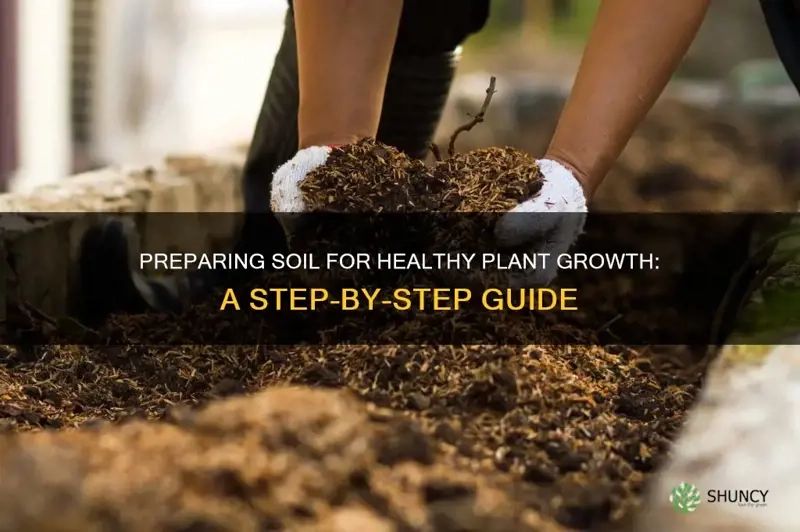
Healthy soil is the heart of any thriving garden, and it’s something you can develop over time with simple practices. Let’s talk about what makes soil truly fertile. It’s not just about nutrients – it’s about the living community that exists within it. Think of soil like a bustling city where millions of tiny creatures work together to support plant life.
Composting is perhaps the most powerful tool in any gardener’s arsenal. You don’t need a fancy machine – you can start with a simple pile in a corner of your yard. Layer brown materials like dried leaves and cardboard with green materials such as kitchen scraps and grass clippings. The magic happens as these materials break down into rich, dark humus that feeds your plants. This process also reduces waste and gives you a free, nutrient-rich amendment.
Mulching is another essential practice. Whether you use straw, wood chips, or shredded leaves, mulch protects soil from erosion, helps retain moisture, and gradually adds organic matter as it decomposes. It’s like giving your soil a cozy blanket that keeps it warm and protected.
Cover crops are often overlooked but incredibly valuable. Planting species like clover, rye grass, or buckwheat during off-seasons prevents soil erosion, adds nitrogen, and improves soil structure. These plants are essentially "green manures" that feed the soil while you rest.
The result of these practices is soil that looks and feels different. It’s darker, more crumbly, and holds moisture better. Plants grown in such soil typically require fewer inputs and show greater resilience to stress. Plus, you’ll notice that your garden becomes a magnet for beneficial insects and wildlife.
Water Conservation Strategies for Garden Success
Water is one of the most precious resources in gardening, especially as climate change affects rainfall patterns. Smart water management isn’t just about saving money – it’s about ensuring your garden survives droughts and heavy rains alike. The key lies in working with natural cycles rather than fighting them.
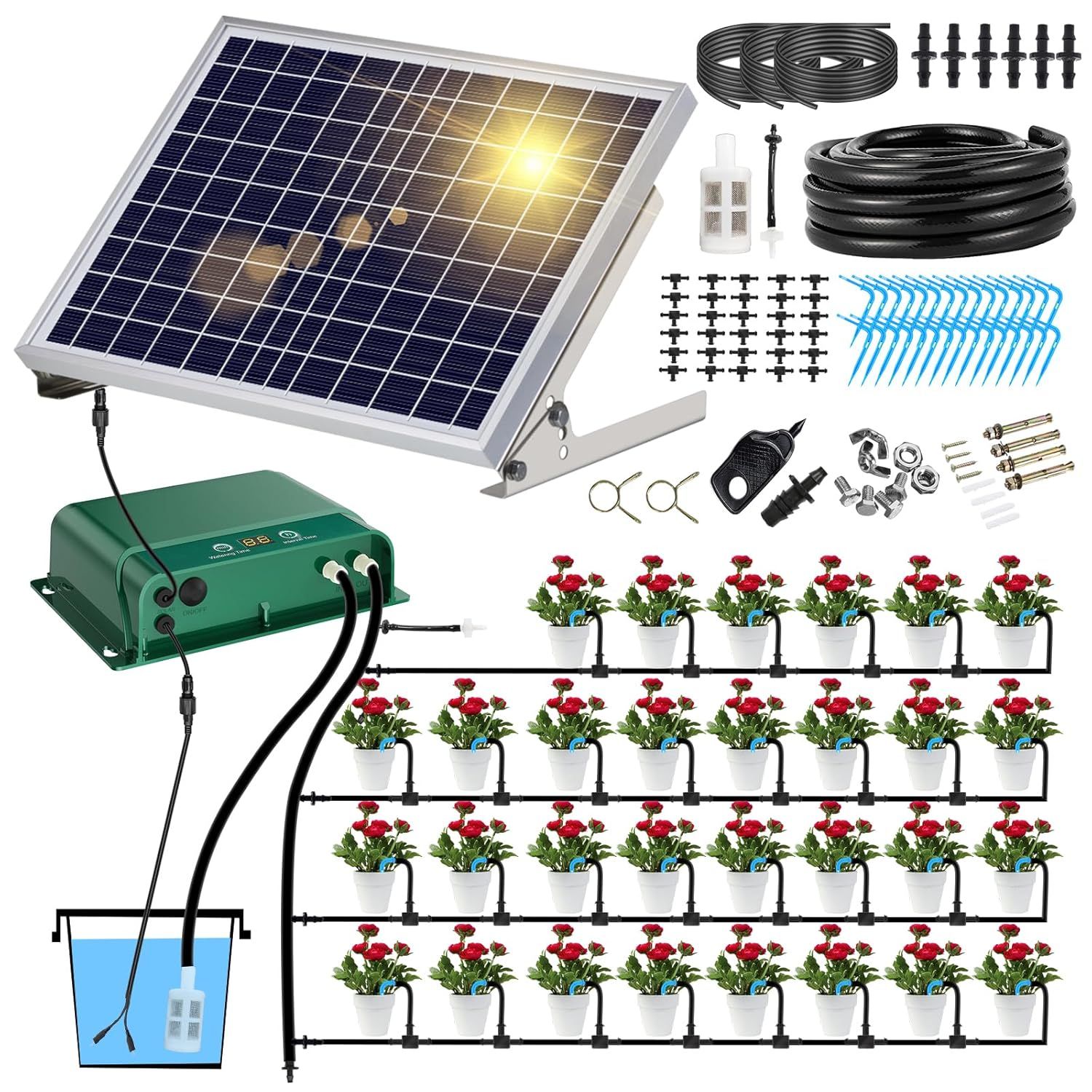
Drip irrigation systems deliver water directly to plant roots, reducing waste and evaporation. These systems can be as simple as a few hoses with small holes or as sophisticated as computer-controlled setups. The benefit? Water goes exactly where it’s needed, not splashing onto leaves where it can promote disease.
Rainwater collection is both practical and rewarding. Simple rain barrels can capture gallons of water during storms, which you can then use during dry spells. This practice not only conserves municipal water but also provides plants with rainwater that’s naturally soft and free of chlorine.
Plant selection plays a huge role in water efficiency. Native plants are particularly helpful because they’ve evolved to survive in local conditions. They often need less watering once established, and they support local wildlife. For example, lavender loves dry conditions and attracts pollinators, while ornamental grasses can handle drought well.
Grouping plants by water needs creates efficient watering zones. Plants that want similar amounts of water can be grouped together, making it easier to manage irrigation. This also allows you to adjust watering schedules based on seasonal changes and weather patterns.
The end result? Gardens that look beautiful even during challenging weather conditions, with lower water bills and a smaller environmental footprint.
Natural Pest Management Techniques
Pests are a natural part of garden life, but we don’t have to rely on chemical solutions to keep them under control. In fact, many gardeners find that their most successful gardens are those where pests are managed through natural methods. It’s like learning to live peacefully with neighbors instead of trying to eliminate them entirely.
Beneficial insects are your first line of defense. Ladybugs eat aphids, lacewings consume various garden pests, and parasitic wasps target caterpillars. Encouraging these helpful creatures means avoiding pesticides that kill them along with pests. You can attract beneficial insects by planting flowering herbs like dill, fennel, and yarrow, which provide nectar and habitat.
Physical barriers work wonders too. Row covers protect young plants from insects, while copper tape deters slugs and snails. Companion planting combines different plants strategically – marigolds repel nematodes, basil keeps aphids away from tomatoes, and nasturtiums act as trap crops for whiteflies.
Crop rotation prevents pest buildup by changing plant families in the same location each season. If you grow tomatoes in the same spot year after year, pests and diseases tend to accumulate. Rotating with different plant families disrupts these cycles.
Handpicking pests offers immediate results and lets you learn which insects are actually problematic versus beneficial. Many gardeners find that simply removing a few aphids by hand gives them satisfaction and knowledge about their garden ecosystem.
The most effective approach combines several methods. When you create a diverse garden with natural pest controls, you’re building resilience against problems rather than just treating symptoms. Your garden becomes a balanced ecosystem where beneficial relationships naturally develop.
Choosing Plants That Support Ecosystem Health
Every plant you choose has ripple effects throughout your garden’s ecosystem. Selecting the right plants means thinking beyond individual beauty to consider how each contributes to the whole. It’s like planning a community where everyone has a role to play.
Native plants deserve special attention because they’ve co-evolved with local wildlife over thousands of years. They require less maintenance, support native insects and birds, and adapt well to local conditions. A garden full of native wildflowers can transform into a haven for butterflies, bees, and hummingbirds. Think about planting serviceberry for its berries, or milkweed for monarch butterflies.
Pollinator-friendly plants create connections between your garden and broader ecological networks. Flowers with open centers, like sunflowers and coneflowers, provide easy access to nectar for bees and butterflies. Plants that bloom at different times extend the feeding season, ensuring continuous support for pollinators throughout the growing season.
Edible plants add another dimension to garden design. Growing herbs, fruits, and vegetables creates opportunities for multiple harvests and encourages biodiversity. Herbs like rosemary and thyme are drought-tolerant and attract beneficial insects. Fruit trees offer seasonal interest and food for wildlife.
Perennial plants reduce the need for replanting and provide stable habitat for beneficial insects. They establish deep root systems that improve soil structure and water retention. Once established, perennials require less water and maintenance than annuals.
The key insight is that diverse plant communities are more resilient. When you plant a variety of species, you create a garden that can handle stress better, resist disease, and support more wildlife. It’s like having a strong, supportive neighborhood where different people contribute unique strengths.
Minimizing Waste Through Smart Garden Practices
The most environmentally friendly gardens are those that produce little waste and maximize what they already have. This mindset transforms gardening from a consumption-based activity into a circular system of reuse and recycling.
Composting is the cornerstone of waste reduction. Kitchen scraps, yard waste, and even paper products can become valuable soil amendments. The key is balancing green materials (nitrogen-rich) with brown materials (carbon-rich) for proper decomposition. A well-managed compost pile produces rich humus that improves soil structure and fertility.
Seed saving takes the concept further by preserving genetic diversity and reducing reliance on commercial seeds. Many gardeners save seeds from their best-performing plants, selecting for traits like disease resistance and flavor. It’s a way of maintaining heirloom varieties and adapting plants to local conditions.
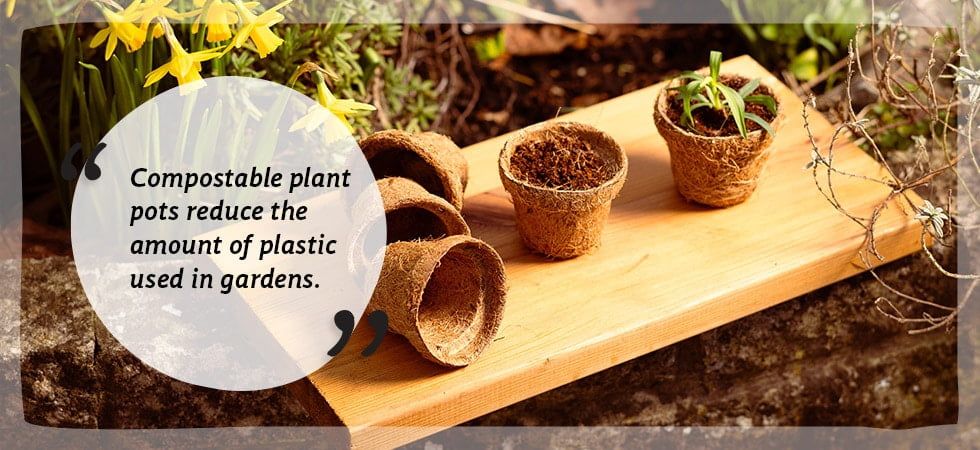
Repurposing materials creatively turns garden waste into useful tools. Old pallets become raised beds, broken pottery creates drainage holes, and discarded containers serve as planters. Even garden debris like pruned branches can be chipped for mulch or used as habitat for beneficial insects.
Planning ahead helps prevent waste by knowing exactly what to plant and when. Overplanting leads to excess harvests that may go uneaten, while careful planning ensures you get the most from every square foot. Succession planting extends harvest periods and maximizes productivity.
The result of these practices is a garden that operates more like a natural system. It produces its own food, creates its own fertilizer, and requires fewer external inputs. This approach builds resilience and reduces the overall environmental impact of gardening activities.
Creating thriving garden spaces with minimal environmental impact isn’t about limitation – it’s about liberation. When we shift our approach from one focused on control to one centered on cooperation with nature, we discover that gardening becomes more satisfying, more productive, and more beautiful. The plants we grow are healthier, the soil we cultivate is richer, and the ecosystem we support is stronger. Every compost pile, every beneficial insect we encourage, every water-saving technique we employ contributes to something bigger than ourselves. It’s a cycle that supports not just our gardens, but our communities, our wildlife, and our future. The journey toward sustainable gardening isn’t a destination but a continuous learning process. Each season brings new discoveries about what works best in your specific climate and conditions. The beauty lies in this ongoing relationship with the natural world, where we become active participants in the earth’s health rather than passive consumers of its resources. As you move forward with these principles, remember that even small changes make a difference. Start with one compost bin, plant one native species, or try one natural pest control method. Before you know it, your garden will reflect not just your personal taste, but also your commitment to a healthier planet.