Tools have a journey, just like everything else. They start with purpose, serve their function, and eventually reach the end of their usefulness. But what happens next matters more than you might think. The way we dispose of our tools can either help the planet or hurt it. This isn’t just about throwing things away – it’s about making choices that reflect our values and our responsibility to future generations.
Think about your toolbox. Maybe it’s filled with wrenches, screwdrivers, hammers, and drills that have served you well over the years. You’ve probably had them for years, maybe decades. But now, one of them is broken beyond repair, or you’ve upgraded to something newer, or perhaps you simply don’t need that old drill anymore. What do you do? The answer might surprise you. It’s not just about tossing it in the trash. Sustainable disposal means thinking about the impact of our choices on the environment, our community, and even our wallets. We’re going to explore how to handle tool disposal in ways that make sense both practically and ethically.
Why Sustainable Tool Disposal Matters
Every time we throw away a tool, we’re not just losing a physical item. We’re potentially contributing to environmental problems and wasting resources. Let’s break this down. When tools end up in landfills, they often contain metals, plastics, and other materials that can leach into soil and water. That’s bad news for our ecosystem. But there’s another side to this story. Many tools can be reused, repaired, or recycled in ways that benefit others. Imagine if every broken tool found its way to someone who could use it, or if its parts were repurposed into something new. It’s not just about being good – it’s about being smart. Sustainable disposal helps reduce waste, conserves resources, and can even save you money in the long run.
Repair Before You Dispose
Before we talk about getting rid of tools, let’s consider whether they can be fixed. This is one of the most overlooked steps in sustainable disposal. Sometimes, a tool just needs a little TLC. A loose handle can be tightened. A worn-out blade might need replacing. A broken cord could be rewired. These fixes might seem small, but they can extend a tool’s life dramatically. Consider this: if you can fix a tool instead of replacing it, you’re not only saving money, but you’re also reducing the demand for new manufacturing, which uses raw materials and energy. For instance, a rusty hammer might look hopeless, but with some sanding and a new grip, it could be good as new. This mindset shifts the focus from disposal to restoration. Plus, fixing tools can be surprisingly satisfying. There’s something deeply rewarding about bringing a tool back to life. It’s almost like giving it a second chance at service.
Donating to Community Groups
What if your broken tool could still serve someone else? That’s where donation comes in. Many organizations welcome gently used tools, especially those that are functional or have parts that can be useful. Local community centers, libraries, schools, and makerspaces often need tools for projects, repairs, or educational purposes. Some groups specifically look for tools to teach skills to young people or adults. Even if a tool is damaged, it might still have usable components. For example, an old drill press might have a perfectly good motor that can be used in another machine. Or a set of wrenches might be missing only one piece, but the rest is still valuable. Donating isn’t just generous – it’s practical. It helps others while keeping tools out of landfills. It’s also a great way to build relationships within your community. You might find that the person who receives your tool will appreciate the effort, and you’ll feel good knowing it’s serving a purpose.
Recycling Programs for Metal Tools
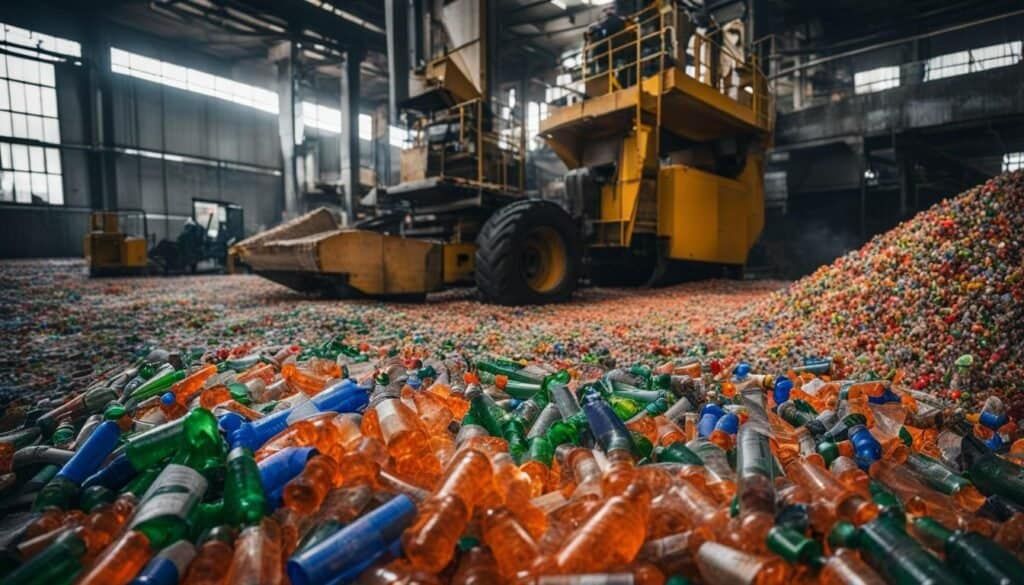
Not all tools can be repaired or donated, but many can still be recycled. Metal tools, such as wrenches, hammers, and drills, can be taken to recycling centers that specialize in metal processing. These centers separate different types of metals, like steel, aluminum, and brass, and then process them for reuse in new products. The process involves melting down the metal and reforming it into new shapes. This means that even if a tool is no longer useful to you, it can become part of something new. For example, an old metal pipe wrench might be melted down and turned into a new garden tool. Recycling programs are often available through local governments, hardware stores, or even some tool retailers. You can usually find these programs by searching online or calling your local waste management office. It’s important to check what materials they accept, as some may have restrictions. Also, make sure to clean off any oil or debris before dropping off items for recycling.
Specialized Tool Collection Events
Some communities organize special events for collecting and handling old tools. These might be hosted by local government offices, environmental groups, or even large hardware stores. These collection days are designed to ensure that tools are disposed of properly rather than ending up in landfills. They’re also great opportunities to learn about sustainable practices and connect with others who share similar values. During these events, you might find that tools are sorted for donation, recycling, or proper disposal. Some even offer workshops on tool maintenance or repair techniques. These events often happen quarterly or seasonally, so keep an eye out for announcements in your area. They’re usually free and open to anyone who wants to participate. Participating in these collections is a simple way to make a positive impact while learning new skills and meeting neighbors.
Responsible Disposal for Electronic Tools
Electronic tools, such as power drills, saws, or sanders, require special care when disposing of them. These tools often contain batteries, circuit boards, and other components that can be harmful if not handled correctly. Many electronic waste facilities accept these items and process them safely. Some hardware stores even offer take-back programs for old electronics. It’s important to remove batteries before disposal, as they can be hazardous. You might also want to check if the manufacturer offers a recycling program for their products. These programs often provide instructions for returning old tools. The key is to avoid throwing electronic tools in regular trash. Doing so can contaminate soil and groundwater. Instead, look for certified e-waste recycling centers or drop-off locations. Some cities even offer curbside pickup for electronic waste. Always verify that the facility you choose handles electronic waste responsibly.
What to Do With Old Tool Storage
Sometimes, it’s not just the tools themselves that need attention, but also the storage solutions. Old toolboxes, shelves, or drawers can often be repurposed or donated. If they’re in decent condition, consider giving them to someone who might need them. They might be perfect for organizing a garage or workshop space. If they’re damaged, they can sometimes be repaired or re-painted. For example, a cracked toolbox might still hold tools effectively after a simple patch job. Alternatively, you might find creative ways to repurpose them. A toolbox could become a garden planter, or a shelf could be transformed into a bookcase. Thinking creatively about storage options extends the life of these items and reduces waste. You might also consider selling them online if they’re still functional. Platforms like Facebook Marketplace, Craigslist, or eBay can help you find buyers who appreciate quality storage solutions.
Building a Culture of Sustainability
Sustainable tool disposal isn’t just about individual actions – it’s about building habits that support a larger culture of sustainability. When we make conscious choices about how we handle our tools, we influence others around us. This ripple effect can lead to bigger changes in our communities. For instance, if you consistently donate tools, your friends and neighbors might start doing the same. If you teach someone how to repair a tool, they might pass that knowledge on to others. It’s about creating a mindset shift from ‘throw away’ to ‘reuse, repair, recycle.’ This approach takes time to develop, but it starts with small actions. Whether it’s taking your old tools to a recycling center or teaching someone how to fix a broken wrench, each step contributes to a healthier planet. Over time, these actions can inspire broader changes in how communities approach waste management.
Making It Easier for Everyone
The path to sustainable tool disposal can sometimes feel daunting. There are many options, and it’s easy to get overwhelmed. But simplifying the process makes it more likely that people will take action. One helpful strategy is to create a system for identifying which tools can be repaired, which can be donated, and which need recycling. You might label boxes or bins in your garage or workshop. Another approach is to research local programs ahead of time. Knowing where to take items makes it much easier to act when the time comes. Some communities even provide pick-up services for certain types of items. Making this information easily accessible encourages participation. You might also consider organizing a group effort, like a tool swap with neighbors or friends. These events not only help with disposal but also bring people together and promote sustainability. Sometimes, the hardest part is starting, but once you get going, it becomes second nature.
The Long-Term Benefits
When we commit to sustainable tool disposal, we’re investing in the future. Every tool we properly handle prevents pollution, saves resources, and supports community initiatives. These benefits compound over time. For example, imagine if everyone in a neighborhood adopted sustainable disposal practices. The amount of waste sent to landfills would decrease significantly, and more tools would find new homes. This creates a positive feedback loop where sustainable behavior becomes the norm. Additionally, when we take care of our tools and dispose of them responsibly, we’re often rewarded with better long-term value. Tools that are well-maintained last longer, which means fewer replacements and less waste. This financial wisdom, combined with environmental benefits, makes sustainable disposal a win-win situation. It’s not just about doing the right thing – it’s about making smart decisions that benefit everyone.
Disposing of tools in a sustainable way is more than just a chore – it’s a choice that reflects our values and our commitment to the planet. By repairing, donating, recycling, or repurposing tools, we can reduce waste, conserve resources, and support our communities. The path forward isn’t always straightforward, but it’s worth taking. Start with small steps: think twice before throwing something away, check for repair options, and see if your local area has programs for tool disposal. Every action counts, and collectively, these efforts create meaningful change. As we continue to face environmental challenges, the choices we make today about how we handle our tools will shape tomorrow’s world. So next time you’re faced with an old tool, remember that there’s likely a better option than simply throwing it away. You might just be surprised at how much good you can do with a few thoughtful actions.