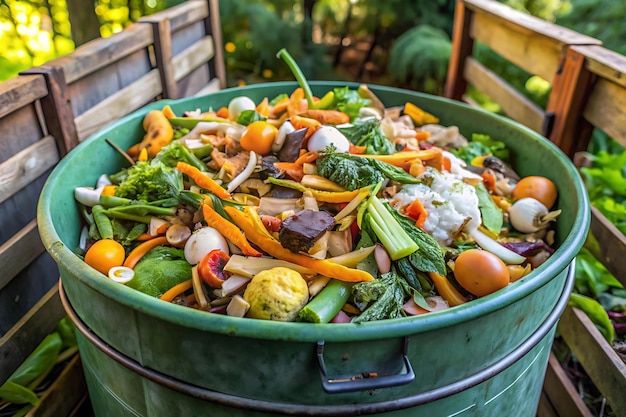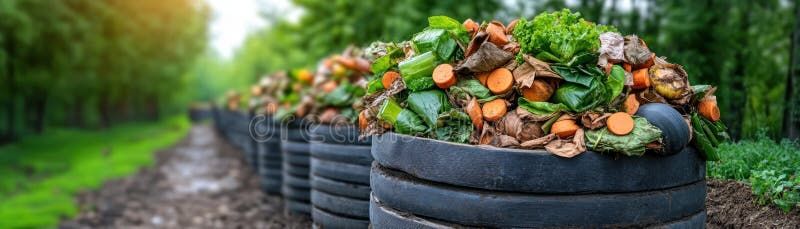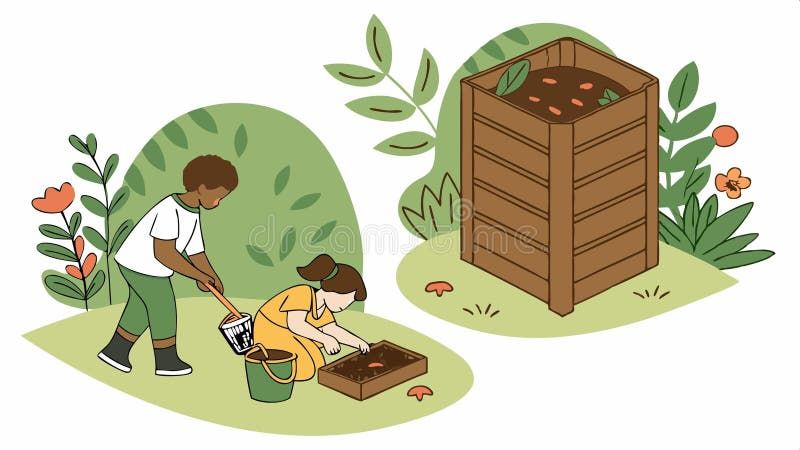
Imagine having a magical machine in your backyard that transforms kitchen scraps and yard waste into nutrient-rich soil amendment. What if I told you that this magic comes from building your own compost bin? This isn’t just another gardening tip – it’s a sustainable practice that can revolutionize how you think about waste and soil health.
Composting might seem like a simple concept, but when done right, it’s a powerful way to reduce waste and improve garden soil. The secret lies in creating the perfect environment for decomposition to happen quickly and efficiently. Building your own compost bin isn’t just about saving money – it’s about taking control of your waste management and contributing to a healthier planet. Whether you’re a seasoned gardener or someone who’s never touched a shovel before, understanding how to build a sustainable compost bin that speeds up decomposition can transform your approach to organic waste management.
Understanding the Basics of Fast Decomposition
The science behind rapid composting isn’t rocket science, but it does require some understanding of what makes things break down quickly. Think of your compost pile as a bustling city where microorganisms work day and night to turn organic matter into rich humus. For this process to happen rapidly, you need to provide the perfect conditions. Temperature, moisture, oxygen, and the right balance of materials all play crucial roles.
What makes some compost bins faster than others? It’s really about creating an environment that encourages beneficial bacteria and fungi to thrive. These tiny workers need food (organic matter), water (moisture), air (oxygen), and warmth (temperature) to do their job effectively. When you get all these elements right, you’ll see your materials breaking down in weeks rather than months.
Choosing the Right Location and Design
Where you place your compost bin matters more than you might think. You want a spot that’s easily accessible yet not too close to your house or neighbors. Look for a location that gets partial sun and shade – too much direct sunlight can dry out your pile, while too much shade keeps things too moist. Good drainage is essential too.
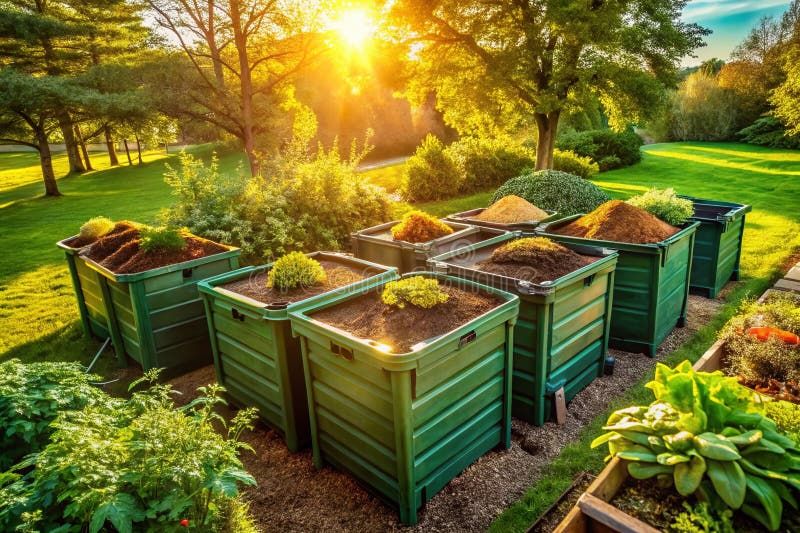
There are several design options to consider. A simple three-bin system works great for beginners, allowing you to rotate materials between containers. Tumbling bins are popular because they mix contents automatically, speeding up the process. If you prefer something low-key, a simple wooden pallet bin or even a wire mesh enclosure can work perfectly.
The key is choosing something that fits your space and lifestyle. A large bin might be better for families generating lots of organic waste, while smaller bins work fine for individuals or couples. Consider your available space, how much time you want to invest, and what kind of maintenance you’re comfortable doing.
Essential Materials for Quick Composting
Not all organic matter is created equal when it comes to composting speed. The key is balancing ‘greens’ and ‘browns’ properly. Greens are nitrogen-rich materials like vegetable peels, coffee grounds, and fresh grass clippings. Browns are carbon-rich items such as dried leaves, cardboard, and wood chips.
Here’s where it gets interesting – the ratio matters tremendously. Experts often suggest a 3:1 ratio of browns to greens, but this can vary based on your specific materials. Too many greens and your pile becomes slimy and smelly. Too many browns and decomposition slows to a crawl.
Some materials work better than others for fast decomposition. Fruit and vegetable scraps decompose quickly, while tougher materials like corn husks or eggshells take longer. Consider adding a small amount of finished compost or soil to introduce beneficial microbes that will jumpstart the process. This is especially helpful if you’re starting a new pile.
Building Your Bin: Step-by-Step Instructions
Ready to build your own compost bin? Here’s how to do it right:
First, choose your materials. Wooden pallets are popular because they’re cheap and easy to work with. You’ll need about four pallets for a basic 3×3 foot bin. Make sure they’re untreated and free from chemicals.
Next, arrange the pallets in a square shape, leaving one side open for easy access. Secure the corners with wire or screws if needed. The bottom can be left open to allow air circulation and drainage.
For better results, add a lid or cover to protect from excessive rain and keep heat in during cooler weather. You can use a tarp or even an old door.
If you’re using a different material, like wire mesh or plastic containers, the principles remain the same – ensure good airflow, proper drainage, and easy access for turning materials.
Maintaining Optimal Conditions for Speed
Once your bin is built, maintaining the right conditions is crucial for fast decomposition. Moisture levels should feel like a damp sponge – not soggy, not dry. Check regularly by squeezing a handful of material. If water drips out, it’s too wet. If it crumbles, it needs more moisture.
Temperature is another key factor. A healthy compost pile should reach temperatures between 110°F and 160°F. You can check this with a compost thermometer or simply stick your hand in the pile – it should feel warm but not烫手. Higher temperatures mean faster breakdown.
Oxygen is equally important. Turn your pile every few days to aerate it. This simple action can double or triple your composting speed. If you have a tumbling bin, it does this automatically. For static bins, use a pitchfork or shovel to mix everything around.
Adding a small amount of finished compost or soil introduces beneficial microbes that accelerate the entire process. Think of it as giving your compost pile a head start.
Troubleshooting Common Issues
Even with the best setup, problems can arise. The most common issues include odors, slow decomposition, and pest attraction. Here’s how to handle them:
Odors usually indicate too much green material or poor aeration. Add more browns and turn the pile more frequently. If it smells like ammonia, you probably have too much nitrogen – add more carbon-rich materials.
Slow decomposition often means insufficient moisture or oxygen. Check your moisture levels and turn the pile more regularly. Sometimes, materials are too large – chopping them up before adding helps.
Pests can be attracted by improper materials or lack of proper bin design. Keep meat, dairy, and oily foods out of your pile. Cover food scraps with browns to prevent attracting animals. Ensure your bin has secure lids and tight-fitting doors.
Remember, composting is a learning process. Don’t get discouraged if things don’t go perfectly the first time. Each batch teaches you something new about what works best for your situation.
Building your own compost bin that speeds up decomposition is one of the most rewarding DIY projects you can undertake. It’s not just about creating a pile of organic matter – it’s about joining a growing community of people who understand that waste can become treasure. The investment of time and effort pays off in richer soil, reduced landfill waste, and a deeper connection to the natural cycles of growth and renewal.
Whether you’re building a simple pallet bin or investing in a more sophisticated system, remember that success comes from consistency and attention to detail. Your compost pile will thank you, and so will your garden. The journey from kitchen scraps to garden gold is both satisfying and sustainable. Start small, learn as you go, and watch how this simple practice transforms not just your waste, but your entire relationship with the earth.