Picture this: a gentle drizzle falling on your roof, each drop destined to become precious water for your garden, your household, or even your livestock. It’s not just a dream – it’s a reality that millions of people around the world have embraced. But here’s the thing – not all rainwater collection systems are created equal. Some work better than others depending on your situation, your space, and your goals. So how do you choose the right one? Let’s break it down together.
Rainwater harvesting isn’t just about collecting water when it rains. It’s about making smart decisions that align with your lifestyle, your environment, and your practical needs. Whether you’re thinking about a small backyard setup or planning a larger-scale operation, choosing the right equipment can make all the difference between success and frustration. The process might seem overwhelming at first glance, but once you understand the basics, it becomes quite manageable. You’ll find yourself asking fewer questions and making better choices.
Understanding Your Water Needs
Before diving into equipment selection, take a moment to figure out exactly what you need to collect and why. Ask yourself: How much water do I actually require? What will I use it for? Are there seasonal variations in demand?
Consider this example: A family of four living in a semi-arid climate might need 500 gallons per month during dry seasons, while someone in a rainy area could easily collect 2,000 gallons monthly. Your usage patterns directly affect the size and type of system you’ll want.
Think about:
- Daily water consumption for household use
- Irrigation requirements for gardens and lawns
- Livestock or agricultural needs
- Emergency backup requirements
- Seasonal rainfall variations
This groundwork helps narrow down options significantly. If you’re just starting out, maybe a simple barrel system works fine. But if you’re looking for a more robust solution, you’ll want something that can handle larger volumes.
Roof and Catchment Area Assessment
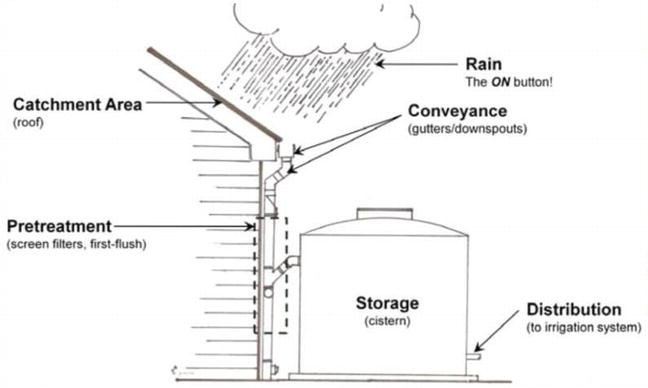
The roof and catchment area play a crucial role in determining how much water you can effectively collect. Not every surface is suitable for rainwater harvesting.
Let’s talk about materials. Metal roofs tend to be the most efficient because they’re smooth and don’t retain contaminants like some other surfaces. However, if you have a concrete or tile roof, you may need to consider additional filtration or cleaning methods.
Key factors to consider:
- Roof surface area (calculate square footage)
- Slope and direction of the roof
- Amount of debris and pollutants
- Gutter condition and maintenance needs
- Local weather patterns and average rainfall
For instance, a house with a 2,000 square foot roof and 40 inches of annual rainfall could potentially collect over 6,000 gallons per year. That’s a lot of water! But only if you have proper collection infrastructure in place.
Also remember that gutters and downspouts must be clean and properly installed to prevent contamination and ensure smooth flow.
Storage Solutions: Barrels vs. Tanks
Once you know how much water you want to collect, you need to decide where to store it. Two popular options dominate the market: storage barrels and tanks.
Barrels are great for small-scale applications and beginners. They’re affordable, easy to set up, and relatively simple to maintain. A typical 55-gallon barrel can hold enough water for basic garden irrigation. But they have limitations – they’re not ideal for large volumes or long-term storage.
Tanks, on the other hand, offer more capacity and durability. They come in various shapes and sizes, from underground cisterns to above-ground units. These are better suited for homes with higher water demands or those wanting to store water for extended periods.
Consider:
- Available space for installation
- Required storage volume
- Budget constraints
- Climate considerations
- Maintenance requirements
A common mistake people make is underestimating their storage needs. It’s better to have a slightly oversized tank than to run out of water during a dry spell.
Filtration and First Flush Systems
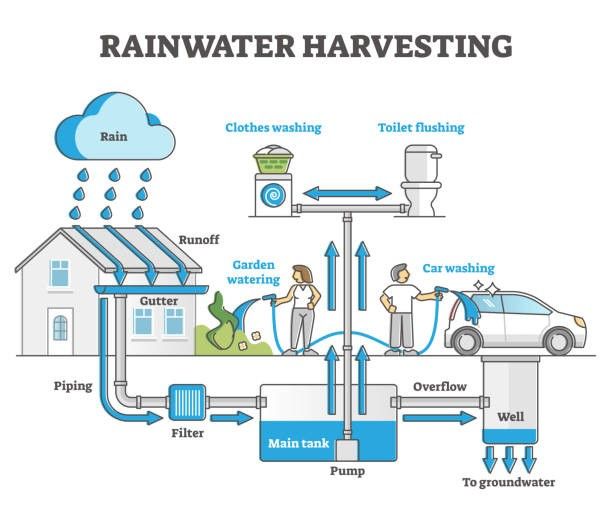
Not all rainwater is created equal. The first drops after a storm often carry dirt, bird droppings, leaves, and other debris from your roof. This is where filtration systems become important.
First flush diverters are devices that automatically redirect the initial flow of water away from your storage container. This prevents the worst of the contamination from entering your system.
Types of filters include:
- Mesh screens placed at gutters or inlets
- Sediment filters to remove particles
- Carbon filters for taste improvement
- UV sterilization systems for bacteria control
Many people overlook the importance of these components, but they’re essential for maintaining clean, usable water. Imagine using dirty rainwater for drinking or cooking – yuck! Even for irrigation, clean water helps prevent clogging and promotes healthier plants.
Pro tip: Regularly check and clean your filtration systems. Clogged filters can cause backups and reduce efficiency.
Pump and Distribution Considerations
Having water stored is only half the battle. You need to move it where you want to use it. This is where pumps come into play.
There are several types of pumps available:
- Gravity-fed systems that rely on elevation differences
- Electric pumps that require power sources
- Solar-powered options for off-grid situations
- Hand pumps for manual operation
If you’re planning to irrigate a large garden or supply water to multiple areas, a pump might be necessary. But consider whether the added cost and complexity are worth it for your situation.
Distribution methods vary too:
- Simple hoses and sprinklers
- Drip irrigation systems
- Gravity-fed lines
- Pressure systems for multiple outlets
One homeowner mentioned that adding a solar pump saved them $300 annually on electricity bills, while also providing reliable water access during power outages. That kind of practical benefit makes the investment worthwhile for many people.
Always plan your distribution network before installing your system. Poor planning leads to inefficient use of resources and frustration later on.
Maintenance and Longevity Factors
No matter how good your equipment is, it won’t last forever without proper care. Maintenance is often overlooked but crucial for system longevity.
Regular tasks include:
- Cleaning gutters and downspouts
- Checking and replacing filters
- Inspecting storage containers for cracks or leaks
- Monitoring water quality
- Seasonal checks before and after heavy rainfall periods
Some systems require more attention than others. For example, a simple barrel setup needs less upkeep than a complex tank system with multiple components.
Investing time in understanding maintenance requirements upfront saves money and headaches later. Set up a schedule – perhaps monthly inspections and quarterly deep cleans.
Remember, a well-maintained system can last decades. A neglected one might fail within months. It’s like taking care of a car versus leaving it to rust in the driveway.
Choosing the right rainwater collection equipment isn’t rocket science, but it does require thoughtful consideration of your unique circumstances. Start by understanding your needs, assess your catchment area, and think about how much storage you really need. Don’t forget about filtration and distribution – these elements make or break your system’s effectiveness.
Take time to research different options, read reviews, and possibly consult with experienced users. The investment you make today in selecting the right equipment will pay dividends for years to come. Whether you’re watering your garden, supplying your livestock, or preparing for emergencies, a properly chosen rainwater harvesting system can provide reliable, sustainable water access.
The key is matching your practical needs with the right technology. With careful planning and informed decision-making, you’ll be well on your way to enjoying the benefits of nature’s free gift.