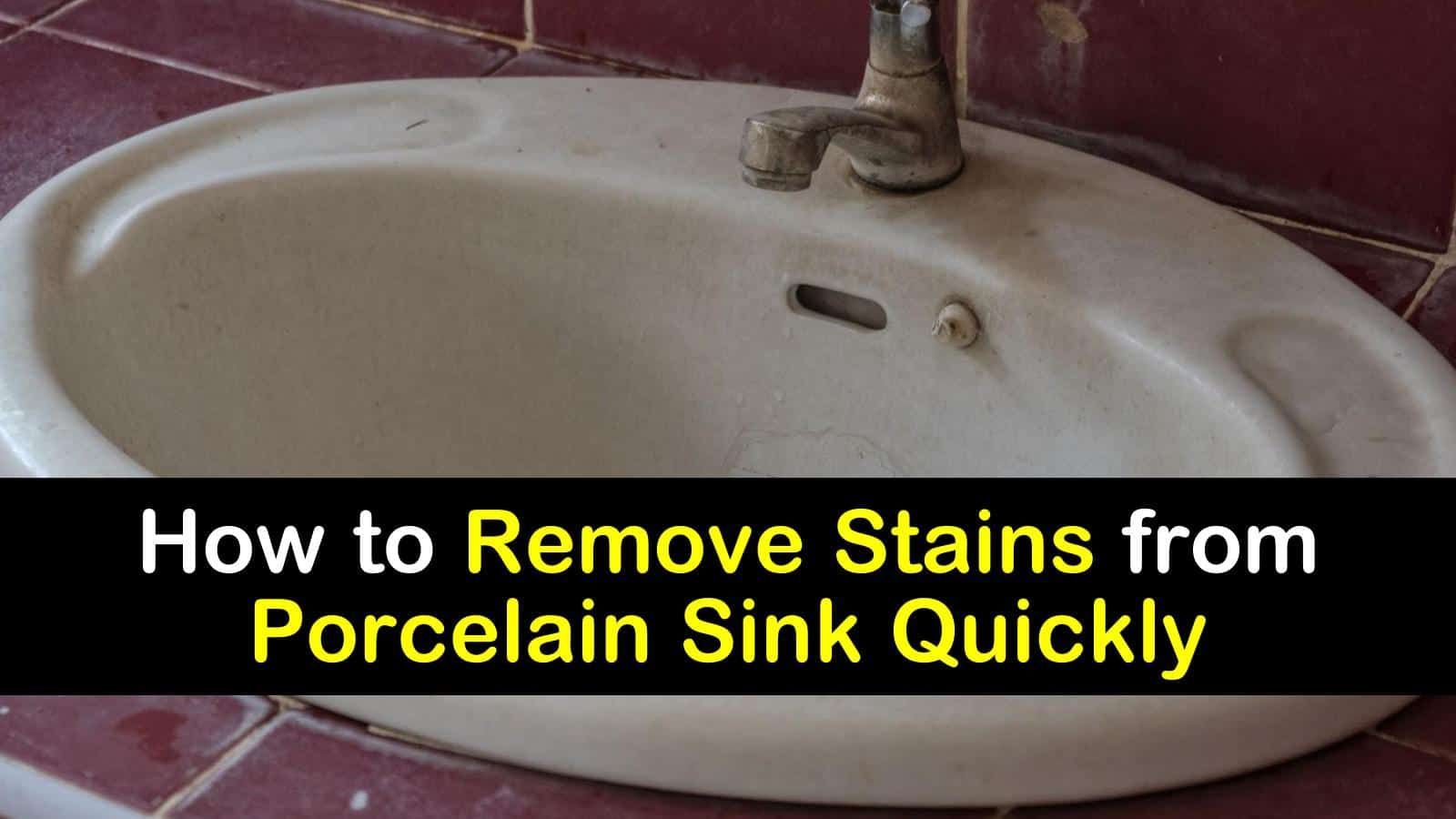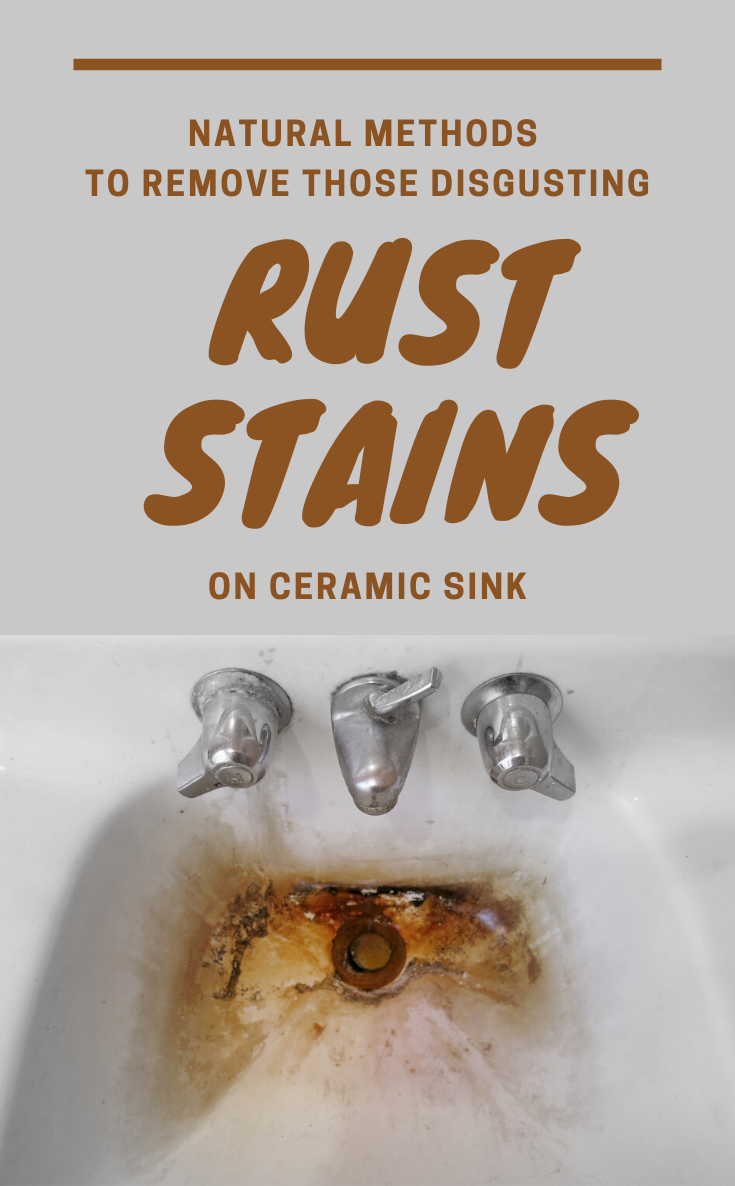
We’ve all been there – you’re cleaning your kitchen, and suddenly you spot those unsightly red-brown streaks or spots on your pristine porcelain sink. They look like they might be permanent, but don’t panic. With the right approach, you can restore your sink’s beauty without causing damage.
Porcelain sinks are beautiful, durable fixtures that can last decades with proper care. But even the most well-maintained sinks can develop rust stains over time. These unsightly marks often appear when iron particles from water pipes or metal objects come into contact with the sink surface. The good news? You don’t need to call a professional or replace your entire sink. With some know-how and the right products, you can eliminate these stains safely and effectively.
Understanding Rust Stains on Porcelain
Rust stains on porcelain aren’t actually rust itself, but rather iron oxide deposits that have adhered to the sink’s surface. These can form from several sources including:
• Water with high iron content
• Metal items left in the sink
• Corroded pipes or fixtures
• Mineral buildup from hard water
The key to successful removal lies in understanding that porcelain is relatively non-porous, which means the stain sits on top rather than penetrating deeply. This makes it much easier to address than you might think. Think of it like trying to clean a painted wall – the paint is on the surface, not inside the material.
Essential Tools and Materials
Before diving into the removal process, gather these supplies:
• White vinegar – excellent for breaking down mineral deposits
• Baking soda – gentle abrasive that helps lift stains
• Lemon juice – natural acid that works against oxidation
• Steel wool (0000 grade) – for stubborn spots
• Soft cloths and sponges – to avoid scratching
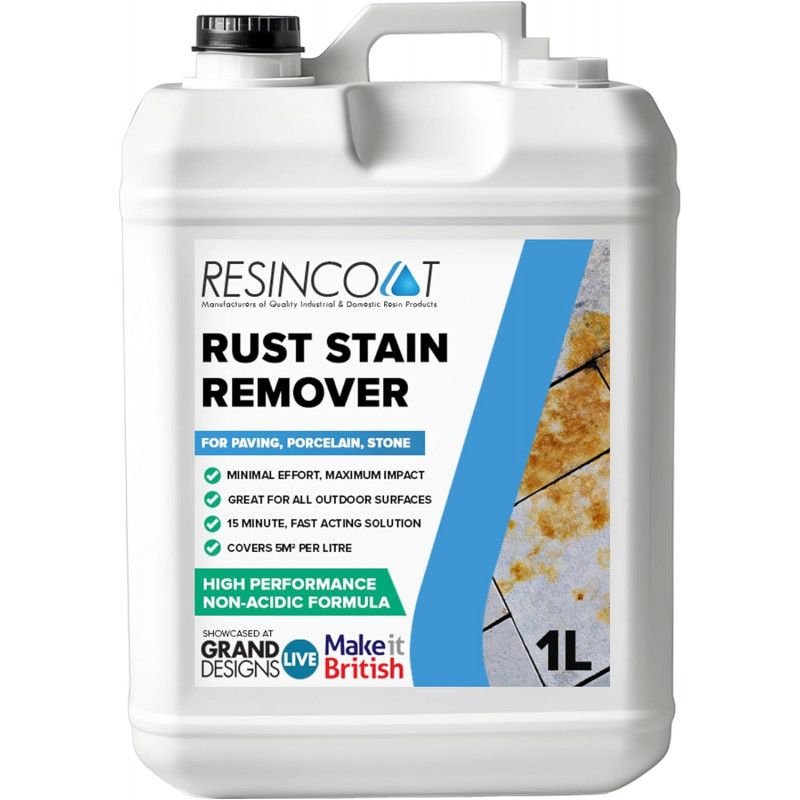
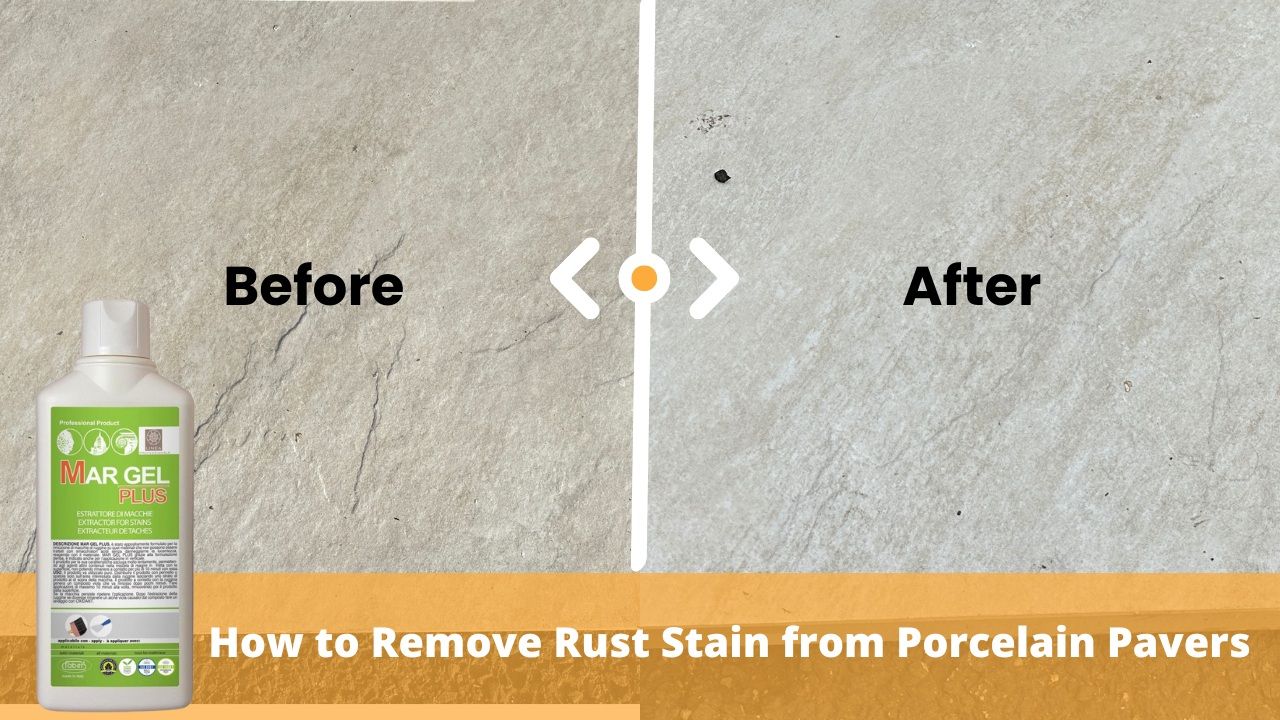
• Commercial rust remover – if natural methods don’t work
Remember, you want to protect your sink’s finish. Avoid anything too harsh or abrasive that could damage the porcelain coating.
Natural Remedies That Work
Many effective solutions come from your kitchen cabinet. White vinegar is one of the most reliable options. Simply pour undiluted vinegar directly onto the stain and let it sit for 10-15 minutes before wiping away. The acid breaks down the iron oxide.
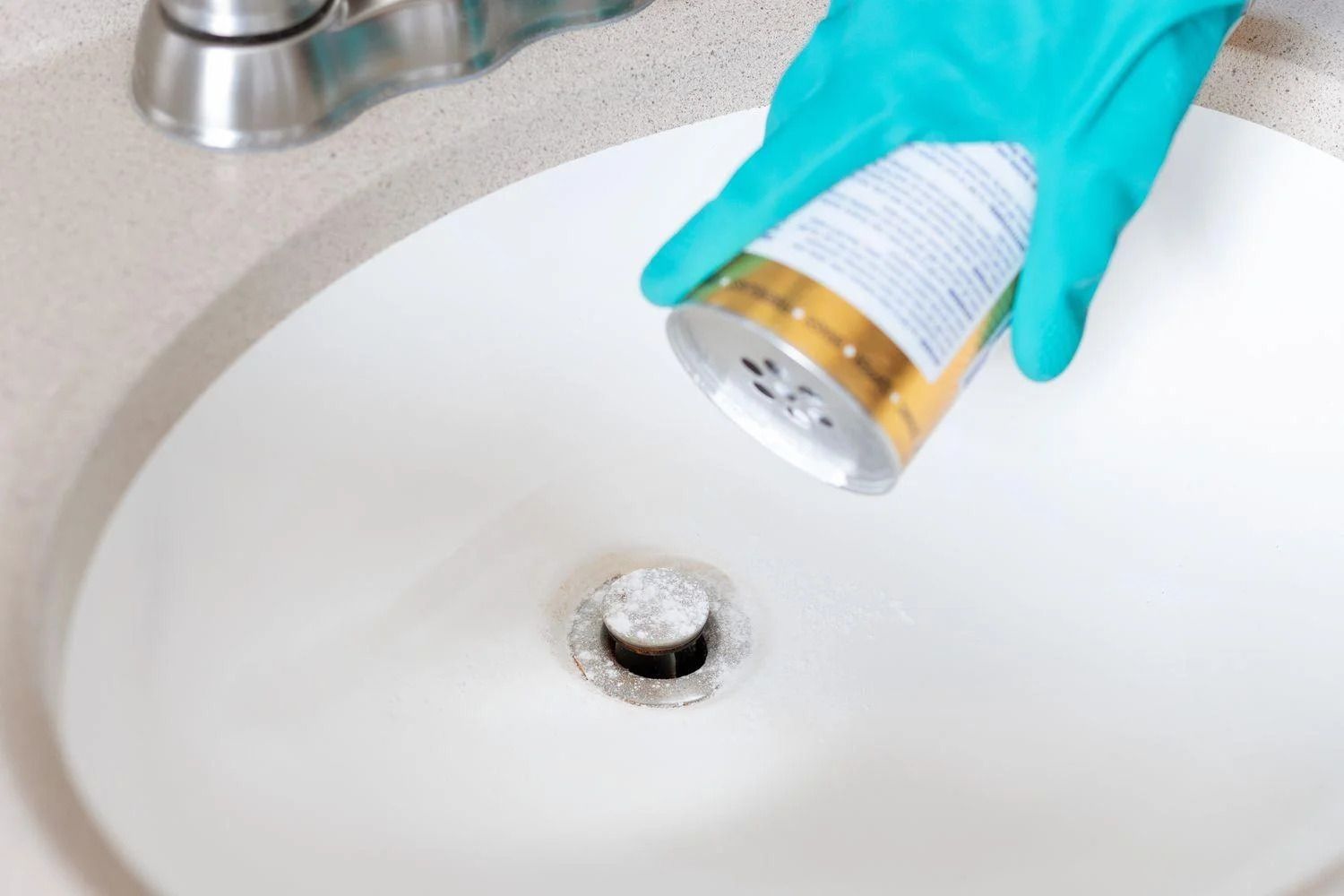
Baking soda mixed with water creates a paste that gently abrades the surface. Apply it to the stain, let it dry, then scrub with a soft brush. This method works particularly well for light rust marks.
Lemon juice contains citric acid that naturally fights rust. Fresh lemon juice works best, but bottled is fine. Apply it directly to the stain and let it sit for 15 minutes before rinsing.
Step-by-Step Removal Process
Follow this simple routine for best results:
- First, clean the sink thoroughly with mild soap and water
- Identify the rust spots and isolate them
- Apply your chosen treatment method
- Allow adequate contact time (usually 10-20 minutes)
- Gently scrub with a soft sponge or cloth
- Rinse completely with clean water
- Dry the sink thoroughly with a clean towel
Don’t rush the process. Some stains require multiple treatments, especially if they’ve been there for months or years. Patience often pays off better than force.
When to Seek Professional Help
Sometimes rust stains are more stubborn than expected. If you’ve tried multiple natural remedies and the stains persist, consider these signs:
• Deep penetration into the porcelain surface
• Multiple large areas affected
• Stains that reappear quickly after treatment
• Damage to the sink’s glaze or finish
In these cases, a commercial rust remover might be necessary. However, always test any product on a small, hidden area first. Some chemicals can damage the porcelain finish if not used properly.
Prevention Tips for Future Rust Stains
Prevention is always better than cure. Here’s how to keep rust stains from returning:
• Regular cleaning with mild soap and water
• Promptly dry the sink after use
• Remove any metal items immediately after washing
• Install a water filtration system if your tap water is high in iron
• Check for leaks or corrosion in plumbing regularly
Think of it like maintaining a car – regular upkeep prevents major problems down the road. A quick wipe-down after each use can save you from extensive cleaning sessions later.
Rust stains on porcelain sinks are frustrating, but they’re definitely manageable. Whether you prefer natural remedies or need something stronger, the key is patience and the right approach. Remember that prevention is just as important as treatment – a little daily maintenance goes a long way toward keeping your sink looking pristine. Don’t let a few rust spots ruin your confidence in tackling household chores. With practice and the right techniques, you’ll become a pro at keeping your sink spotless.