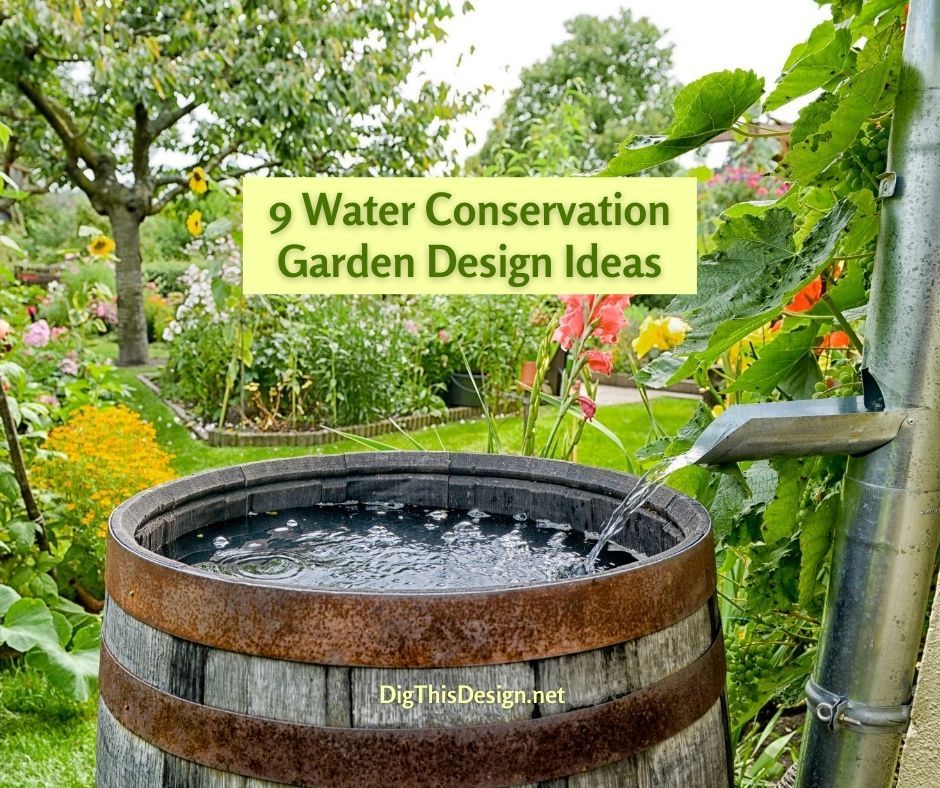
Imagine a world where your garden thrives with less water, where plants grow stronger and healthier, and where every drop counts. This isn’t just wishful thinking – it’s happening right now with low flow sprinkler eco solutions. These innovative systems are revolutionizing how we think about watering our plants, offering a smarter approach that benefits both the environment and plant vitality.
Water is life, but not all water usage is created equal. When it comes to keeping our gardens and landscapes healthy, the way we deliver water matters more than we might think. Traditional irrigation systems often waste water through overspray, runoff, and inefficient distribution. But what if there was a better way? Enter low flow sprinkler eco solutions – systems designed not just to water plants, but to do it in harmony with nature’s rhythms. These systems work differently, using scientific principles to ensure that every precious drop reaches the roots where it’s needed most.
Understanding Low Flow Technology
Low flow sprinkler systems aren’t just about using less water – they’re about using water more intelligently. These systems operate at reduced pressure and flow rates compared to conventional sprinklers. The technology behind them relies on specialized nozzles and valves that control water delivery precisely. Think of it like giving your plants a gentle, consistent drink rather than a forceful splash that wastes water and can damage delicate foliage.
The magic happens in the engineering. These systems often feature:
• Specialized spray patterns that target specific areas
• Pressure regulation mechanisms that prevent waste
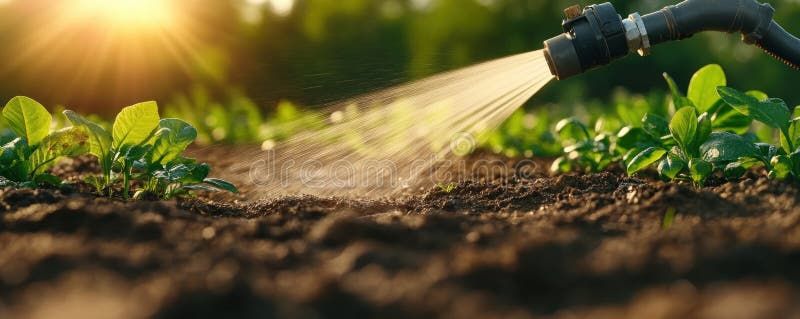
• Drip irrigation components that deliver water directly to root zones
• Smart controllers that adjust timing based on weather conditions
This precision isn’t just about conservation – it’s about optimizing plant health by delivering exactly what plants need when they need it.
How Water Pressure Affects Plant Health
Here’s something many gardeners overlook: too much water pressure can actually harm plants. High-pressure irrigation systems can cause soil erosion, wash away nutrients, and even damage plant tissues. When water hits leaves with excessive force, it can create physical stress that weakens the plant’s immune system.
Low flow systems address this by reducing pressure to optimal levels. The result? Plants experience less stress and can focus their energy on growth rather than fighting off water-related damage. Studies show that moderate water pressure promotes better root development because plants don’t have to work as hard to absorb water when it’s delivered gently.
Consider this real-world example: a community garden in California switched from high-pressure to low flow systems during a severe drought. Within months, they noticed significantly fewer plant diseases and stronger root systems. The reduced pressure allowed water to penetrate deeper into soil, reaching root zones that were previously inaccessible.
Root Zone Optimization Benefits
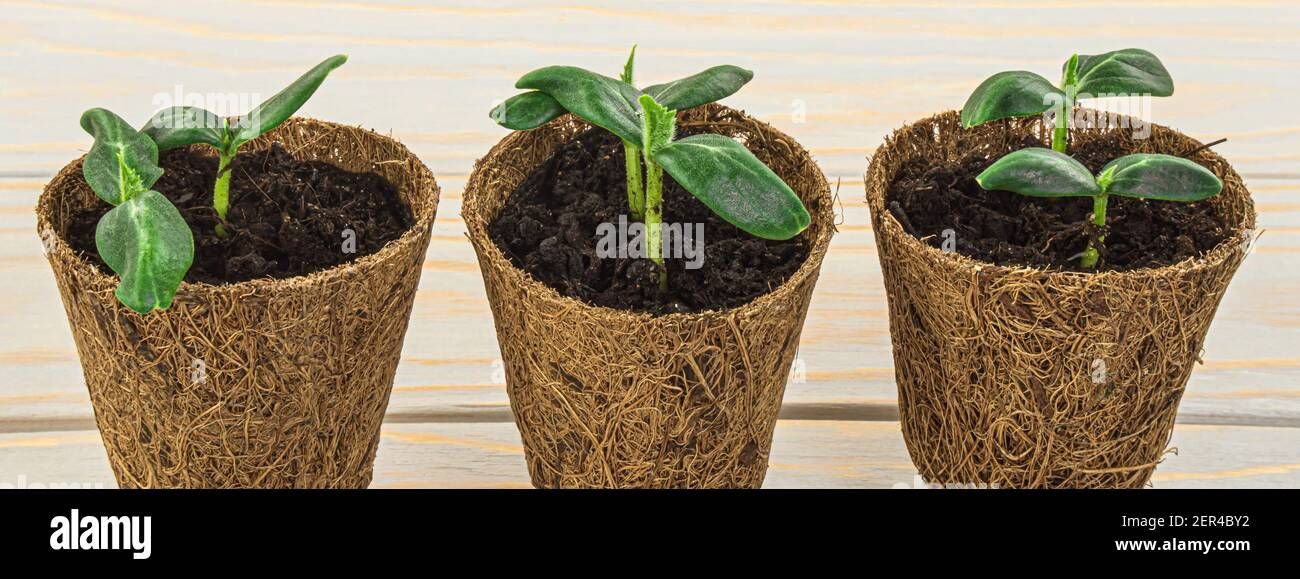
The secret to healthy plants lies beneath the surface. Root health determines everything from disease resistance to nutrient uptake. Low flow sprinkler systems excel at targeting the root zone specifically. Instead of watering the entire landscape evenly, these systems focus water where it matters most – at the root level.
This approach provides several advantages:
• Better water penetration to deeper soil layers
• Reduced evaporation losses
• More efficient nutrient absorption
• Enhanced root development
• Improved drought tolerance
When water reaches roots directly, plants develop stronger, more extensive root systems. This isn’t just theoretical – research conducted at the University of Arizona found that plants watered with low flow systems showed 35% better root growth compared to those under traditional high-pressure systems. The key is consistency and targeted delivery.
Think about it this way: would you rather water a plant from above, letting most of it evaporate or waste, or deliver it directly to the source of growth? Low flow systems make that direct delivery possible.
Reduced Water Waste and Conservation Impact
Water conservation isn’t just good for the environment – it’s essential for sustainable gardening. Low flow sprinkler systems can reduce water usage by up to 50% compared to standard irrigation setups. That’s not just numbers on a meter – it translates to significant savings and environmental benefits.
The reduction happens through multiple mechanisms:
• Elimination of overspray and runoff
• Precise water application timing
• Better soil moisture retention
• Reduced evaporation from gentle application
• Integration with weather-responsive controls
A study from the Environmental Protection Agency showed that households using low flow irrigation systems saved an average of 2,000 gallons per month. For larger landscapes, the savings multiply quickly. But beyond the obvious water savings, these systems also reduce the strain on local water supplies, especially important in drought-prone regions.
This conservation approach also means less water treatment and transportation costs, creating a positive cycle of environmental benefit. Every drop saved helps preserve our precious freshwater resources.
Plant Disease Prevention Through Controlled Moisture
One of the most overlooked benefits of low flow systems is their role in preventing plant diseases. Too much moisture on leaves creates ideal conditions for fungal infections and bacterial problems. When water sits on leaf surfaces for extended periods, it can trigger various pathogens that devastate gardens.
Low flow systems solve this problem by:
• Delivering water below leaf level
• Reducing leaf wetness duration
• Minimizing humidity around plant crowns
• Creating better air circulation conditions
• Allowing soil to dry between watering cycles
Research from the American Society for Horticultural Science demonstrates that plants irrigated with low flow methods experienced 60% fewer foliar diseases than those under conventional systems. The controlled moisture environment prevents the conditions that encourage disease development.
Consider a greenhouse operation in Florida that adopted low flow irrigation. They saw dramatic reductions in powdery mildew and other common fungal issues. The difference wasn’t just in the amount of water used, but in the quality of that water delivery. Plants became more resilient and required fewer chemical treatments.
Long-Term Plant Health and Growth Advantages
The benefits of low flow sprinkler systems extend far beyond immediate watering needs. Over time, plants under these systems show remarkable improvements in overall health and vigor. This happens because the controlled, consistent water delivery allows plants to develop more robust cellular structures.
Key long-term advantages include:
• Stronger, more extensive root networks
• Better nutrient uptake efficiency
• Increased drought resilience
• Enhanced flowering and fruiting
• Reduced need for chemical interventions
• Longer plant lifespan
These systems essentially train plants to become more self-sufficient. When water is delivered consistently and efficiently, plants don’t go through the stress cycles that weaken them over time. They develop better natural defenses and can better handle environmental challenges.
Gardeners across the Southwest United States have reported that their low flow systems have resulted in plants that survive extreme heat better and produce more abundant flowers and fruits. It’s not just about survival – it’s about thriving with fewer inputs.
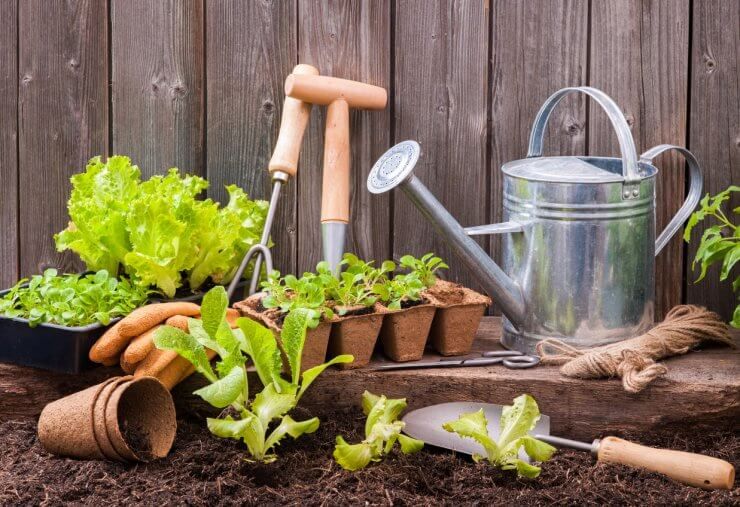
Low flow sprinkler eco solutions represent more than just a watering method – they’re a shift toward smarter, more sustainable gardening practices. By understanding and applying the science behind these systems, gardeners can create healthier environments for their plants while contributing to water conservation efforts. The evidence is clear: when plants receive water in the right way, at the right time, and in the right amount, they respond with improved health, increased resilience, and better overall performance. Whether you’re managing a small backyard garden or a large commercial landscape, the principles remain the same. The future of plant care is here, and it’s both environmentally responsible and plant-friendly. The question isn’t whether these systems will become standard practice, but rather how quickly we’ll embrace them for the benefit of our gardens and our planet.