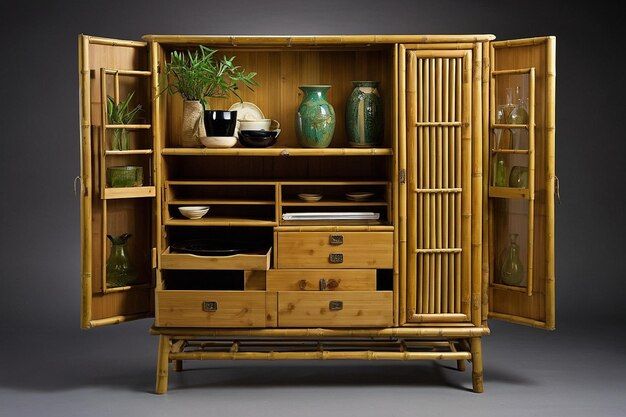
What if we could build something that lasts decades while being kind to our planet? That’s exactly what bamboo offers us when it comes to garden tool storage. This remarkable grass grows incredibly fast, requires no pesticides, and naturally resists pests. Plus, it’s strong enough to hold heavy tools while looking beautiful in any outdoor space.
Gardeners know that keeping tools organized and protected is essential for maintaining a healthy, productive garden. But traditional storage solutions often come with environmental costs. What if there was a way to build something that works perfectly for your gardening needs AND supports sustainability? Enter bamboo – a versatile, renewable material that’s been used for centuries across cultures worldwide. This article will guide you through creating your own sustainable bamboo storage solution that will serve you for years to come.
Why Bamboo is Perfect for Garden Storage
Bamboo isn’t just another trendy material – it’s actually one of the most sustainable options available. Unlike hardwoods that take decades to mature, bamboo regenerates within just three to five years after harvesting. This rapid growth rate makes it one of the fastest renewable resources on Earth.
The strength of bamboo is remarkable. It has a tensile strength similar to steel and can support significant weight when properly constructed. Its natural resistance to moisture and insects means it won’t rot or decay easily, especially when treated correctly. Many gardeners find that bamboo storage units last longer than wooden alternatives because they don’t warp or split over time.
Consider this: a typical bamboo garden shed might last 30+ years with proper maintenance, compared to 10-15 years for standard wood structures. The environmental impact is also minimal since bamboo absorbs more CO2 than trees and releases oxygen continuously.
Essential Tools and Materials You’ll Need
Before diving into construction, gather these items:
• Bamboo poles (1-2 inches diameter for structural elements)
• Smaller bamboo pieces for lashing and reinforcement
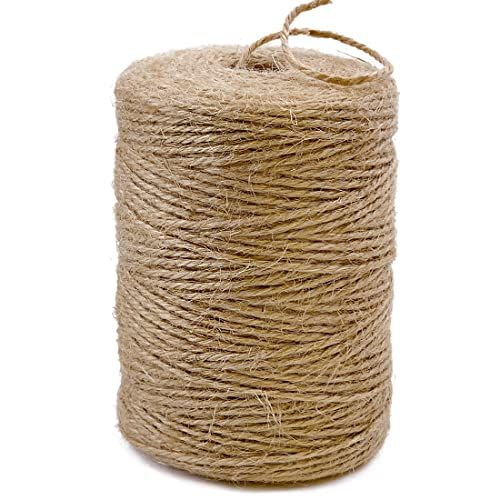
• Strong rope or cord (natural fiber like sisal works best)
• Basic hand tools (knife, drill, measuring tape)
• Sandpaper for smoothing edges
• Water-based sealant or natural oil for protection
• Optional: metal brackets for extra strength
The beauty of bamboo storage is that it requires minimal tools. Most projects can be completed with basic hand tools and simple knots. You can source bamboo locally from garden centers or online suppliers. Look for straight poles with few knots for structural pieces.
A word about quality: not all bamboo is created equal. Choose mature bamboo that’s been properly dried and treated. Fresh green bamboo will shrink and crack over time, so always use seasoned material. You might want to test a small piece first to ensure it meets your strength requirements.
Designing Your Storage Layout
Think about how you use your garden tools daily. Do you have many different types of equipment? Are some tools heavier than others? Planning ahead helps determine the right size and configuration.
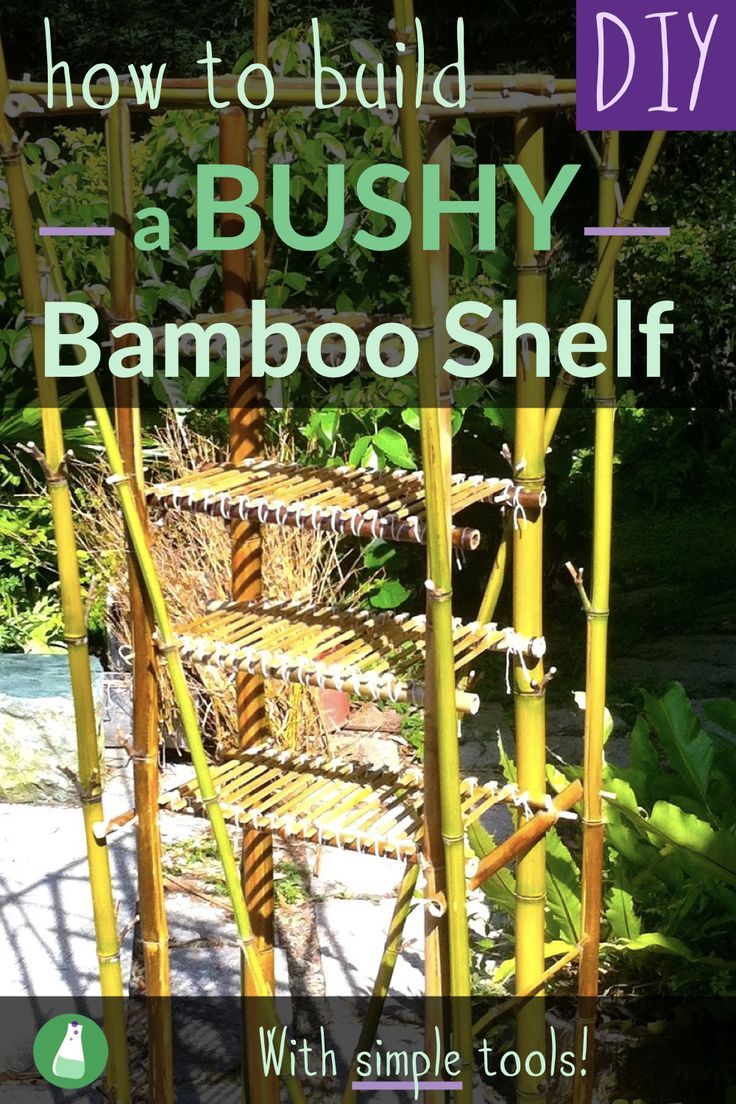
A basic design might include:
• Multiple horizontal shelves for different tool categories
• Vertical storage for long-handled items like pruners
• Open compartments for smaller items like seeds or fertilizer
• A door or cover for weather protection
Some gardeners prefer a simple rectangular box structure, while others want something more elaborate with multiple levels. Consider whether you want to hang tools or keep them on shelves. A well-designed system keeps everything accessible while protecting tools from rust and damage.
Remember to account for the weight of your tools when designing. A typical garden tool set can weigh between 10-20 pounds, so plan accordingly. Also consider the height – you want to avoid having to bend too far to reach items.
Step-by-Step Construction Process
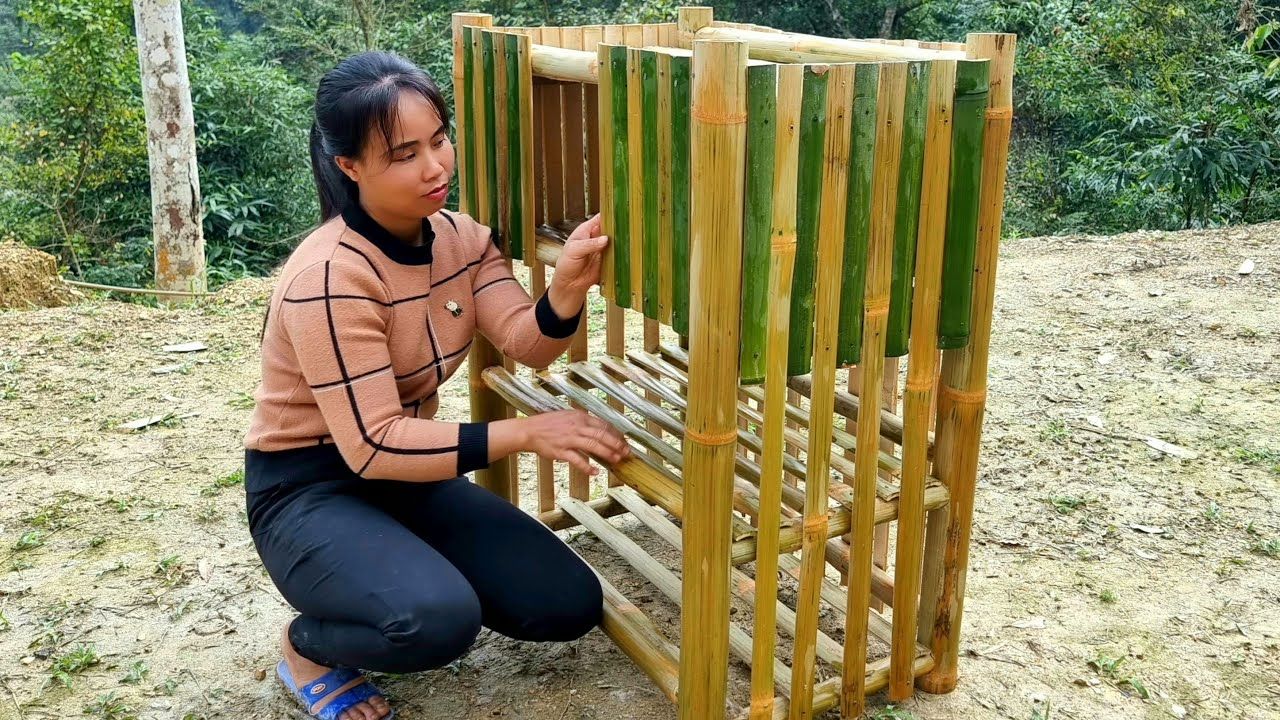
Building your bamboo storage starts with preparation. First, cut your bamboo poles to desired lengths. For a basic unit, you’ll need:
• Four vertical posts (2-3 feet tall)
• Two horizontal beams for top and bottom
• Additional crossbars for shelves
• Lashing cords for connections
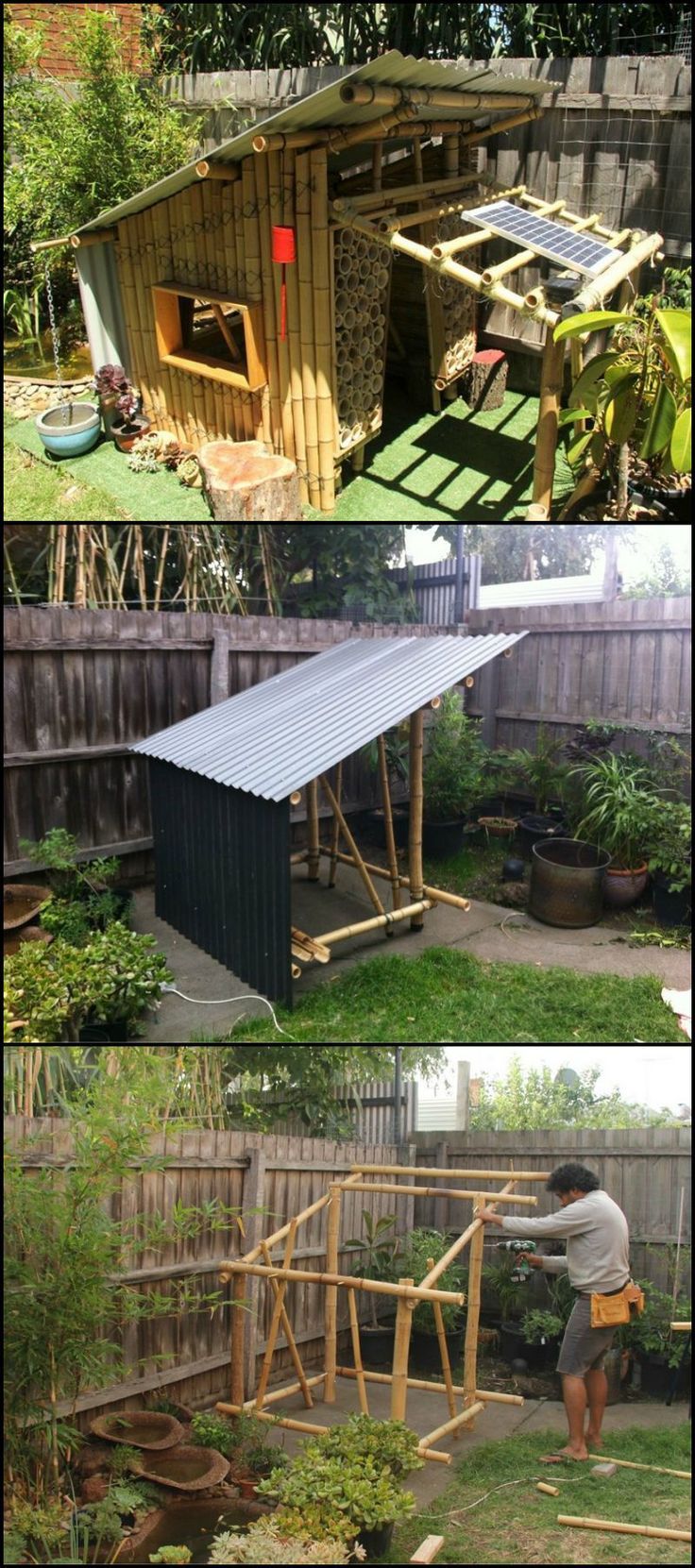
Begin by creating a sturdy base frame. Tie the vertical posts to the horizontal beams using strong knots. The key is using appropriate lashing techniques like the square knot or diagonal lashing. These knots distribute weight evenly and prevent loosening over time.
Add shelf supports next. Space them according to your tool sizes. For example, place one shelf higher for long-handled tools and lower ones for smaller items. Always double-check measurements before cutting.
Once assembled, sand all surfaces smooth to remove splinters and rough edges. This step is crucial for safety and comfort when reaching into your storage unit.
Finishing Touches and Protection
After construction, protect your bamboo investment with proper finishing. Natural oils like linseed oil or tung oil work excellently on bamboo. They penetrate deeply, providing water resistance without harming the environment.
Apply several thin coats rather than one thick layer. Let each coat dry completely before applying the next. This process creates a protective barrier against moisture and UV rays. Some gardeners also add a light coat of beeswax for extra durability.
Consider adding a roof or cover to protect from rain and sun exposure. Even though bamboo is naturally resistant, extended exposure to weather can reduce its lifespan. A simple tarp or small shelter can extend your storage unit’s life significantly.
Regular maintenance helps keep your bamboo storage looking fresh. Every few months, inspect for loose knots or signs of wear. Lightly re-oil areas that appear dry or faded.
Maintenance Tips for Longevity
Proper care ensures your bamboo storage will serve you faithfully for years. Here are some key maintenance practices:
• Clean regularly with mild soap and water
• Check knots and lashings monthly for tightness
• Reapply protective finish every 1-2 years
• Store tools properly to avoid excessive weight on any single area
• Address any signs of moisture damage immediately
Most problems with bamboo storage stem from improper installation or lack of maintenance. Regular attention prevents small issues from becoming major repairs. Many gardeners find that their bamboo units become more beautiful with age, developing a rich patina that shows their longevity.
Remember that bamboo naturally changes color over time, often developing a warm golden hue. This isn’t a flaw – it’s part of bamboo’s charm and character. Some gardeners even embrace this aging process as a sign of their storage unit’s healthy, natural lifecycle.
Building sustainable bamboo storage for your garden tools isn’t just about creating functional organization – it’s about making choices that support both your gardening goals and environmental health. With thoughtful planning, basic tools, and a little patience, you can construct something that will serve you for decades while respecting the earth’s resources.
The investment in time and effort pays off in more ways than one. Your garden tools will stay protected, your outdoor space will look better, and you’ll feel good knowing you’ve chosen a sustainable solution. Whether you’re a beginner or experienced builder, bamboo offers an accessible path to eco-friendly garden storage that truly works.
So grab those bamboo poles, roll up your sleeves, and start building something that honors both your garden and the planet. Your future self – and your garden tools – will thank you for it.