When you’re nurturing tiny seeds into robust seedlings, every detail matters. The container you choose might seem small, but it’s actually one of the most crucial elements in your gardening journey. Think about it—your plants are literally taking their first steps in life within these little pots. What’s in that pot could make or break their future growth.
Planting seeds isn’t just about putting dirt in a hole and hoping for the best. It’s a delicate dance between nature and nurture. Your seed starter pots play a surprisingly important role in this process. These small containers become the foundation for everything that follows. But here’s the thing—many gardeners overlook the quality of their growing vessels. They focus on soil composition and watering schedules, but skip over something just as vital: the materials they’re using to house their precious seedlings. What if I told you that choosing the right kind of pot could mean the difference between healthy, vigorous plants and stunted, struggling seedlings?
Understanding Toxic Materials in Potting Containers
Let’s talk about what we’re really avoiding when we choose non-toxic options. Many traditional seed starter pots are made from materials that can leach harmful chemicals into the growing environment. Some contain heavy metals like lead or cadmium that can be absorbed by plant roots. Others may have synthetic plastics that break down over time, releasing toxins that affect plant development.
It’s easy to think these aren’t major concerns, but remember—plants absorb nutrients and water through their root systems. If those roots are exposed to harmful substances, the entire plant suffers. You might see symptoms like yellowing leaves, poor growth, or even complete failure of the seedling to develop properly.
Some common problematic materials include certain types of plastic, treated wood, and ceramics with toxic glazes. These aren’t always obvious, which makes it all the more important to research what you’re buying. A good rule of thumb: if you can’t clearly identify what a pot is made of, it’s probably safer to avoid it.
The Science Behind Root Health and Container Choice
Roots are incredibly sensitive organs. They’re constantly working to absorb water and nutrients while also providing structural support for the entire plant. When they’re stressed by poor environmental conditions, their ability to function properly decreases dramatically.
Non-toxic containers help maintain optimal root health in several ways. First, they don’t introduce chemical stressors that can interfere with nutrient uptake. Second, they often provide better air circulation around the root zone. Third, they prevent the buildup of harmful substances that might accumulate in the soil over time.
Research shows that plants grown in uncontaminated environments show significantly better root development. Their root systems are more extensive, healthier, and better equipped to handle the challenges of transplanting later on. This translates directly into stronger, more resilient plants once they’re moved to larger containers or outdoor gardens.
Think about it like this: a healthy root system is like a strong foundation for a building. If that foundation is compromised, everything above it becomes unstable. Non-toxic pots help ensure that foundation is solid from day one.
Benefits of Organic and Natural Pot Materials
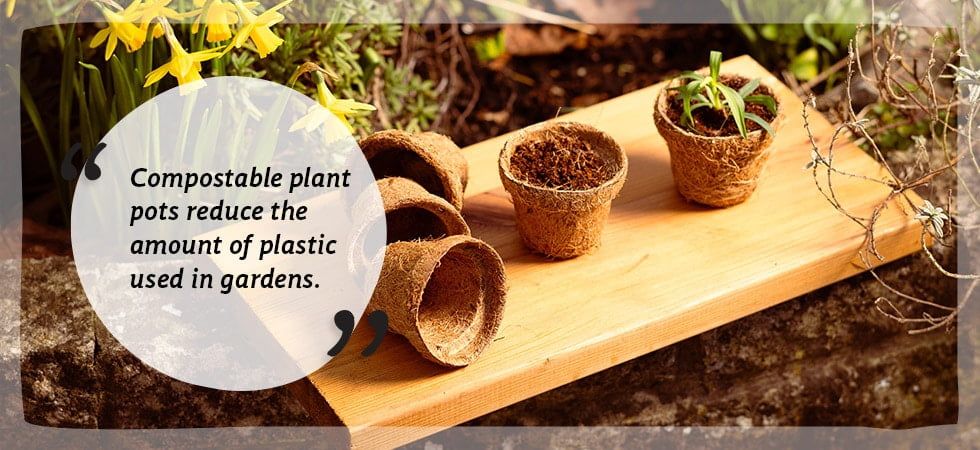
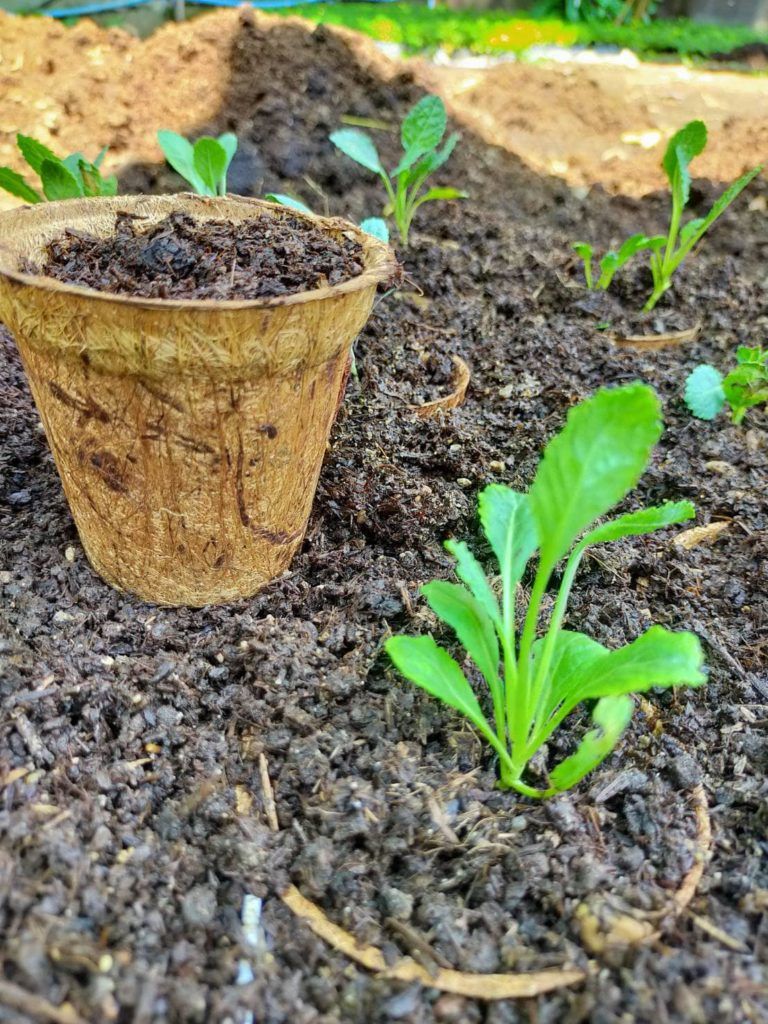
Natural materials offer several advantages over conventional alternatives. Biodegradable pots made from coconut coir, peat moss, or paper can actually become part of the plant’s environment rather than a barrier to it. When planted directly into the ground, these containers decompose naturally, allowing roots to spread seamlessly into the surrounding soil.
Cottonseed fiber pots are another excellent option. They’re breathable, biodegradable, and provide just enough structure to hold the soil while still allowing air and water to move freely through the material. These pots are especially helpful for delicate seedlings that might be damaged by handling during transplanting.
Even traditional clay pots, when properly fired and glazed with non-toxic materials, can provide excellent growing conditions. The porous nature of clay helps regulate moisture levels, preventing both overwatering and underwatering issues that can stress developing roots.
The key is finding materials that won’t introduce unwanted chemicals while still providing the physical support and environmental conditions plants need to thrive.
How Proper Drainage and Airflow Affect Root Growth
Good drainage and airflow are essential for healthy root development. When roots sit in waterlogged soil, they can’t access the oxygen they need to function properly. This leads to root rot, fungal infections, and overall poor plant health.
Non-toxic pots are often designed with better drainage features. They typically have holes at the bottom that allow excess water to escape quickly. Some are made from materials that naturally promote better air circulation around the root zone.
Consider what happens when you plant seeds in a pot that holds too much water. The roots begin to suffocate, and the plant’s ability to take up nutrients decreases. This creates a cascade effect where the whole plant suffers. It’s not just about waterlogging—it’s about creating the right balance of moisture and air that roots need.
Proper airflow also prevents the buildup of harmful bacteria and fungi that can attack young, vulnerable roots. Non-toxic materials tend to be less prone to harboring these pathogens, making them a safer choice for delicate seedlings.
Long-Term Plant Health and Transplant Success
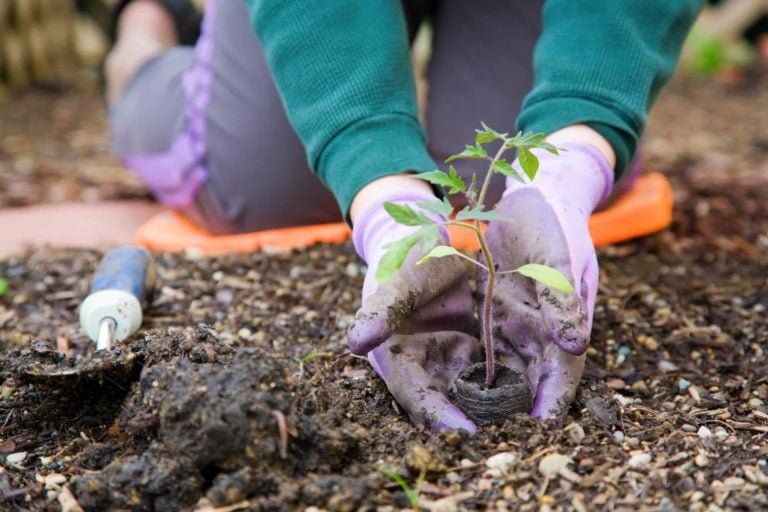
The benefits of starting with non-toxic containers extend far beyond the initial growing phase. Plants that begin their lives in clean, safe environments are much more likely to succeed when transplanted to larger containers or outdoor locations.
This is because their root systems have developed properly without interference from chemical stressors. When roots are healthy and well-established, they adapt more easily to new growing conditions. They’re better able to handle the shock of transplanting and can quickly establish themselves in their new environment.
Many gardeners notice significant differences between plants started in non-toxic containers versus those started in potentially contaminated ones. The former often show faster growth rates, better resistance to disease, and more vibrant foliage. These plants also tend to produce better yields when they mature into full-sized specimens.
It’s worth noting that the investment in quality containers pays dividends over time. While some pots might seem expensive initially, they’re essentially insurance against potential problems that could set back your entire growing season.
Practical Tips for Choosing Safe Seed Starter Pots
Making the right choice starts with understanding what to look for:
• Check labels carefully for non-toxic certifications and materials
• Look for pots made from natural, biodegradable materials when possible
• Avoid containers with glossy finishes that might contain harmful chemicals
• Consider the size and shape of pots to match your specific plants
• Research brands that prioritize safety and sustainability
Some great options include:
• Peat-free seed trays made from recycled materials
• Coconut coir pots that can be planted directly in the ground
• Paper pots that are biodegradable and compostable
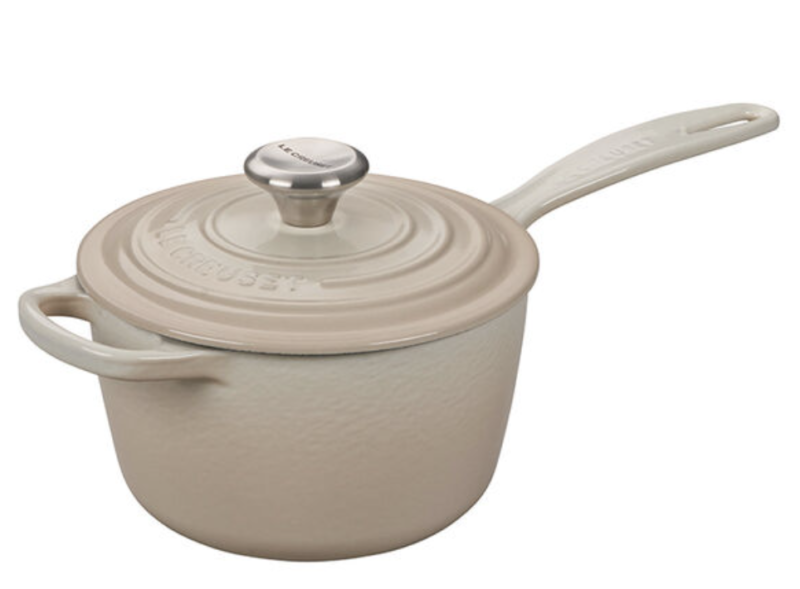
• Clay or ceramic pots with non-toxic glazes
• Biodegradable plastic pots made from plant-based materials
Remember that the right pot isn’t necessarily the cheapest one. Sometimes investing in quality materials pays off in better results. It’s also helpful to buy from reputable sources that can verify their products meet safety standards. You might find that your plants respond positively to even small changes in growing conditions.
Choosing the right seed starter pot might seem like a minor detail, but it’s actually one of the most important decisions you’ll make in your gardening journey. Every seedling you start in a non-toxic container sets the stage for healthy growth and successful transplantation. The investment you make in quality, safe growing materials shows in the vigor and resilience of your plants.
Think about it this way: you’re giving your plants the best possible start in life. When roots develop properly in a clean, supportive environment, everything else falls into place naturally. Your plants will be stronger, more disease-resistant, and better prepared to face whatever challenges come their way. The benefits compound over time, making your gardening efforts more rewarding and successful.
So next time you’re setting up your seed-starting station, take a moment to consider the containers you’re using. They might be small, but they’re mighty important. Your plants—and your garden success—will thank you for making that thoughtful choice.