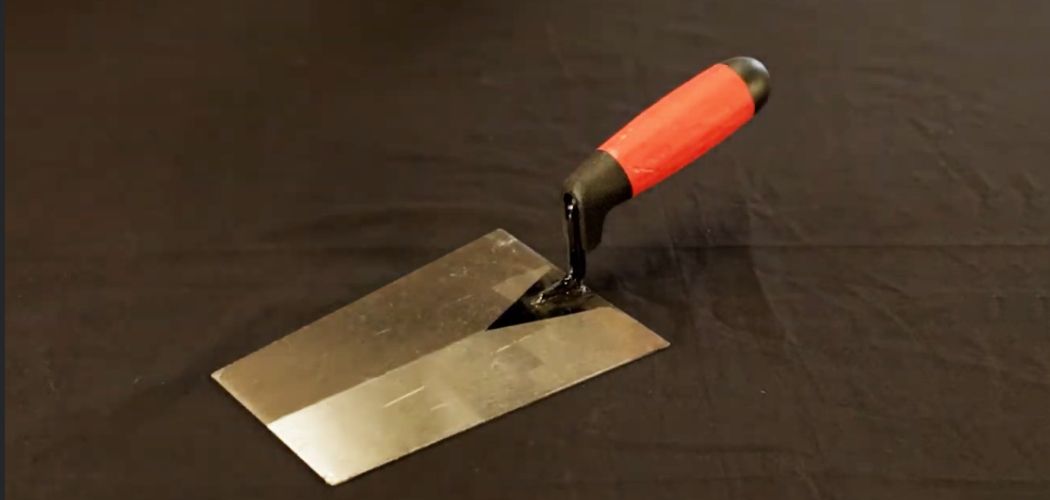
Imagine walking through a construction site in 2025 and seeing workers using tools that don’t just build structures, but actually help heal the planet. That’s exactly what’s happening with sustainable trowel technology. This isn’t just another flashy gadget – it’s a fundamental shift in how we approach building our world.
Construction has always been a heavy industry, but the past few years have brought a quiet revolution. It’s happening right there on job sites across the globe, with workers wielding new tools that promise to make building safer, faster, and far more environmentally friendly. The sustainable trowel 2025 technology represents this shift perfectly. These aren’t just better tools – they’re smarter solutions that respond to both human needs and planetary health. Think about it: every time someone uses one of these innovative trowels, they’re not just spreading mortar or concrete – they’re participating in a larger conversation about sustainability. The changes might seem small, but they’re building toward something much bigger.
What Makes a Trowel Sustainable?
Let’s start with the basics. A sustainable trowel isn’t just about the handle or blade material. It’s about the entire lifecycle of the tool. These modern versions often incorporate recycled materials, energy-efficient manufacturing processes, and designs that reduce waste. Some even feature biodegradable components. Picture this: instead of traditional steel trowels that might rust and end up in landfills, you have tools made from recycled aluminum or even plant-based polymers. The environmental footprint of these tools is significantly smaller than their predecessors. What’s particularly interesting is how some manufacturers are now using solar-powered production facilities to create these trowels. It’s not just about what goes into the tool – it’s about how it’s made, how it performs, and what happens after it’s done working. Some trowels can even be recycled at the end of their useful life, creating a closed-loop system that’s rare in construction equipment.
Smart Materials Revolution
The heart of sustainable trowel technology lies in its materials. Modern trowels often use composite materials that are stronger than traditional steel but weigh less. Carbon fiber-reinforced plastics are becoming common, offering durability without the environmental cost. Some manufacturers are even experimenting with bio-composites made from agricultural waste like bamboo fibers or hemp. These materials don’t just perform better – they tell a story of circular economy principles. Take one company that uses recycled fishing nets to create trowel handles. They’re turning ocean pollution into useful construction tools. The result? Tools that last longer, break down more safely, and often perform better than conventional alternatives. It’s a beautiful example of how innovation can solve multiple problems at once. The challenge, though, is making sure these materials are accessible to all builders, not just those who can afford premium options.
Energy Efficiency in Action
Sustainable trowel technology isn’t just about materials – it’s also about reducing energy consumption during use. Newer models incorporate ergonomic designs that require less physical effort, reducing worker fatigue and potentially increasing productivity. Some even feature built-in sensors that monitor usage patterns and suggest optimal techniques. The technology helps workers move more efficiently, which means less energy expenditure and fewer injuries. Consider the impact on large-scale projects where hundreds of workers might be using trowels daily. If each worker reduces their energy output by just 10%, that adds up to significant savings. Plus, many modern trowels are designed to work with battery-powered systems, further reducing reliance on fossil fuels. The energy efficiency isn’t just good for the environment – it’s also good for the bottom line. Workers can stay productive longer, and companies save money on fuel costs and reduced injury claims.
Reducing Waste Through Innovation
Construction waste accounts for nearly 40% of all waste generated globally. Sustainable trowel technology directly addresses this issue. These tools are engineered to minimize material waste during application. Precision in spreading means less excess material that ends up as waste. Some trowels feature adjustable blade widths that allow workers to match the exact amount of material needed for each job. Others have integrated measuring systems that prevent over-application. Imagine a scenario where a contractor can precisely control how much mortar they spread, eliminating the need to clean up excess later. This precision leads to cleaner jobsites, less material waste, and ultimately, lower costs. The technology also makes it easier to reuse materials, as the tools can handle different types of compounds more effectively than older designs. Some models even track usage statistics to help contractors optimize their material ordering and reduce waste.
Worker Safety and Health Benefits
Beyond environmental advantages, sustainable trowel technology offers significant benefits for worker safety and health. Traditional trowels often cause repetitive strain injuries due to poor ergonomics. Modern versions address this problem with better grip designs, weight distribution, and vibration reduction features. Many incorporate anti-fatigue technologies that help prevent long-term injuries. The improved design also reduces the physical strain on workers’ hands and wrists, leading to fewer sick days and lower medical costs. Some trowels even feature integrated safety features like non-slip grips and reinforced edges that reduce accidents. It’s not just about protecting individual workers – it’s about creating a safer, healthier workplace culture. When workers feel safe and comfortable, they’re more productive and engaged. This aspect alone makes the investment worthwhile for construction companies looking to improve their operations.
Cost-Effectiveness Over Time
Yes, sustainable trowels may have higher upfront costs, but they often pay for themselves quickly. The longevity of these tools means fewer replacements, lower maintenance costs, and reduced downtime. Many last twice as long as traditional models. The energy efficiency translates to savings on fuel and electricity costs. Additionally, the reduced waste and improved precision lead to lower material costs. Consider a contractor who invests in sustainable trowels for a major project. While the initial investment might seem steep, the savings from reduced material waste, lower labor costs, and decreased injury claims can easily offset the purchase price within months. Some companies report savings of up to 25% on overall project costs when using sustainable trowel technology. The return on investment becomes even more attractive when considering the potential for government incentives and tax breaks for sustainable construction practices.
The sustainable trowel 2025 technology represents more than just a tool upgrade – it’s a fundamental shift in how we think about construction. Every stroke of these innovative tools contributes to a larger movement toward environmental responsibility. As we continue to face climate challenges, these technologies offer practical solutions that benefit everyone involved in building our future. From the worker holding the trowel to the community that will inhabit the finished structure, sustainable trowel technology creates positive ripple effects. The journey toward truly sustainable construction practices is ongoing, but these tools show us that change is possible. They remind us that even the smallest innovations can lead to profound impacts. The question isn’t whether we can afford to adopt these technologies – it’s whether we can afford not to. The future of construction is already here, and it’s built with sustainable trowels that make a difference in every application.