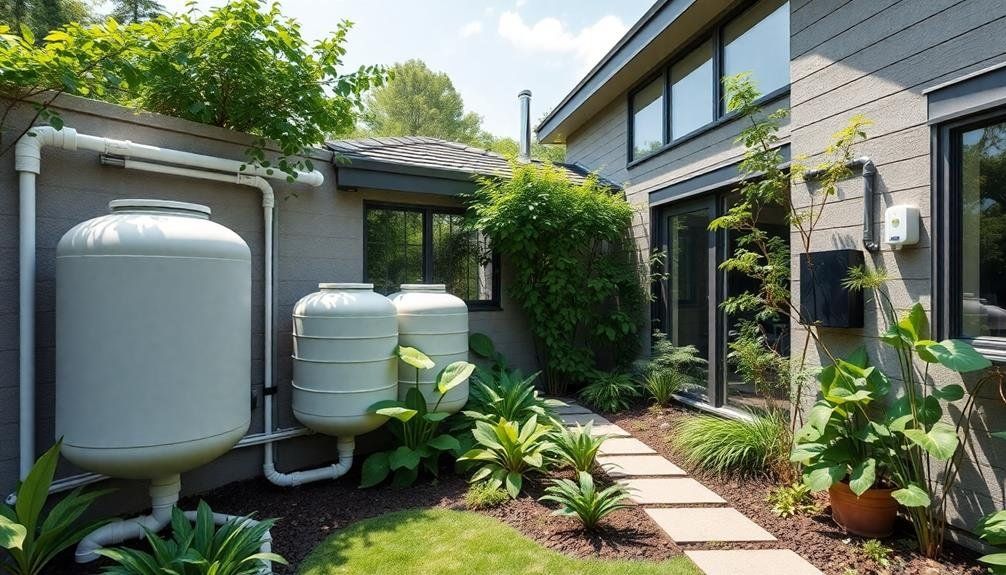
Picture this: your garden thriving while you save hundreds of gallons of water each month. It’s not just a dream – it’s a reality that’s becoming more attainable than ever before. When we think about conserving water, we often focus on our indoor plumbing, but there’s an incredible opportunity right outside our doors. Your backyard holds the key to significant water savings, and greywater solutions are the secret ingredient that makes it all possible.
Water scarcity isn’t just a distant concern affecting faraway places – it’s happening right here in our neighborhoods. Every drop counts when we face droughts, changing weather patterns, and increasing demand on our water resources. But what if you could make your outdoor space work harder for you? What if you could transform those daily water uses into valuable resources for your garden? That’s exactly what greywater systems do. They’re not just another eco-friendly trend – they’re practical solutions that can significantly reduce your water consumption while keeping your plants happy and healthy. Think of it as turning waste into wealth, literally.
What Exactly Is Greywater?
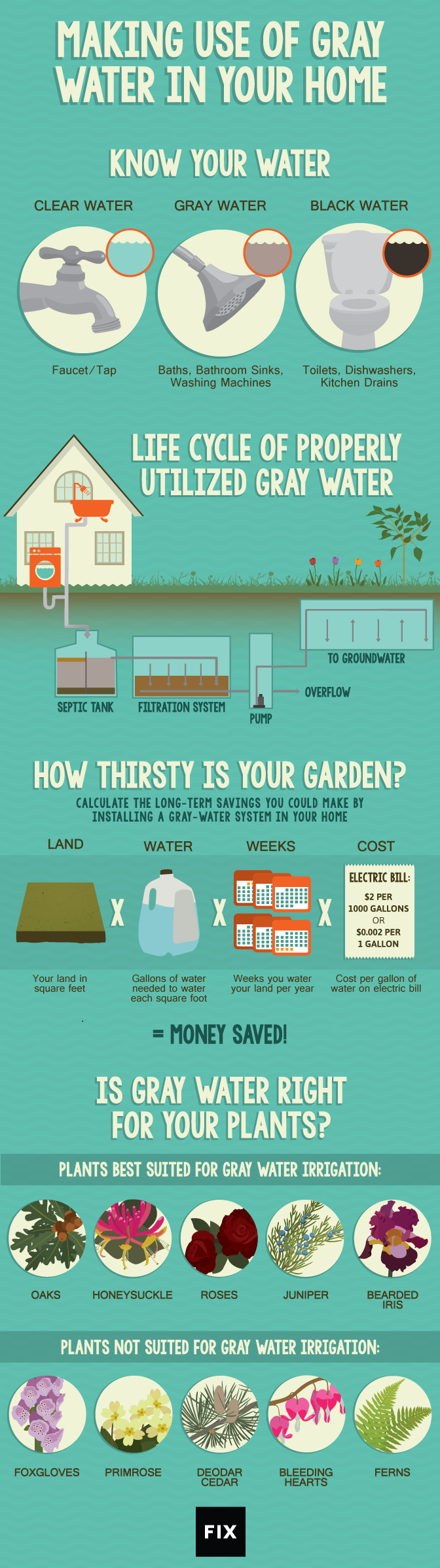
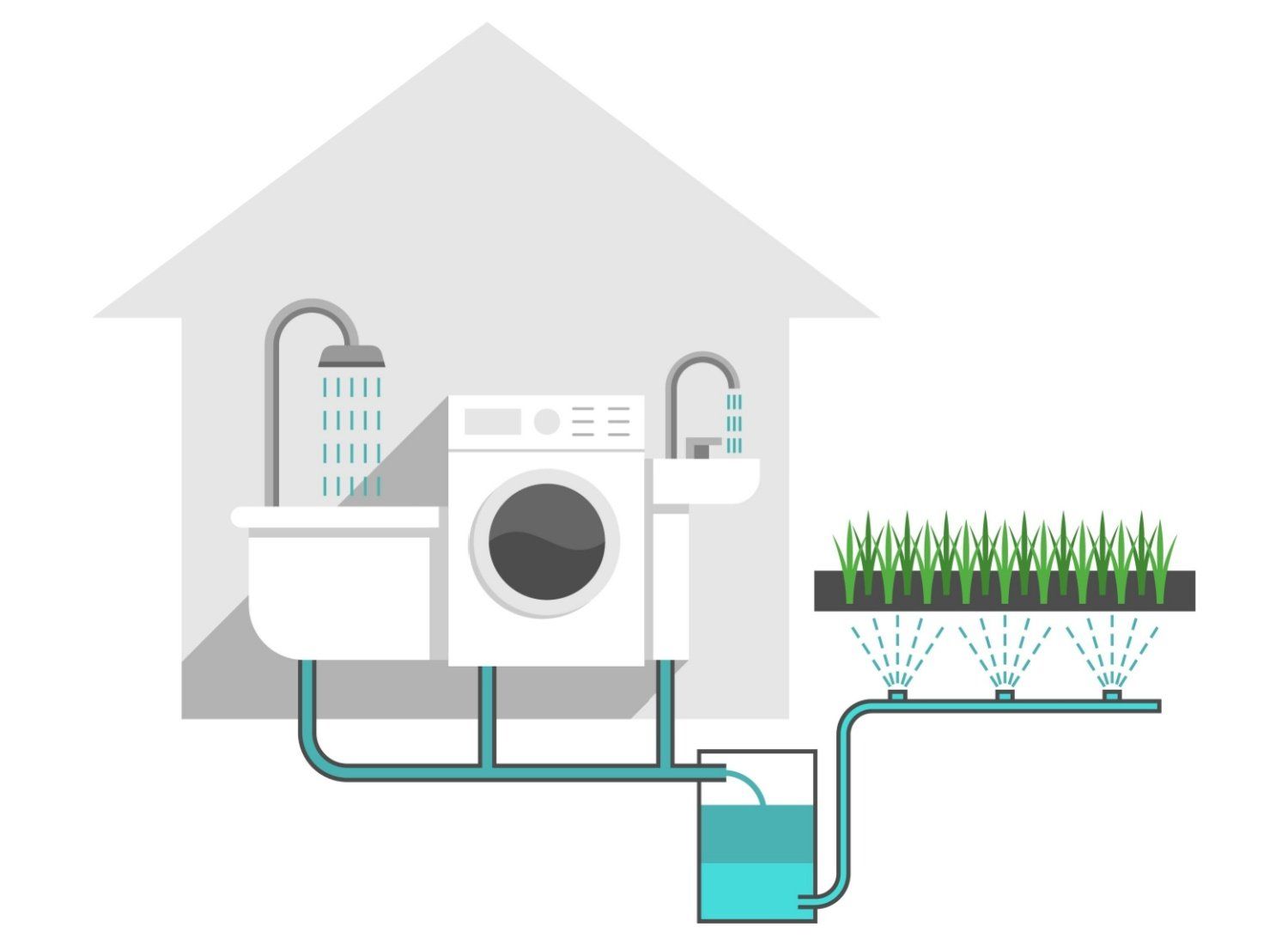
Greywater is simply wastewater from household activities that doesn’t contain toilet waste. This includes water from your bathroom sink, shower, bathtub, and washing machine. Most importantly, it’s water that’s already been used once and can be safely reused for irrigation purposes. The key is understanding what goes into your greywater system and what doesn’t.
Consider this: every time you wash your hands, take a shower, or run your washing machine, you’re producing greywater that could be redirected to nourish your plants instead of going down the drain. This water contains minimal contaminants and is perfect for watering gardens, lawns, and landscapes. The beauty lies in its simplicity – it’s not rocket science, but rather smart thinking about resource management.
The distinction between greywater and blackwater is crucial. Blackwater comes from toilets and contains human waste, making it unsuitable for garden irrigation. Greywater, on the other hand, is much gentler on plants and soil, creating a sustainable cycle that benefits both your wallet and the environment.
Benefits of Greywater Systems
Implementing a greywater system brings numerous advantages that extend far beyond simple water conservation:
• Significant cost savings – You’ll see reduced water bills and less strain on municipal water supplies
• Environmental protection – Less water going to treatment plants means cleaner waterways
• Enhanced plant health – Greywater often contains nutrients that benefit plants
• Reduced stormwater runoff – Less water flooding streets and overwhelming drainage systems
• Increased property value – Sustainable features are increasingly attractive to buyers
Let’s talk numbers for a moment. A typical family can save 20-40 gallons of water per day by diverting greywater to their landscape. That might not sound like much, but over a year, it adds up to thousands of gallons. Think about how many plants you could keep hydrated with that extra water.
Some gardeners have reported dramatic improvements in their garden’s health after switching to greywater irrigation. The nutrients naturally present in greywater, like phosphorus and potassium from soaps and detergents, provide a gentle boost to plant growth. It’s like giving your garden a little extra love without any extra effort.
Types of Greywater Systems
There are several approaches to greywater systems, each suited to different situations and needs:
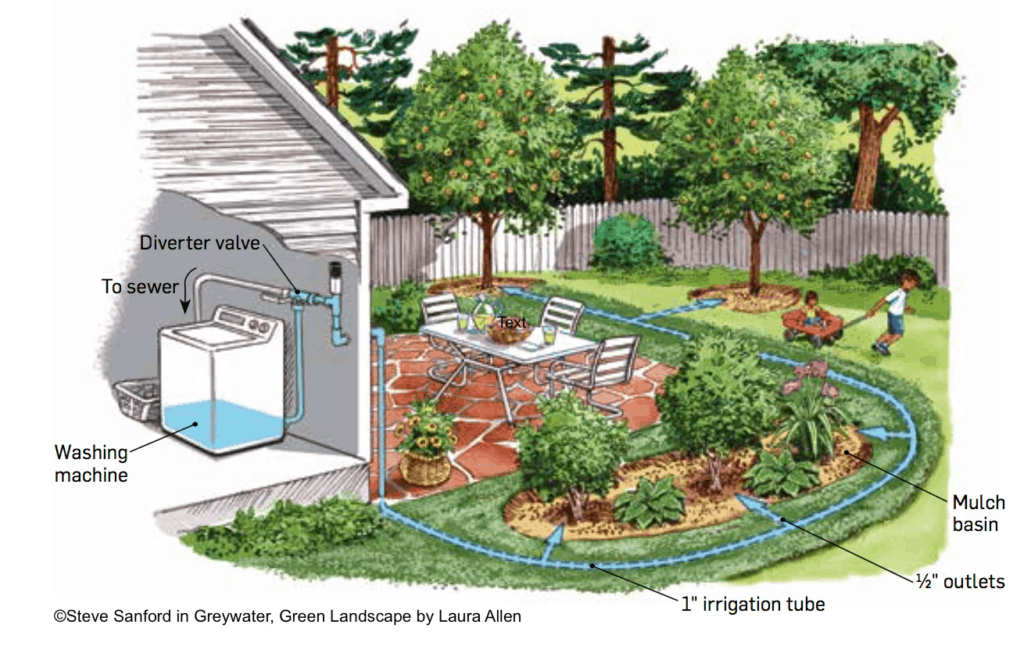
Simple Diversion Systems – These are the most basic and affordable options. They involve redirecting water from a single source, like a shower drain, directly to your garden through a simple pipe setup. They’re great for small gardens or specific areas.
Subsurface Irrigation – This method involves burying pipes underground to deliver water directly to plant roots. It reduces evaporation and keeps water where plants need it most. It’s particularly effective for established landscapes.
Drip Irrigation Integration – Connecting your greywater system to existing drip irrigation lines allows precise delivery of water to individual plants. This is excellent for vegetable gardens and flower beds.
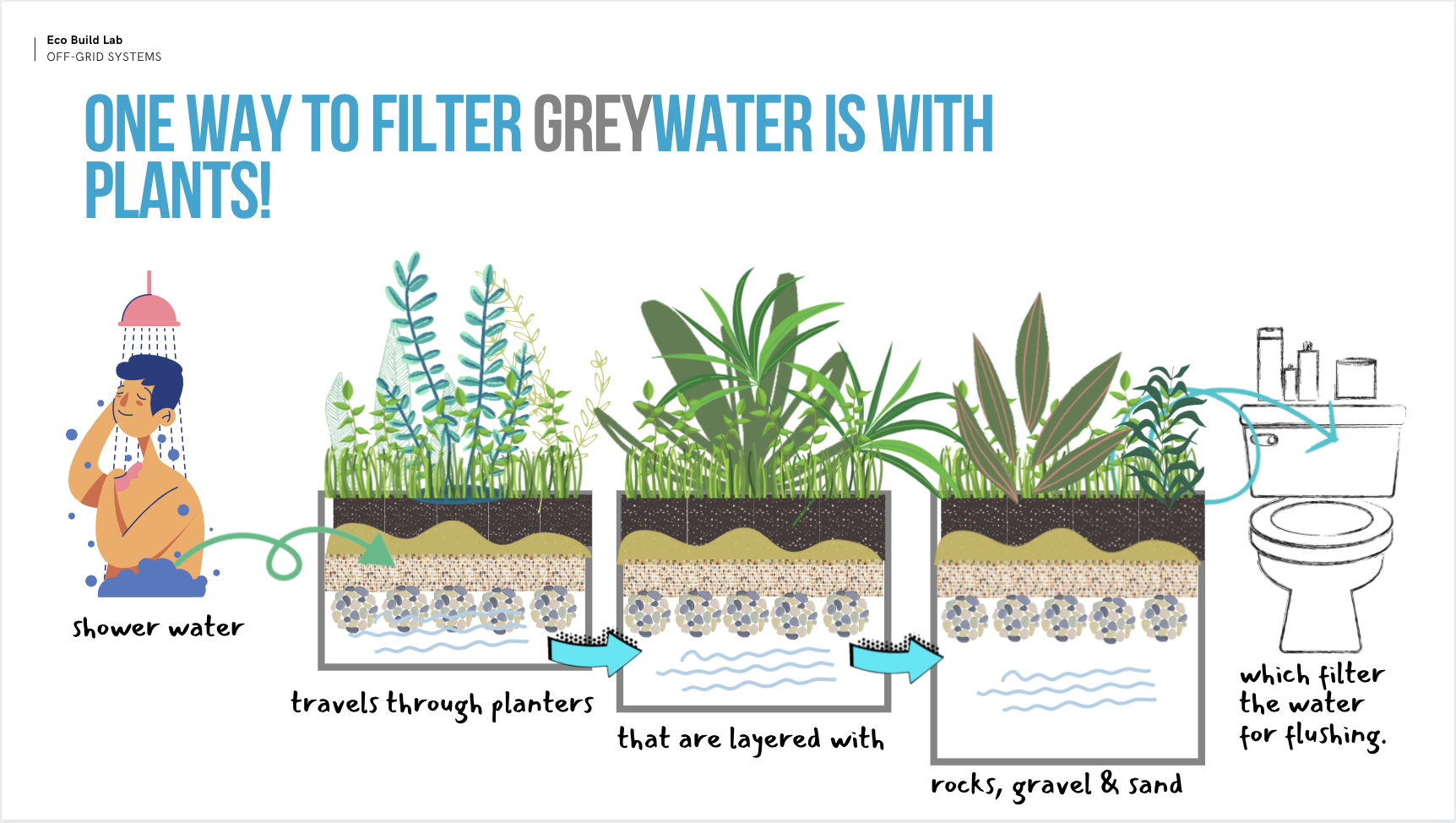
Constructed Wetlands – These are more elaborate systems that treat greywater through natural processes before reuse. They’re ideal for larger properties and can handle multiple water sources simultaneously.
The choice depends largely on your home’s layout, garden size, and local regulations. Some systems require permits, while others can be installed DIY-style. The important thing is starting with what works for your situation and expanding as needed.
Safety and Legal Considerations
Before diving into greywater installation, it’s essential to understand the legal landscape and safety requirements. Regulations vary dramatically by location, with some areas encouraging greywater use while others have strict restrictions. Always check with your local building department or environmental agency first.
Safety is paramount when dealing with greywater systems. The water should never come into contact with food crops or be used on areas where children play. It’s also important to avoid using harsh chemicals, bleach, or antibacterial products that can harm plants or contaminate soil.
Some key safety rules include:
• Use biodegradable, plant-safe soaps and detergents
• Never use greywater on root vegetables or herbs that grow close to the soil surface
• Install proper filtration to prevent clogging
• Regularly monitor system performance and cleanliness
• Ensure adequate drainage away from foundations
Remember, the goal is to make your system work harmoniously with nature, not against it. Following these guidelines protects both your plants and your family.
Practical Installation Tips
Getting started with greywater doesn’t have to be overwhelming. Here are some straightforward steps to begin your journey:
First, assess your water sources. Which drains produce the most consistent greywater flow? Is your shower drain connected to a separate line from your kitchen sink? Understanding your home’s plumbing helps determine the best approach.
Next, consider your garden layout. Where will the water go? Will it reach all your plants evenly? Plan ahead to ensure good distribution and avoid over-saturating any one area.
Start small with a simple diversion system. Maybe redirect your shower water to a specific flower bed. Once you’re comfortable with the basics, you can expand to include other sources.
Don’t overlook maintenance. Regular cleaning of filters and checking for clogs will keep your system running smoothly. A little upkeep goes a long way in preventing bigger problems later.
Consider timing too. Greywater is most useful during growing seasons when plants need the extra moisture. During winter months, you might want to shut off the system or redirect it elsewhere.
Common Mistakes to Avoid
Even experienced gardeners can fall into traps when setting up greywater systems. Here are the most frequent missteps and how to avoid them:
Using the wrong products – Many people assume all soaps are safe for greywater use. However, some commercial detergents contain phosphates, chlorine, or synthetic fragrances that can harm plants and soil bacteria. Stick to mild, biodegradable options.
Overwatering plants – Greywater is water, so it’s easy to get carried away. Plants don’t need constant saturation. Instead, aim for deep, infrequent watering sessions that encourage strong root development.
Ignoring local laws – Regulations change frequently, and what’s allowed today might not be tomorrow. Always verify current codes before beginning any project.
Neglecting maintenance – A system that’s never cleaned becomes a breeding ground for bacteria and clogs. Schedule regular checks and cleanings as part of your routine garden care.
Placing greywater near edible plants – While greywater isn’t harmful, it’s better to keep it away from vegetables and herbs that might be consumed raw. Use it primarily on ornamental plants or fruits that are cooked or peeled before eating.
These mistakes aren’t catastrophic, but they can reduce your system’s effectiveness and potentially harm your garden. Learning from others’ experiences helps you avoid these pitfalls early on.
Real-Life Success Stories
The power of greywater isn’t just theoretical – it’s being proven every day by homeowners across the country. Take Maria, a gardener in California who transformed her drought-prone backyard using a simple greywater diversion system. She redirects her shower water to a specially designed irrigation area, and now her garden thrives even during dry summers. Her water bill dropped by nearly thirty percent, and her plants look more vibrant than ever.
Then there’s the Johnson family in Texas, who installed a full greywater system including drip irrigation and subsurface delivery. They’ve managed to cut their outdoor water usage by 60 percent while maintaining a lush, productive landscape. Their system handles water from multiple sources and has become a conversation starter for neighbors.
These stories show that greywater isn’t just for environmentally conscious individuals – it’s a practical solution that anyone can implement. Whether you have a small patio garden or a sprawling backyard, there’s a greywater approach that fits your lifestyle and goals. The key is starting with what feels manageable and building from there.
Greywater systems represent more than just a clever way to save water – they’re a bridge between sustainable living and beautiful gardening. When we think about our relationship with water, we often forget that every drop has potential. Your backyard, with its soil, plants, and natural rhythms, offers the perfect canvas for turning waste into something valuable.
The beauty of greywater isn’t just in the savings or environmental impact – it’s in the connection it creates between your daily life and your outdoor space. Every time you take a shower or wash dishes, you’re participating in a larger conversation about resource stewardship. It’s empowering to know that your everyday actions can contribute to healthier ecosystems and more resilient landscapes.
Whether you start with a simple shower diversion or build a comprehensive system, the journey toward water efficiency begins with small steps. The knowledge you gain along the way, the plants you nurture, and the savings you achieve make it all worthwhile. Your garden will thank you, your wallet will appreciate it, and the environment will benefit from your thoughtful approach to water use. The future of sustainable landscaping starts right where you are – in your own backyard.