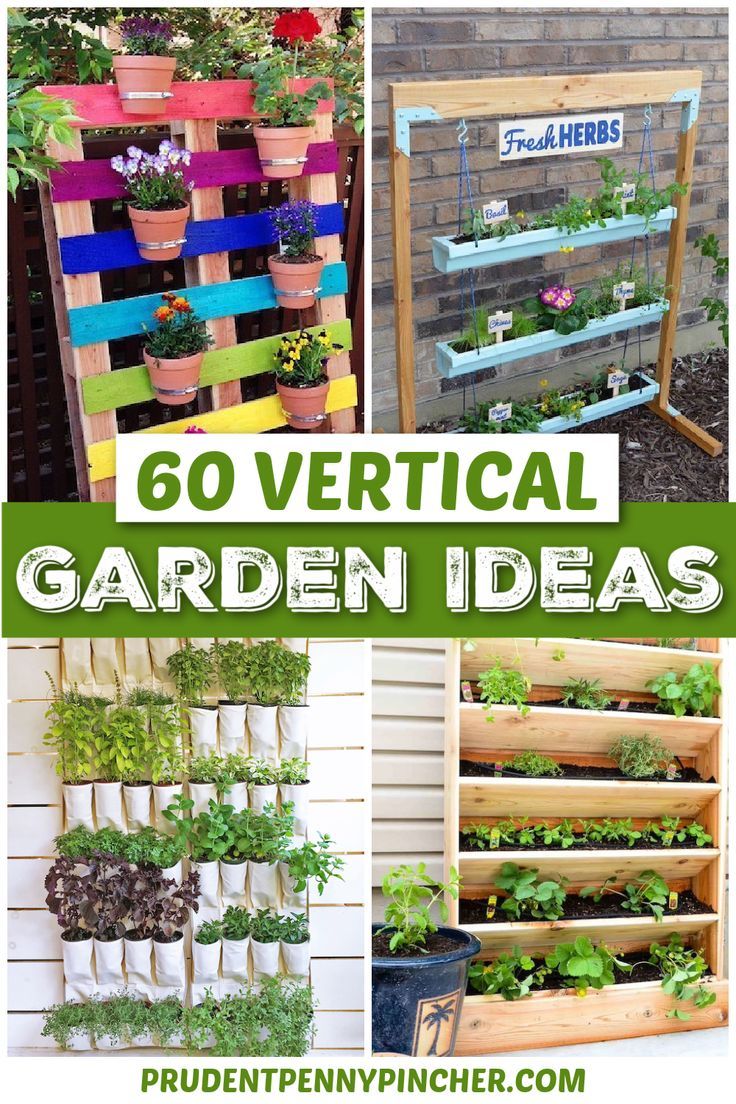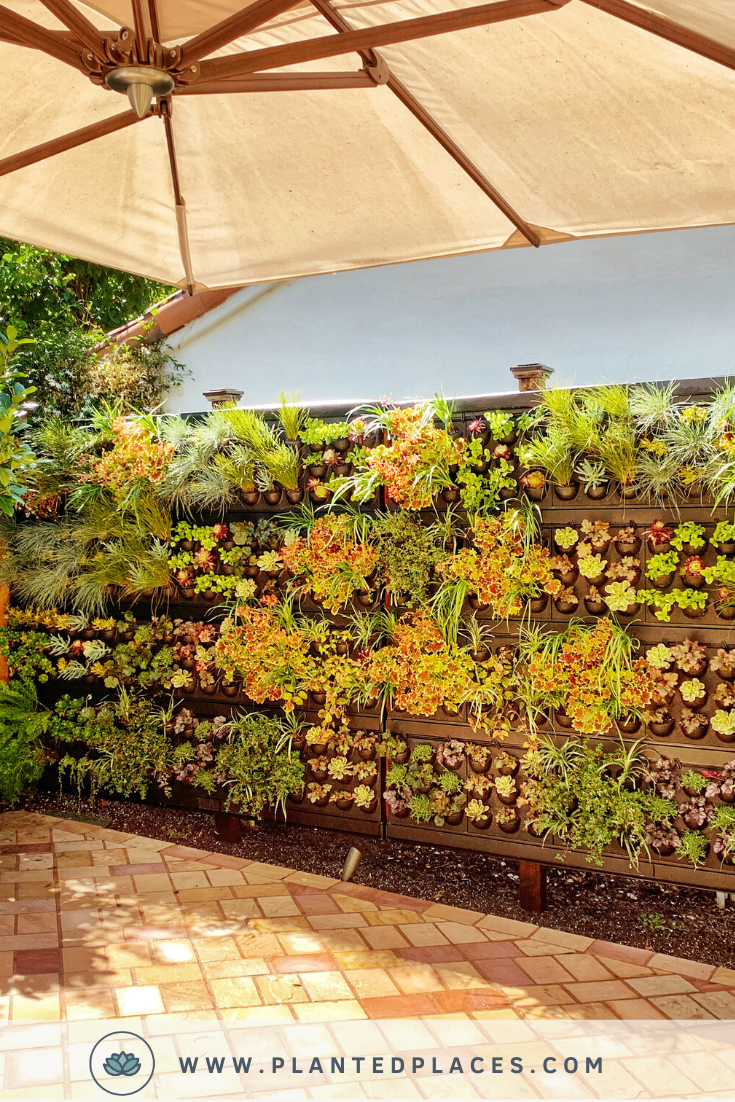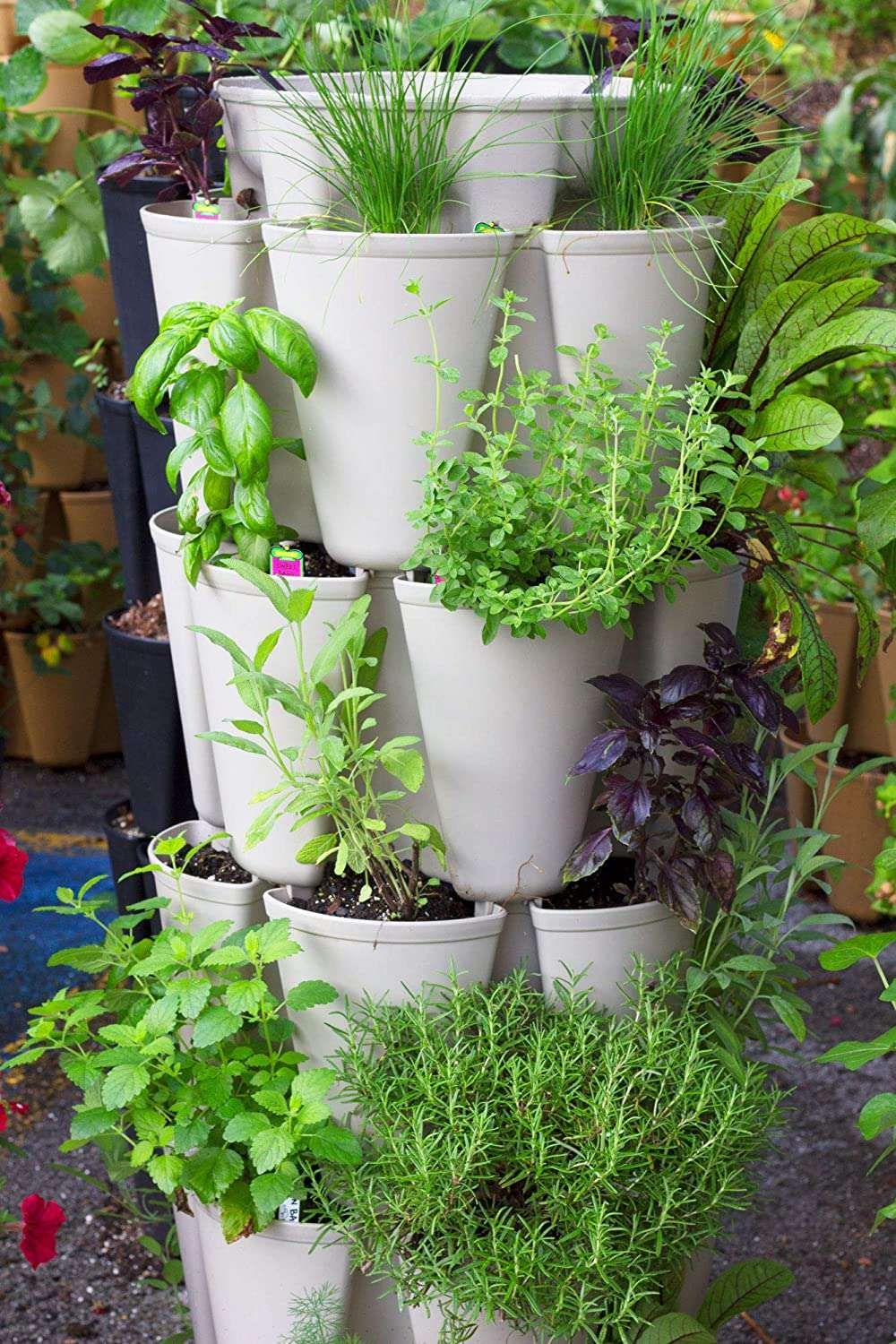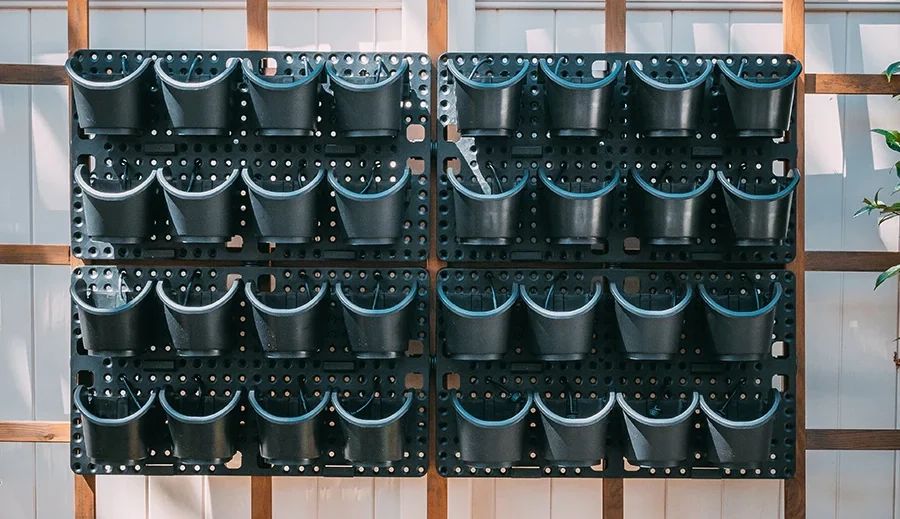
Imagine having fresh herbs, vegetables, and flowers growing right at your fingertips, all while reducing your environmental footprint. What if you could create a garden that’s not just beautiful but also environmentally responsible? This guide will show you how to build your own sustainable vertical garden kit from scratch, using materials that are both budget-friendly and eco-conscious.
Vertical gardening isn’t just a trendy way to maximize space – it’s a sustainable solution that can transform how you think about growing food and plants. Whether you live in a small apartment, have limited outdoor space, or simply want to reduce your carbon footprint, a vertical garden offers incredible benefits. But instead of buying expensive kits, why not build your own? It’s more rewarding, cost-effective, and gives you complete control over the design and materials used. You’ll learn how to create a system that works with nature rather than against it, using recycled materials and smart planning techniques that make gardening more sustainable than ever before.
Why Choose a Sustainable Vertical Garden?
There are several compelling reasons to build your own sustainable vertical garden instead of purchasing commercial options. First, you get full control over the materials used. Many commercial kits rely on plastics that can break down over time or contain chemicals that might leach into your soil. When you build your own, you know exactly what goes into your garden. Second, you can customize the design to fit your exact space and needs. A standard kit might not match your wall dimensions or plant preferences perfectly. Third, sustainable gardens are better for the environment. By using recycled materials and organic growing methods, you’re actively contributing to environmental conservation. Consider that a single vertical garden can produce up to 10 times more food per square foot than traditional ground gardening. That’s not just efficiency – that’s sustainability at its finest. Plus, there’s something deeply satisfying about creating something functional and beautiful from scratch.
Essential Materials and Tools
Building your vertical garden kit requires some basic supplies and tools. Here’s what you’ll need:
• Recycled containers (plastic bottles, milk jugs, or wooden crates)
• Growing medium (compost, potting soil, and organic matter)
• Watering system components (drip lines, reservoirs, or wicking systems)
• Support structure (wooden boards, metal frames, or repurposed materials)
• Fasteners and hardware (screws, brackets, hooks)
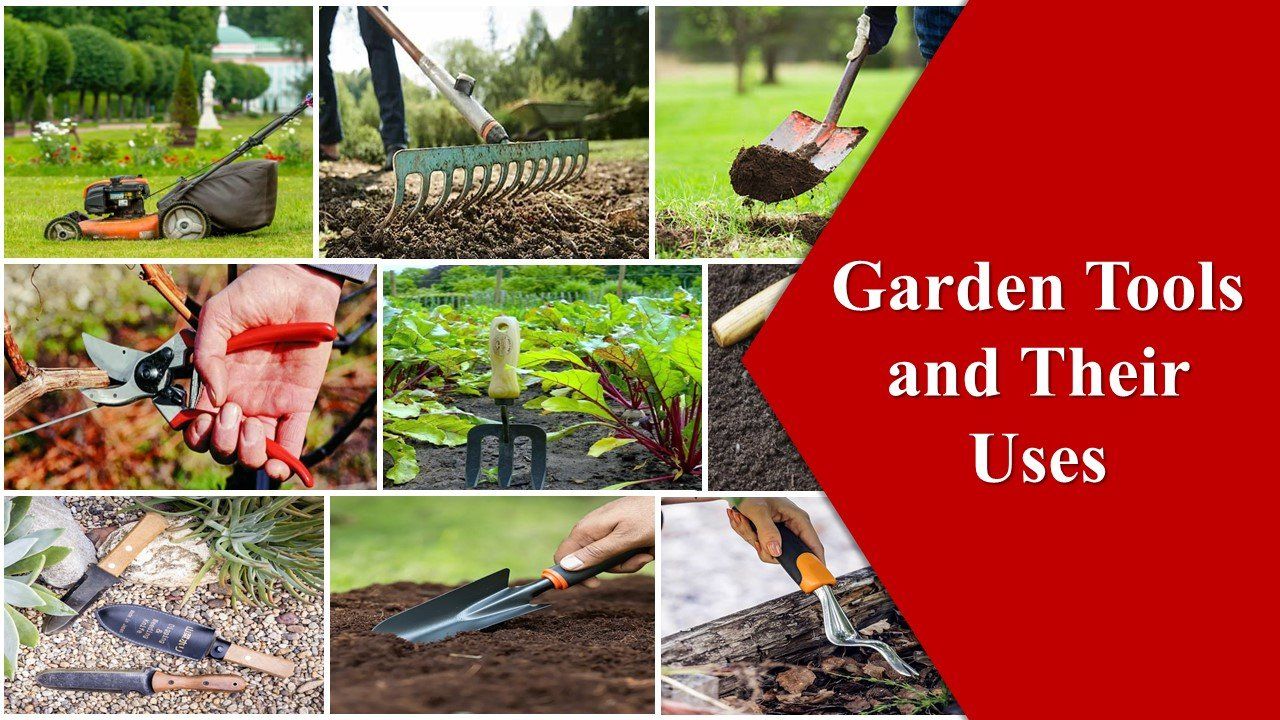
• Basic tools (drill, saw, measuring tape, screwdriver)
The beauty of sustainable gardening lies in repurposing items you already have. Old wooden pallets can become the framework, plastic bottles can serve as planters, and even old garden hoses can provide watering infrastructure. The key is to think creatively about what you already possess. For instance, if you have a collection of empty glass jars, they make excellent small planters for herbs or flowers. You don’t need to buy everything new – often, the best materials come from what you already have lying around. Remember, the most sustainable approach means using resources wisely and minimizing waste.
Design Planning and Layout
Before you start building, take time to plan your layout carefully. Consider several factors:
• Available space and dimensions
• Types of plants you want to grow
• Sunlight exposure in your area
• Water access and drainage needs
• Weight limitations of your support structure
Think about creating zones within your vertical garden. Some plants need more sun, others prefer shade. You might want to group similar plants together for easier maintenance. For example, place leafy greens near the bottom where they get less direct light, and position flowering plants higher up where they can catch more sun. Also, consider the weight distribution. If you’re using a wall-mounted system, make sure your support structure can handle the combined weight of containers, soil, and water. A good rule of thumb is to keep each container under 10 pounds when fully loaded. This ensures your garden stays secure and safe for everyone.
Construction Process Step-by-Step
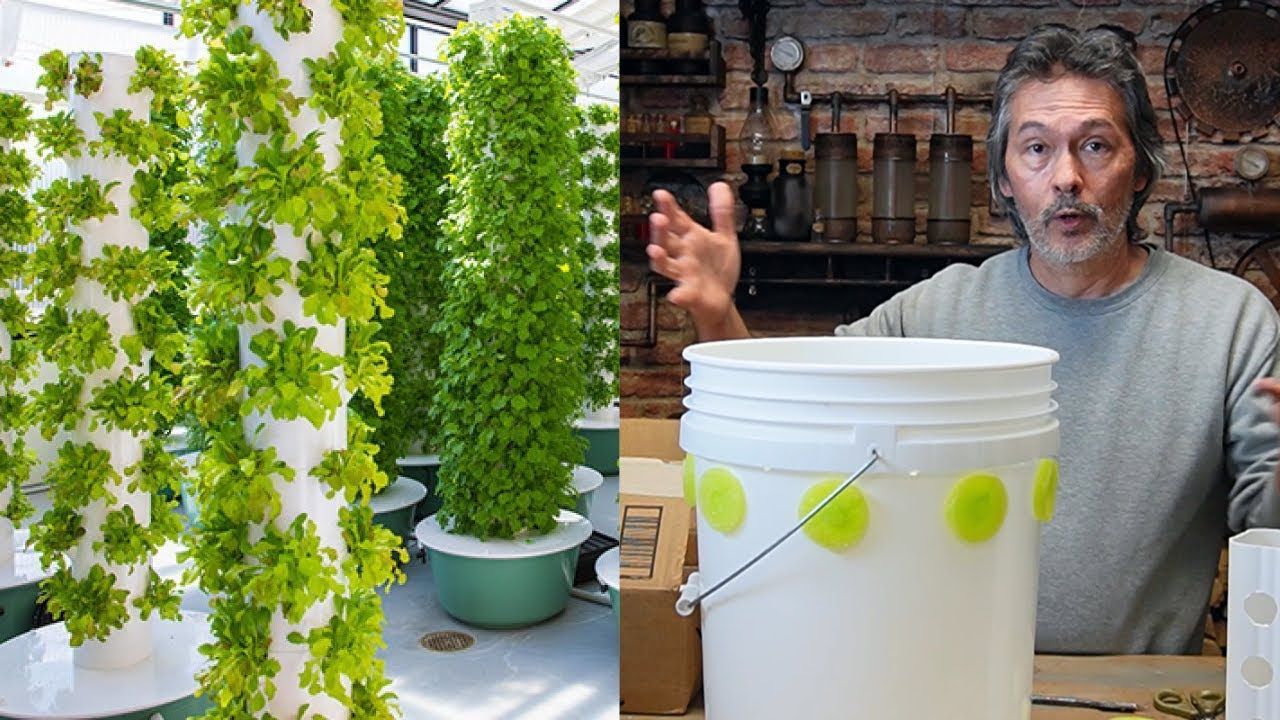
The construction process is straightforward once you’ve planned your design. Start by preparing your support structure. If using wood, cut pieces to size and sand them smooth. For metal frames, ensure all connections are secure. Next, create your planting containers. Plastic bottles work wonderfully – just cut them in half and poke drainage holes in the bottom. You can also modify wooden boxes or repurpose old buckets. Once your containers are ready, install them onto your frame. Use brackets or hooks to secure them properly. Make sure they’re evenly spaced and level. Then comes the fun part – filling with growing medium. Mix compost with potting soil to create nutrient-rich conditions for your plants. Finally, set up your watering system. A simple drip irrigation setup or even a bucket with a hose can work well. The key is ensuring consistent moisture without waterlogging your plants. Test the system before planting to make sure everything functions properly.
Water Management and Irrigation Systems
Proper water management is crucial for a successful vertical garden. Overwatering or underwatering can quickly ruin your plants. One effective method is creating a wicking system using a reservoir at the base of your structure. This allows water to travel upward through absorbent materials to the plant roots. Another approach is installing drip irrigation lines that deliver water directly to each container. You can use old garden hoses or specialized drip tubing. Set up a timer to automate watering during peak growth periods. Remember to check water levels regularly and adjust based on weather conditions. During hot summer months, you might need to water twice daily, while cooler seasons may require less frequent attention. Also, consider rainwater collection as part of your sustainable approach. A simple barrel or container can capture runoff from your roof, providing free water for your garden. This small addition makes your vertical garden even more environmentally friendly.
Plant Selection and Maintenance Tips
Choosing the right plants is essential for your vertical garden’s success. Focus on varieties that thrive in container conditions and don’t grow too large. Herbs like basil, thyme, and parsley are excellent choices because they’re compact and useful. Leafy greens such as lettuce, spinach, and kale also do well in vertical systems. For flowering plants, consider petunias, marigolds, or nasturtiums that cascade beautifully down the sides. When selecting plants, consider their growth habits and mature sizes. Plants that spread horizontally might overcrowd your vertical space. Also, think about companion planting – certain plants benefit each other when grown together. For example, basil helps deter pests from tomatoes, while marigolds can protect against harmful insects. Regular maintenance includes checking for pests, trimming dead leaves, and fertilizing periodically. Most importantly, observe your plants daily. They’ll tell you what they need through changes in color, growth rate, or overall health. A healthy vertical garden is one that you tend to regularly and with care.
Troubleshooting Common Issues
Even with careful planning, problems can arise in any garden. Here are some common issues and solutions:
• Water pooling or poor drainage – Check that all containers have adequate drainage holes and that the structure slopes slightly to allow water flow
• Plants wilting or yellowing – This often indicates either overwatering or underwatering. Adjust your watering schedule accordingly
• Pests appearing – Inspect plants regularly and use organic pest control methods like neem oil or beneficial insects
• Nutrient deficiencies – Add compost or organic fertilizer to improve soil quality
• Structural instability – Reinforce weak points with additional brackets or supports
Don’t panic if things don’t go perfectly the first time. Every gardener learns through trial and error. Keep a notebook to track what works and what doesn’t. Document watering schedules, plant performance, and any modifications you make. This knowledge becomes invaluable for future gardening projects. Remember, sustainable gardening isn’t about perfection – it’s about creating a system that works for you and your environment over time.
Building your own sustainable vertical garden kit is more than just a gardening project – it’s a commitment to environmental stewardship and self-sufficiency. You’ve learned how to create a system that maximizes space, minimizes waste, and provides fresh produce year-round. From selecting the right materials to planning your layout and maintaining your plants, every step contributes to a more sustainable lifestyle. The beauty of this approach is that it’s completely customizable to your needs and available resources. Whether you’re a seasoned gardener or someone just starting out, a DIY vertical garden offers endless possibilities for creativity and connection with nature. So grab those materials, roll up your sleeves, and start building. Your garden – and the planet – will thank you for it.