Picture this: a classroom full of children, their hands covered in colorful crayons, their faces lit up with joy as they create masterpieces on paper. Now imagine that those same colors come from plastic markers that were once destined for landfills. That’s exactly what’s happening today – turning waste into wonder with recycled plastic markers.
Every day, millions of plastic markers end up in landfills, taking hundreds of years to decompose. But what if we could give them a second life? What if we could transform these discarded tools of creativity into something beautiful and useful? This isn’t just a dream anymore – it’s happening all around us. From schools to art studios, communities are discovering that old markers can become new treasures, creating a circular economy that benefits everyone.
The Plastic Marker Problem
Plastic markers have been part of our lives for decades. They’re convenient, affordable, and incredibly useful for everything from coloring books to office presentations. But here’s the catch: most of these markers are made from non-biodegradable materials. Every year, we use billions of markers worldwide, and a staggering amount ends up in landfills. The problem is particularly acute in schools where markers get replaced regularly, often before they’re even fully used.
Think about it – a marker might only last a few months before being thrown away, even though it still has plenty of ink left. This creates a massive waste issue that affects our environment. Plastic markers contribute to pollution, take up space in landfills, and release harmful chemicals over time. The environmental impact is significant, especially when you consider that many of these markers are made from petroleum-based plastics that aren’t easily recyclable.
What makes this problem worse is that plastic markers are often contaminated with ink, making them difficult to process through standard recycling programs. This means that despite being made from recyclable materials, they often end up in the trash instead of being properly recycled.
The Birth of a Solution
But then came the idea that changed everything. What if we could repurpose these discarded markers rather than throwing them away? The answer was simpler than many expected. Instead of letting them rot in landfills, companies and individuals began developing ways to break down these markers and turn them into something new.
The journey started small. A few enterprising individuals noticed that the plastic casings of markers were actually quite durable and could be processed into usable materials. They began collecting used markers, breaking them down, and using the plastic components to create new products. It wasn’t perfect at first – the process was messy, and the results weren’t always consistent. But the potential was there, and people were eager to see it work.
One company in particular became known for their pioneering efforts. They developed specialized equipment that could efficiently separate the various components of a marker – the plastic casing, the ink, the metal parts, and the tip. This careful breakdown allowed them to maximize the reuse of each component. The plastic casing, for example, could be melted down and molded into new shapes, while the metal parts could be recycled separately.
The breakthrough came when they realized that they didn’t need to create entirely new products. Sometimes, the best approach was to simply improve existing items. They began creating better versions of things like pencil cases, storage containers, and even furniture pieces. The recycled plastic retained its strength and durability, making it perfect for functional items.
How the Process Works
The transformation of plastic markers into new products involves several steps that require both technology and care. First, the markers must be collected from various sources – schools, offices, art supply stores, and households. These collection points are crucial because they ensure a steady supply of material for processing.
Once collected, the markers go through a sorting process. Workers carefully separate the different types of markers based on their size, color, and composition. This step is important because different markers may require different processing methods. Some markers are made from thicker plastic, while others have more delicate components.
Next comes the actual breakdown phase. The markers are cleaned thoroughly to remove any remaining ink or debris. Then, they’re cut apart to separate the plastic casing from the internal components. The plastic casing is typically the most valuable part since it’s often made from high-quality materials that can be reused multiple times.
The plastic is then ground down into small pieces, which are cleaned and melted together. During this melting phase, workers add special additives to improve the properties of the final product. The mixture is then poured into molds to create new items. Some companies even blend different colors together to create unique patterns and designs.
The entire process requires careful attention to safety and quality control. Workers wear protective gear, and the facility maintains strict standards to ensure that the final products are safe for use. The result is a material that’s strong, durable, and often more attractive than the original plastic.
Creative Applications
The possibilities for recycled plastic markers are almost endless. Artists and designers have discovered that the material can be used to create stunning sculptures, jewelry, and decorative items. The unique texture and color variations of the recycled plastic give each piece a distinctive character that cannot be replicated with new materials.
In the educational sector, schools have embraced this innovation. Teachers now use recycled marker products to teach students about sustainability and environmental responsibility. Students learn about the lifecycle of products, the importance of recycling, and how small actions can make a big difference. Some schools even organize marker collection drives, turning the effort into a community-building activity.
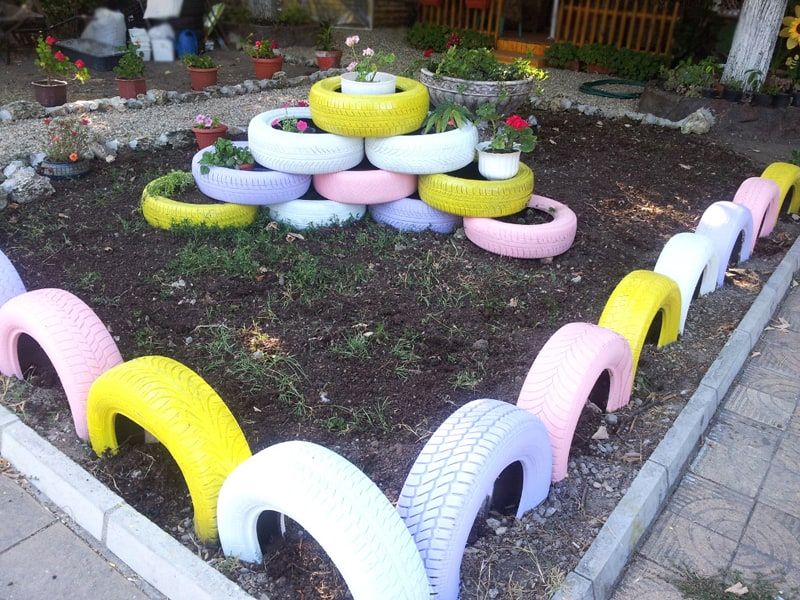
Homeowners have found creative uses for recycled marker products too. Storage boxes, planters, and even outdoor furniture made from recycled marker plastic are becoming popular. The material is weather-resistant, making it ideal for garden use, and it doesn’t attract pests or insects like some traditional materials might.
Businesses have also jumped on board. Companies that produce office supplies are incorporating recycled marker materials into their products, from desk organizers to filing cabinets. The appeal is obvious – customers want products that are both functional and environmentally responsible. Plus, the recycled materials often have a unique aesthetic that sets them apart from mass-produced alternatives.
Artists have created entire installations using recycled marker plastic. These works often highlight the contrast between waste and beauty, showing viewers that even discarded items can be transformed into something meaningful. One notable artist created a large-scale sculpture using over 10,000 recycled markers, demonstrating how small individual contributions can create something monumental.
Environmental Benefits
The environmental advantages of recycling plastic markers extend far beyond just reducing landfill waste. When we recycle markers instead of throwing them away, we significantly reduce the demand for new plastic production. This means fewer resources are needed to make new products, which helps preserve natural resources and reduces energy consumption.
Producing new plastic requires enormous amounts of energy and raw materials. By reusing existing plastic from markers, we dramatically reduce the carbon footprint associated with manufacturing. Studies show that recycling plastic can save up to 80% of the energy required to produce new plastic from scratch. That’s a huge win for the environment.
Additionally, recycling prevents the release of harmful chemicals into the environment. Plastic markers often contain volatile organic compounds and other substances that can contaminate soil and groundwater if they end up in landfills. When we recycle these markers, we prevent that contamination from occurring.
The reduction in landfill space needed is another benefit. Landfills are filling up quickly, and every ton of waste diverted from these sites helps extend their lifespan. In some areas, recycling programs have reduced the volume of waste going to landfills by as much as 40%.
Water conservation is also a factor. Manufacturing new plastic requires significant water usage, while recycling processes typically use much less water. This becomes particularly important in areas facing water scarcity issues.
Challenges and Future Prospects
Despite the many successes, there are still challenges to overcome. One major obstacle is the cost of collection and processing. Setting up efficient collection systems requires investment in transportation, sorting facilities, and specialized equipment. These costs can make it difficult for smaller organizations to participate in marker recycling programs.
Another challenge is consumer awareness. Many people still don’t know that their old markers can be recycled or don’t realize the environmental impact of throwing them away. Education campaigns are essential to help people understand how to properly dispose of these items.
The variety of marker types also presents a challenge. Different brands and models use different materials and construction methods. This makes it harder to develop universal recycling processes that work for all types of markers. Some markers have special coatings or components that are difficult to process.
Looking ahead, the future is bright. Technology improvements are making the recycling process more efficient and cost-effective. New machines can process markers faster and with higher quality results. Researchers are also developing better methods for separating different components, allowing for more precise recycling.
There’s growing interest from major corporations in incorporating recycled marker materials into their products. This increased demand will drive further innovation and make recycling more economically viable. Some companies are even exploring ways to make their own markers from recycled materials, creating a complete circular system.
The market for recycled plastic products is expanding rapidly. As consumers become more environmentally conscious, they’re seeking out products that align with their values. This trend is driving growth in the recycled materials industry and encouraging more businesses to adopt sustainable practices.
The story of turning waste into wonder with recycled plastic markers shows us that creativity and environmental responsibility can go hand in hand. What started as a simple idea – collecting discarded markers and giving them new life – has evolved into a movement that’s changing how we think about waste and sustainability. Every marker that gets recycled is a small victory for our planet, and every new product made from recycled materials is a reminder that we can find beauty and utility in unexpected places. The future looks promising, with continued innovation and growing awareness helping to make this vision a reality for everyone. Whether you’re a student, teacher, artist, or just someone who cares about the environment, you can play a part in this transformation. After all, sometimes the most beautiful creations come from the most unlikely beginnings.