Picture this: a bustling greenhouse filled with lush vegetation, but instead of feeling sweltering, the air carries a refreshing mist. This isn’t just a pleasant fantasy – it’s the reality that eco-friendly greenhouse misting systems bring to modern agriculture. These systems work like nature’s own air conditioning, gently cooling plants while providing essential moisture. But how exactly do they function? What makes them environmentally friendly? And why have they become such a vital part of sustainable farming practices? Let’s explore these fascinating systems together.
In the world of controlled environment agriculture, few innovations have captured attention quite like eco-friendly greenhouse misting systems. These clever mechanisms represent a marriage between technology and environmental consciousness, offering growers a way to maintain optimal growing conditions while minimizing resource consumption. Whether you’re a seasoned agricultural professional or someone curious about sustainable farming, understanding how these systems work can open doors to better plant care and environmental stewardship. The beauty lies in their simplicity – they mimic natural processes to create ideal growing environments. But beneath this apparent straightforwardness lies a complex interplay of physics, biology, and engineering that makes them truly remarkable.
What Are Greenhouse Misting Systems?
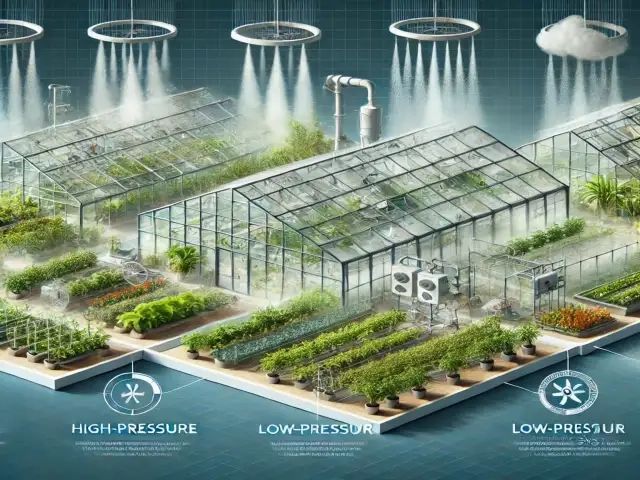
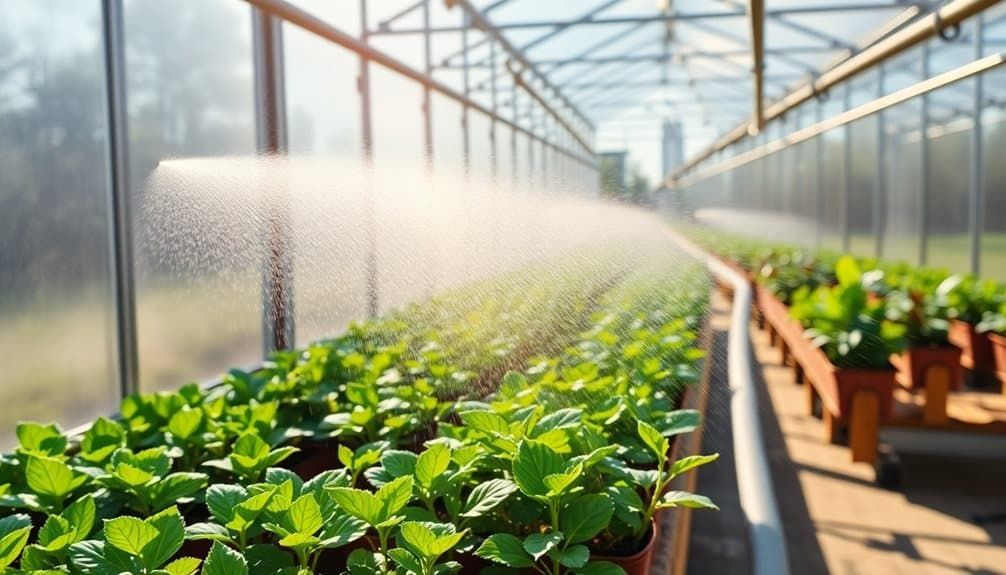
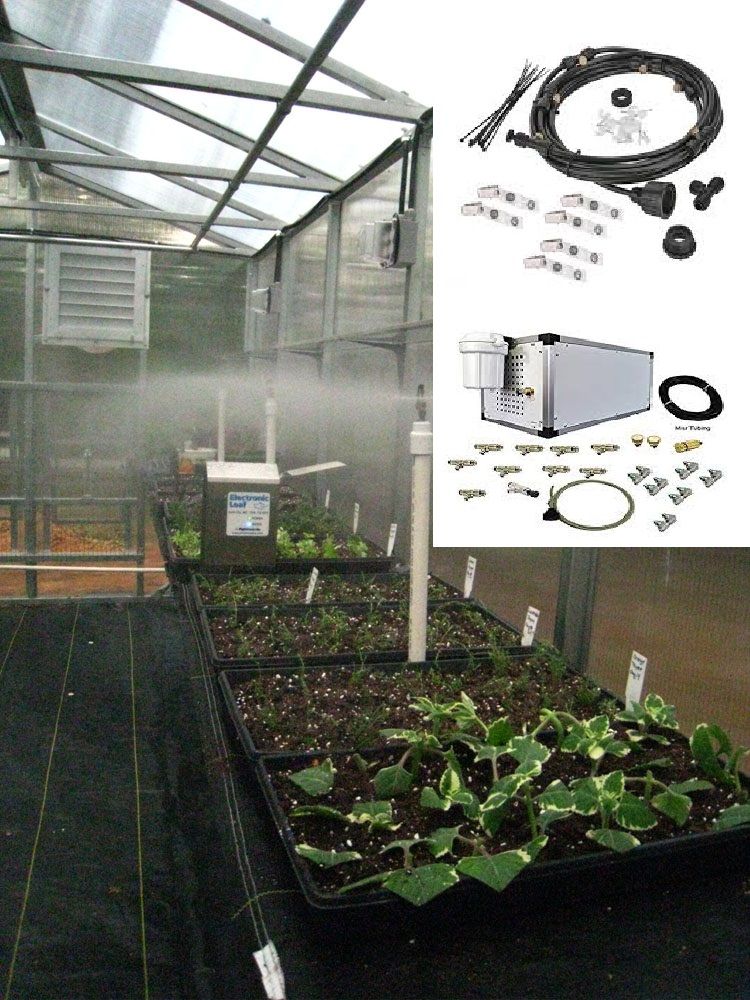
At its core, a greenhouse misting system is essentially a network of pipes, nozzles, and controls designed to spray fine water droplets into the air. These droplets evaporate quickly, creating a cooling effect that reduces ambient temperature and increases humidity. Think of it as giving your plants a gentle, refreshing shower that also helps regulate the surrounding climate. The systems can range from simple manual setups to sophisticated automated networks. What sets eco-friendly versions apart is their focus on efficiency and minimal environmental impact. They often use recycled water, energy-efficient pumps, and smart controls to maximize effectiveness while reducing waste. A typical setup might include a reservoir, filtration system, pump, distribution piping, and precisely placed nozzles that create the perfect mist pattern.
The Science Behind Evaporative Cooling
The magic happens through evaporation – a process that’s both ancient and fundamental to life itself. When water transforms from liquid to vapor, it absorbs heat energy from its surroundings. This principle forms the backbone of misting systems’ cooling power. Imagine standing next to a swimming pool on a hot day – the water evaporating off the surface creates a cooling sensation around you. In a greenhouse, this same concept works on a larger scale. The tiny water droplets from misting nozzles have a massive surface area relative to their volume, maximizing the evaporation rate. The result? Dramatic temperature drops, sometimes as much as 10-15 degrees Fahrenheit, without using any mechanical refrigeration. This natural cooling method also adds beneficial humidity to the air, which many plants thrive on. It’s almost like having a personal climate control system that works in harmony with nature rather than against it.
Environmental Benefits and Sustainability
Eco-friendly misting systems offer impressive advantages for those concerned about environmental impact. Traditional cooling methods often require significant energy inputs and may use chemicals that harm ecosystems. In contrast, misting systems primarily use water and electricity, making them much gentler on the planet. Many modern systems incorporate water recycling features, reducing overall consumption by up to 70% compared to conventional irrigation methods. The reduced need for chemical treatments also means fewer pollutants entering the environment. Some systems even integrate solar panels or other renewable energy sources, further decreasing their carbon footprint. Additionally, these systems can reduce the need for pesticides by maintaining optimal humidity levels that discourage certain pests and diseases. It’s a win-win situation for both plant health and ecological balance.
Key Components and System Design
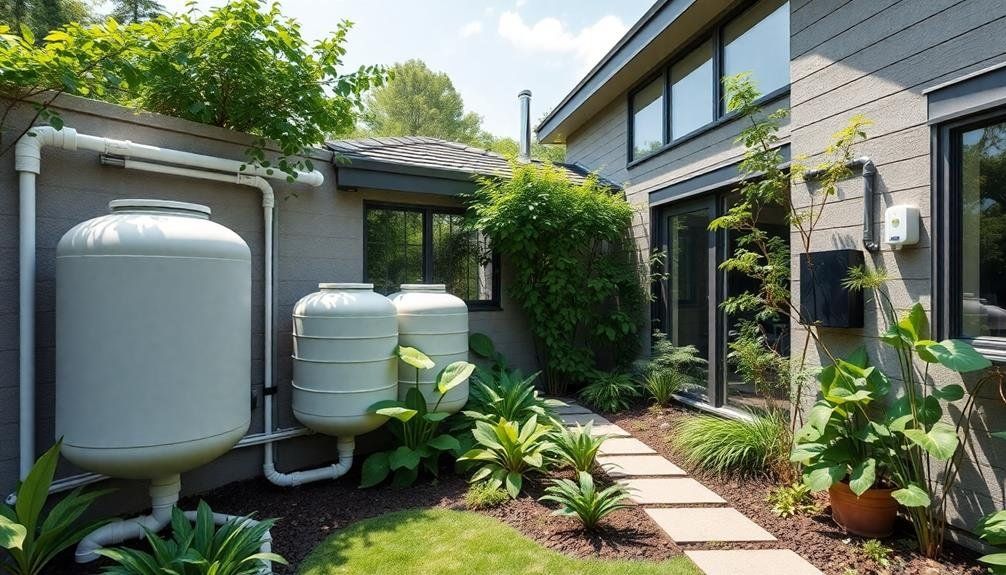
A well-designed misting system consists of several crucial elements working in harmony. The foundation is typically a water source, which might be municipal supply, rainwater collection, or recycled greywater. Filtration systems prevent clogging and ensure clean water reaches the nozzles. Pumps provide the necessary pressure to create fine mist particles, usually requiring between 30-80 PSI depending on the nozzle type. Distribution piping carries water throughout the greenhouse, often designed with drip lines or overhead branches. Nozzles come in various types, each suited for different applications – some produce ultra-fine mists, others create broader coverage. Smart controllers monitor temperature and humidity, automatically adjusting mist output based on conditions. The design must account for airflow patterns, plant spacing, and seasonal variations to ensure uniform coverage and avoid over-saturating any particular area.
Installation and Maintenance Considerations
Setting up an effective misting system requires careful planning and attention to detail. Proper placement of nozzles is crucial – they need to cover all areas evenly without creating wet spots that could encourage mold growth. Water quality matters significantly; hard water minerals can clog nozzles, while contaminated water might promote bacterial growth. Regular maintenance includes cleaning filters, checking for leaks, and ensuring nozzles remain unclogged. Most systems benefit from monthly inspections and quarterly deep cleans. Temperature and humidity sensors help monitor performance and identify potential issues before they affect plant health. The good news is that with proper installation and routine care, these systems can operate reliably for years. Many growers find that the initial investment pays for itself through reduced energy costs and improved crop yields.
Plant Health and Growth Optimization
The benefits extend far beyond simple cooling – misting systems directly contribute to healthier plant development. Consistent humidity levels help plants absorb nutrients more effectively, leading to stronger root systems and more robust foliage. The fine mist provides a natural way to deliver foliar nutrients, bypassing soil-based absorption methods. Many plants, especially tropical species, actually prefer higher humidity levels found in misting environments. The gentle nature of misting also prevents the leaf burn that can occur with overhead watering systems. Growers report faster growth rates, better flowering, and increased resistance to stress factors when using properly implemented misting systems. However, timing is everything – misting during cooler hours avoids evaporation losses and reduces the risk of fungal diseases taking hold.
Eco-friendly greenhouse misting systems represent more than just a technological advancement – they embody a shift toward sustainable, efficient agriculture. By harnessing natural evaporation processes, these systems offer growers a powerful tool for climate control while minimizing environmental impact. The combination of scientific principles, practical design, and environmental consciousness creates something truly special in the world of controlled environment agriculture. Whether you’re managing a small greenhouse or a large commercial operation, understanding these fundamentals opens up possibilities for better plant health, reduced resource consumption, and improved economic outcomes. As we continue to face challenges around climate change and resource scarcity, solutions like misting systems remind us that innovation and sustainability can go hand in hand. The future of agriculture may very well depend on embracing these kinds of thoughtful, nature-inspired technologies that work with rather than against our natural systems.