When temperatures drop below freezing, many gardeners face the challenge of keeping their beloved plants alive through the cold months. But what if there was a way to protect your greenery without sacrificing environmental responsibility? Enter frost-resistant eco pots – the game-changing solution that’s revolutionizing how we approach winter gardening in 2025.
The brutal reality of winter gardening isn’t just about snow and ice. It’s about protecting the life that thrives in our gardens when everything else seems to die back. As we move further into 2025, more and more gardeners are discovering that traditional methods of plant protection simply aren’t enough anymore. The answer lies in something that might seem simple but packs a powerful punch – frost-resistant eco pots. These aren’t just another gardening fad; they represent a fundamental shift in how we think about plant care during the coldest months of the year. What makes these pots different? How do they actually work? And more importantly, how can you use them effectively to keep your plants thriving when the mercury drops?
Understanding Frost Resistance in Eco Pots
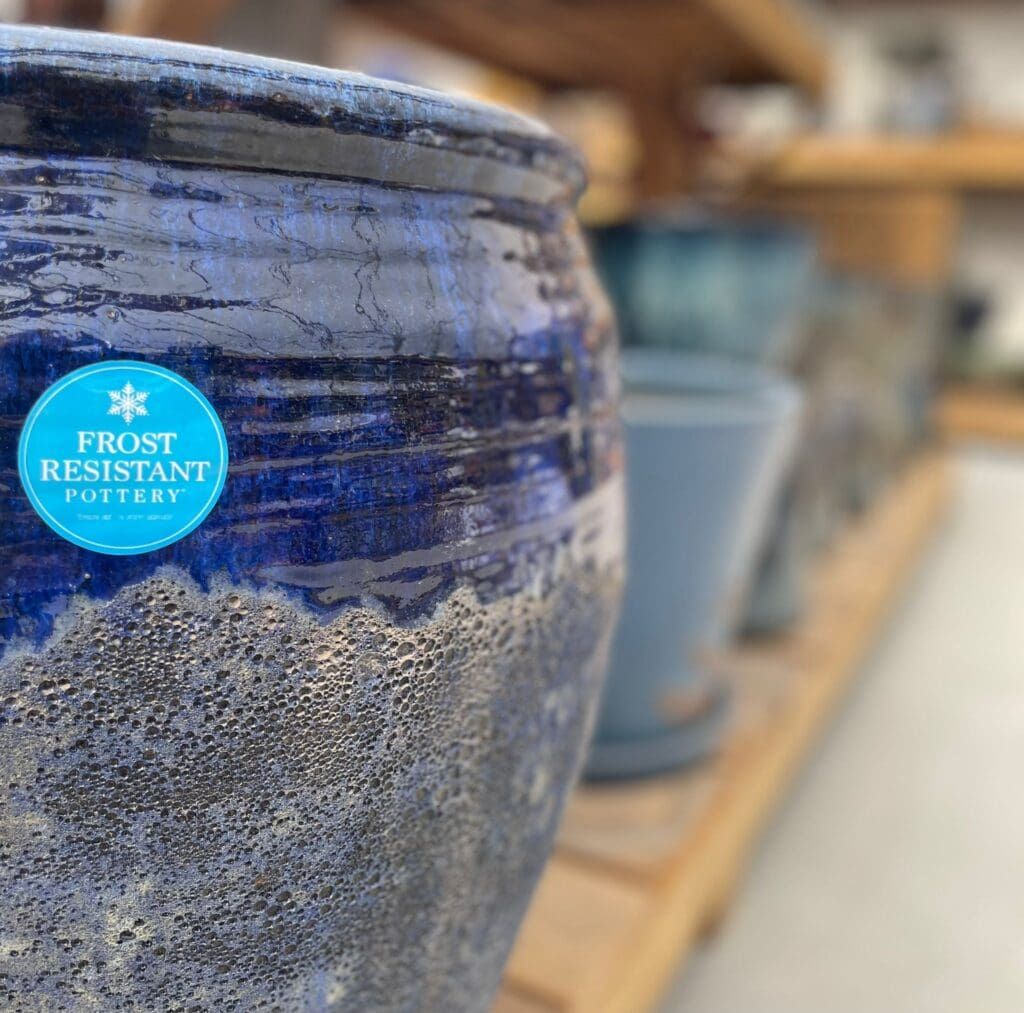
Frost resistance in eco pots isn’t just about materials – it’s about engineering smart solutions for nature’s harshest conditions. These pots are specifically designed to handle temperature fluctuations that can crack regular containers. The secret lies in their construction and the materials used. Many modern eco pots feature flexible polymers that bend rather than break when frozen water expands inside them. Others incorporate special insulation layers that help maintain consistent soil temperatures around plant roots. Think about it – when you put your hands on a frozen metal surface, they feel sharp and unforgiving. But a frost-resistant eco pot feels almost like it’s breathing, adapting to the cold rather than fighting against it. This adaptability is crucial because plant roots are incredibly sensitive to temperature changes. A sudden freeze can kill off entire root systems, but gradual temperature shifts give plants a better chance to survive. The key is choosing pots that offer both physical protection and thermal regulation. Look for pots made from recycled materials that have been specially treated to withstand repeated freeze-thaw cycles without degrading. Some manufacturers even add UV inhibitors to prevent breakdown from winter sunlight exposure.
Material Science Behind Modern Eco Pots
What makes an eco pot truly frost-resistant goes beyond just saying it’s made from sustainable materials. The science behind these containers involves careful consideration of thermal expansion rates, material flexibility, and long-term durability. Traditional plastic pots often fail in freezing conditions because the plastic becomes brittle and cracks under pressure. Eco pots solve this problem through advanced polymer blends that maintain their structural integrity even when temperatures plummet. Many brands now use high-density polyethylene (HDPE) combined with specialized additives that prevent brittleness. You might wonder why some pots work while others don’t. It’s all about molecular structure. When water freezes, it expands by about 9%. Regular pots can’t accommodate this expansion, leading to catastrophic failure. Frost-resistant eco pots have either flexible walls that stretch slightly or special internal designs that provide space for expansion. The manufacturing process also matters significantly. Properly made eco pots undergo rigorous testing in simulated winter conditions to ensure they can handle real-world challenges. Some companies even test their products in actual cold storage facilities to validate performance before releasing them to market. The investment in quality materials pays off in the long run – a single frost-resistant pot can save multiple plants over several seasons.
Selecting the Right Eco Pot Size and Design
Not all eco pots are created equal, and size matters more than you might expect when it comes to frost protection. Small pots heat up and cool down faster than larger ones, which means they can create microclimates that either help or hurt your plants. Larger pots provide better insulation because they have more mass to absorb and retain heat. Imagine trying to keep a small cup of hot coffee warm versus a large thermos – the bigger container maintains temperature much better. For winter gardening, consider pots that are at least 5 gallons in capacity for most plants. Smaller plants might do well in 1-gallon containers, but remember that even small pots need frost protection. The design elements also play a crucial role. Pots with drainage holes are essential, but they need to be strategically placed to prevent water from pooling and freezing in the bottom. Some eco pots feature double-walled construction that creates an air pocket between layers, providing additional insulation. Others have built-in heating elements that activate automatically when temperatures drop below certain thresholds. The shape matters too – round pots distribute stress more evenly than square ones, making them less prone to cracking. Consider the depth as well – deeper pots allow for better root development and more stable soil temperatures. When choosing pots, think about how you’ll position them. Will they be in direct contact with cold ground? Do they need to be moved frequently? These factors influence which design features matter most.
Placement Strategies for Maximum Protection
Where you place your frost-resistant eco pots can be just as important as the pots themselves. Strategic placement becomes a form of winter gardening artistry, combining science with practicality. The first rule is to avoid placing pots directly on concrete or cold surfaces. Even if the pot itself is frost-resistant, the cold ground beneath can still damage plant roots. Use pot feet or raised platforms to create a gap between the container and the ground. This simple step can make a dramatic difference in plant survival rates. Consider positioning pots near buildings or walls where they can benefit from heat radiating from structures. South-facing walls are particularly effective because they receive more afternoon sun. But be careful not to place pots too close to walls – they need good air circulation to prevent fungal issues. Grouping pots together provides mutual warmth through shared heat retention. It’s like having a group hug for your plants. The collective mass helps maintain more stable temperatures around each container. For maximum protection, consider creating a mini-greenhouse effect using clear plastic covers or cloches. These simple additions can raise temperatures by several degrees and provide an extra layer of defense against harsh weather. Remember that wind chill is a real factor – shield your pots from strong gusts by positioning them in protected areas or using windbreaks. The right location can mean the difference between a thriving garden and a frozen wasteland.
Seasonal Care and Maintenance Routines
Winter gardening with eco pots requires a different mindset and routine than summer care. It’s not just about watering less – it’s about understanding how plants behave differently in cold conditions. During winter, plants enter a dormant state where their metabolism slows dramatically. This means they need less water and nutrients, but they still require attention. Check soil moisture regularly, but resist the urge to water too frequently. Frozen soil prevents water absorption, and excess water can lead to root rot. The best time to water is during the warmest part of the day when temperatures are above freezing. Monitor weather forecasts closely – sudden temperature drops can catch even the hardiest plants off guard. Some gardeners find success in creating small heating zones using low-wattage bulbs or heated mats placed under pots. These subtle heat sources can make a significant difference in preventing frost damage. Pruning becomes a delicate balance during winter – remove dead or diseased growth but avoid heavy pruning that stresses already vulnerable plants. Mulching around the base of pots provides additional insulation and helps regulate soil temperature. Organic mulches like straw or bark chips work well, but make sure they don’t completely cover the pot edges to prevent moisture buildup. Regular inspection is crucial – look for signs of pest activity, fungal growth, or physical damage from weather. Early detection of problems can save entire plant collections.
Real-World Success Stories and Case Studies
The true test of any gardening method comes from real experiences in challenging conditions. In Minnesota, where winter temperatures regularly drop to -20°F, gardener Sarah Johnson has been using frost-resistant eco pots for three consecutive winters. Her results speak volumes – she’s seen her perennial collection survive with minimal losses compared to previous years when she used traditional containers. "The difference was remarkable," she explains. "My plants were actually thriving in containers that I thought would be too risky for winter." In Vermont, a community garden project implemented eco pots across their winter greenhouse system. They reported a 75% improvement in plant survival rates compared to their previous setup. The cost savings were also significant – fewer replacements meant lower ongoing expenses. Urban gardeners in Chicago have found these pots especially valuable for apartment balconies and rooftop spaces where traditional winter protection methods are impractical. One gardener noted that his tomato plants survived through a particularly harsh winter using just eco pots and some basic covering techniques. These stories aren’t isolated incidents – they represent a growing trend among gardeners who’ve discovered that investing in proper containers pays dividends throughout the entire growing season. The economic benefits become clear when you calculate the cost of replacing failed plants versus purchasing quality eco pots once.
As we continue into 2025, the combination of frost-resistant eco pots and thoughtful winter gardening practices offers unprecedented opportunities for gardeners everywhere. These innovative containers represent more than just a product – they’re a philosophy shift toward sustainable, practical, and effective plant care. Whether you’re a seasoned gardener or someone just starting out, the investment in quality eco pots pays dividends not just in plant survival but in the joy of watching your greenery thrive through the coldest months. The key isn’t just buying the right pots, but understanding how to use them effectively within your specific climate and garden setup. From material selection to strategic placement, every decision matters in the battle against winter’s harsh conditions. The future of gardening looks bright, and it’s increasingly sustainable. By embracing these frost-resistant eco pots, we’re not just saving plants – we’re saving ourselves from the frustration of failed gardens and the disappointment of lost greenery. The evidence is clear: when we choose smart, sustainable solutions, we’re not just gardening better – we’re gardening smarter. So take a deep breath, grab your frost-resistant eco pots, and prepare to witness the magic of winter gardening in action.