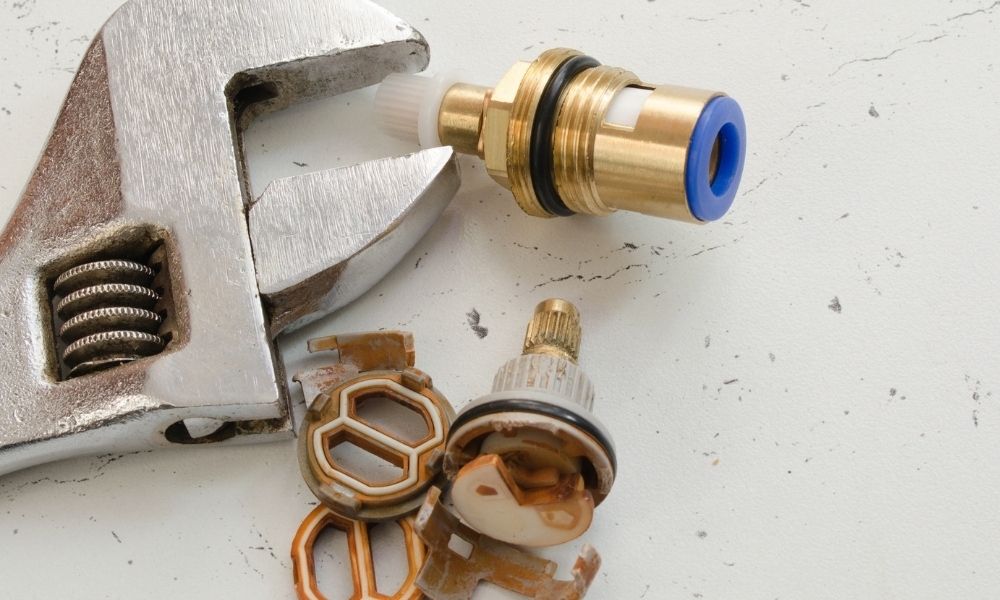
Have you ever noticed how your faucet handles feel rough or sticky? That’s likely limescale building up from hard water minerals. This common problem affects homes across the country, but it’s easily managed with the right approach. Understanding why limescale forms and how to remove it properly can save you time, money, and frustration.
If you’ve been struggling with stubborn mineral deposits on your faucet handles, you’re definitely not alone. These hard water residues can make your fixtures look dull and feel unpleasant to touch. But here’s the thing – removing limescale isn’t rocket science. With a few simple techniques and the right supplies, you can restore your handles to their original condition. Let’s dive into what causes this buildup and how to tackle it head-on.
What Causes Limescale Buildup
Limescale forms when hard water sits on surfaces and evaporates, leaving behind mineral deposits. Calcium and magnesium salts crystallize on faucet handles, creating that characteristic white, chalky residue. You might notice it more prominently in areas with high mineral content in the water supply. The good news? It’s entirely removable with the right approach.
Hard water is a common culprit. If you live in an area with high calcium and magnesium levels, you’ll see more frequent limescale issues. Think of it like nature’s way of marking your fixtures with mineral tags. The longer the water sits, the more deposits form. Regular cleaning prevents major buildup, but once it sets in, it requires a bit more effort to remove.
Essential Tools and Supplies
Before diving into removal techniques, gather these basic items:
• White vinegar (the go-to solution for mineral deposits)
• Soft cloth or sponge
• Small brush (for tight spaces)
• Baking soda
• Lemon juice
• Protective gloves
The beauty of limescale removal lies in using household items you probably already have. Vinegar works exceptionally well because its acidity breaks down mineral bonds. Many people wonder if they need special products, but often simple ingredients work just fine. The key is patience and proper application.
Step-by-Step Cleaning Process
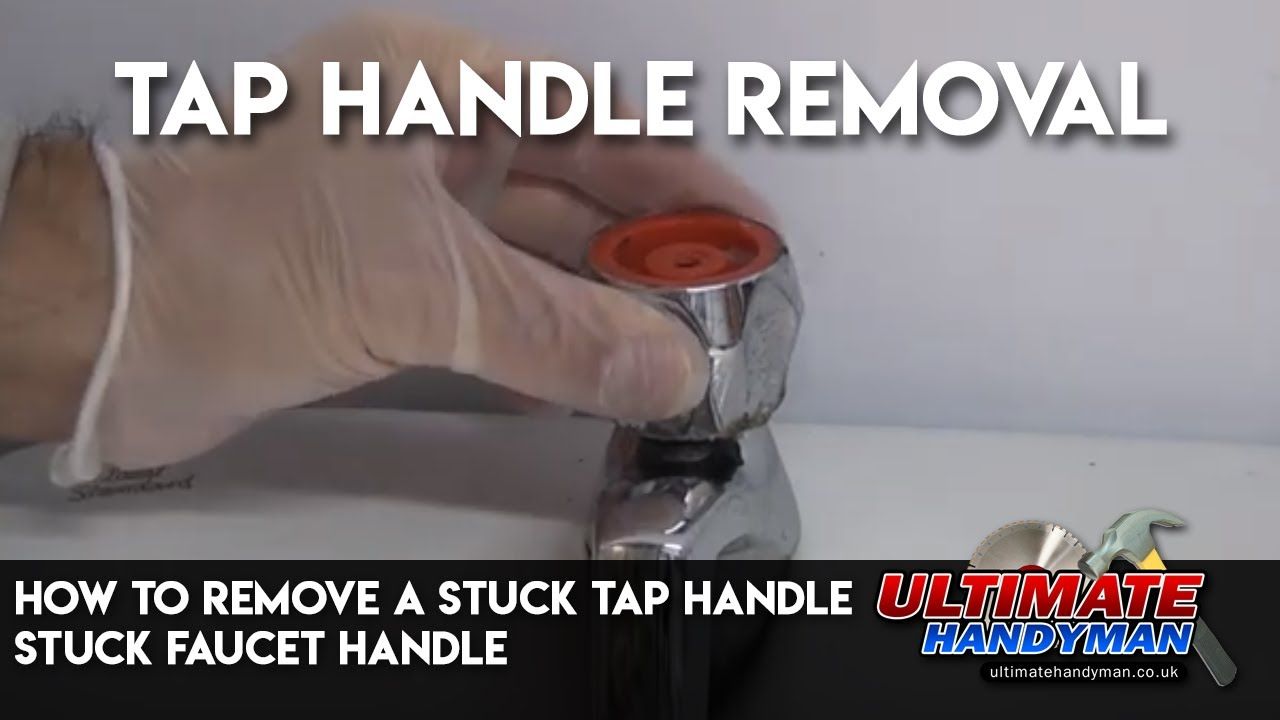
Start by turning off the water supply to prevent further mineral accumulation. Remove handles carefully if possible, or cover them with plastic wrap to protect from cleaning solutions. Apply vinegar directly to the affected areas, letting it sit for 10-15 minutes. The acid in vinegar dissolves the mineral buildup effectively. Then gently scrub with a soft brush or cloth.
For stubborn spots, make a paste using baking soda and water. Apply this to the problem areas and let it sit for several minutes before scrubbing again. Some people find success with lemon juice, which contains natural acids that help break down deposits. Always rinse thoroughly after treatment and dry completely to prevent new buildup.
Alternative Methods for Stubborn Deposits
When standard approaches don’t cut it, try these alternative strategies:
• Soak handles in white vinegar overnight for heavy buildup
• Use a mixture of equal parts vinegar and salt for extra abrasion
• Try citric acid powder mixed with water for severe cases
• For metal handles, a paste of baking soda and water works wonders
Some homeowners swear by commercial descalers, but these aren’t always necessary. Natural alternatives often work just as well, especially when applied consistently. The key is matching the method to the severity of the problem. What works for light deposits may not be enough for thick, hardened limescale.
Prevention Strategies
Prevention is always better than cure, so consider these practices:
• Clean handles regularly with a vinegar solution
• Wipe down fixtures after each use
• Install a water softener if you have very hard water
• Use a shower filter to reduce mineral content in water
• Check for leaks that cause prolonged water exposure
Regular maintenance keeps limescale from becoming a major issue. Many people wait until the buildup is obvious before taking action, but consistent small efforts prevent big problems later. Think of it as routine car maintenance – a little attention now saves major repairs later.
When to Call a Professional
Sometimes limescale issues require professional intervention:
• Severe buildup affecting water flow significantly
• Damaged or corroded handles that won’t come off
• Complex faucet designs that are difficult to access
• Persistent problems despite regular cleaning attempts
• Signs of plumbing damage beneath the surface
If you’re dealing with a particularly stubborn case or notice other plumbing issues, it might be time to bring in a specialist. They can assess whether there are deeper problems or recommend permanent solutions like water treatment systems. Don’t hesitate to seek help when DIY efforts aren’t sufficient.
Removing limescale from faucet handles is a manageable task that anyone can handle with the right approach. Whether you’re dealing with light deposits or serious buildup, there are simple solutions available using common household items. The key is understanding what causes the problem and taking preventive measures. Remember, consistency is crucial – regular cleaning prevents major issues from developing. Don’t let mineral deposits ruin your bathroom or kitchen experience. With a little effort and the right techniques, your faucet handles will look and feel brand new again.