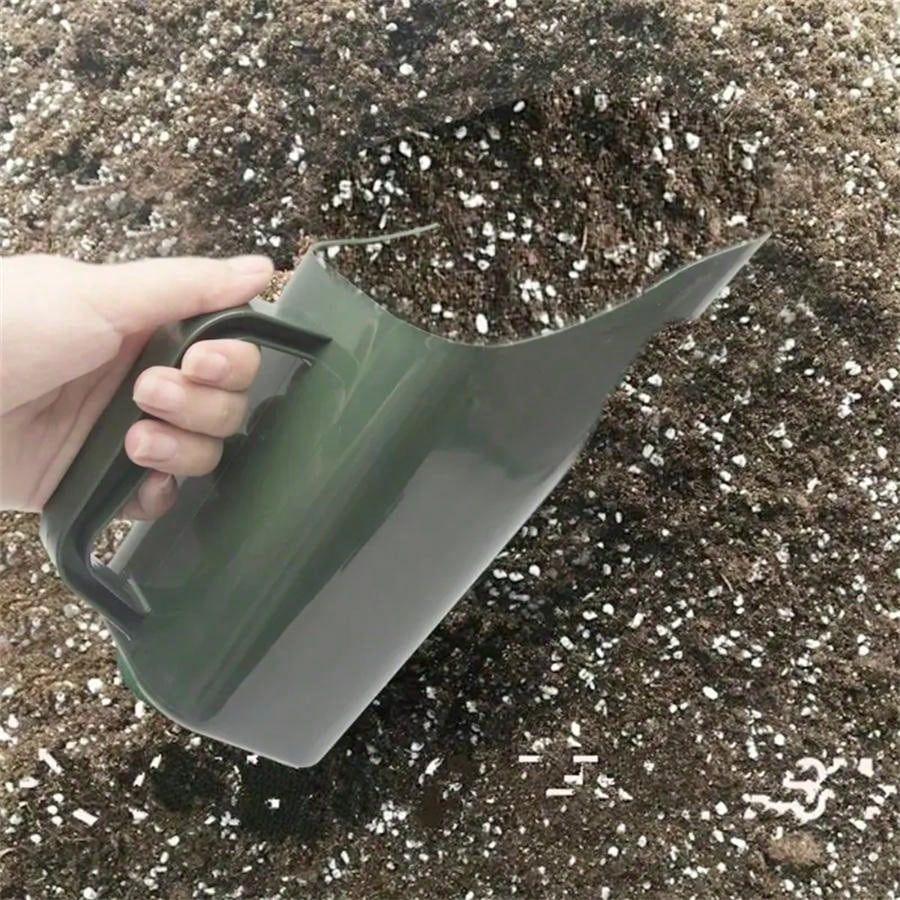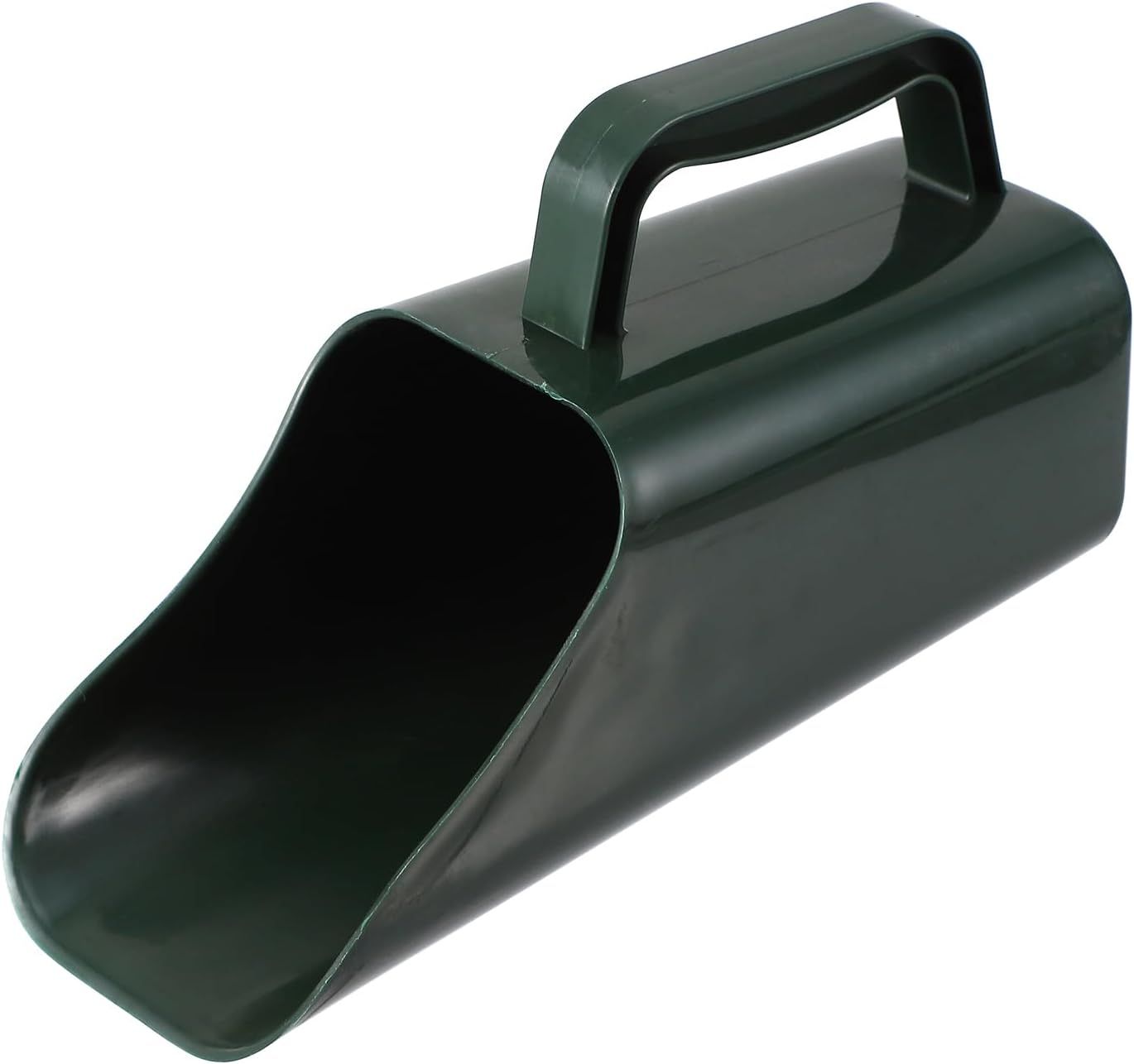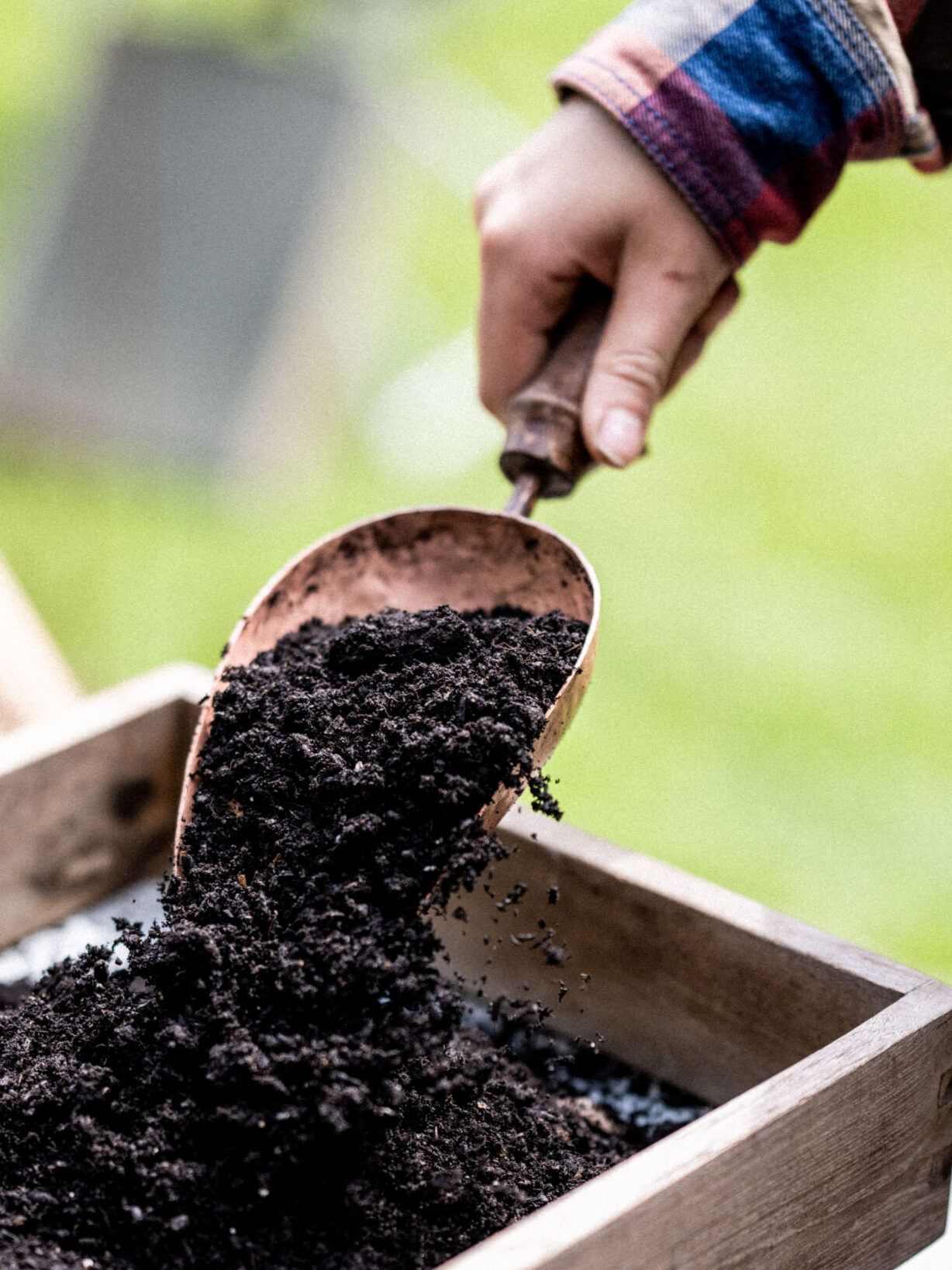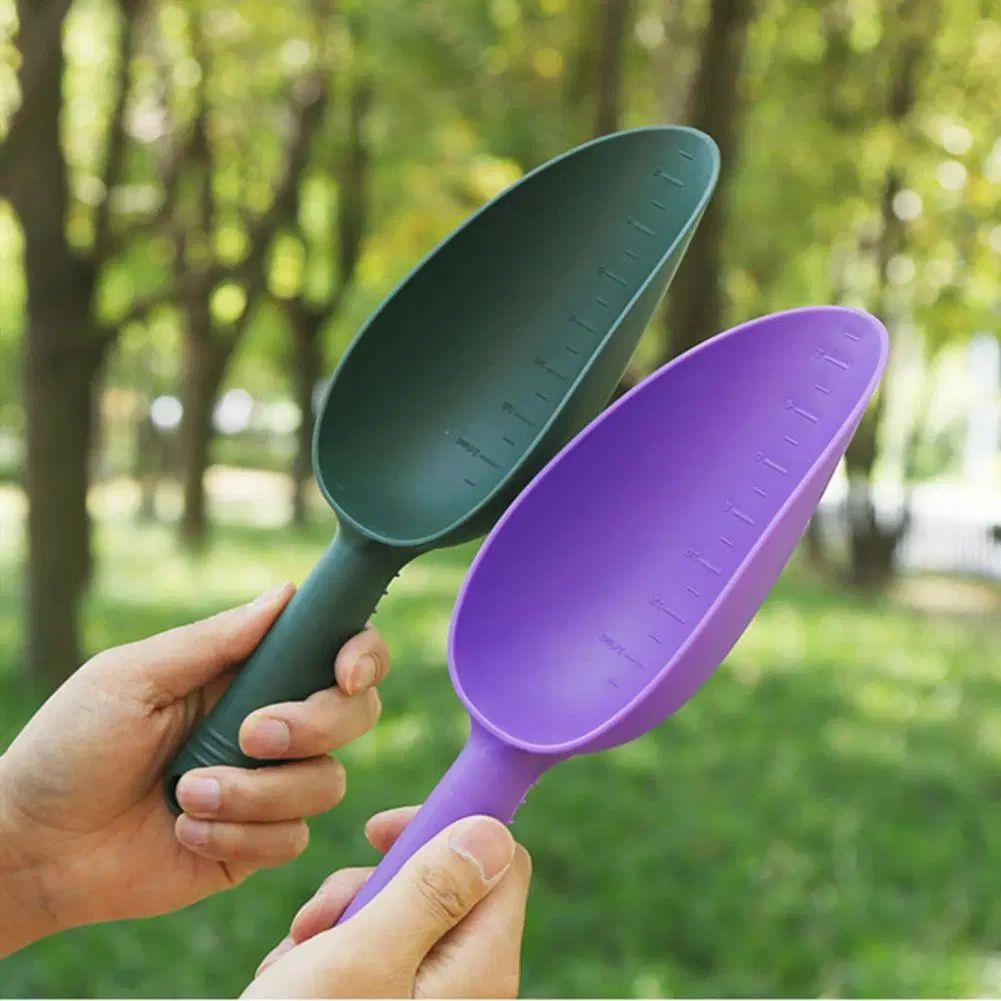
Picture this: you’re kneeling in your garden, ready to plant some new seedlings. You reach for your trusty soil scoop, but something feels different. Instead of the usual plastic or metal tool, you’re holding something made from recycled materials. It’s not just about convenience anymore – it’s about making choices that matter for your garden and the planet. This small shift in what you use might seem insignificant, but it opens up a whole new world of benefits that many gardeners never even consider.
When we think about gardening tools, we often focus on durability, ease of use, and price. But there’s an overlooked aspect that could revolutionize how we approach our outdoor spaces – sustainability. A sustainable soil scoop isn’t just another garden implement; it’s a gateway to a more responsible way of gardening. These tools represent a conscious choice to reduce environmental impact while maintaining or even improving functionality. Whether you’re a seasoned gardener or someone just starting out, the decision to use sustainable tools can have ripple effects far beyond your immediate garden. The truth is, every time you pick up a tool, you’re making a statement about what kind of future you want to create for your plants, your community, and the earth itself. What if I told you that simply changing one small item in your toolbox could lead to better soil health, reduced waste, and a more enjoyable gardening experience?
Environmental Impact of Traditional Soil Scoops
Traditional soil scoops, especially those made from plastic, contribute significantly to environmental problems. Every year, millions of plastic garden tools end up in landfills, where they can take hundreds of years to decompose. These tools are often manufactured using energy-intensive processes that produce greenhouse gas emissions. When you consider that most gardeners use their tools for decades, the cumulative impact becomes staggering. Think about it – if every household in a typical neighborhood replaced just one plastic scoop with a sustainable alternative, we’d see a measurable reduction in waste and pollution. The manufacturing process alone creates unnecessary carbon footprints. Even when these tools are eventually discarded, they often end up in oceans or other natural environments, where they pose threats to wildlife and ecosystems. It’s not just about the tool itself – it’s about the entire lifecycle from production to disposal.
Sustainable Materials and Their Advantages
Sustainable soil scoops come in various forms, each with unique benefits. Many are crafted from recycled materials like reclaimed aluminum or repurposed wood. Others utilize biodegradable plastics made from plant-based sources. The advantage of these alternatives extends beyond just environmental considerations. Recycled aluminum tools tend to be lighter yet equally durable, making them easier to handle during extended gardening sessions. Wood handles provide a comfortable grip and a natural aesthetic that many gardeners find appealing. Biodegradable plastics break down naturally over time, reducing long-term environmental harm. Some innovative designs even incorporate bamboo, which grows rapidly and requires minimal resources to cultivate. These materials often offer superior resistance to rust and weathering compared to traditional options. Plus, they frequently come with warranties or guarantees that reflect manufacturers’ confidence in their quality and longevity.
Enhanced Soil Health Through Better Tool Design
The design of sustainable soil scoops often incorporates features that benefit soil health more than conventional tools. Many eco-friendly models feature wider scoops that can move larger volumes of soil efficiently. This means less physical strain on gardeners and more consistent soil preparation. Some designs include built-in soil aerators or mixing blades that improve soil structure during use. The reduced compaction that results from gentler handling can actually promote better root development in plants. Additionally, many sustainable tools are designed to minimize soil disturbance, preserving beneficial microorganisms and earthworms that contribute to healthy soil ecosystems. This approach to soil management can lead to better water retention, improved nutrient cycling, and overall healthier plant growth. When you’re working with tools that respect soil integrity, you’re essentially creating better conditions for your garden to thrive.
Cost Considerations Over Time
While sustainable soil scoops may initially cost more than their conventional counterparts, the long-term savings are often substantial. Quality sustainable tools typically last much longer than cheaper alternatives, reducing the frequency of replacements. For instance, a well-made wooden-handled scoop can serve for decades with proper care, whereas a plastic version might need replacement after just a few seasons. The investment in sustainable tools also means fewer trips to the store for replacements, saving both time and money. Many manufacturers offer repair services or replacement parts, extending product lifespan even further. Additionally, some sustainable tools are designed to be modular, allowing individual components to be replaced rather than the entire tool. This approach to maintenance can save significant amounts over the years. When you factor in the potential cost of replacing multiple cheap tools versus investing once in a quality sustainable option, the numbers often favor the eco-friendly choice.
Community and Social Benefits
Choosing sustainable soil scoops creates positive ripple effects within gardening communities. When gardeners make environmentally conscious choices, they often inspire others to do the same. This creates a culture of sustainability that spreads organically through neighborhoods and gardening groups. Many sustainable tool makers also support local artisans or fair-trade practices, contributing to economic development in their communities. Some companies donate tools to schools or community gardens, helping to build stronger connections between people and nature. These actions can foster a sense of shared responsibility and environmental stewardship among neighbors. In urban areas, where space for gardening is limited, the choice to use sustainable tools can make a bigger difference because every tool represents a conscious decision to reduce environmental impact in smaller spaces. The social aspect of gardening often includes sharing knowledge and resources, and sustainable tools become part of that sharing culture.
Maintenance and Longevity Tips
Proper care ensures sustainable soil scoops last for years. Regular cleaning prevents buildup of soil and debris that can cause deterioration. Many wooden tools benefit from periodic oil treatments to maintain their condition and prevent cracking. Aluminum components should be cleaned with mild soap and water, avoiding harsh chemicals that might damage finishes. Store tools in dry locations away from direct sunlight, which can fade colors and weaken materials. Check handles regularly for signs of wear or damage, and address issues promptly before they become major problems. Some sustainable tools come with specific care instructions from manufacturers, so always read and follow those recommendations. Consider keeping a small toolkit of basic supplies for maintenance, including sandpaper for smoothing rough edges and appropriate oils for wood components. Regular attention to your tools not only extends their lives but also keeps them performing optimally, making gardening more enjoyable and efficient.
The decision to choose a sustainable soil scoop might seem like a small one, but it represents a larger commitment to thoughtful gardening practices. By opting for eco-friendly tools, gardeners contribute to environmental protection while potentially improving their gardening experience. The benefits extend far beyond personal use – they influence community values and environmental awareness. When you’re next planning your garden tasks, consider the impact of your tool choices. The right sustainable soil scoop can transform not just how you work in your garden, but also how you think about gardening’s role in our broader environmental future. It’s about making choices that align with your values and create positive change, one scoop at a time. Your garden, your neighbors, and the planet will all benefit from this simple shift toward more responsible gardening practices. The question isn’t whether you can afford to make this change – it’s whether you can afford not to.