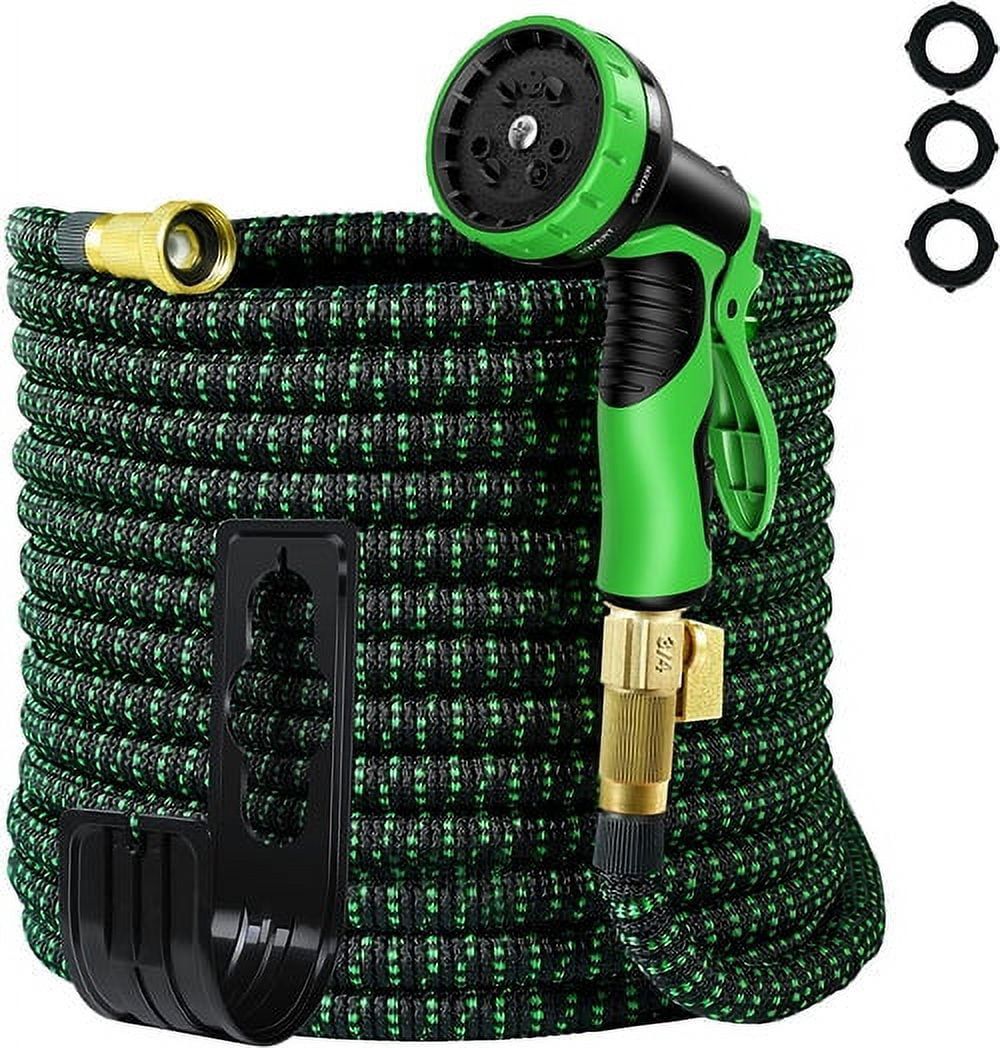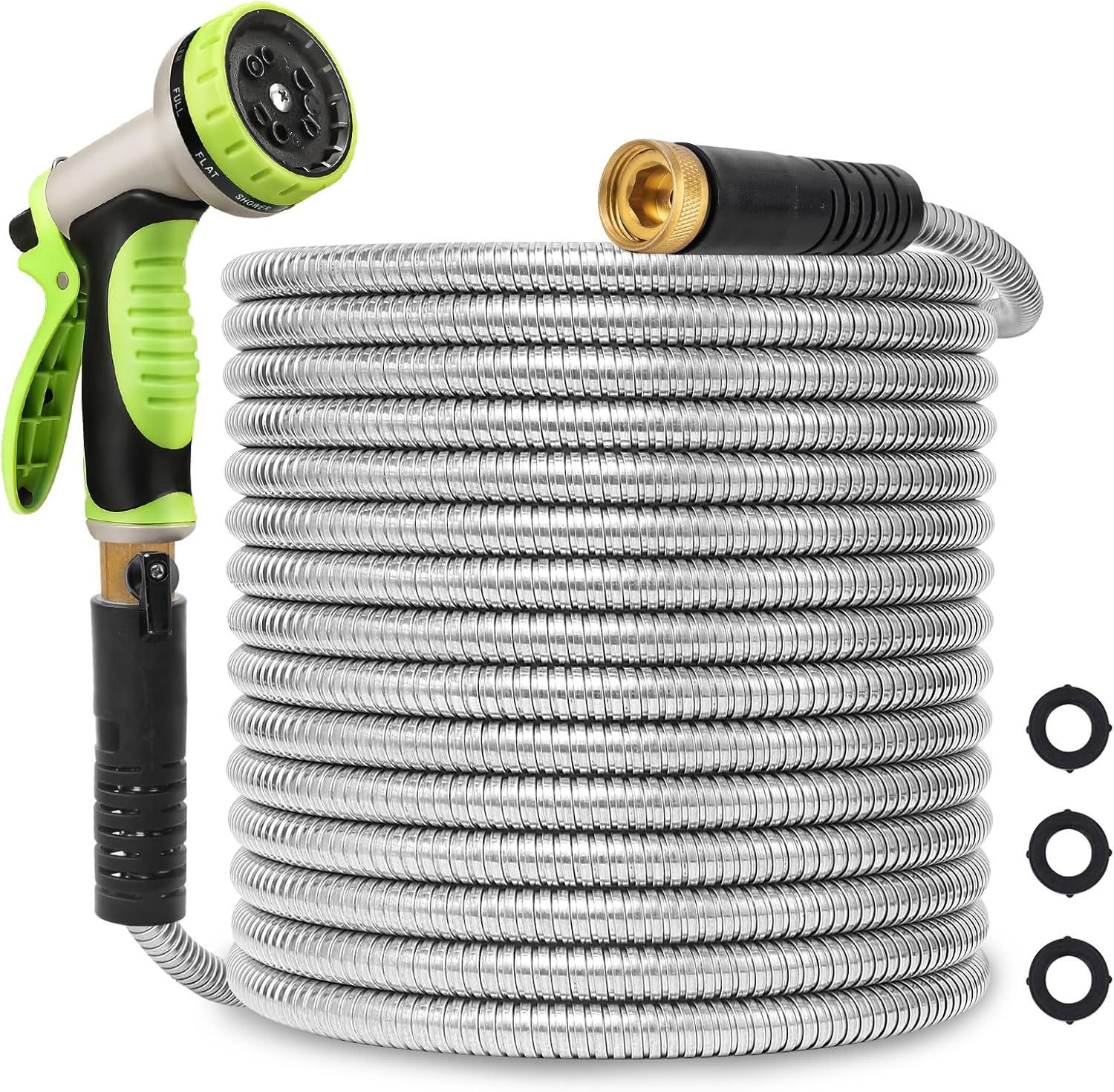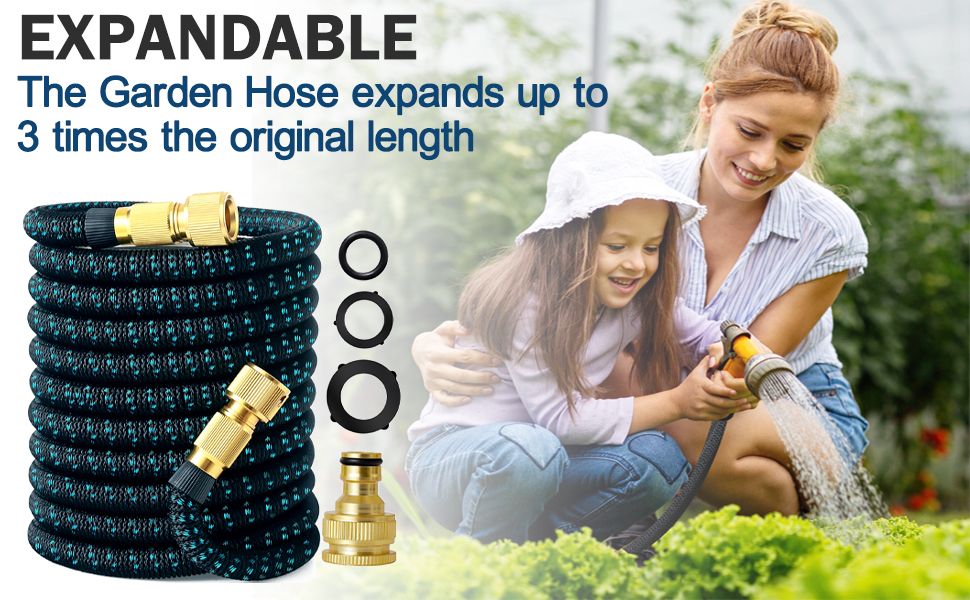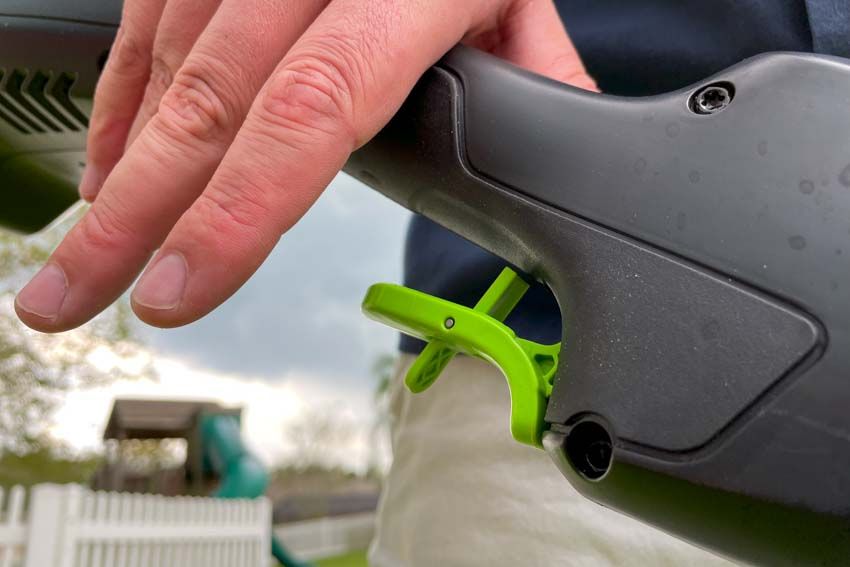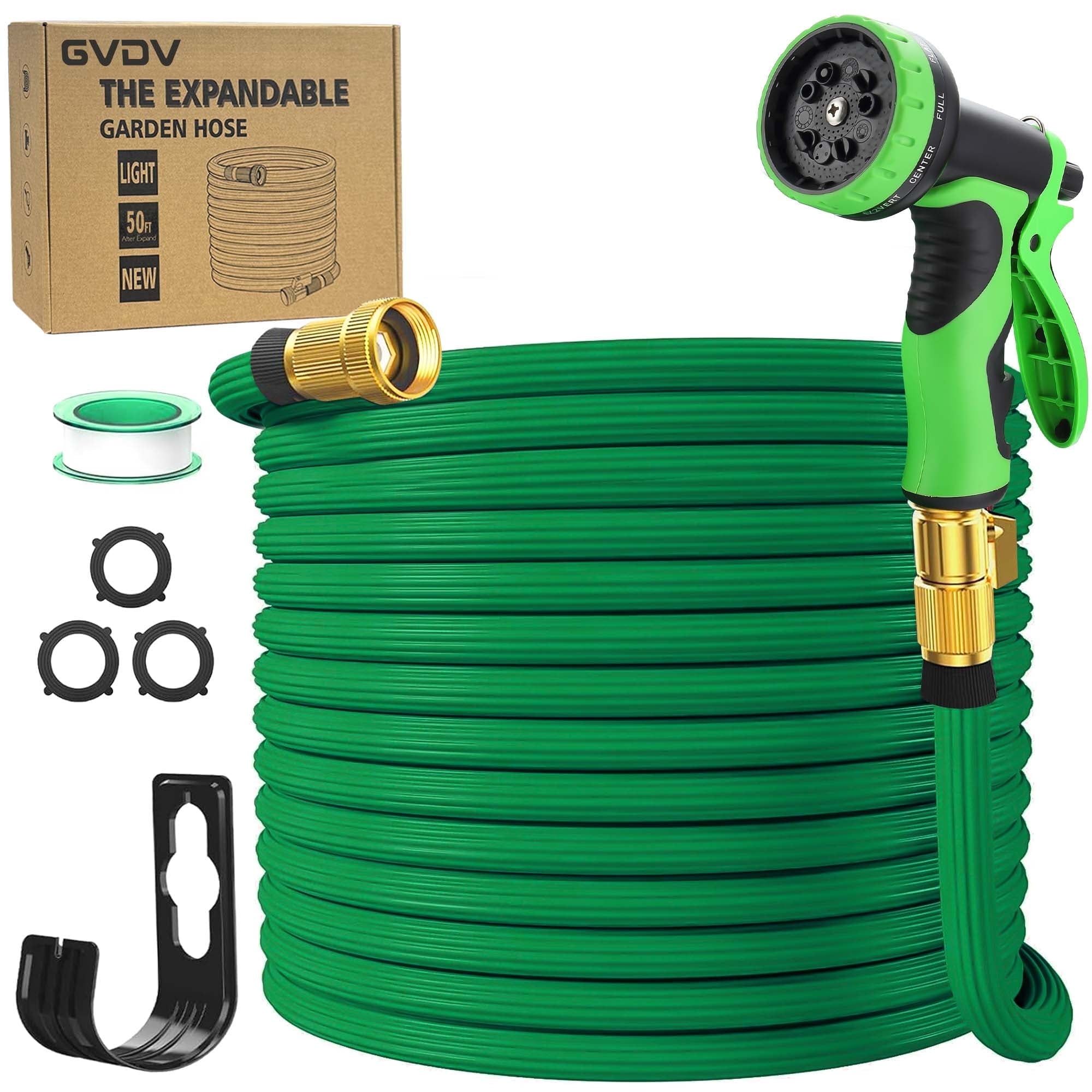
Picture this: You’re watering your garden after a long day, and your hose is still flexible, strong, and ready to go. That’s the magic of a well-made sustainable garden hose. But what makes some hoses last decades while others break after just a few seasons? It’s not just about price or style – it’s about the materials and construction that go into making these essential garden tools.
Garden hoses are more than just plumbing accessories – they’re the lifelines of our outdoor spaces. For many of us, the humble 50-foot garden hose represents the intersection of practicality and environmental responsibility. But when we talk about sustainability, we’re not just thinking about the materials we use today. We’re considering how our choices impact future generations and the planet itself. What makes a garden hose truly sustainable? Is it the material it’s made from, the way it’s constructed, or something else entirely? Let’s dig into the heart of this question and discover what really matters for longevity and eco-friendliness.
The Foundation: Understanding Sustainable Materials
When we think about sustainable garden hoses, we need to look beyond the obvious. Traditional hoses often rely heavily on PVC, which, while cheap and readily available, isn’t exactly environmentally friendly. The good news is that we now have several better options. Natural rubber stands out as one of the most durable materials available. It’s biodegradable, resistant to UV rays, and offers excellent flexibility even in harsh weather conditions. Some manufacturers use recycled rubber, giving new life to old materials. Another promising option is thermoplastic elastomers (TPE), which offer the flexibility of rubber without some of the environmental concerns associated with traditional plastics. These materials can be recycled at the end of their useful life, making them a much better choice for environmentally conscious gardeners. When you’re shopping for a sustainable hose, pay attention to the material label. A hose made from 100% natural rubber or TPE will typically outlast its plastic counterparts. The question isn’t whether it’s possible to make a sustainable hose – it’s whether the manufacturer is willing to invest in better materials and processes. Consider the lifecycle of the product: how it’s made, used, and disposed of. A sustainable hose should be designed to minimize environmental impact at every stage.
Construction Techniques That Matter
It’s not just about what goes into a garden hose – it’s about how everything comes together. The construction method plays a crucial role in determining how long a hose will last. One of the most important factors is the manufacturing process. Hoses made using extrusion techniques tend to be more uniform and less prone to weak spots than those made through molding processes. This means fewer kinks, fewer bursts, and more consistent performance over time. Reinforcement layers are another key element. Many high-quality sustainable hoses feature multiple layers of reinforcement, often made from natural fibers like cotton or synthetic alternatives that are designed to resist wear and tear. The weave pattern matters too – tighter weaves generally mean better durability. When you see a hose that feels thick and substantial rather than flimsy, there’s usually a reason. The construction might include additional layers of protection against UV damage, which is particularly important for outdoor use. Some manufacturers add UV inhibitors directly into the material during production, rather than relying on surface treatments that can wear off over time. This proactive approach to protection helps maintain the hose’s integrity even under intense sunlight. The way the hose is assembled also affects its lifespan. Quality control measures during manufacturing ensure that all connections are secure and that there are no manufacturing defects that could lead to premature failure. These details might seem small, but they’re what separate a good hose from a great one.
The Environmental Impact of Manufacturing
What happens before you even buy a garden hose? The manufacturing process has a significant environmental footprint that many people overlook. Traditional hose production often involves energy-intensive processes and chemicals that can harm the environment. Sustainable manufacturers are changing this game by adopting cleaner production methods. They might use renewable energy sources, implement water recycling systems, or reduce waste in their facilities. Some companies even measure and report their carbon footprint, giving consumers transparency about the environmental cost of their purchase. The sourcing of raw materials also matters. Ethically-sourced rubber and recycled materials contribute to a more sustainable supply chain. Companies that partner with suppliers who follow fair labor practices and environmental standards create a positive ripple effect throughout their industry. Many sustainable hose makers also focus on reducing packaging waste. Instead of multiple plastic wrappers and excessive cardboard, they might use minimal, recyclable packaging or even eliminate packaging altogether. This attention to detail extends beyond the hose itself. The company’s commitment to environmental stewardship often reflects in their overall business practices. When a manufacturer takes steps to reduce their environmental impact during production, it shows in the quality of their final product. The result is a hose that’s not just better for the garden, but better for the planet too. Consider asking manufacturers about their production practices if sustainability is a priority for you.
Durability Features That Extend Lifespan
A truly sustainable garden hose isn’t just about the materials – it’s about making smart design choices that maximize longevity. Flexibility is crucial, but it needs to be balanced with strength. A hose that bends easily but breaks easily isn’t sustainable. Look for features like reinforced connection points, which are often the first areas to fail. High-quality hoses often feature braided or reinforced fittings that can handle pressure changes and prevent leaks. The thickness of the hose walls also matters. Thicker walls typically mean more resistance to kinking, punctures, and wear. Some hoses incorporate special coatings that protect against chemicals, UV radiation, and temperature extremes. These protective layers don’t just extend the hose’s life – they also prevent degradation that could release harmful substances into your garden. Resistance to freezing temperatures is another important factor, especially in colder climates. A hose that can withstand freezing without cracking or splitting is far more sustainable than one that needs replacement each winter. The threading and fitting quality also play a role. Precision threading ensures proper connections that won’t leak or come loose. Some hoses feature self-repairing properties or materials that can handle minor damage without catastrophic failure. These features might sound like luxury items, but they’re investments in long-term sustainability. When you spend more upfront on a quality hose, you’re actually spending less over time because you won’t need frequent replacements.
Recycling and End-of-Life Considerations
The story of a sustainable garden hose doesn’t end when you stop using it. How it’s disposed of or recycled makes all the difference. Many traditional hoses end up in landfills, where they can take decades to decompose. Sustainable hoses are designed with their end-of-life in mind. Some manufacturers offer take-back programs where you can return old hoses for proper recycling. Others design hoses so that different materials can be separated and recycled individually. Natural rubber hoses, for instance, can often be processed into new rubber products. The challenge lies in ensuring that recycling infrastructure exists for these materials. This is where consumer demand becomes powerful – when enough people choose sustainable hoses, it creates market pressure for better recycling systems. Some innovative companies are even developing hoses that can be composted or broken down into basic components that can be safely returned to the earth. This circular approach to product design is what separates truly sustainable products from those that simply claim to be green. The goal isn’t just to make a product that lasts longer – it’s to make one that can be responsibly managed at the end of its useful life. Think about what happens to your old hose when it finally wears out. Does it go to a landfill, or does it get recycled properly? A sustainable hose should make that decision easy for you.
Making Informed Choices for Your Garden
So how do you choose a sustainable garden hose that will serve you well? Start by looking at certifications and labels that indicate genuine environmental commitments. Look for products that meet recognized sustainability standards, such as those from environmental organizations or independent testing groups. Read the fine print on materials – don’t assume that a hose labeled ‘eco-friendly’ is necessarily made from sustainable materials. Ask questions about the manufacturer’s practices and their commitment to sustainability. Consider the total cost of ownership, not just the initial price. A higher-priced hose might save you money over time due to its durability. Think about your specific needs – do you need extra length, special features like spray nozzles, or particular durability requirements? These factors influence which sustainable options are best for your situation. Don’t forget to consider the supplier’s reputation and customer service. A company that stands behind its products and offers good support is more likely to be committed to quality and sustainability. Finally, remember that your choice matters. Every sustainable hose you buy is a vote for better manufacturing practices and more responsible environmental stewardship. Your gardening habits don’t just affect your garden – they affect the broader ecosystem around you. By choosing wisely, you’re contributing to a more sustainable future for everyone.
Choosing a sustainable garden hose is more than just a shopping decision – it’s a commitment to environmental responsibility and long-term thinking. The materials matter, the construction matters, and so does the entire lifecycle of the product. When we invest in hoses made from natural or recycled materials, built with quality construction techniques, and designed for proper disposal, we’re making choices that benefit both our gardens and our planet. The 50-foot garden hose might seem like a simple tool, but it represents a larger conversation about sustainability and mindful consumption. The next time you reach for your garden hose, consider not just what it can do for your plants, but what it can do for the environment. Every sustainable choice you make adds up to create meaningful change. The garden hose you choose today might be the one that waters your garden for years to come, proving that sometimes the best investment is the one that lasts longest.