Imagine your garden thriving with just the right amount of water, delivered directly to each plant’s roots. That’s the magic of drip irrigation – but choosing the right hose matters more than you might think. It’s not just about getting water to your plants. It’s about doing it responsibly, efficiently, and in a way that supports both your garden and our planet.
When you’re planning your garden, there’s one crucial decision that often gets overlooked: picking the right irrigation system. Sure, you might think about soil type, plant needs, and sunlight exposure. But what about the method you’ll use to deliver water? Traditional sprinklers can waste gallons of precious water, especially during hot summer days. Enter drip irrigation – a method that’s become increasingly popular among gardeners who want to do their part for the environment while keeping their plants happy and healthy. The key lies in selecting a sustainable drip irrigation hose that works well for your specific situation. It’s not just about buying something cheap or flashy. You’re investing in a system that will serve you for years while minimizing environmental impact.
Understanding What Makes a Drip Hose Sustainable
Not all drip hoses are created equal when it comes to sustainability. A truly eco-friendly option typically means materials that last longer, resist damage from UV rays, and don’t leach harmful chemicals into the soil. Many standard hoses are made from PVC, which can break down over time and release toxins. Sustainable alternatives often use materials like high-density polyethylene (HDPE) or even recycled plastics. These materials tend to be more durable and less likely to need replacement every few seasons. Consider the lifespan of the hose too. A high-quality sustainable hose might cost a bit more upfront but could save you money and resources over time. Think about the entire lifecycle of the product, from manufacturing to disposal. Some manufacturers now offer hoses that are fully recyclable after use. You might find yourself asking: does this hose contribute to plastic pollution or help reduce it?
Material Matters: Plastic Types and Their Environmental Impact
The material your drip hose is made from affects everything from its durability to its environmental footprint. HDPE is often considered one of the better options for sustainable gardening because it’s resistant to cracking and doesn’t break down easily under sunlight. This means less frequent replacement and less waste overall. Some newer hoses incorporate recycled materials, which helps divert waste from landfills. However, not all recycled materials are created equal. Look for hoses that specify they’re made from post-consumer recycled plastic, which means they contain materials that were previously used by consumers rather than industrial waste. PVC hoses, while cheaper, tend to have shorter lifespans and may contain chemicals that aren’t ideal for garden use. They also often end up in landfills much sooner. The question isn’t just about what the hose is made of, but how long it will last and whether it can be recycled properly at the end of its life. Consider the source of materials and whether they’re being harvested sustainably.
Sizing Up Your Water Needs and Hose Diameter
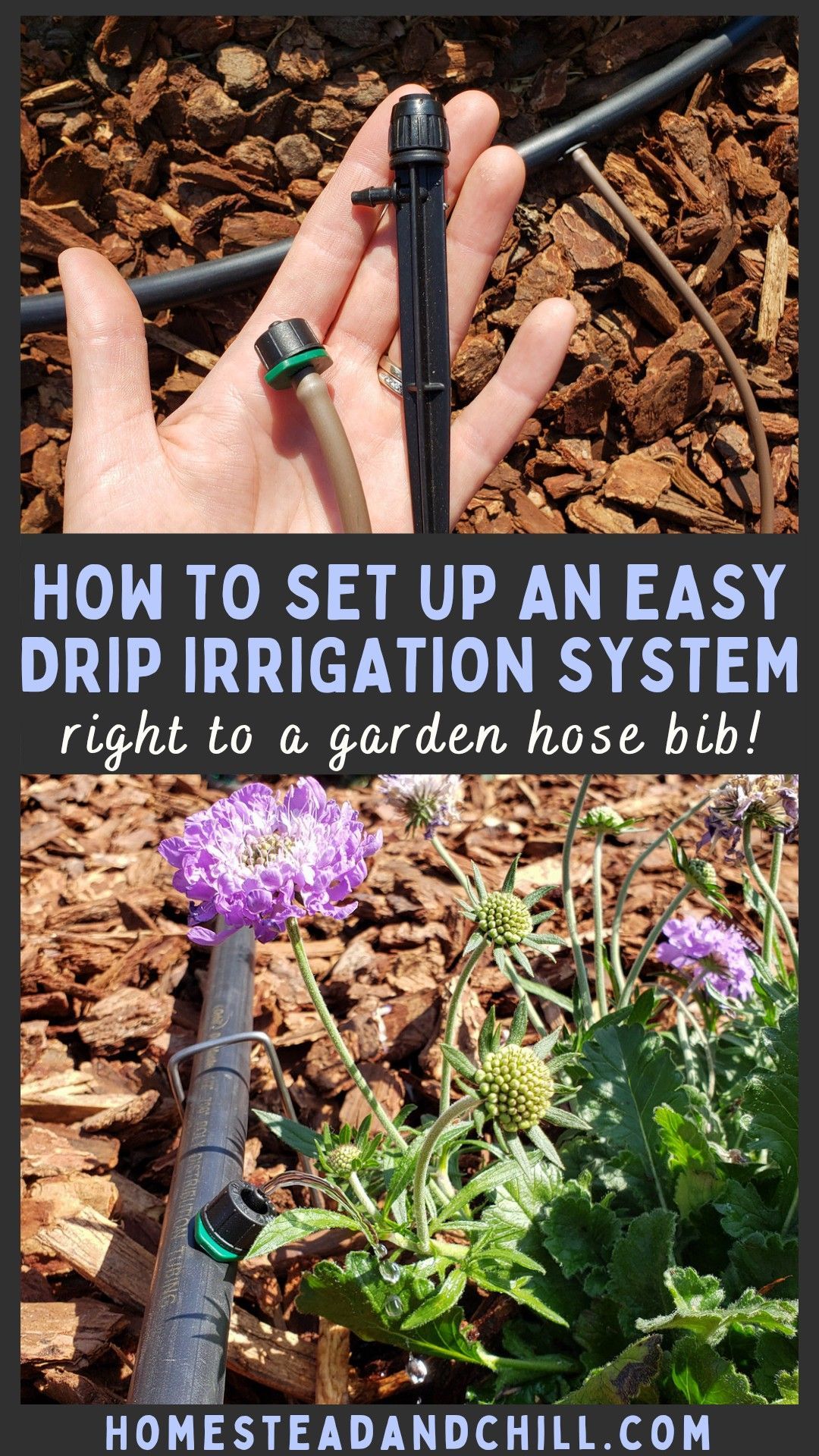
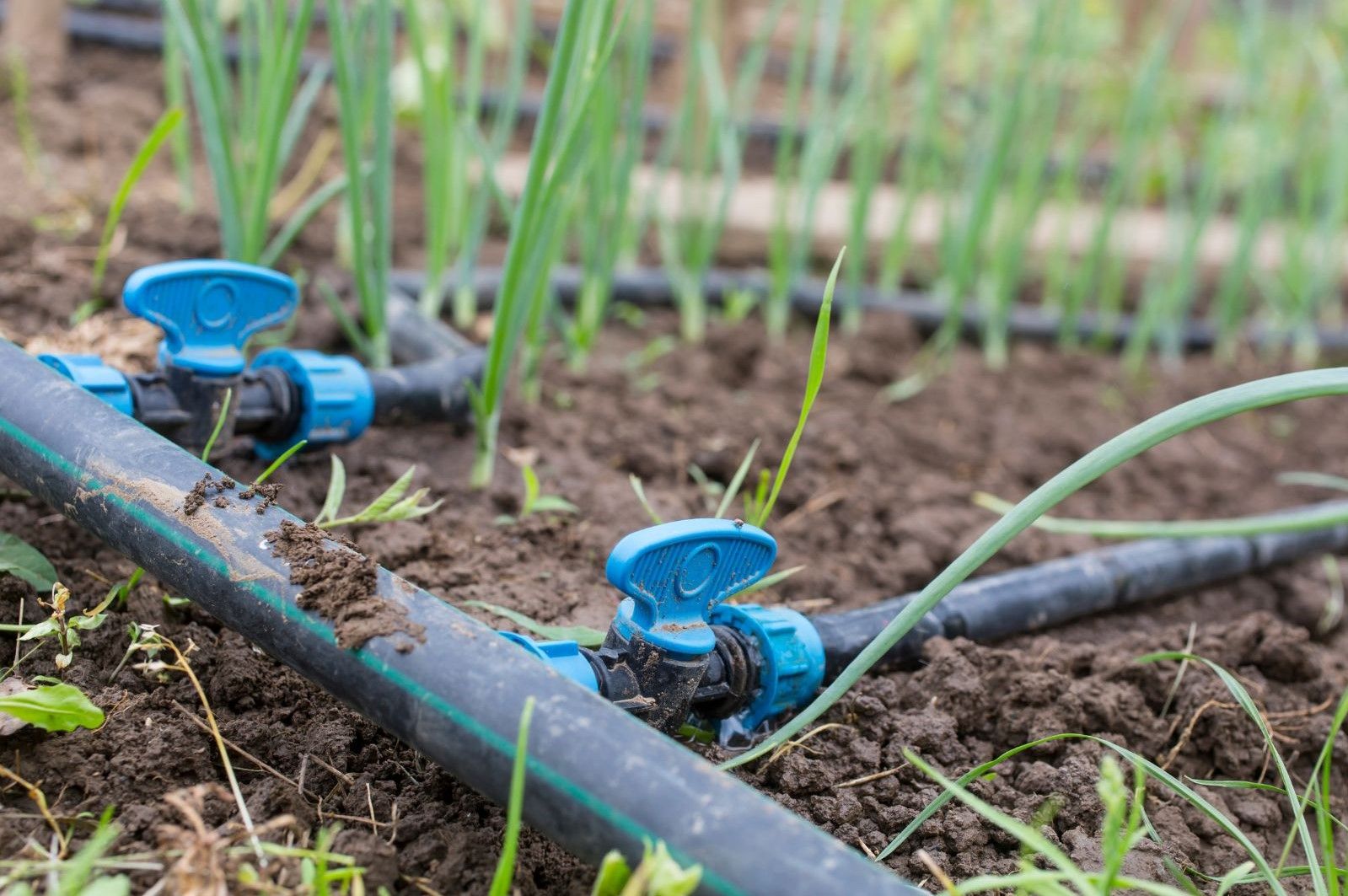
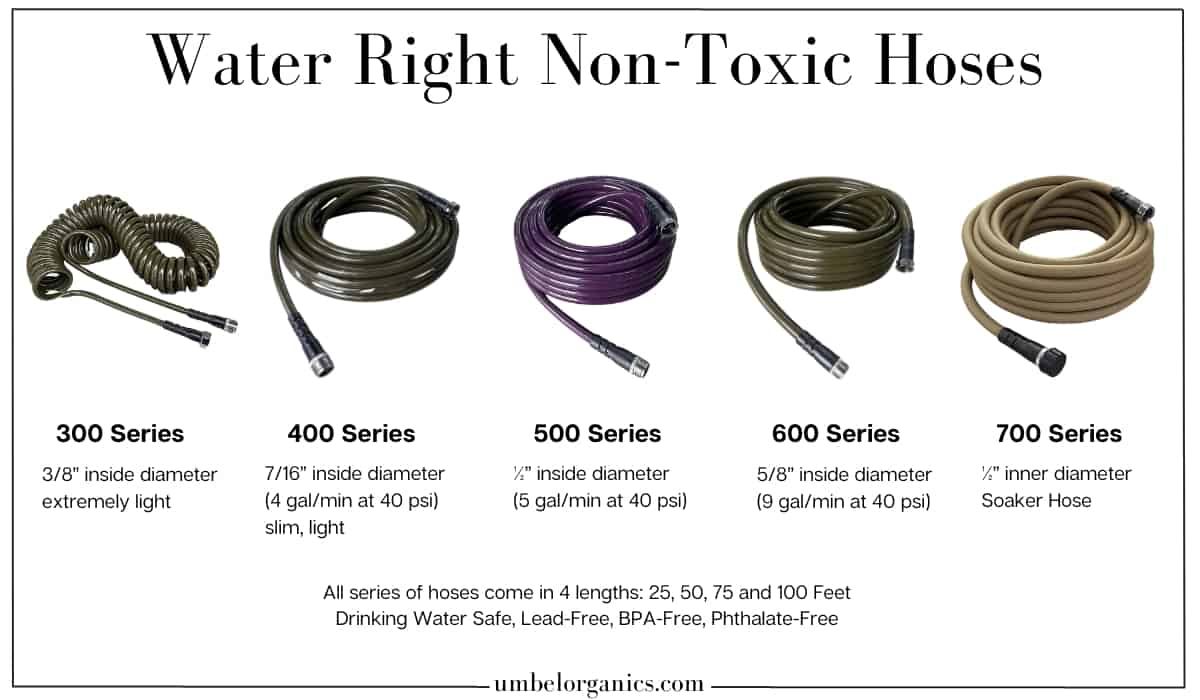
A common mistake gardeners make is assuming all drip systems work the same way. The diameter of your hose matters enormously for water pressure and distribution. Most standard drip hoses range from 1/4 inch to 3/8 inch in diameter. Smaller diameters work fine for small gardens or individual plants, but larger diameters handle more water flow and are better for bigger spaces. Think about your garden layout. If you’re watering a large vegetable patch, you’ll want enough capacity to move water efficiently without pressure drops. The size also affects how often you need to replace sections if they develop holes or clogs. Smaller hoses might need more frequent attention. For example, a 3/8 inch hose can carry significantly more water than a 1/4 inch one, meaning you can cover more ground with fewer connections. You’ll want to consider how many plants you’re watering and how much water they need daily.
Durability and Longevity: What to Look For
A sustainable drip hose should last several growing seasons. That means checking for features that prevent wear and tear. Look for hoses with reinforced construction, especially at connection points. UV resistance is crucial since outdoor hoses face constant sun exposure. Some manufacturers add special treatments or materials that protect against fading and cracking. You’ll also want to consider how well the hose handles freezing temperatures if you live in colder climates. A good quality hose won’t burst or crack when water freezes inside it. Check for flexibility too. A hose that’s too rigid can cause stress on connections and lead to early failure. The best sustainable options combine durability with ease of handling. Remember that a hose that breaks after one season isn’t sustainable, no matter how eco-friendly the materials seem. Consider the warranty period offered by manufacturers as an indicator of confidence in the product’s longevity.
Water Pressure and Flow Rate Considerations
Water pressure plays a big role in how effectively your drip system works. Too little pressure and your plants don’t get enough water. Too much pressure and you risk damaging the hose or creating uneven watering. Most drip irrigation systems work best with water pressure between 10 and 50 PSI. Some hoses are designed specifically for low-pressure situations, while others can handle higher pressures. Flow rate refers to how much water moves through the hose per minute. Higher flow rates mean faster watering but can also mean more water waste if not properly managed. For most home gardens, a flow rate of 1 to 3 gallons per hour per plant is adequate. If you’re watering multiple plants, you’ll want to ensure your main line can supply enough water to all areas without pressure loss. Some gardeners use pressure regulators to control water flow, which can extend hose life and improve efficiency. You might also want to test your system with a simple pressure gauge to see what you’re working with.
Cost vs. Value: Making Smart Purchasing Decisions
Price tags on drip hoses vary widely, but the cheapest option isn’t always the best choice for long-term sustainability. Consider the total cost of ownership over several seasons. A higher-priced hose might cost more initially, but if it lasts twice as long, it could actually save you money. Factor in replacement costs, potential water waste, and time spent maintaining the system. Some premium hoses come with features like built-in filters that prevent clogging and extend the system’s life. Others include easy-to-use connectors that make setup simpler and reduce the chance of leaks. Think about what features matter most to your garden situation. If you have a large garden, investing in a quality hose with good flow capacity might pay off quickly. Also consider buying in bulk if you’re setting up multiple zones. Many retailers offer discounts for larger orders, which can make sustainable options more affordable. Don’t forget to check reviews from other gardeners who’ve used the same products.
Choosing the right sustainable drip irrigation hose isn’t just about finding something that works. It’s about making a conscious choice that supports both your garden’s health and environmental responsibility. When you invest in a quality, eco-friendly drip hose, you’re choosing a system that will serve you well across multiple seasons. You’re reducing water waste, minimizing plastic consumption, and helping to preserve natural resources for future generations. The key is to look beyond the initial price tag and consider the long-term benefits. Take time to assess your garden’s specific needs, from water pressure requirements to the number of plants you’re watering. Remember that a well-chosen sustainable hose can transform your gardening experience, making it more efficient and environmentally friendly. Your plants will thank you, and so will the planet. Whether you’re a seasoned gardener or just starting out, investing in a quality drip system is one of the smartest decisions you can make for your garden and the environment.