In a world where synthetic materials dominate the gardening industry, an unexpected player is making waves among professionals. Bamboo, often dismissed as just a decorative plant, is proving to be a game-changer for serious gardeners. What started as a simple alternative has evolved into a serious consideration for those who demand both performance and sustainability.
Imagine walking through a garden where every element tells a story of thoughtful design and environmental responsibility. For many professional gardeners, this vision isn’t just a dream anymore. They’re discovering that bamboo offers something synthetic materials simply cannot match. It’s not just about aesthetics anymore – it’s about making choices that last, both for the garden and the planet. This shift isn’t happening overnight, but it’s gaining momentum fast. What exactly makes bamboo so appealing to those who know their soil from their stems?
The Sustainability Factor
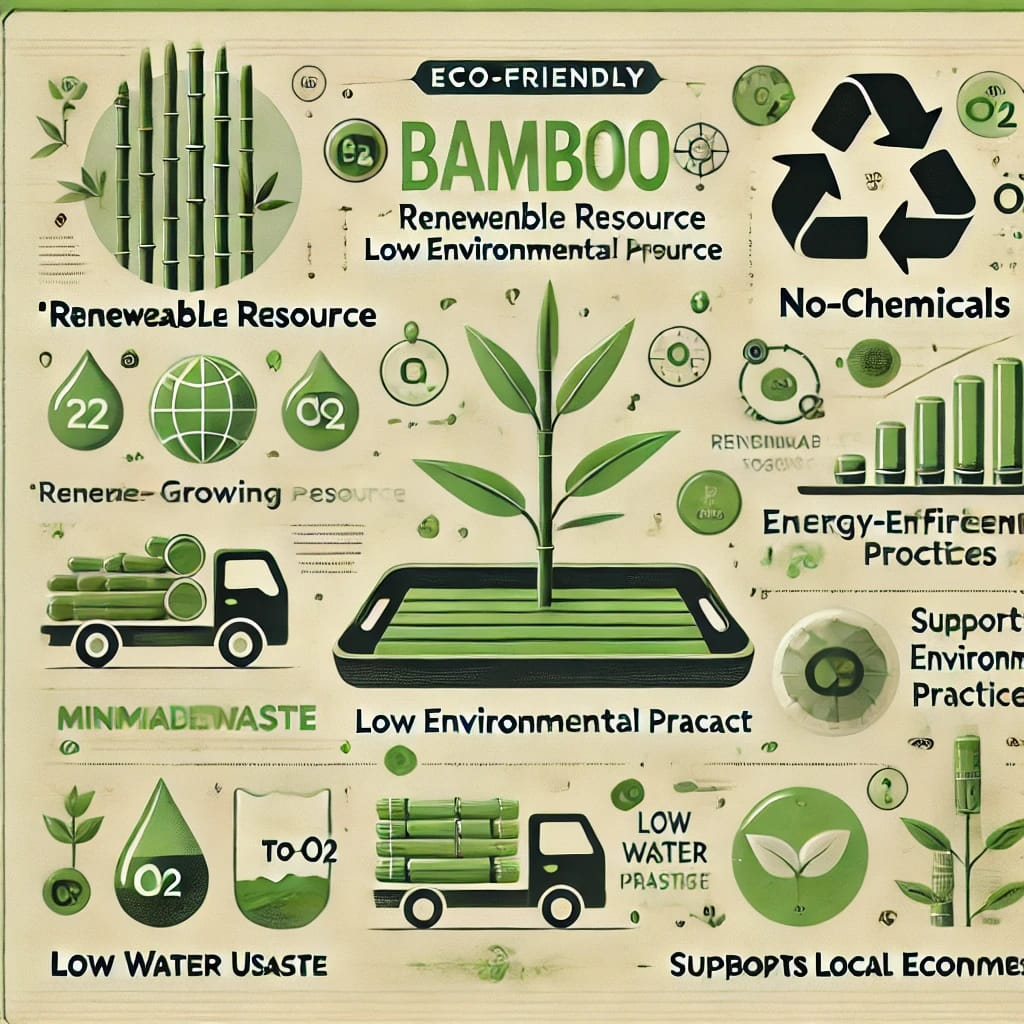
When gardeners think about materials, they often focus on immediate needs rather than long-term impacts. But bamboo stands out because it grows incredibly fast – some species can grow up to three feet in a single day. This rapid growth means that bamboo can be harvested sustainably without destroying the entire plant. Unlike synthetic materials that require fossil fuels and energy-intensive manufacturing processes, bamboo regenerates quickly from its root system. Think about that for a moment. A material that replenishes itself while providing structure and beauty. That’s powerful stuff. Professional gardeners appreciate this because they’re thinking ahead – about maintenance costs, environmental impact, and the future of their designs.
Durability That Surprises
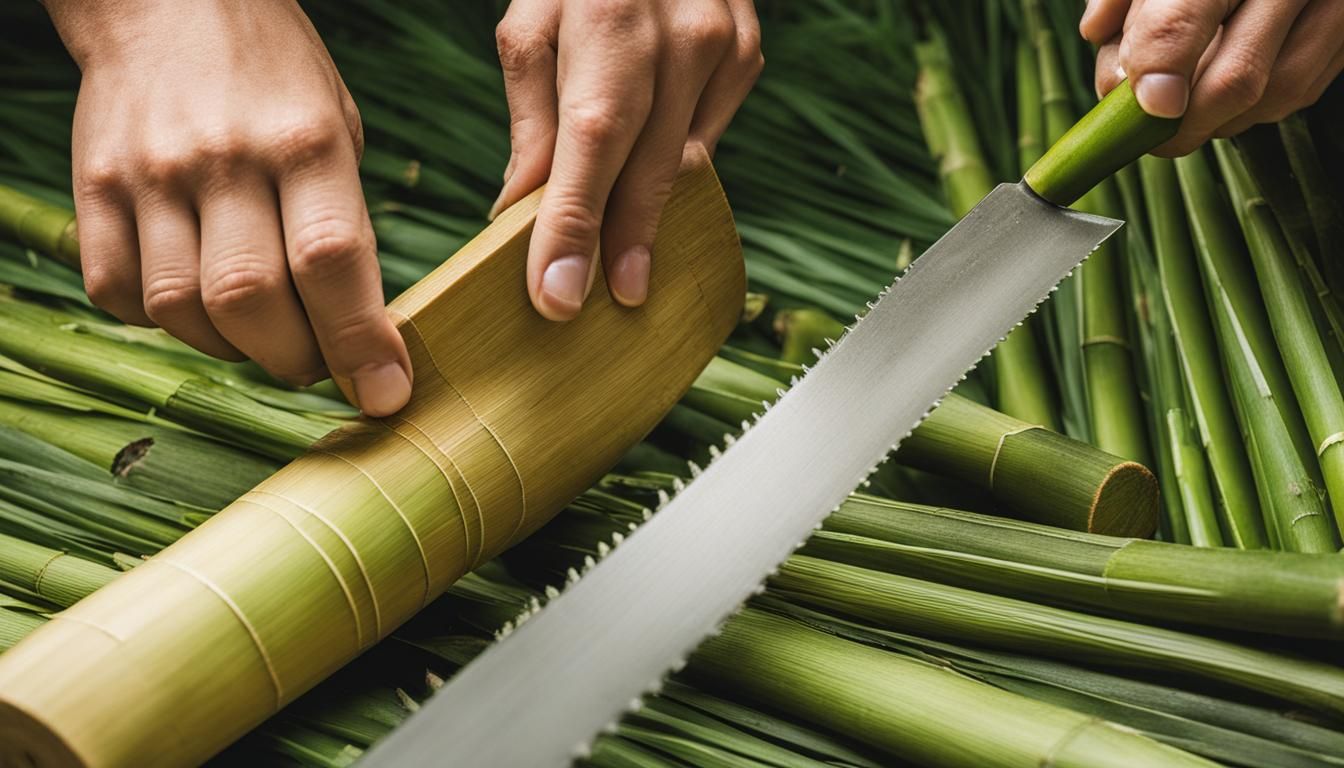
Many people assume that natural materials must be fragile, but bamboo defies this common belief. When properly treated and maintained, bamboo can last decades in garden applications. Its strength-to-weight ratio rivals that of steel, making it ideal for trellises, fencing, and structural elements. Consider a professional gardener designing a pergola – they want something that will hold up against weather, insects, and time. Synthetic alternatives might offer initial appeal, but they often degrade faster under UV exposure and temperature fluctuations. Bamboo’s natural silica content actually makes it more resistant to pests and decay than many synthetic options. It’s like having armor that looks like it belongs in a fairy tale.
Cost-Effective Solutions
Budget considerations are always part of professional gardening decisions. While bamboo may seem expensive upfront, it’s often more economical over time. Synthetic materials might look good initially, but they frequently need replacement after a few years due to weathering, fading, or structural failure. Bamboo installations typically require minimal maintenance once established. The cost savings become apparent when you factor in replacement costs, labor, and the longevity of the material. Plus, bamboo can be grown locally in many regions, reducing transportation costs and supporting regional economies. For gardeners managing multiple projects, this difference can add up quickly.
Aesthetic Versatility
Professional gardeners aren’t just concerned with function – they’re artists too. Bamboo brings a unique visual appeal that’s hard to replicate with synthetic materials. The natural grain patterns, varying heights, and organic curves give each installation a distinct character. Whether used for privacy screens, decorative accents, or structural support, bamboo adds warmth and authenticity to any design. Some gardeners even use different bamboo species to create texture variations within a single project. The material’s natural flexibility allows for creative shaping and bending, giving designers more freedom than rigid synthetic alternatives. It’s not just about looking good – it’s about creating spaces that feel alive and connected to nature.
Environmental Benefits Beyond the Garden
The advantages of bamboo extend far beyond the garden gate. Bamboo produces 28% more oxygen than equivalent trees and absorbs more carbon dioxide. When gardeners choose bamboo, they’re making a statement about environmental stewardship that goes beyond their immediate project. Many professionals now incorporate bamboo into their sustainability reports and client presentations. The plant’s extensive root system helps prevent erosion and improves soil health. It also provides habitat for beneficial insects and birds. For gardeners who want to demonstrate environmental responsibility, bamboo offers a tangible way to show their commitment. It’s a practical choice that aligns with growing consumer demand for eco-conscious practices.
Practical Applications in Real Projects
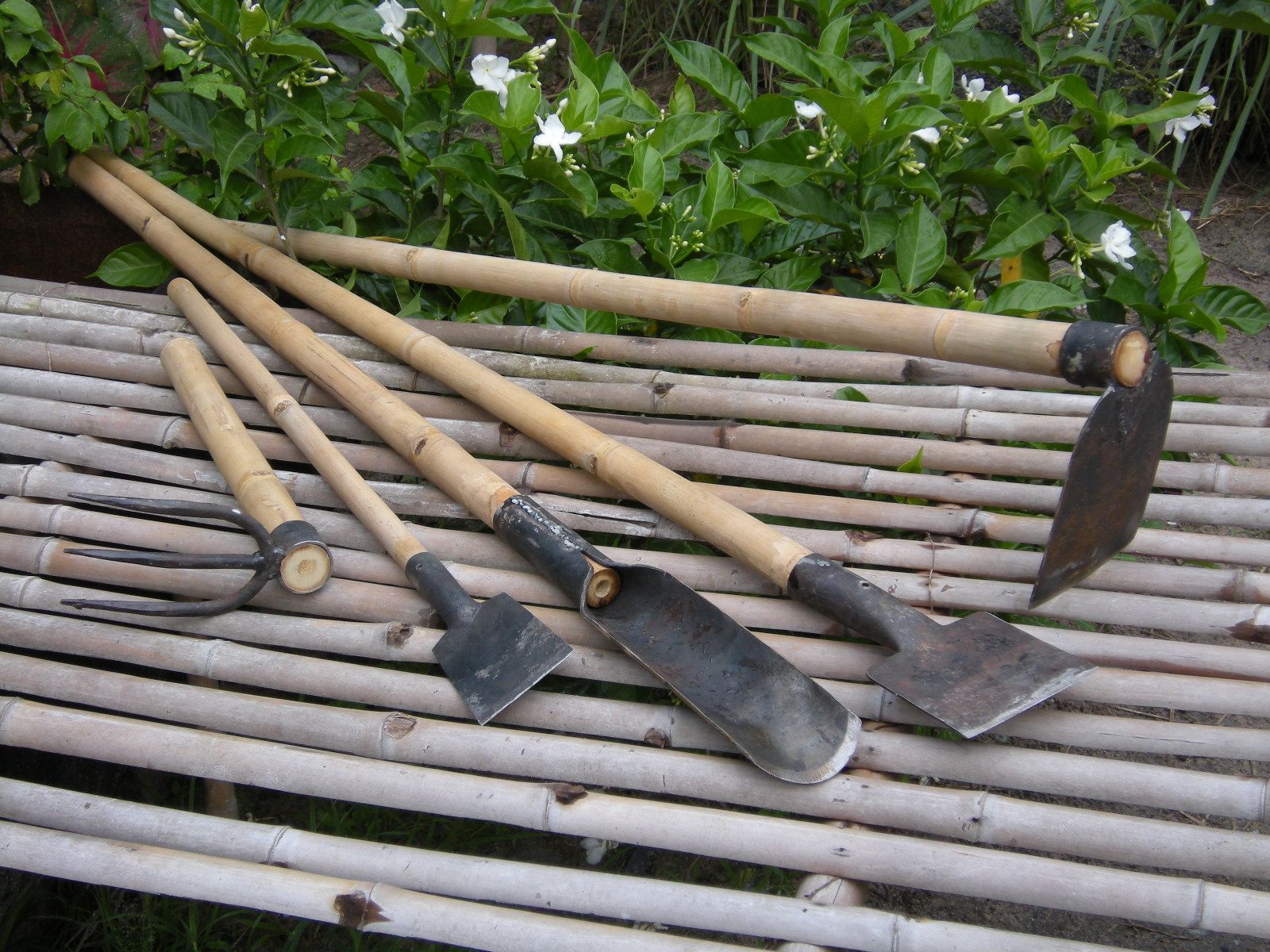
Let’s talk about how this actually works in practice. Professional gardeners are using bamboo for everything from small residential projects to large commercial installations. In one case, a landscape architect replaced traditional synthetic fencing with bamboo in a high-end residential project. The result? A stunning privacy screen that required no chemical treatments and looked better year after year. Another example involves a botanical garden using bamboo for temporary structures during seasonal displays. These real-world applications prove that bamboo isn’t just theoretical – it’s being used successfully across various contexts. The key is proper selection, treatment, and installation techniques. Gardeners who take time to learn about different bamboo varieties and their properties see the best results.
The shift toward bamboo in professional gardening represents more than just a trend – it’s a fundamental rethinking of what materials can do for our outdoor spaces. Gardeners are discovering that bamboo offers a rare combination of durability, beauty, and sustainability that synthetic alternatives struggle to match. As environmental consciousness continues to grow, we’re likely to see even more innovative uses for this remarkable material. The question isn’t whether bamboo will continue to gain popularity, but rather how gardeners will find new ways to incorporate it into their work. For those who want to build gardens that stand the test of time, both literally and figuratively, bamboo offers a compelling solution. The future of professional gardening seems to be greener, literally and metaphorically, thanks to this versatile grass.