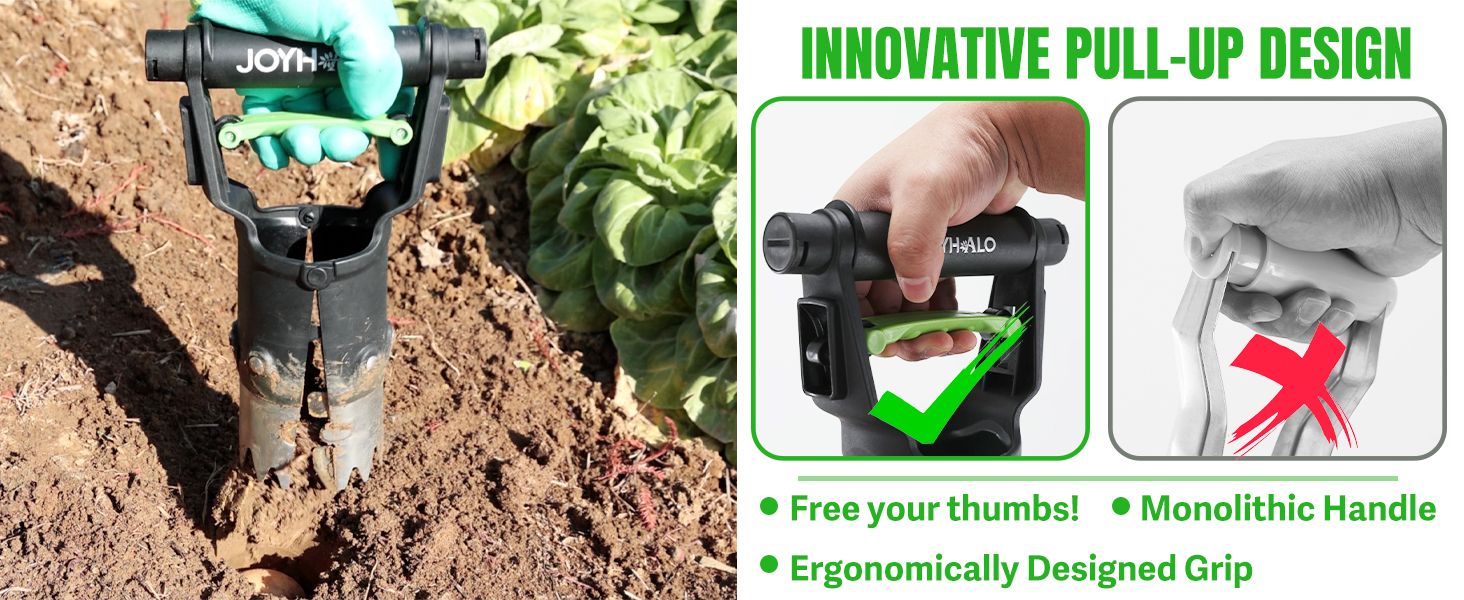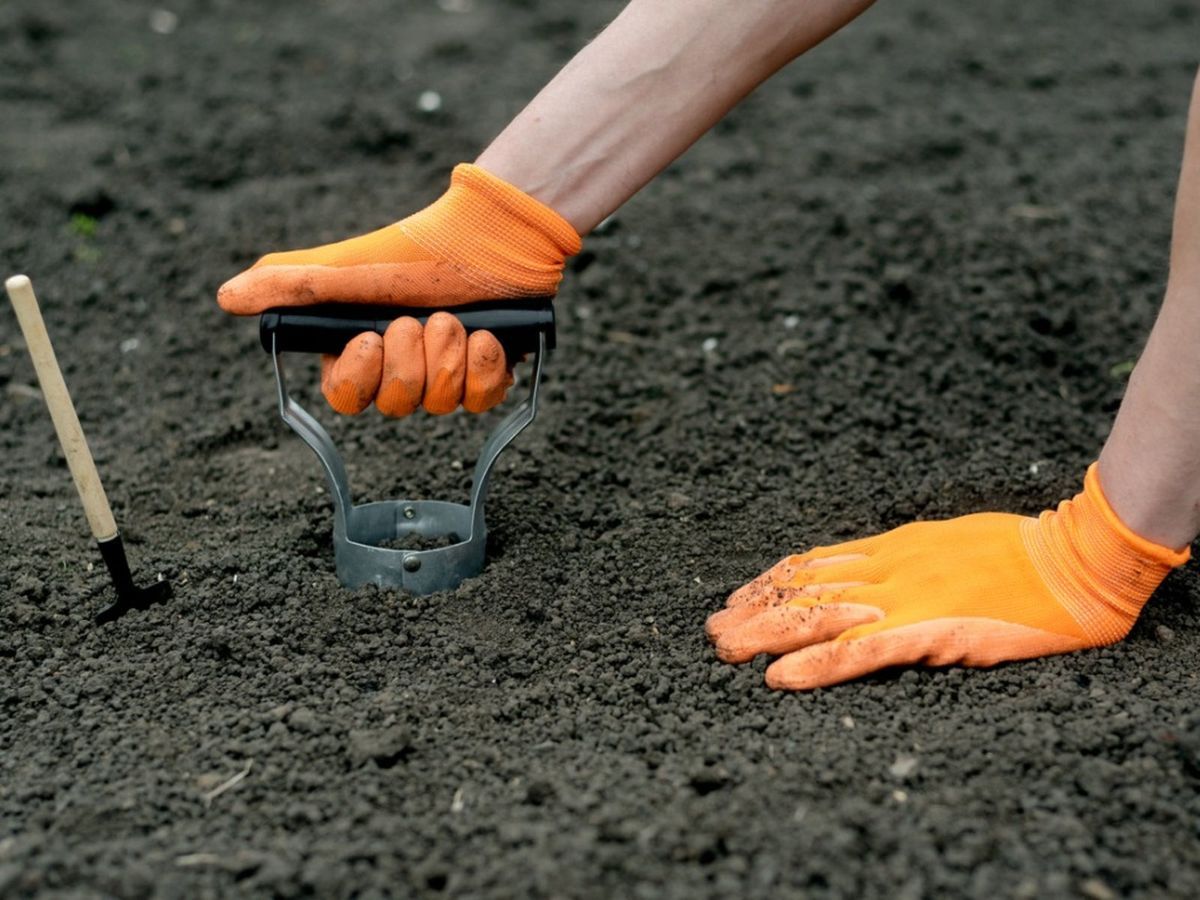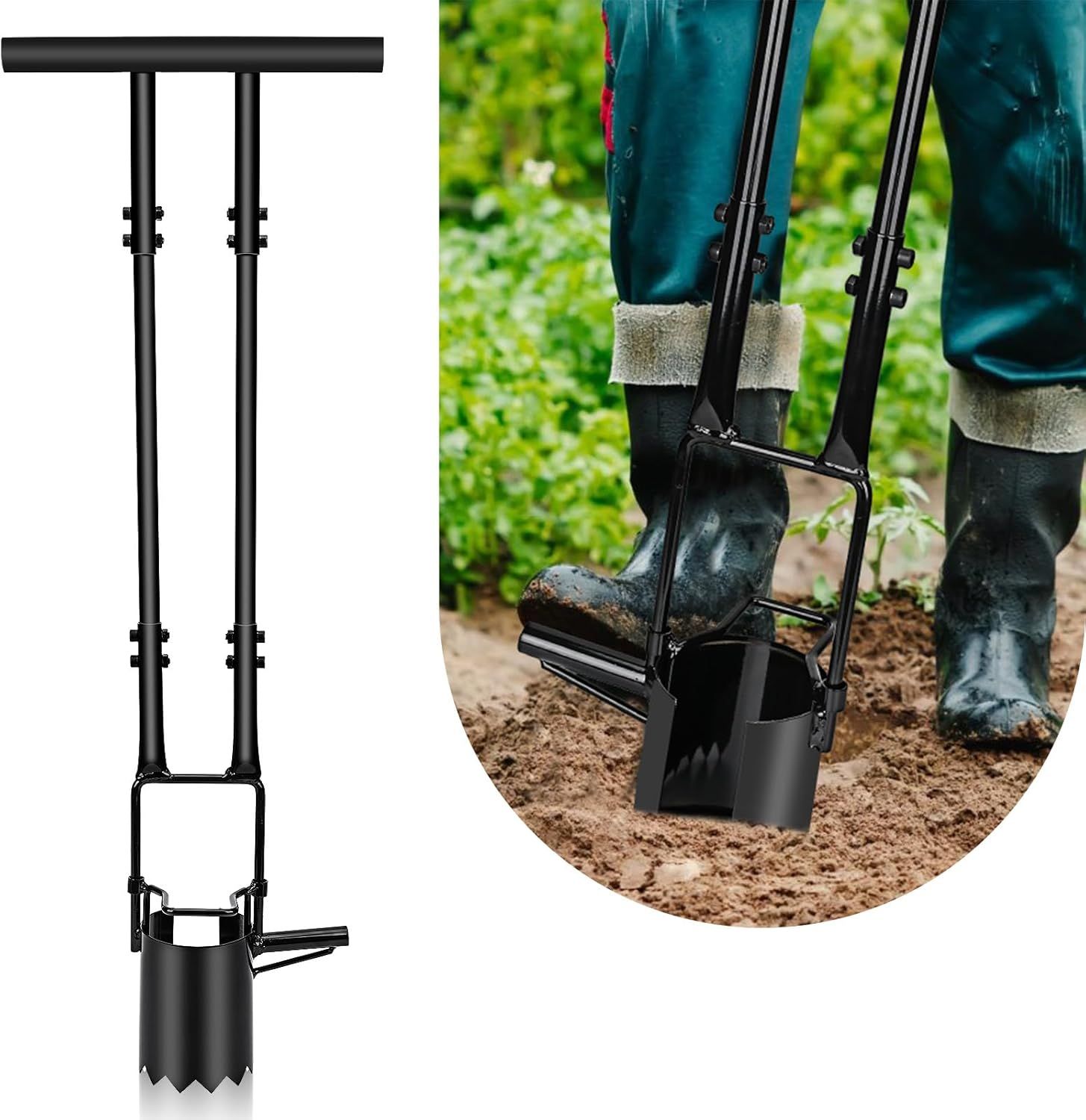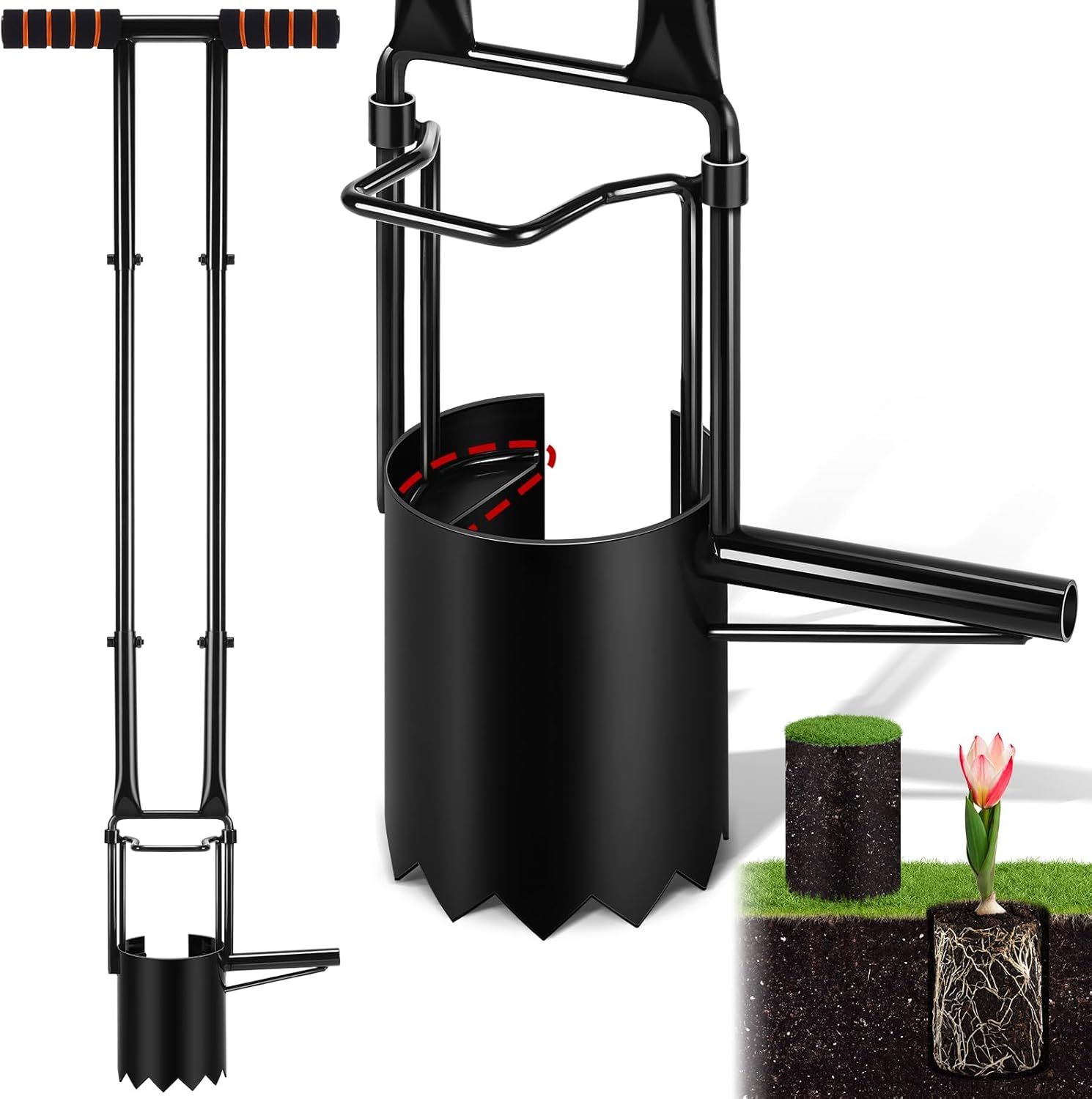
What if you could grow more flowers, vegetables, and herbs while reducing your environmental footprint? It’s possible with the right tools. Sustainable bulb planter systems offer gardeners a way to maximize their growing space, improve plant health, and contribute to a cleaner planet. These innovative tools aren’t just about convenience—they’re about creating a better relationship between your garden and the earth.
Gardening isn’t just about planting seeds and waiting for growth. It’s about making smart choices that benefit both your garden and the planet. When you think about sustainable gardening practices, many people focus on composting or organic fertilizers. But there’s another crucial element that often gets overlooked: the tools you use. Sustainable bulb planter tools represent a game-changer for gardeners who want to do more with less. These systems allow you to plant bulbs efficiently, create beautiful displays, and reduce waste all at the same time. Whether you’re a seasoned gardener or someone just starting out, understanding how to use these tools effectively can make all the difference in your garden’s success.
Understanding Sustainable Bulb Planters
Sustainable bulb planters are more than just containers. They’re thoughtfully designed systems that consider the entire lifecycle of materials used. These planters often utilize recycled materials, biodegradable components, or products made from renewable resources. Think of them as garden furniture that works with nature rather than against it. Many modern designs feature drainage systems that prevent waterlogging, which helps bulbs thrive and reduces the risk of rot. Some even incorporate features like built-in soil sensors or modular sections that let you expand your garden as needed. The beauty of these tools lies in their versatility. You can use them for bulbs, small plants, or even as part of a larger container garden system. What makes them truly sustainable is their longevity—well-made planters can last for decades, reducing the need for frequent replacements.
Benefits Beyond Traditional Planters
Traditional planters often fall short when it comes to maximizing garden space and efficiency. Sustainable bulb planters offer several advantages that traditional options simply cannot match. First, they’re designed with space optimization in mind. Many feature vertical stacking capabilities or multi-level designs that allow you to grow more plants in less area. This is particularly helpful for urban gardeners or those with limited outdoor space. Second, these planters often include built-in watering systems or moisture retention features. This means your bulbs get consistent hydration without overwatering, which is one of the most common causes of bulb failure. Third, the materials used in sustainable planters tend to be more durable and weather-resistant. You won’t find yourself replacing containers every few seasons due to cracking or fading. Additionally, many sustainable options come with features like easy-to-clean surfaces, which reduces maintenance time and effort.
Choosing the Right Materials
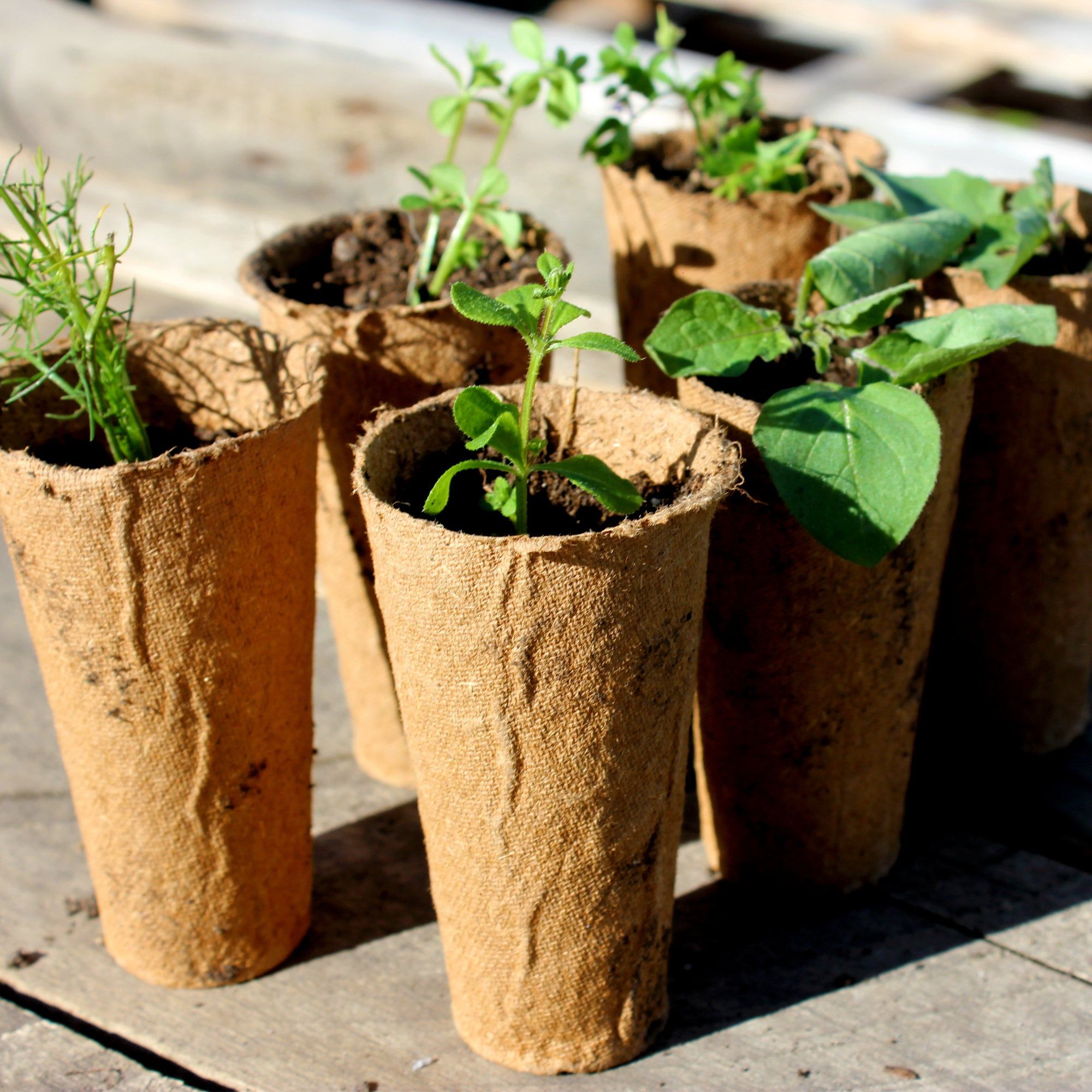
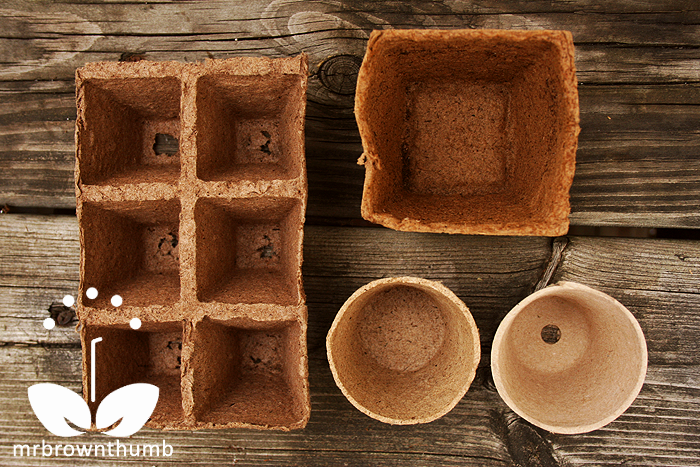
The material choice in sustainable bulb planters significantly impacts both performance and environmental impact. Plastic planters, while affordable and lightweight, often come from petroleum-based sources and may not be recyclable in all areas. However, some manufacturers now produce planters from recycled plastic bottles or other post-consumer materials. Ceramic and terracotta options provide excellent breathability for roots but can be heavy and prone to cracking. Modern alternatives include planters made from bamboo, coconut husks, or even recycled glass. Consider the climate where you live when selecting materials. If you experience freezing temperatures, avoid materials that might crack during winter months. Look for planters with UV protection if you’ll be placing them outdoors year-round. The best sustainable planters often combine multiple materials for optimal performance. For example, a planter might have a recycled plastic base with a bamboo or wood exterior.
Design Features That Matter
Not all bulb planters are created equal. Certain design elements can make a huge difference in how well your garden thrives. Drainage holes are perhaps the most critical feature. Without proper drainage, bulbs will sit in waterlogged soil and quickly rot. Look for planters with multiple drainage points, not just one or two. Some designs include a removable tray underneath that catches excess water, making cleanup easier. Another important feature is the depth and width of the planter. Different bulbs require different amounts of space. Tulips, for instance, need deeper containers than daffodils. Some planters offer adjustable compartments or modular sections that let you customize the space based on your bulb types. Easy access for planting and harvesting is also crucial. Many sustainable planters include removable lids or top sections that make it simple to add soil or remove flowers without disturbing the entire setup. Consider whether you’ll be using the planter indoors or outdoors, as this affects the type of materials and features you’ll want.
Planting Techniques for Success
Using sustainable bulb planters effectively requires understanding how to plant properly within these containers. Start by choosing the right size planter for your bulbs. A general rule is to plant bulbs at a depth three times their height. For example, a 2-inch tulip bulb should be planted about 6 inches deep. In smaller containers, you might need to plant bulbs closer together, but ensure they still have adequate room to grow. Consider layering bulbs of different heights for visual appeal. Plant taller bulbs in the back or center of the planter, and shorter varieties around the edges. This creates a natural cascade effect that looks beautiful year after year. Many gardeners find success using a combination of planting methods. Some prefer to plant bulbs in groups of three or five, while others opt for more scattered arrangements. The key is to consider how the plants will look together once they bloom. Remember to leave space between bulbs for air circulation and root development.
Maintenance and Longevity Tips
Proper care ensures your sustainable bulb planters continue working effectively for years. Regular cleaning prevents the buildup of mold, mildew, and bacteria that can harm your plants. Most planters can be cleaned with mild soap and water, though always check manufacturer instructions first. During winter months, especially in colder climates, consider moving planters to protected locations or providing insulation for the containers themselves. Some gardeners use mulch or straw around the base of planters to help regulate soil temperature. When bulbs finish flowering, remove spent blooms promptly to redirect energy toward bulb development. Some planters include features like built-in labels or measurement markers to help track planting dates and bulb sizes. These small details can make a big difference in maintaining consistent results year after year. Finally, keep a simple maintenance log noting which bulbs performed best in each planter, helping you make better choices for future plantings.
Sustainable bulb planter tools represent more than just gardening accessories—they’re investments in both your garden’s productivity and environmental health. By choosing the right planter design, understanding proper planting techniques, and maintaining your tools correctly, you can dramatically improve your garden’s performance while reducing waste. These systems empower gardeners to make the most of their available space, whether that’s a small balcony, a narrow patio, or a traditional backyard. The key is starting with quality materials and thoughtful design choices. As you experiment with different bulb combinations and planting strategies, you’ll discover new ways to enjoy your garden throughout the seasons. Remember, sustainable gardening isn’t about perfection—it’s about making better choices that support both your plants and the planet. The journey from basic container gardening to sophisticated sustainable systems is one that rewards patience, experimentation, and respect for natural growing cycles.