Imagine stepping into your garden and spraying a solution that protects your plants without harming the earth around you. That’s what’s happening in gardens across the country in 2025. The tools we’ve used for decades to keep our green spaces healthy have undergone a dramatic transformation. These aren’t just fancy gadgets – they’re part of a bigger story about how we care for our environment while growing the food we eat.
When we think about garden sprayers, most people picture something basic – maybe a simple pump sprayer that’s been around since the 1960s. But by 2025, those old-school models have mostly vanished from garden centers. What replaced them? A new generation of sprayers that are smarter, safer, and more sustainable than anything we’ve seen before. This isn’t just about technology for its own sake – it’s about protecting the very things we want to grow. Every gardener, whether amateur or professional, is experiencing this shift in some way. From the backyard vegetable patch to large-scale farms, the change has been profound and widespread.
The Old Days: Toxic Solutions and Basic Tools
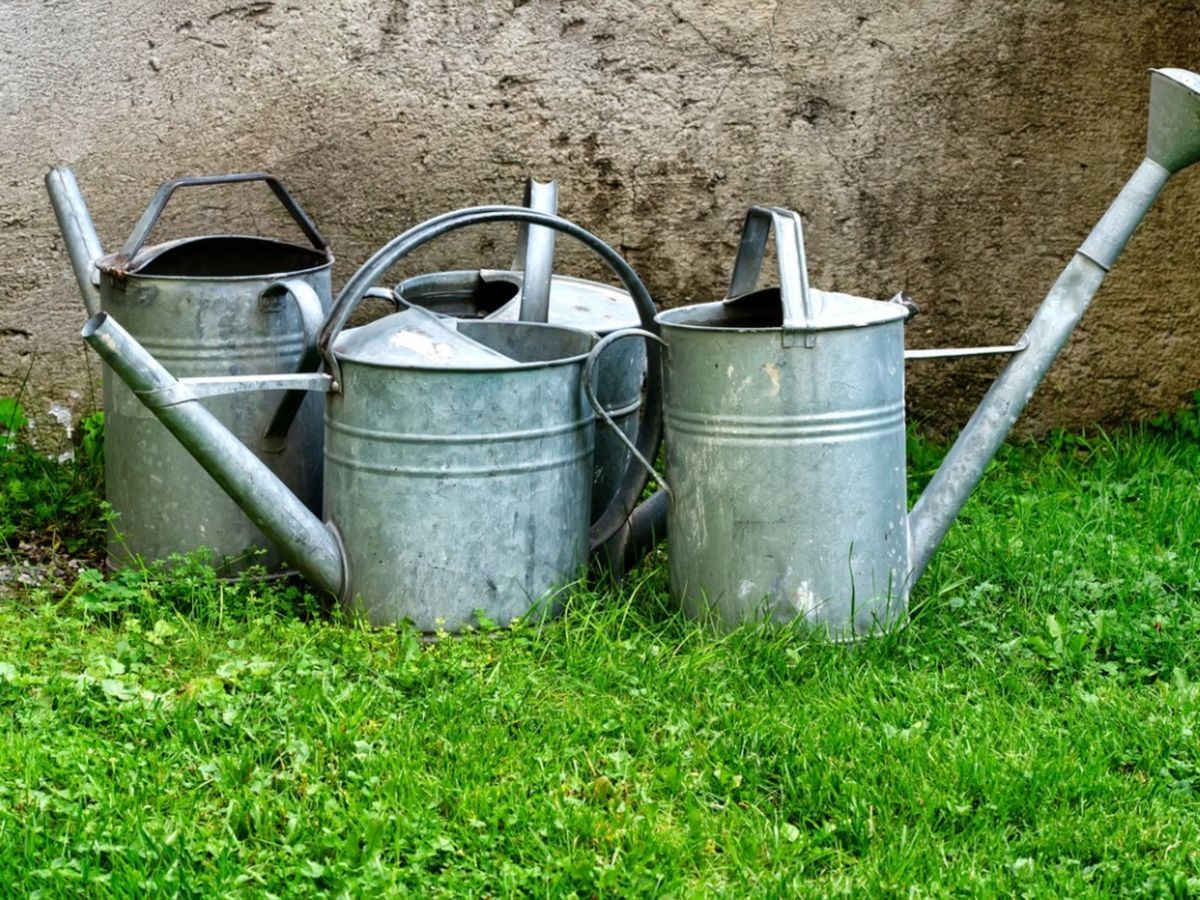
Back in the early 2000s, gardeners had few options when it came to pest control. Most relied on chemical pesticides and herbicides that were powerful but often dangerous. The typical garden sprayer was simple – a plastic bottle with a handle and nozzle. It worked well enough, but it was hard to control exactly where the spray went. If you got too close to a flower or a beneficial insect, you might accidentally harm it. These early sprayers didn’t distinguish between pests and helpful bugs. They treated everything like enemies. The result? Soil contamination, water pollution, and health risks for anyone who handled the chemicals. Many gardeners began to notice problems – their soil wasn’t as rich as it used to be, birds were disappearing from their yards, and some family members felt sick after working in the garden. These weren’t just coincidences. They were signs of a larger issue that was becoming impossible to ignore.
The Rise of Organic Approaches
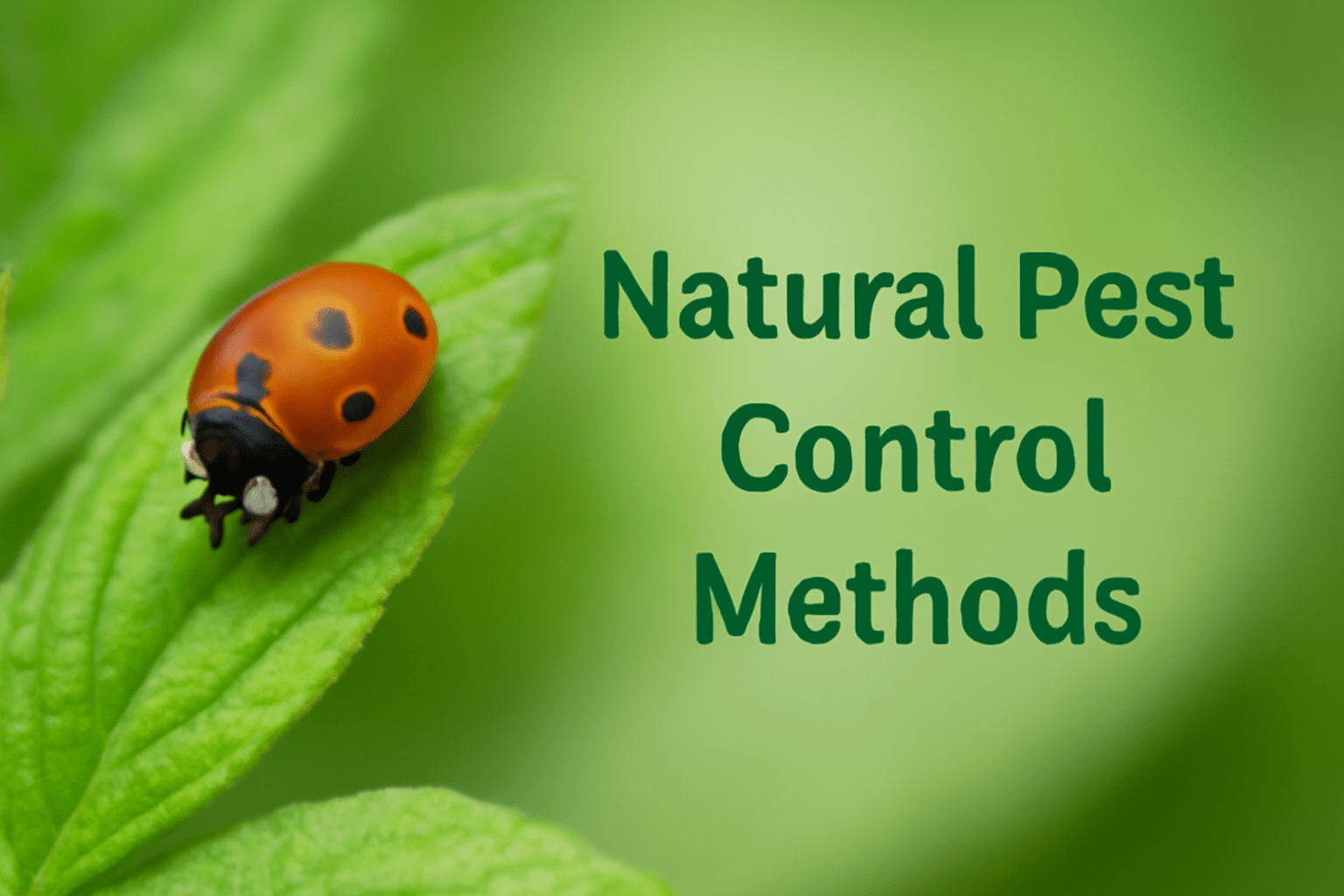
By the mid-2010s, a quiet revolution was starting. More gardeners were researching alternatives to traditional chemicals. They discovered that many organic solutions could work just as well – and better – than synthetic pesticides. Neem oil, soap sprays, and beneficial insects became popular choices. But these new methods required different tools. The old sprayers just couldn’t deliver organic treatments effectively. Gardeners needed something that could mix ingredients properly and apply them with precision. This demand sparked innovation. Companies began developing sprayers specifically designed for organic gardening. They focused on materials that wouldn’t react with organic compounds, and they made sure the equipment could handle thicker solutions without clogging. The first wave of these new sprayers looked almost identical to the old ones, but they had important improvements under the hood. The real breakthrough came when manufacturers started thinking about the entire user experience, not just the spray mechanism itself.
Smart Technology Integration
One of the biggest changes in 2025 was the integration of smart technology into garden sprayers. These aren’t just fancy gadgets – they’re practical tools that solve real problems. Modern sprayers now include sensors that measure soil moisture, pH levels, and nutrient content. Some even connect to smartphones, sending alerts when plants need attention. Imagine getting a text message that says ‘Tomatoes need nitrogen’ instead of guessing. These sprayers can also track usage patterns, helping gardeners optimize their watering schedules and fertilizer applications. The technology works quietly in the background, giving gardeners more time to enjoy their gardens rather than spend hours monitoring them. For example, a gardener named Maria in Portland uses her smart sprayer to automatically adjust spray concentration based on weather conditions. On rainy days, she gets less concentrated solutions, saving money and reducing runoff into local waterways. Smart sprayers also help prevent overuse of treatments, which is crucial for maintaining long-term soil health.
Eco-Friendly Materials and Design
Another major advancement was in the materials used to build sprayers. Traditional plastic components were being replaced with biodegradable alternatives. Some manufacturers even started using recycled ocean plastics to create durable, long-lasting equipment. The design philosophy shifted toward sustainability from the ground up. Sprayers now feature modular components that can be easily repaired or upgraded instead of discarded when broken. This approach reduces waste significantly. The new designs also focus on minimizing energy use during operation. Some sprayers now incorporate solar panels or kinetic energy from the pumping action to power their electronic features. One company introduced a sprayer that generates electricity from the motion of the pump, eliminating the need for batteries entirely. This isn’t just good for the planet – it’s also good for gardeners who no longer have to worry about replacing batteries or disposing of old electronics. The environmental impact of these changes adds up quickly across millions of gardens worldwide.
Precision Application Systems
Perhaps the most exciting development was the emergence of precision application systems. These sprayers can target specific areas with incredible accuracy. Instead of spraying broad areas, they focus on individual plants or small sections. This precision reduces waste and minimizes environmental impact. Some models use GPS technology to map garden layouts and determine exactly where each plant needs treatment. Others use cameras and AI to identify pest infestations and automatically adjust spray settings. The result? Less chemical use, fewer mistakes, and better results overall. A farmer in Iowa reported that his precision sprayer reduced pesticide use by 70% while increasing crop yields. The system identifies exactly where pests are located and applies treatments only to those areas. This kind of targeted approach is especially important for organic farmers who must avoid overuse of natural treatments. The technology also helps prevent drift – when spray particles travel beyond intended areas. Gardeners love how much more control they have over their applications, especially when dealing with sensitive plants or nearby neighbors’ property.
User Experience and Accessibility Improvements
Finally, the user experience became a top priority for manufacturers. Sprayers in 2025 are designed to be easier to use than ever before. Weight distribution has been carefully engineered so that gardeners don’t get tired holding them for long periods. Adjustable handles and ergonomic grips make them comfortable for people with arthritis or other mobility issues. Many models feature quick-release mechanisms that allow gardeners to switch between different types of treatments without cleaning. The spray nozzles themselves have been redesigned for better control, with multiple settings for different application needs. Some sprayers now come with built-in measuring tools, making it easy to mix solutions correctly every time. A grandmother in Texas found that her new sprayer was so easy to use that she could teach her granddaughter how to apply treatments safely. The simplicity of modern sprayers means that gardeners of all ages and abilities can participate in sustainable gardening practices. This inclusivity has helped spread eco-friendly gardening techniques throughout communities.
The evolution of garden sprayers in 2025 represents more than just technological progress. It’s a reflection of changing values and priorities in how we interact with nature. These modern tools help us grow healthier food and flowers while protecting the environment that sustains us. They show that innovation doesn’t have to mean sacrificing safety or simplicity. Instead, we’ve created solutions that work better for everyone – gardeners, plants, wildlife, and the planet itself. As we look forward, these sprayers will continue to evolve. The journey from toxic chemicals to safe, smart, and precise applications shows what’s possible when we combine scientific knowledge with practical needs. For gardeners today, the choice is clear: they can stick with outdated methods that harm the environment, or they can embrace these newer technologies that support sustainable living. The future of gardening looks greener, smarter, and more accessible than ever before. It’s not just about the tools anymore – it’s about the vision for a better relationship between humans and the natural world.