Imagine working in your garden while the sun shines down on you, providing clean energy to power your tools. That’s exactly what solar charged garden cultivators offer – a sustainable way to tend to your plants without relying on electricity or gas. These innovative tools represent a perfect blend of modern technology and traditional gardening wisdom. They’re changing how we think about outdoor work, making it more environmentally friendly and cost-effective. Whether you’re a seasoned gardener or just starting out, understanding how to properly use and maintain these solar-powered wonders can make all the difference in your garden’s success.
Gardening has always been about working with nature, not against it. But what if we could enhance that relationship even further? Enter the solar charged garden cultivator – a device that harnesses the sun’s power to do the hard work of tilling, planting, and maintaining your garden. These tools have become increasingly popular among environmentally conscious gardeners who want to reduce their carbon footprint while still getting excellent results. The beauty of solar garden cultivators lies in their simplicity and effectiveness. They don’t require complex wiring, expensive batteries, or frequent maintenance. Instead, they rely on one of nature’s most abundant resources – sunlight. This makes them perfect for both small urban gardens and larger rural spaces. What really sets these tools apart is how they encourage a slower, more mindful approach to gardening. When you’re using solar power, you’re forced to be patient, plan ahead, and work with the natural rhythms of your environment. It’s a gentle reminder that gardening isn’t just about productivity, but also about connection with the earth and the seasons.
Understanding Solar Garden Cultivators
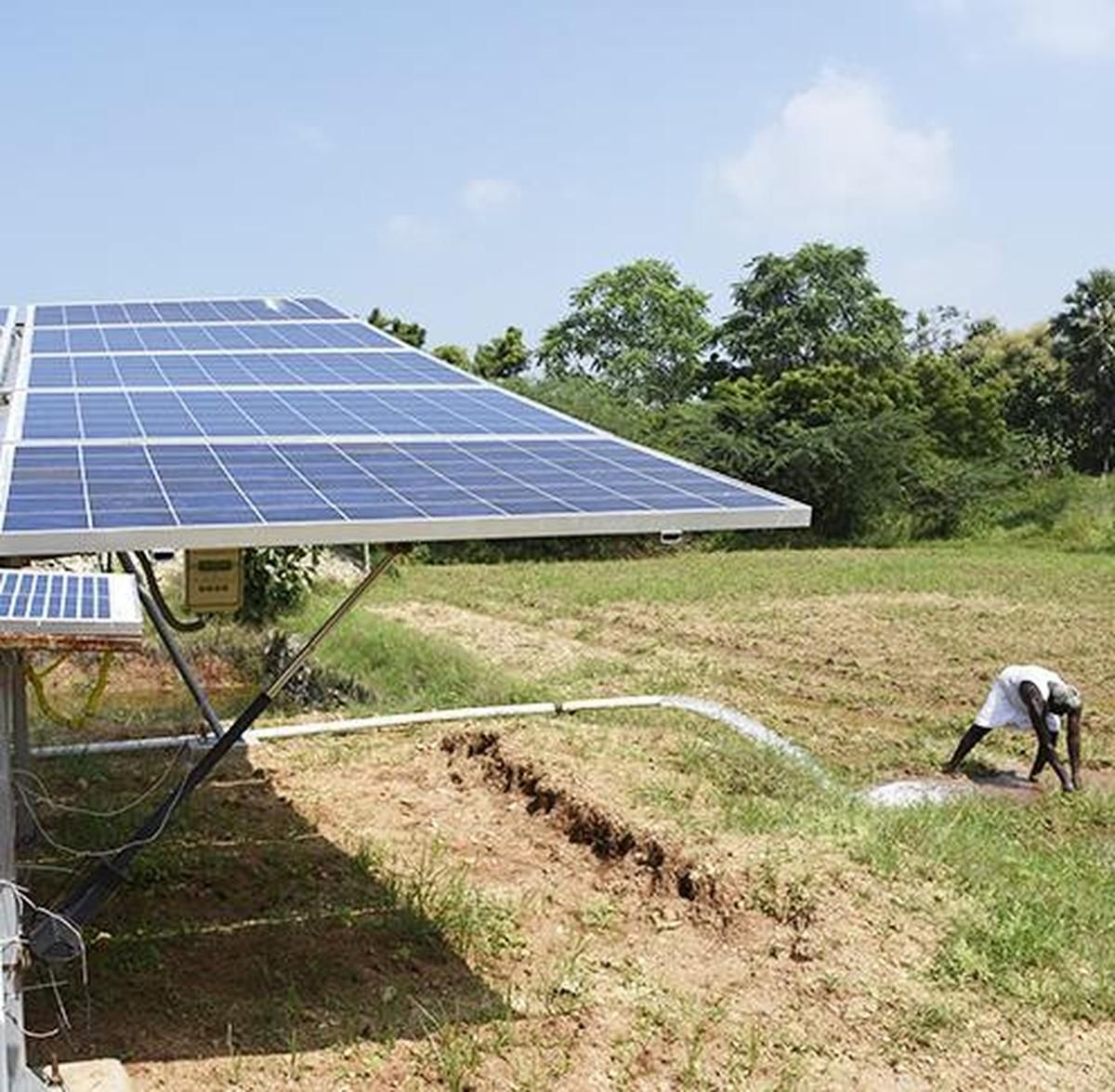
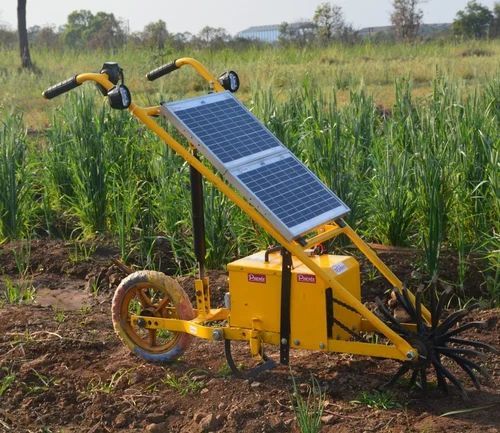
Solar garden cultivators are essentially electric tools powered by photovoltaic panels that convert sunlight into electrical energy. The panels are usually mounted on the device itself or integrated into the handle design. This energy gets stored in rechargeable batteries within the tool. Think of them as small, portable solar farms designed specifically for gardening tasks. The panels are typically made from silicon cells that are highly efficient at capturing light energy, even on cloudy days. Most modern models can charge fully in 4-6 hours of direct sunlight. Some advanced versions even feature smart charging systems that optimize energy capture throughout the day. The battery capacity varies between models, but generally ranges from 2000mAh to 8000mAh. This means you can use the tool for several hours before needing to recharge. The charging process is automatic when the tool is placed in sunlight, though some models allow manual monitoring. These devices are particularly useful for smaller garden areas where you might not want to deal with extension cords or gas-powered equipment. The weight distribution is carefully balanced to make them comfortable for extended use, often weighing less than 5 pounds. Many models come with multiple speed settings, allowing you to adjust the power based on soil conditions and task requirements.
Key Benefits of Solar Powered Gardening
The advantages of using solar garden cultivators go far beyond simple convenience. First and foremost, they’re completely emission-free during operation. Unlike gas-powered tools that release harmful pollutants into the air, solar cultivators produce zero exhaust fumes. This makes them ideal for urban environments where air quality matters. The cost savings are also significant over time. Once you’ve purchased the tool, there are no ongoing fuel costs. You’re essentially paying for the sun’s energy, which is free. Maintenance becomes much simpler too. There are no spark plugs to replace, no oil changes required, and fewer moving parts that can break down. This translates to lower long-term costs and less downtime. Solar tools are also incredibly quiet compared to their gas counterparts. This peaceful operation allows you to garden early in the morning or late in the evening without disturbing neighbors. The portability factor cannot be overstated either. You can take these tools anywhere in your garden without worrying about finding an electrical outlet. They’re perfect for remote areas or locations where bringing in power lines isn’t feasible. Additionally, they’re great for gardeners with mobility issues because they’re lighter and easier to maneuver than heavy gas-powered alternatives. Many models feature ergonomic designs that reduce strain on wrists and hands during extended use. The environmental impact extends beyond just the tool itself – it affects your entire gardening routine. You’re encouraged to spend more time outdoors, work with natural rhythms, and develop a deeper appreciation for sustainable practices.
Choosing the Right Solar Cultivator Model
Selecting the right solar garden cultivator requires considering several important factors. Size and power are primary considerations. Smaller models work well for container gardens or small flower beds, while larger ones can handle bigger areas like vegetable patches or lawns. Battery capacity directly affects how long you can work before needing to recharge. Look for models with at least 3000mAh capacity for moderate use. Panel size matters too – larger panels generally provide better charging efficiency. Check if the model offers multiple speed settings, which can be crucial for different soil types and gardening tasks. Some cultivators come with additional features like LED lights for early morning or evening work, or built-in timers for automated operation. Price points vary significantly, from budget-friendly options around $50 to premium models exceeding $200. Consider your typical gardening needs and usage patterns when deciding which features are essential. For example, if you garden mostly in clay soil, you’ll want a higher torque model. If you primarily work in sandy soils, a lighter model might suffice. Read reviews carefully, paying attention to user experiences with different soil conditions. Look for durability ratings and warranty information. Some manufacturers offer coverage for solar panel degradation, which can be important for long-term investment. Weather resistance is another key factor – especially if you live in areas with frequent rain or humidity. Consider whether the tool will be used year-round or seasonally, as this affects the importance of weatherproofing features. Finally, check compatibility with accessories like additional batteries or specialized attachments for different tasks.
Optimal Charging Practices
Proper charging techniques can significantly extend the life of your solar garden cultivator and ensure consistent performance. The most important rule is to charge in direct sunlight whenever possible. Place the tool on a sunny spot where the solar panels receive maximum exposure. Most models recommend 4-6 hours of direct sunlight for a full charge. Avoid charging in shaded areas or under trees, as this dramatically reduces efficiency. Some advanced models feature charging indicators that show when the battery is fully charged. These visual cues help prevent overcharging, which can damage lithium-ion batteries over time. During cloudy weather, you may need to extend charging times or use alternative power sources. Many users find it helpful to charge their tools during lunch breaks or early morning hours when the sun is strong but temperatures are comfortable. It’s also wise to keep the solar panels clean and free from dirt or debris. Dust accumulation can reduce charging efficiency by up to 30%. Regular cleaning with a soft cloth or brush helps maintain optimal performance. Some gardeners prefer to store their tools indoors during heavy rain or storms, but this can limit solar charging opportunities. Consider investing in a small solar charging station or portable solar panel that can supplement natural sunlight. Always follow manufacturer instructions regarding charging procedures and recommended maintenance schedules. Overcharging or improper handling can lead to reduced battery life and potential safety hazards. Some models include built-in protection circuits that prevent overcharging, but it’s still good practice to monitor the charging process. Storing tools with partial charge rather than fully drained or fully charged batteries generally prolongs battery lifespan. This is especially important if you won’t be using the tool for extended periods.
Maintenance and Care Tips
Regular maintenance keeps your solar garden cultivator performing at its best and extends its useful life. Start with basic cleaning after each use. Remove dirt, plant debris, and moisture from the tool’s surface and moving parts. Pay special attention to the solar panels, ensuring they’re free from obstructions. Use a soft brush or cloth to gently remove any buildup. Check the battery connections regularly for signs of corrosion or loose fittings. Clean terminals with a small amount of vinegar solution if needed, but always disconnect power first. Inspect the cables and connectors for wear or damage. Replace any frayed wires immediately to prevent electrical problems. Keep the tool’s moving parts well-lubricated according to manufacturer specifications. Most models require periodic lubrication of gears and pivot points. Check that all screws and fasteners remain tight, as vibrations during use can cause loosening over time. Monitor the battery health through regular charge cycles and performance testing. Most modern cultivators include battery status indicators or apps that track usage patterns. Replace batteries when performance drops significantly, typically every 2-3 years depending on usage frequency. Store the tool in a dry location away from extreme temperatures. Avoid leaving it in direct sunlight for extended periods when not in use, as this can accelerate component aging. Some gardeners find it helpful to keep a small maintenance kit including cleaning supplies, lubricants, and spare parts. Rotate usage between multiple tools if you own several, as this prevents overuse of any single device. Keep detailed records of maintenance activities and battery replacement dates to track performance trends. Regular professional servicing can also help identify potential issues before they become major problems. Many manufacturers offer service programs or authorized dealers who can perform maintenance and repairs.
Effective Usage Techniques
Getting the most out of your solar garden cultivator requires learning proper techniques and understanding how to match the tool to different gardening tasks. Start with small test areas to familiarize yourself with the tool’s power and behavior. Different soil types require different approaches – clay soils need more torque, while sandy soils respond better to lighter, more frequent passes. Adjust speed settings based on soil conditions and desired outcomes. Lower speeds are better for delicate work or hard soils, while higher speeds work well for loose, well-prepared soil. Plan your work schedule around peak sunlight hours for maximum efficiency. Early morning and late afternoon work can be particularly productive since the sun is less intense but still provides adequate charging. Work in sections rather than trying to tackle everything at once. This approach ensures consistent power delivery and prevents battery drain during critical tasks. Some gardeners find it helpful to combine solar cultivation with manual tools for tasks that require precision or specific soil preparation. For example, use the cultivator for broad areas and hand tools for planting or weeding. Learn to recognize when the tool is struggling versus when it’s operating optimally. This awareness helps you adjust your approach and avoid overworking either the tool or yourself. Practice proper technique for different tasks – tilling, aerating, mixing compost, or preparing seedbeds all require slightly different approaches. Many users find it beneficial to create a work schedule that includes charging times, so they can plan their gardening activities around battery availability. Consider the timing of seasonal tasks – early spring preparation works well when sunlight is increasing, while fall cleanup can be done when sun exposure is more consistent. The key is to work with the tool’s capabilities rather than against them. Patience and consistency often yield better results than rushing through tasks.
Troubleshooting Common Issues
Even with proper care, solar garden cultivators can encounter problems. Understanding common issues and their solutions saves time and frustration. Low power output is perhaps the most frequent complaint. This often results from dirty solar panels or insufficient sunlight exposure. Clean the panels thoroughly and move the tool to sunnier locations. If charging stops abruptly, check battery connections and ensure the charging indicator shows proper status. Sometimes the issue lies in the tool’s internal circuitry rather than the battery itself. Inconsistent performance may indicate a failing battery or charging system. Test the tool with a known good battery if available, or try charging in different conditions to isolate the problem. Noise levels that seem unusual could signal mechanical issues like worn bearings or misaligned components. Listen carefully to determine if sounds are normal for the tool’s age and usage. Overheating during use is another concern, particularly in hot weather or when working in dense soils. Allow the tool to cool down periodically and avoid continuous operation for extended periods. If the tool won’t turn on despite charging, check the power switch and internal connections. Sometimes a simple reset can resolve software glitches or temporary malfunctions. Battery degradation over time is natural, but sudden drops in performance suggest more serious issues. Check manufacturer warranties for coverage of defects or premature failures. User error is surprisingly common – incorrect charging procedures, improper storage, or misuse of features can cause unexpected problems. Keep a log of issues and their resolutions to help with future troubleshooting efforts. Many problems can be resolved simply by following proper maintenance protocols, so don’t overlook routine care as a preventive measure.
Environmental Impact and Sustainability
The environmental benefits of solar garden cultivators extend far beyond their operation. By eliminating fossil fuel consumption, these tools contribute directly to reducing greenhouse gas emissions. Each hour of solar-powered gardening represents a small but meaningful reduction in carbon footprint. The manufacturing process for solar tools often involves recycled materials and energy-efficient production methods. Many companies now focus on creating products with minimal environmental impact throughout their lifecycle. The durability of well-made solar cultivators means fewer replacements and less waste over time. Compared to gas-powered alternatives, solar tools eliminate local air pollution that affects both gardeners and nearby communities. They also reduce noise pollution, creating more peaceful environments for both people and wildlife. The renewable energy source ensures that these tools can be used indefinitely without depleting natural resources. Some manufacturers offer take-back programs for old tools, promoting circular economy principles. The production of solar panels has improved significantly over recent years, with many now recyclable at end-of-life. These tools encourage sustainable gardening practices by making eco-friendly options more accessible and affordable. They support the broader movement toward renewable energy adoption in residential applications. The ripple effect extends beyond individual gardens – when more people adopt these technologies, it creates demand for cleaner manufacturing processes and renewable energy infrastructure. Gardeners who use solar tools often become advocates for environmental protection, spreading awareness about sustainable practices. This creates a positive feedback loop that amplifies the overall environmental impact of these simple devices.
Future Trends in Solar Gardening Technology
The field of solar garden tools is rapidly evolving with new innovations emerging regularly. Smart technology integration is becoming more common, with some models featuring app connectivity for monitoring usage patterns and performance metrics. Advanced battery management systems are improving charging efficiency and extending battery life. Newer solar panel technologies promise even greater efficiency and lighter weight construction. Some manufacturers are experimenting with flexible solar panels that can conform to various tool shapes and sizes. Integration with other garden automation systems is growing, allowing for more coordinated and efficient gardening operations. Energy storage improvements mean longer operational times between charges, even on partially cloudy days. Wireless charging capabilities are being explored for convenience and safety. Enhanced weather resistance features make tools suitable for more challenging environmental conditions. Some developers are focusing on modular designs that allow users to upgrade components rather than replacing entire units. Artificial intelligence applications could soon help optimize gardening tasks based on weather forecasts and soil conditions. The trend toward miniaturization means smaller, more portable versions for specific tasks. Increased focus on accessibility features makes these tools usable by gardeners with physical limitations. Sustainability in manufacturing continues to improve, with many companies adopting carbon-neutral production goals. The convergence of solar technology with IoT (Internet of Things) promises even smarter and more efficient gardening solutions. These developments suggest that solar garden tools will become even more integral to modern sustainable gardening practices. As technology advances, we can expect increased reliability, better performance, and more intuitive user interfaces. The democratization of renewable energy in gardening applications represents a significant shift toward more sustainable lifestyle choices. The future holds exciting possibilities for gardeners who want to work in harmony with nature while utilizing cutting-edge technology.
Real-World Success Stories
Many gardeners have transformed their practices through solar cultivators, achieving remarkable results. Maria from Portland, Oregon, switched from gas-powered tools to solar cultivators three years ago. She reports a 70% reduction in her gardening-related expenses and a noticeable improvement in her garden’s soil health. Her tomatoes have grown larger and more robust since she began using these tools consistently. David in Arizona found that his solar cultivator performs exceptionally well in high heat conditions, where gas tools would overheat and fail. He now uses it for his entire vegetable garden, from preparation to harvest. Sarah in Seattle shares how the quiet operation of her solar tool allowed her to garden early in the morning without disturbing her neighbors. She’s been able to expand her garden area significantly since switching to solar-powered cultivation. Tom in Colorado discovered that his solar cultivator’s reliability during winter months surprised him – it continued working even in cold conditions when he expected it to fail. His experience shows how these tools can extend gardening seasons. Linda in Texas notes that the environmental benefits motivated her purchase, but the cost savings were equally impressive. She’s saved over $200 annually on fuel and maintenance costs. These stories demonstrate that solar garden cultivators aren’t just theoretical concepts – they’re practical solutions that deliver real benefits. The combination of economic savings, environmental responsibility, and improved gardening outcomes creates a compelling case for adoption. Many users report increased satisfaction with their gardening experience, citing the peaceful nature of solar operation and the sense of working sustainably. These testimonials highlight the transformative potential of renewable energy in everyday gardening activities.
Solar charged garden cultivators represent more than just a technological advancement in gardening tools. They embody a shift toward more sustainable, thoughtful approaches to cultivating our outdoor spaces. Through careful selection, proper maintenance, and smart usage practices, these tools can significantly enhance your gardening experience while contributing positively to environmental health. The combination of clean energy, reduced costs, and improved efficiency makes them an attractive option for gardeners of all levels. Whether you’re looking to reduce your carbon footprint, save money on gardening expenses, or simply enjoy a quieter, more peaceful gardening experience, solar cultivators offer compelling advantages. The key lies in understanding how to work with these tools rather than against them. By embracing the natural rhythms of sunlight and the inherent simplicity of solar power, gardeners can develop more sustainable relationships with their outdoor spaces. The journey toward solar gardening doesn’t require dramatic lifestyle changes – it starts with one small step, one careful choice, one moment of mindful gardening. As more gardeners adopt these practices, we collectively move toward a more sustainable future. The sun provides abundant energy, and with the right tools and knowledge, we can harness it to grow healthier gardens and healthier communities. The future of gardening is bright, literally and figuratively, thanks to solar innovation. Every garden that uses solar power contributes to a cleaner, more sustainable world, one plant at a time.