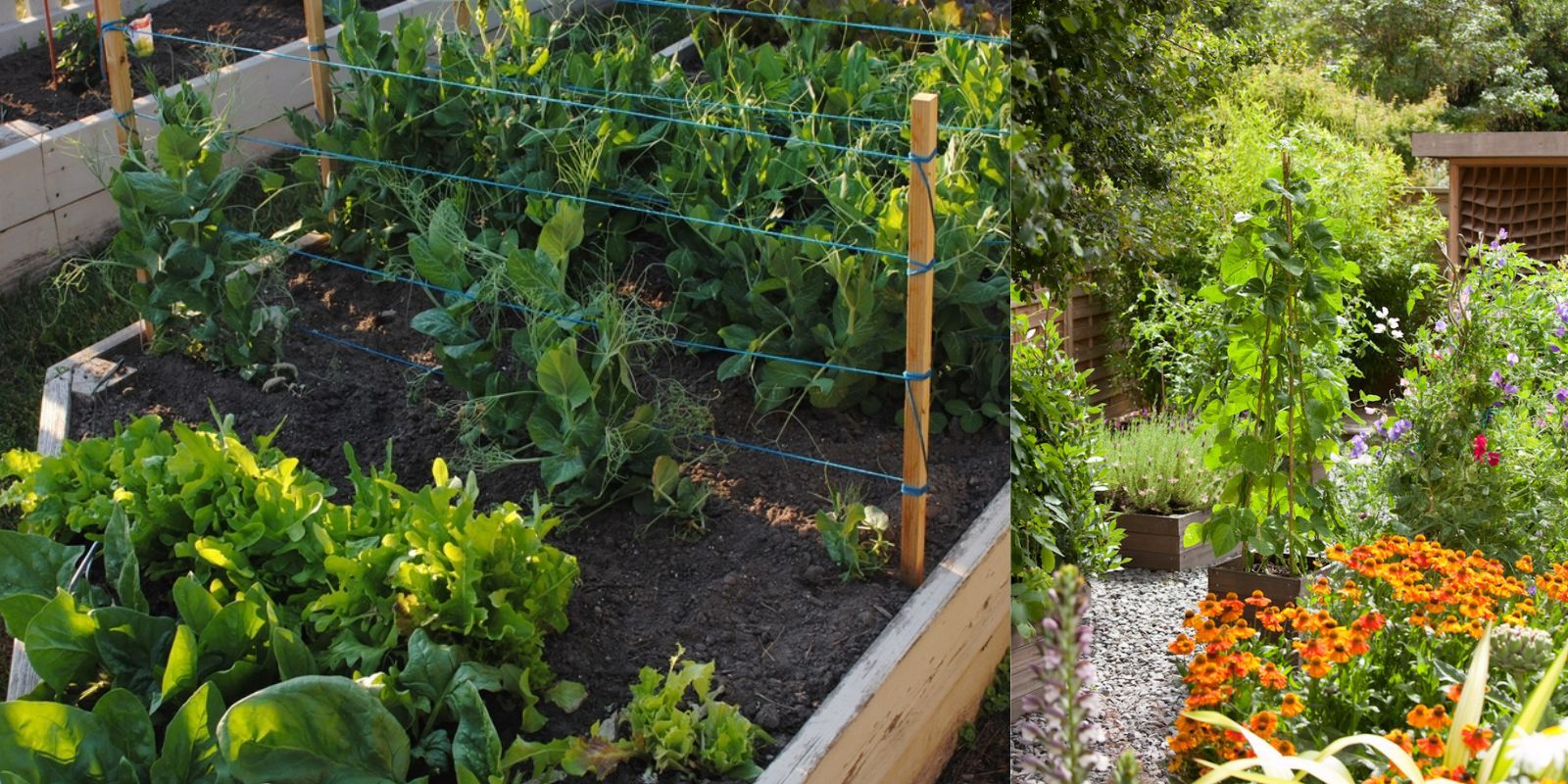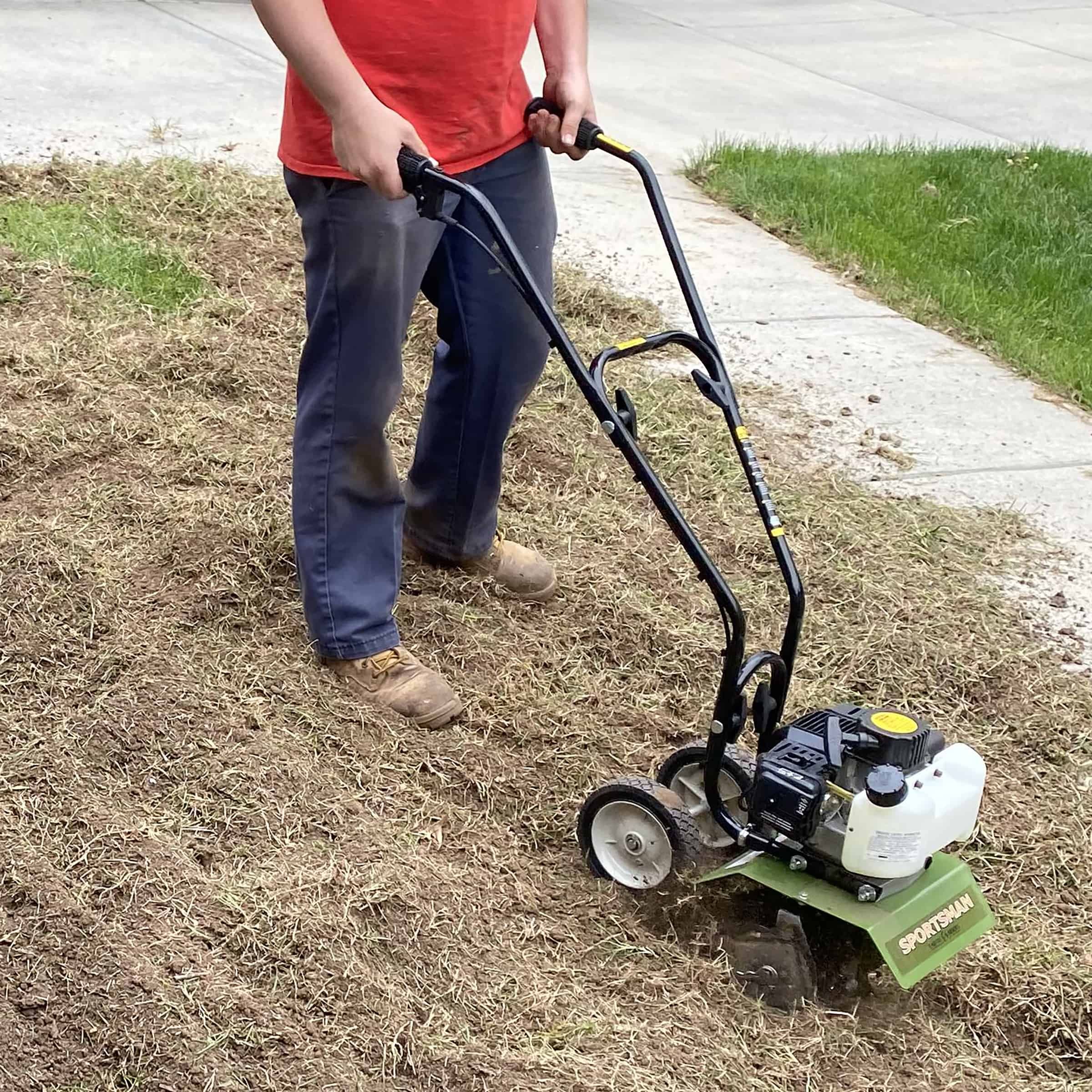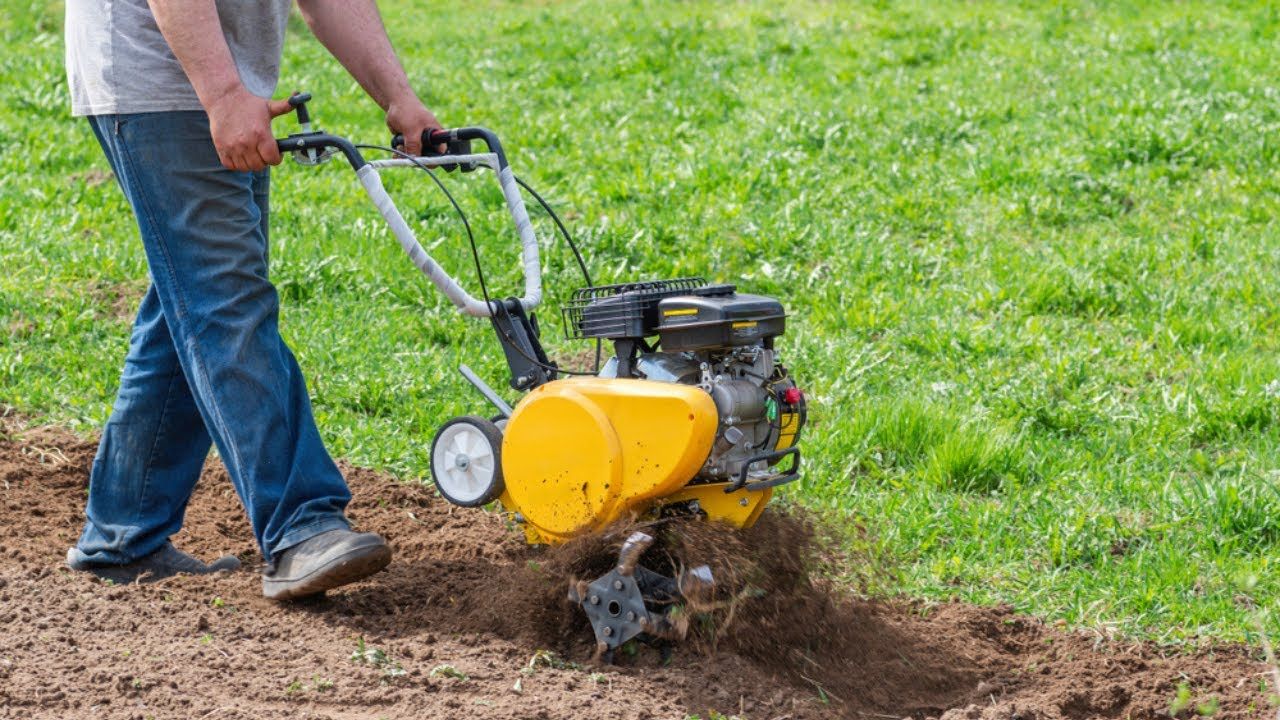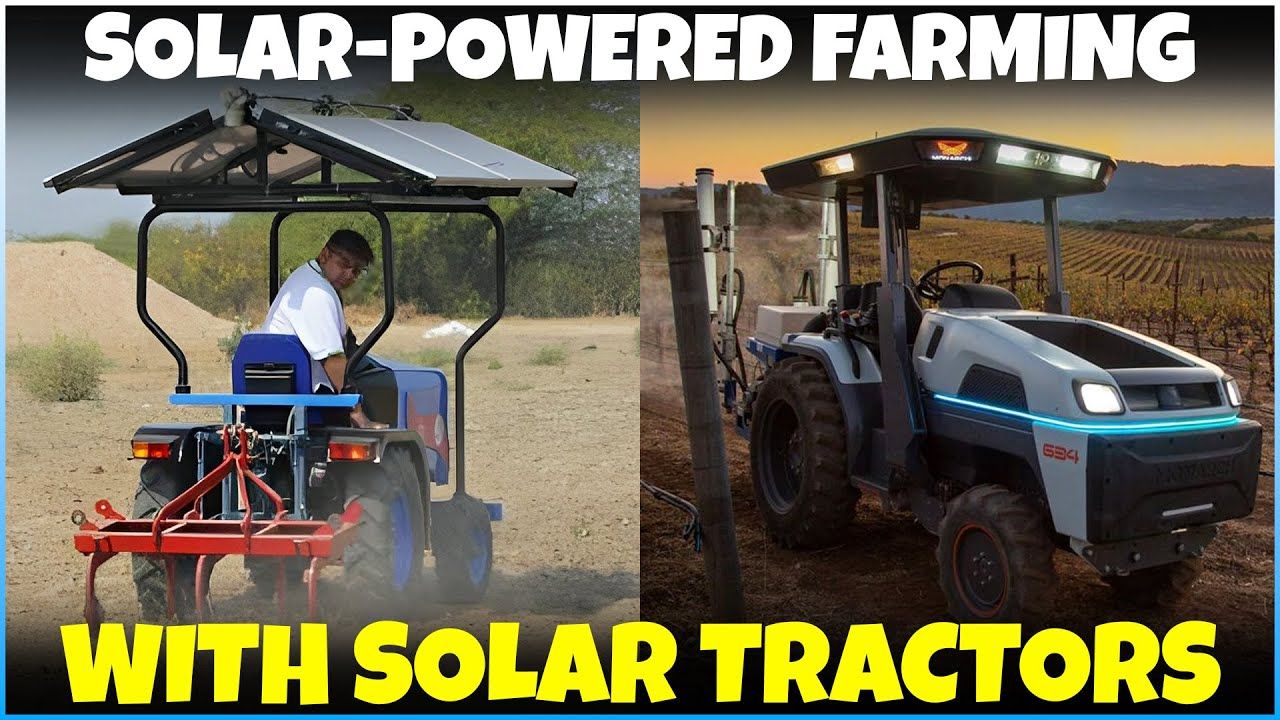
Imagine a garden where the soil gets turned without a noisy gas engine, where your hands don’t get tired from endless digging, and where your garden works in harmony with nature instead of against it. That’s exactly what solar-powered garden tillers promise to deliver. These innovative tools are quietly transforming how we approach gardening, one sun-drenched plot at a time.
Gardening has always been about working with nature rather than fighting it. But let’s be honest – traditional gardening tools often feel like they’re working against us. Heavy, gas-guzzling tillers that make noise like angry bees? They’re not just inconvenient, they’re environmentally questionable too. Enter solar-powered garden tillers – a modern solution that’s as practical as it is planet-friendly. These machines represent more than just a new way to prepare soil; they’re part of a larger movement toward sustainable living that’s taking root in gardens across the country. From small backyard plots to large community spaces, these solar-powered marvels are proving that you don’t have to sacrifice efficiency for environmental responsibility.
What Makes Solar Garden Tillers Different?
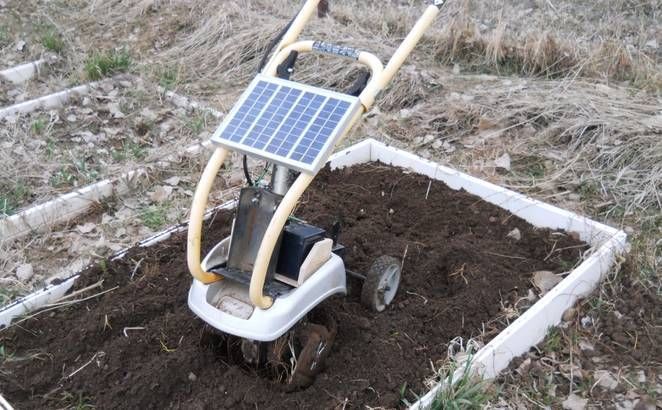
Solar garden tillers might look similar to their gas-powered cousins at first glance, but they’re fundamentally different in how they operate and what they offer. Instead of relying on gasoline or electricity from the grid, these machines harness the power of sunlight through photovoltaic panels. This means they can work anywhere there’s adequate sunshine, even in remote areas where electrical outlets might not exist.
The key differences go beyond just power source. Traditional tillers often require frequent maintenance, including oil changes, spark plug replacements, and fuel storage. Solar tillers eliminate all of this. There are no fuel costs, no oil changes, and no messy gas stations. The simplicity is remarkable. You simply place the tilling machine in the sun, wait for it to charge, and then get to work. It’s like having a tiny solar farm right in your garden.
One major advantage that many people overlook is the quiet operation. Gas-powered tillers can be incredibly loud, sometimes reaching 90 decibels or more. That’s about the same volume as a lawnmower or power drill. Solar tillers operate almost silently, which means less noise pollution for neighbors and less stress on your ears. Imagine working in your garden early in the morning without disturbing the peace. It’s a luxury many gardeners never realized they were missing.
Environmental Benefits and Sustainability
The environmental impact of solar garden tillers extends far beyond just reducing emissions. When you think about it, every garden tool you use has an ecological footprint. Gas-powered equipment contributes to air pollution, releases harmful chemicals into the atmosphere, and requires ongoing fuel production. Solar tillers completely sidestep these issues.
Consider the carbon footprint. A typical gas-powered tiller can emit between 20-40 pounds of CO2 per hour of operation. Multiply that by the hundreds of hours most gardeners spend tilling each season, and you’re looking at significant emissions. Solar tillers produce zero direct emissions during operation. The energy comes from the sun, which is renewable and abundant.
Additionally, solar tillers reduce dependency on fossil fuels. As we move toward a more sustainable future, every reduction in fossil fuel consumption helps. These machines also contribute to cleaner waterways since they don’t leak oil or release pollutants that might end up in local streams. Many gardeners report feeling more connected to their environment when using solar tools because they’re actively participating in solutions rather than contributing to problems.
The sustainability aspect also includes longevity. Solar tillers typically have fewer moving parts than gas models, which means they’re less prone to breakdowns and can last longer with proper care. When they do eventually need replacement, the components are often more recyclable than those found in traditional machinery.
Practical Advantages for Gardeners
Beyond the environmental benefits, solar garden tillers offer numerous practical advantages that make them appealing to both novice and experienced gardeners. One of the most significant perks is portability. Unlike gas-powered models that require fuel storage and often weigh 60+ pounds, solar tillers are typically much lighter and easier to maneuver. Many models weigh under 30 pounds, making them manageable for smaller gardeners or those with physical limitations.
The ease of use is another standout feature. Most solar tillers come with simple controls and don’t require extensive mechanical knowledge to operate. No need to remember to prime the engine, check oil levels, or worry about fuel mixing ratios. Just set up the machine, ensure it’s receiving sunlight, and start working. For busy gardeners, this simplicity saves valuable time and mental energy.
Cost savings add up quickly over time. While the initial investment might be higher than basic manual tools, solar tillers pay for themselves through reduced maintenance costs and elimination of fuel expenses. A single gallon of gas can cost $3-5, depending on location, and most gardeners use multiple gallons during peak seasons. Over several years, these savings become substantial.
There’s also the matter of accessibility. Many gardeners find that solar tillers allow them to work in areas they couldn’t before. The ability to position the machine in optimal sunlight locations means you can till even in challenging spots. Some models are designed specifically for tight spaces or uneven terrain, making them ideal for urban gardeners with limited space.
How Solar Technology Works in Practice
Understanding how solar technology translates into real-world gardening performance reveals some fascinating engineering. Modern solar garden tillers use high-efficiency photovoltaic cells that convert sunlight into electricity with remarkable effectiveness. These cells are typically mounted on the machine’s top surface, often integrated into a protective cover that also provides shade for the operator.
The conversion process works by capturing photons from sunlight and generating direct current (DC) electricity. This DC power is then converted to alternating current (AC) through an inverter built into the machine. The electricity powers the motor that drives the tilling mechanism. Some models also include battery storage systems that allow for continued operation even on cloudy days or during peak usage times.
The charging process is straightforward but requires attention to positioning. Most solar tillers perform best when placed in direct sunlight for 4-6 hours before use. This allows the batteries to reach full capacity and ensures consistent performance during tilling operations. Many newer models include indicator lights or digital displays that show charging status and battery levels.
Real-world testing shows that these machines can handle most standard gardening tasks effectively. Soil conditions vary, and different models have varying power capabilities, but modern solar tillers can manage typical garden soils quite well. Some are specifically designed for heavy clay soils while others excel in lighter sandy conditions. The key is matching the right model to your specific needs and soil type.
Choosing the Right Solar Tiller for Your Garden
Selecting the appropriate solar garden tiller involves considering several factors that align with your specific gardening situation. Size matters significantly – if you have a small backyard garden, you don’t need the power of a commercial-grade model. However, if you’re planning to till large areas or work with particularly tough soil conditions, you’ll want something more robust.
Power requirements are crucial. Most solar tillers range from 500 to 1500 watts, with higher wattage typically offering better performance. But remember, more power isn’t always better – it also means larger batteries, heavier machines, and potentially higher costs. Look for models that match your typical gardening tasks. For example, if you primarily work with raised beds or small containers, a lower-wattage model might be sufficient.
Battery capacity affects how long you can work without recharging. Some models offer 2-4 hours of continuous operation after a full charge, while others can run for 6-8 hours. Consider your average gardening sessions and choose accordingly. If you tend to work in shorter bursts, a smaller battery might be fine. For longer projects, invest in a model with more capacity.
Additional features like adjustable tilling depth, variable speed settings, and ergonomic handles can significantly improve your experience. Some models also include features like LED lights for early morning or evening work, and compact designs that make storage easy. Price ranges vary considerably, so determine your budget and prioritize the features that matter most to you.
Future Developments and Innovations
The field of solar garden tillers continues to evolve rapidly, with innovations appearing regularly that promise to make these tools even more effective and user-friendly. One exciting trend is the development of smart technology integration. Some newer models now include sensors that monitor soil conditions and adjust tilling depth automatically. Others feature smartphone connectivity that allows users to track usage, monitor battery life, and even receive maintenance reminders.
Energy efficiency improvements are another area of active development. Engineers are working on more efficient solar panels and better battery management systems. These advancements mean longer operational times, faster charging, and better performance in less-than-ideal weather conditions. Some manufacturers are experimenting with flexible solar panels that can conform to various surfaces, maximizing energy capture.
The next generation of solar tillers may also incorporate artificial intelligence to optimize performance based on soil type and garden conditions. Imagine a machine that learns your gardening habits and adjusts its operation accordingly. This kind of adaptive technology could make gardening even more efficient and enjoyable.
Integration with other sustainable gardening technologies is also emerging. Some companies are developing solar tillers that work seamlessly with composting systems, irrigation controllers, and even weather monitoring devices. These interconnected systems create a holistic approach to sustainable gardening that goes far beyond individual tools.
Solar-powered garden tillers represent more than just a new tool – they embody a shift in how we think about gardening and our relationship with the environment. These machines offer practical benefits that appeal to gardeners of all levels, from beginners just starting their green journey to experienced horticulturists looking for more efficient methods. The combination of environmental consciousness, practicality, and innovation makes them an increasingly attractive choice for anyone serious about sustainable gardening.
As technology continues to advance, we can expect even more sophisticated and user-friendly models to emerge. The future looks bright for gardeners who want to work efficiently while protecting the planet they love. Whether you’re tending a small container garden or managing a large vegetable plot, a solar-powered tillers offers a path toward more sustainable and enjoyable gardening practices. The sun is shining, and it’s time to put that power to work in our gardens. Who knows? Your next great garden success story might just begin with a solar-powered tilling session.