Gardening isn’t just about growing beautiful plants and vegetables. It’s also about making choices that protect our planet. When it comes to tools, especially something as fundamental as a hand trowel, the decisions we make can have lasting impacts. Think about it – every time you dig, plant, or move soil, you’re interacting with the earth itself. The right tool makes all the difference, not just for your garden, but for the environment too.
Whether you’re a seasoned gardener or someone who just wants to grow a few herbs on their windowsill, having the right tools is essential. But in today’s world, we’re increasingly thinking about sustainability and environmental impact. A garden hand trowel might seem like a simple item, but choosing one that’s eco-friendly means making thoughtful decisions about materials, manufacturing, and longevity. This guide will walk you through everything you need to consider when shopping for your next sustainable trowel. It’s not just about what’s good for your plants – it’s about what’s good for the planet.
Understanding What Makes a Trowel Eco-Friendly
An eco-friendly trowel isn’t just about being made from recycled materials. It’s about considering the entire lifecycle of the tool. That includes how it was manufactured, what materials were used, and how it will be disposed of. Some manufacturers use sustainable practices, like sourcing wood from responsibly managed forests, while others might use recycled metals. The blade material matters too – stainless steel is durable and recyclable, whereas plastic options might break down faster. You’ll want to look for certifications like FSC (Forest Stewardship Council) for wood handles or recycled content labels on metal parts. These small details add up to make a big difference. Consider also the tool’s expected lifespan – a well-made trowel that lasts years is far better than one that needs replacing every few months.
Key Materials to Look For
When examining trowels, pay attention to what they’re made from. Wood handles offer a classic feel and are biodegradable, but they require more maintenance. Look for hardwoods like ash or hickory that are naturally resistant to moisture. Metal blades should ideally be made from stainless steel or recycled aluminum. Avoid trowels with plastic components unless they’re made from recycled plastic. Some brands now offer trowels with bamboo handles, which are both sustainable and strong. The blade material is crucial – stainless steel is rust-resistant and long-lasting, while carbon steel may rust but offers excellent edge retention. The handle should feel comfortable in your hand and not cause fatigue during extended use. A well-designed trowel balances durability with comfort, ensuring you won’t want to replace it anytime soon.
Durability and Longevity Factors
A quality trowel should last for many seasons. Look for trowels with reinforced blade edges and solid construction. Check if the blade is properly attached to the handle – loose connections mean trouble down the road. A good trowel will have a sharp edge that stays sharp for a long time. Some manufacturers offer warranties, which can be a sign of confidence in their product. Consider the weight too – a trowel that’s too light might not give you enough leverage, while one that’s too heavy can cause arm fatigue. The right balance depends on your gardening style. If you’re doing lots of digging in tough soil, you’ll want something substantial. For lighter tasks like transplanting seedlings, a lighter option might suffice. Think about how often you’ll use it and what conditions it will face – extreme temperatures, moisture, and soil types all affect tool life.
Eco-Friendly Manufacturing Practices
Beyond materials, consider the production process. Companies that prioritize sustainability often minimize waste during manufacturing. They might use renewable energy sources or implement recycling programs for their production scraps. Some manufacturers even offset their carbon footprint through reforestation projects or renewable energy investments. Transparency matters – companies that openly share their manufacturing processes and environmental impact are usually more trustworthy. Ask questions about their supply chain, packaging, and shipping methods. Many sustainable trowel makers use minimal packaging or biodegradable materials for shipping. You might find that the company’s overall mission aligns with your values, which adds extra meaning to your purchase. The story behind the tool can be as important as its function.
Size and Design Considerations
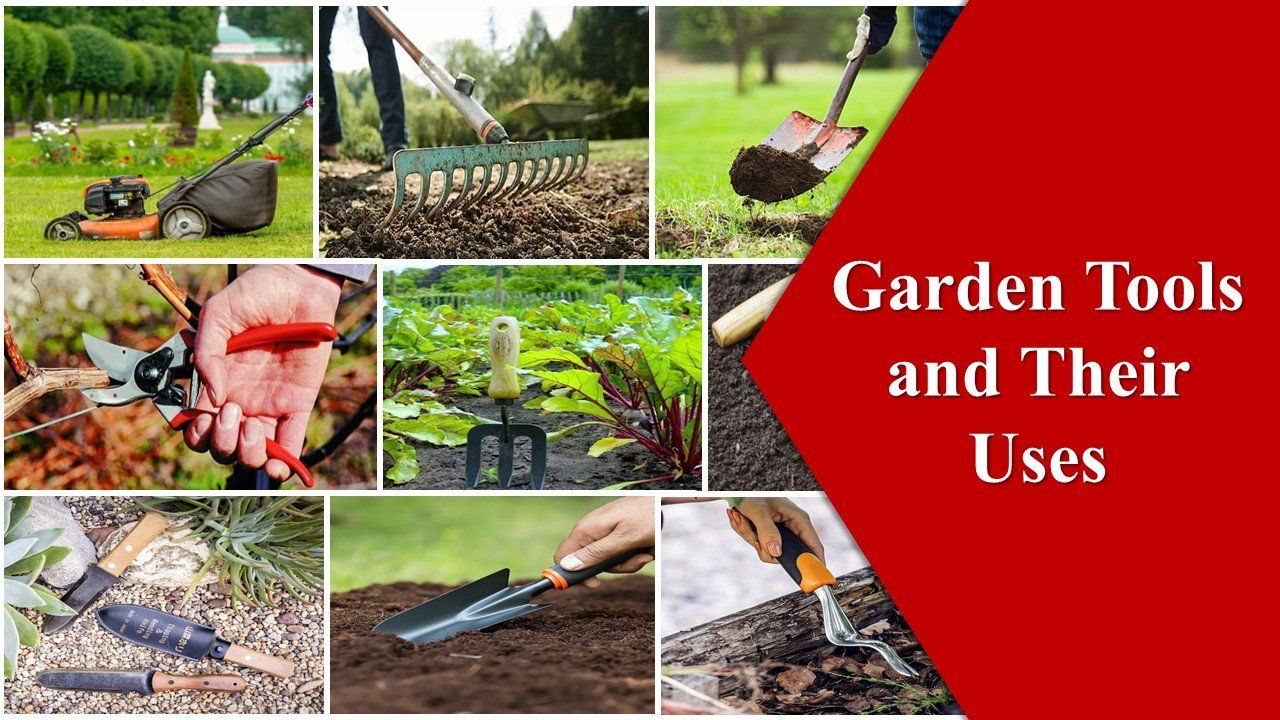
Not all trowels are created equal in terms of size and shape. The blade length typically ranges from 4 to 8 inches, with shorter ones better for precision work and longer ones for bigger tasks. The width of the blade affects how much soil you can move at once. A wider blade works well for digging holes, while a narrower one is better for delicate planting. Handle length varies too – some are designed for kneeling, others for standing. Consider your physical comfort and gardening style. Ergonomic designs reduce strain on your hands and wrists, which is especially important if you garden regularly. Some trowels feature textured grips to prevent slipping, particularly useful when working in wet conditions. The angle of the blade also matters – a straight edge works best for general digging, while a curved edge is better for edging around plants.
Budget and Value Assessment
Eco-friendly trowels often cost more upfront, but they’re worth the investment. Consider what you’ll use it for and how frequently. A premium trowel that lasts 10 years is far more economical than buying cheap ones every few months. Factor in the cost of replacement parts, if applicable. Some companies offer blade replacements, extending the life of your trowel significantly. Look for deals during seasonal sales or when manufacturers release new models. Many online retailers offer reviews from real users, which can help you determine if a particular trowel offers good value. Price shouldn’t be the only factor – sometimes spending a bit more gets you a tool that performs better and lasts longer. Remember, the most expensive isn’t always the best, but the cheapest often proves to be the most costly over time.
Choosing an eco-friendly garden hand trowel is more than just a shopping decision – it’s a commitment to sustainable gardening practices. By considering materials, durability, manufacturing practices, and design features, you’re making choices that benefit both your garden and the environment. Take time to evaluate what you need and what matters most to you. Whether you prioritize long-term durability, specific materials, or ethical manufacturing, there’s likely a trowel out there that fits your criteria. The key is to think beyond the immediate purchase and consider how the tool will serve you over time. Your garden will thank you, and so will future generations who will inherit the Earth we’re trying to protect today. Remember, every small step toward sustainability counts.