Picture this: You’re standing in your backyard, watching your plants wilt under the summer sun. Your garden needs water, but you’re wondering which system will give you the most bang for your buck. Is it time to go solar-powered, or should you stick with the tried-and-true traditional approach? This isn’t just about choosing between two watering methods—it’s about finding the right balance of efficiency, cost, and environmental impact for your specific situation.
When it comes to keeping your garden healthy and thriving, watering systems play a crucial role. Whether you’re a seasoned gardener or someone who just wants their plants to survive the hot months, choosing the right sprinkler system matters. There are two main contenders in the market: solar-powered systems and traditional electric sprinklers. Each has its own set of advantages and disadvantages, and the choice often depends on factors like your budget, the size of your garden, and how much time you want to spend maintaining your setup. Let’s dive into what makes each option tick and see which one might be the better fit for your outdoor space.
How Solar Sprinkler Systems Work
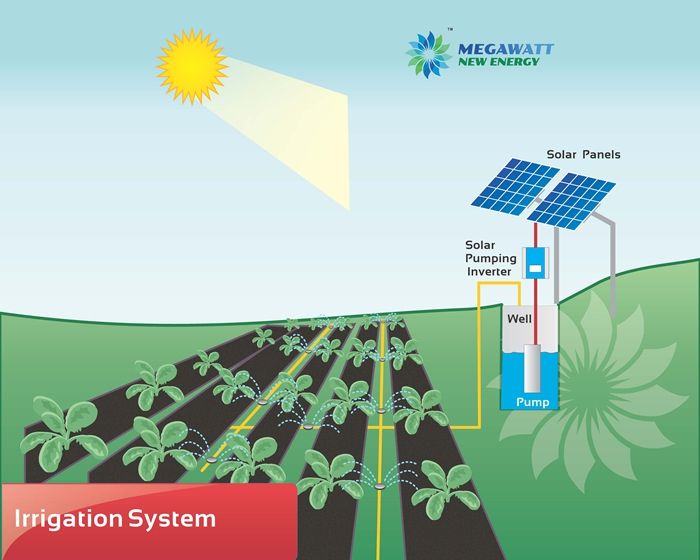
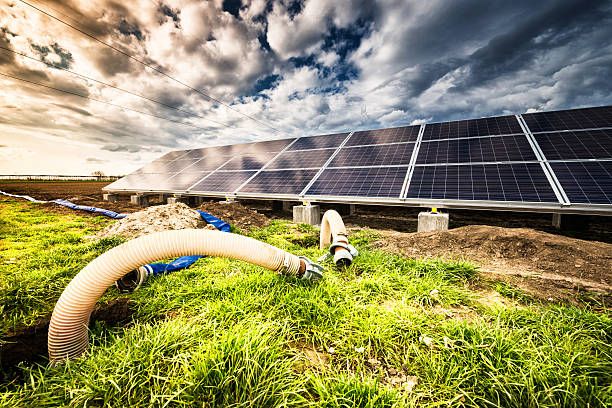
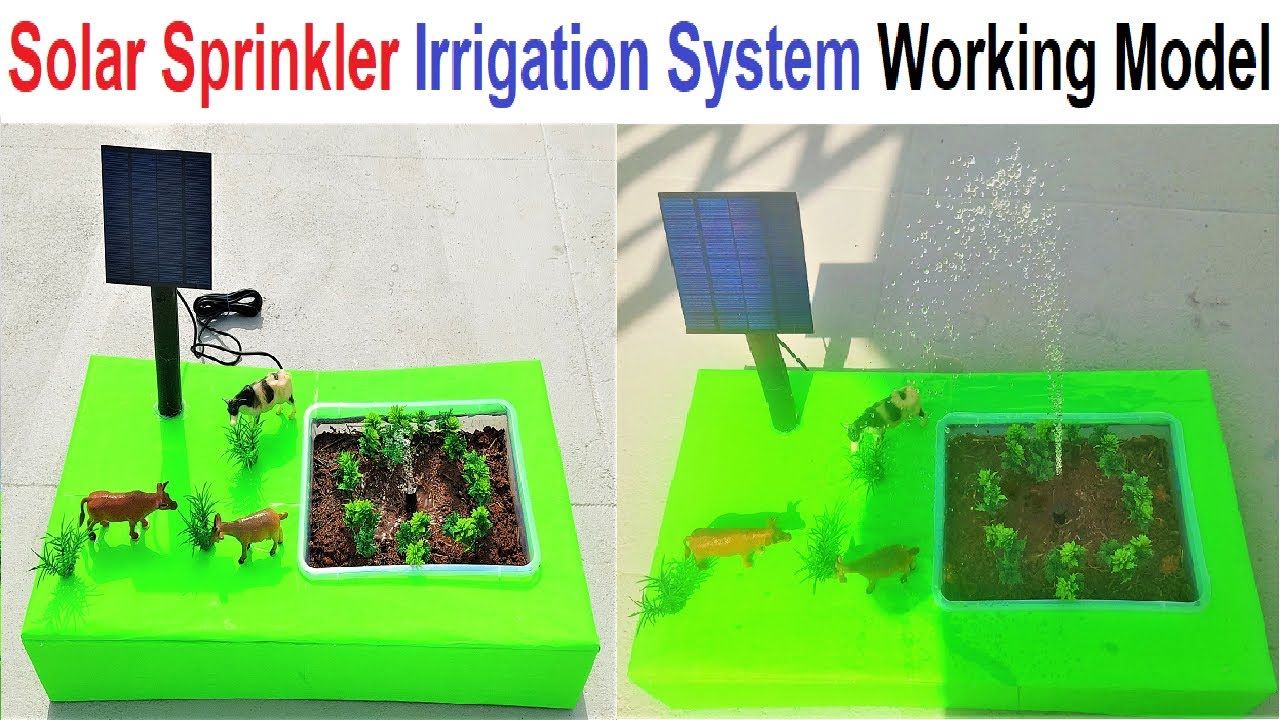
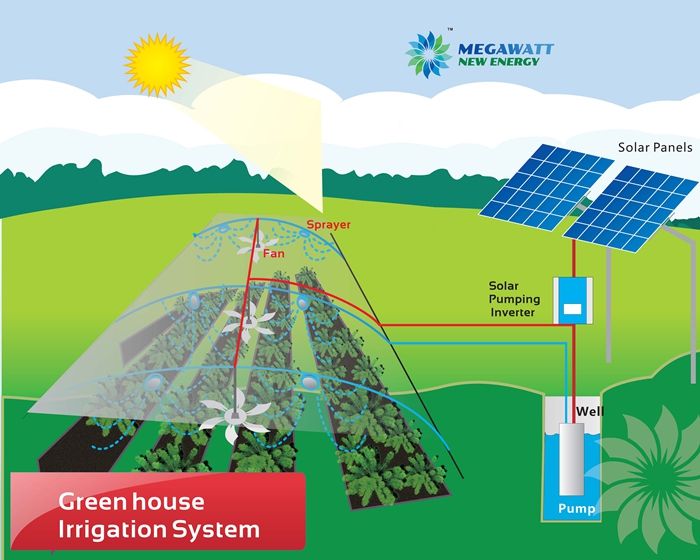
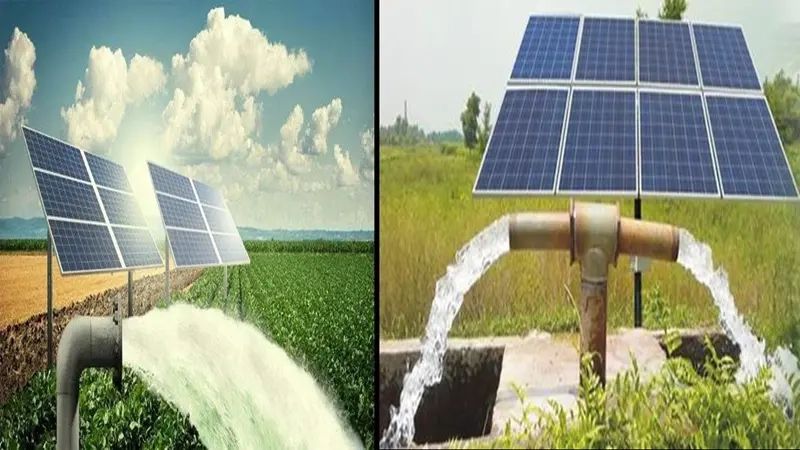
Solar sprinkler systems are a clever blend of renewable energy and garden care. These systems harness sunlight through photovoltaic panels to power the pump and control mechanisms. During the day, the panels collect energy and store it in rechargeable batteries. When it’s time to water your garden, the stored energy powers the system to operate the sprinklers. The beauty of this setup lies in its independence from electrical outlets. You can place these systems anywhere in your yard without worrying about extension cords or nearby power sources. For instance, if you have a large garden with multiple zones, a solar system allows you to run different sections without the hassle of running electrical wires throughout your property. The technology has become quite sophisticated, with many models featuring smart controllers that can adjust watering schedules based on weather conditions and soil moisture levels.
Traditional Electric Sprinkler Systems Explained
Traditional electric sprinkler systems are the classic choice that many homeowners have relied on for decades. These systems require a direct connection to your home’s electrical supply, usually through a dedicated circuit or timer. The power source drives the pump, which pushes water through pipes and out of the sprinkler heads. They’re typically more powerful than their solar counterparts, which means they can cover larger areas or provide higher water pressure. A typical electric system might include a timer controller, pressure regulator, and various valves to manage water flow. These systems are well-established, with plenty of support and service options available. If you have a small to medium-sized garden, an electric system might offer more consistent performance and easier troubleshooting when problems arise. The downside? You’ll need to ensure there’s a reliable power source near your irrigation zone, which might mean installing electrical conduits or dealing with outdoor wiring.
Cost Analysis: Upfront Investment and Long-Term Savings
The initial cost difference between solar and electric systems can be significant. Solar systems generally start at around $300 to $800 for basic setups, while quality electric systems range from $200 to $1,000 depending on complexity. However, the long-term financial picture tells a different story. Solar systems require no electricity bills, which can save homeowners hundreds of dollars annually. Some models even feature battery backup systems, ensuring operation during cloudy days or power outages. Electric systems, while cheaper upfront, will continue to incur electricity costs every month. The savings from solar systems compound over time, especially in regions with high electricity rates or abundant sunshine. Consider a family with a 1,000 square foot lawn that uses their sprinkler system 30 minutes daily. Over five years, the electric system could cost roughly $400 in electricity alone, while a solar system would pay for itself within two to three years.
Performance and Efficiency Comparison
When it comes to performance, both systems have their strengths. Electric systems tend to deliver more consistent water pressure and can handle larger volumes of water, making them ideal for bigger lawns or areas with challenging terrain. They’re also less affected by weather conditions, providing reliable operation regardless of cloud cover or seasonal changes. Solar systems, however, have made impressive strides in efficiency. Modern models can operate effectively even in partial shade and often include features like programmable timers and moisture sensors. Some high-end solar systems can even integrate with smart home networks, allowing remote monitoring and adjustments via smartphone apps. A practical example might be a homeowner who lives in a sunny climate and has a moderate-sized garden. They’d likely find the solar system delivers excellent performance with minimal maintenance. But for someone in a rainy region with a large property, an electric system might prove more dependable.
Maintenance Requirements and Lifespan
Maintenance needs vary considerably between the two systems. Solar systems require minimal upkeep, primarily involving cleaning the solar panels to remove dust and debris that might block sunlight. Most solar systems come with warranties ranging from 5 to 10 years, with some lasting even longer. The electronic components are generally robust and designed to withstand outdoor conditions. Electric systems, while more complex, offer easier troubleshooting when issues arise. Regular maintenance includes checking connections, inspecting hoses for wear, and occasionally replacing worn-out parts like sprinkler heads or valves. The lifespan of electric systems typically ranges from 10 to 15 years, assuming proper installation and regular care. However, the complexity of electrical components can sometimes lead to more frequent repairs. For instance, a broken timer or motor in an electric system might require professional attention, whereas a solar system’s simpler design often means DIY fixes for common problems.
Environmental Impact and Sustainability
From an environmental standpoint, solar systems clearly take the lead. They produce zero emissions during operation and rely entirely on renewable energy sources. This makes them particularly appealing for eco-conscious homeowners looking to reduce their carbon footprint. Solar systems also eliminate the need for electrical grid power, which reduces overall energy consumption. Electric systems, while efficient in their operation, contribute to electricity demand and associated emissions from power generation. However, it’s worth noting that electric systems can be powered by renewable sources like wind or solar if you choose to do so. In terms of materials and manufacturing, both systems have environmental considerations. Solar panels are recyclable and increasingly made with sustainable materials. Electric systems, while having been produced for decades, are also becoming more environmentally friendly with modern manufacturing techniques. The choice between the two ultimately reflects your personal values and priorities regarding environmental stewardship.
Choosing between solar and traditional garden sprinkler systems isn’t just about picking a tool—it’s about aligning your watering strategy with your lifestyle, budget, and environmental goals. Solar systems shine in areas with consistent sunshine and for homeowners who prioritize long-term savings and sustainability. They’re perfect for those who want a hands-off approach with minimal ongoing costs. Traditional electric systems remain strong contenders for properties with reliable power access and larger gardens requiring high water pressure. They offer more predictable performance and easier repair processes. The decision ultimately depends on your specific circumstances. Do you live in a sunny area with limited electrical access? Then solar might be your best bet. Are you in a region with unpredictable weather or have a large garden that needs consistent high-pressure watering? An electric system might serve you better. Either way, both options represent thoughtful approaches to garden care that can help keep your plants happy and healthy year-round. Consider your local climate, garden size, and personal preferences carefully before making your final choice.