Picture this: a pile of kitchen scraps, yard waste, and organic materials sitting in a corner of your backyard. Now imagine that same pile, transformed into rich, dark compost that makes your plants thrive. This isn’t magic – it’s the power of sustainable aerators working behind the scenes. These unsung heroes of the composting world are changing how we think about waste and turning our organic scraps into garden gold.
Composting has become more than just a hobby – it’s a movement toward sustainable living. But let’s be honest, most of us have tried composting and either given up or ended up with something that smells like a garbage dump rather than a garden paradise. What if I told you there’s a simple solution that could dramatically improve your compost results while cutting down on waste? It’s not some fancy gadget or expensive system – it’s about how you move air through your compost pile. That’s right, air. The very thing we take for granted that’s often overlooked in the composting process. When we talk about sustainable aerators, we’re talking about the difference between a pile that sits there doing nothing and one that actively transforms organic matter into nutrient-dense soil amendment.
The Forgotten Element: Why Air Matters in Composting
When you think about composting, you probably picture decomposing organic matter, right? You’re not wrong, but there’s a critical element missing from that mental image – oxygen. Yes, oxygen. Without adequate airflow, your compost pile becomes a stagnant mess. The microbes that do all the heavy lifting in breaking down organic material need oxygen to survive and thrive. Think of them like tiny workers in a factory – they work best when they have fresh air to breathe.
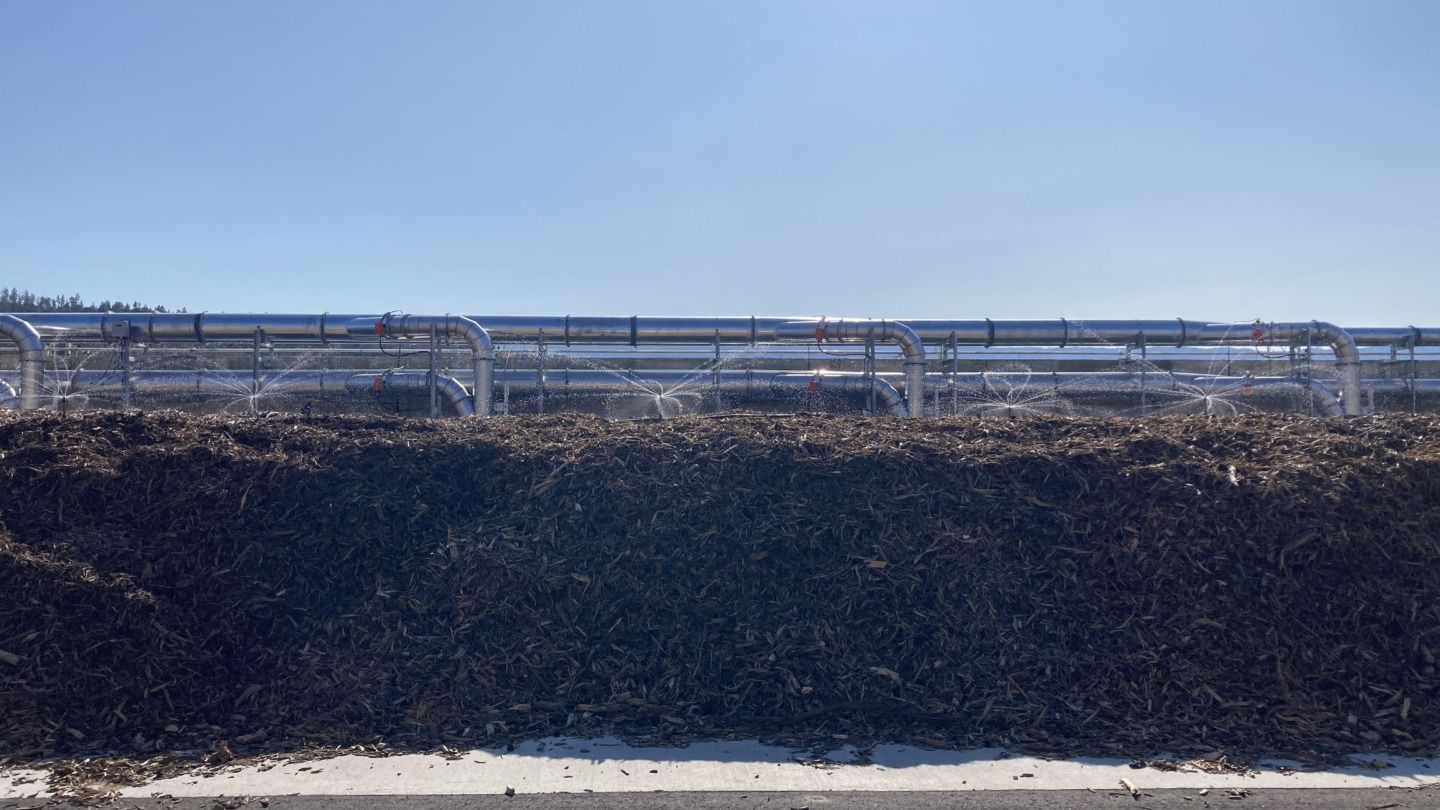
This is where sustainable aerators step in. They don’t just stir things up haphazardly – they provide controlled, consistent airflow that helps maintain the perfect conditions for decomposition. The result? Faster breakdown, less odor, and better end product. Consider this: a well-aerated compost pile can break down organic matter in 3-6 months instead of 12-18 months. That’s almost half the time, and it’s all thanks to proper air circulation. The aerobic bacteria that love oxygen work much faster than their anaerobic counterparts, which tend to produce those awful smells we associate with rotting organic matter.
Types of Sustainable Aerators: From Simple to Smart
Not all aerators are created equal. Some are basic DIY solutions, while others are high-tech systems designed for commercial applications. Let’s explore the options:
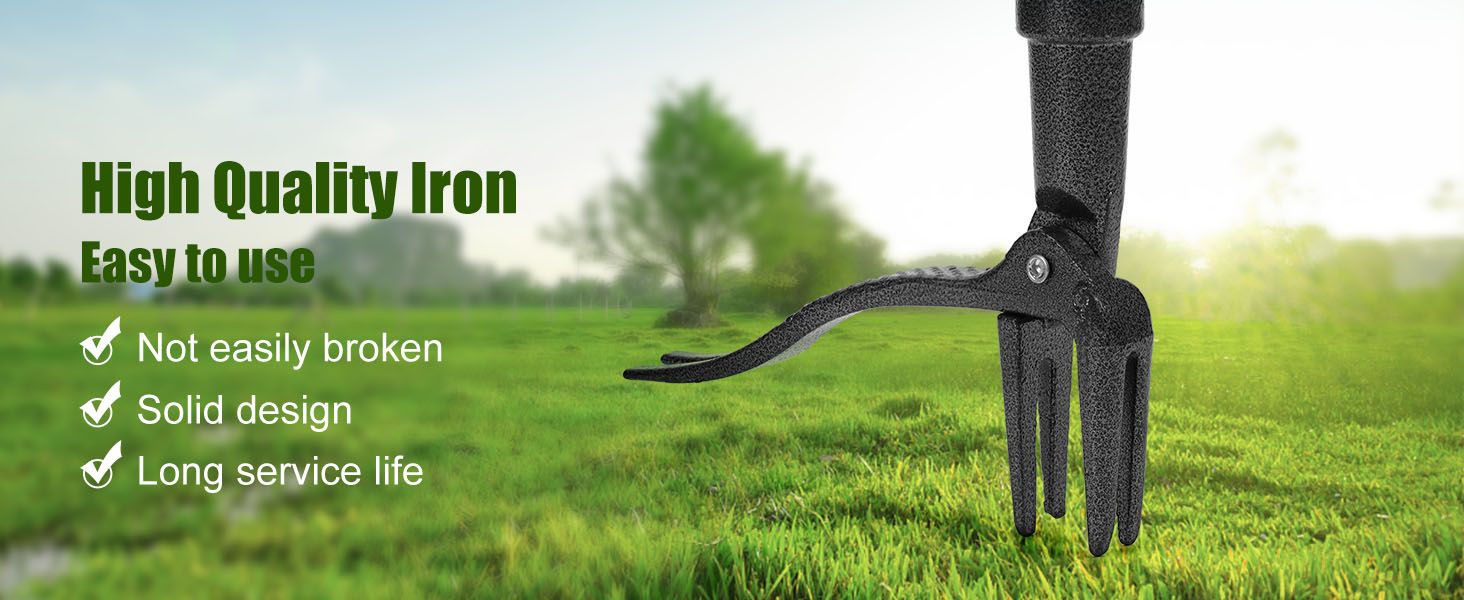
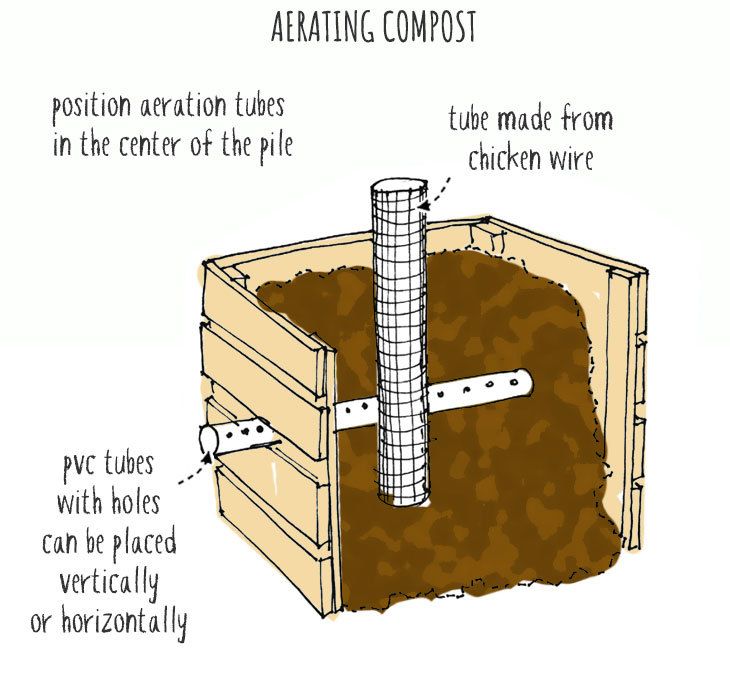
• Manual aerators: These are simple tools you can buy at any hardware store or even make yourself. They’re great for small-scale composting and give you direct control over aeration.
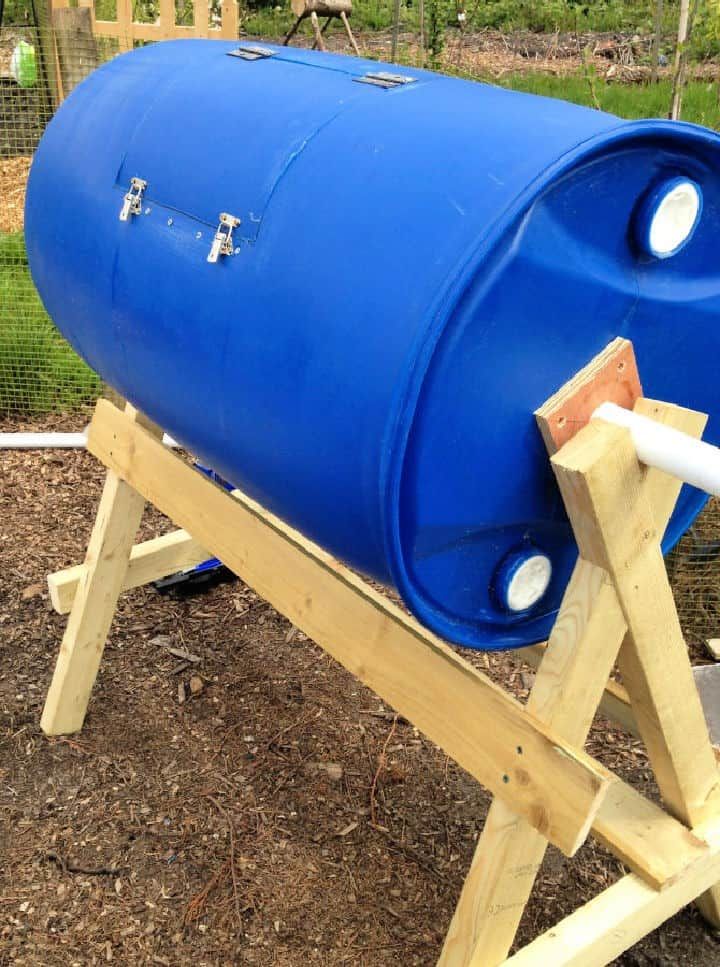
• Mechanical aerators: These range from basic rotating drums to more sophisticated systems that automatically turn compost piles. They’re ideal for larger operations.
• Passive aerators: These systems rely on natural airflow and are designed to maximize the movement of air through compost piles without requiring any mechanical intervention.
• Smart aerators: These modern systems use sensors and automation to optimize aeration based on moisture levels, temperature, and other factors. They’re perfect for serious composters who want maximum efficiency.
Each type has its place, depending on your space, budget, and goals. A simple garden composter might only need a manual aerator, while a community composting facility will benefit more from mechanical or smart systems. The key is matching the right aerator to your specific situation.
How Aerators Reduce Waste at the Source
Here’s where things get really interesting. Sustainable aerators don’t just make composting better – they make it possible. When composting works efficiently, you’re diverting significant amounts of organic waste from landfills. According to the EPA, food scraps and yard waste make up about 30% of what we throw away. That’s a lot of potential compost sitting in a landfill, producing methane gas – a potent greenhouse gas that’s 25 times worse than carbon dioxide.
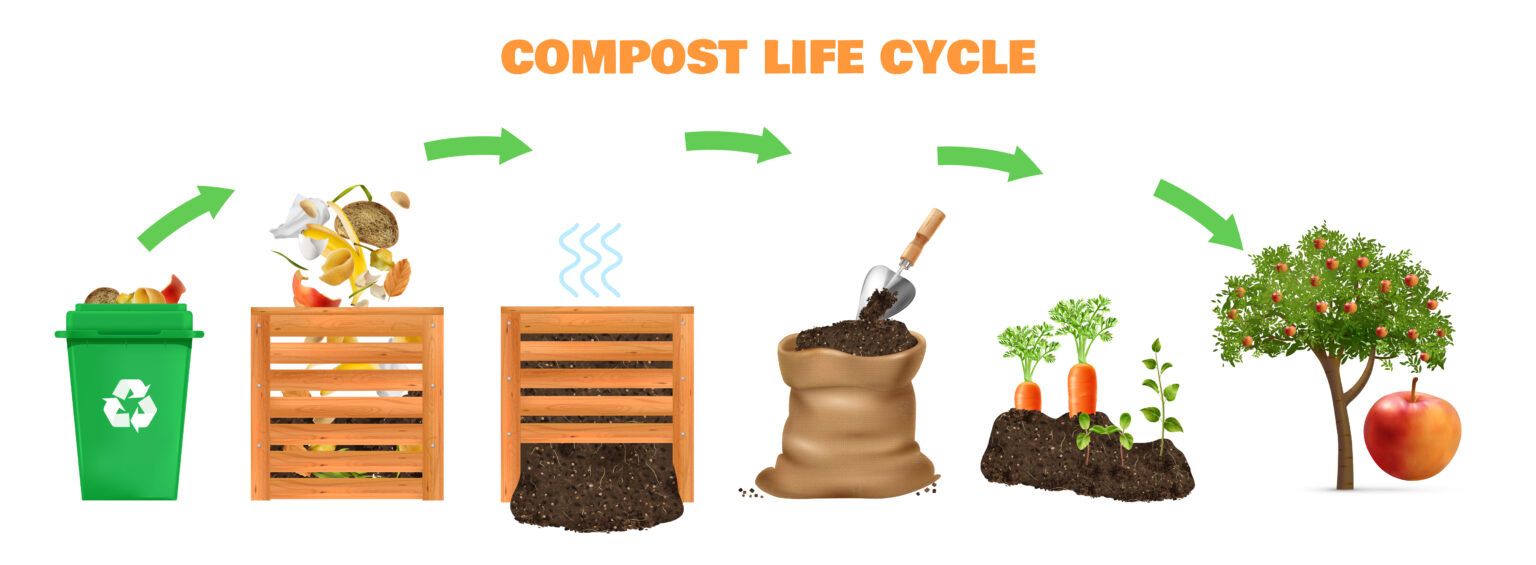
By using aerators to properly manage composting, we’re actually reducing our environmental impact. Imagine if every household in a city used aerated composting systems. The reduction in organic waste going to landfills would be substantial. Plus, the resulting compost can be used to improve soil health, reduce the need for chemical fertilizers, and support local food production. It’s a circular system that works in harmony with nature rather than against it.
The beauty of this approach is that it’s not just about reducing waste – it’s about creating something valuable from what would otherwise be discarded. Every kitchen scrap, every fallen leaf, every grass clippings gets transformed into something that benefits the environment and your garden.
Quality Improvements Through Proper Aeration
Aerators don’t just speed up the composting process – they dramatically improve the final product. Here’s what happens when you get the aeration right:
• Better texture: Properly aerated compost breaks down more evenly, creating a finer, more uniform texture that’s easier to use in gardens.
• Enhanced nutrient content: Oxygen supports beneficial microorganisms that create more complex nutrients, making the compost richer and more effective.
• Reduced pathogens: Adequate airflow helps eliminate harmful bacteria and pathogens that can be present in poorly managed compost.
• Less odor: One of the biggest complaints about composting is the smell. Good aeration eliminates the foul odors associated with anaerobic decomposition.
• Faster maturation: With proper aeration, compost reaches maturity much faster, typically in 3-6 months rather than the year or more that can happen without it.
These improvements translate directly into better gardening results. Plants grow stronger, soil holds water better, and you’ll notice the difference in your garden’s overall health. It’s like giving your garden a nutritional boost that comes from nature itself.
Real-World Applications: Case Studies in Success
Let’s look at some actual examples of how sustainable aerators have made a difference:
In Portland, Oregon, a community composting program installed automated aerators in their municipal composting facility. The result was a 40% increase in compost quality and a 60% reduction in processing time. Residents were thrilled to see their organic waste being turned into premium compost for local parks and gardens.
A small farm in Vermont upgraded from manual to mechanical aerators and saw their compost output increase from 2 tons per week to 5 tons per week. The quality improvement was equally impressive – the new compost had higher nitrogen content and better structure.
Even individual gardeners have reported dramatic changes. Sarah, a gardener in Seattle, switched from traditional composting to using a simple manual aerator. She went from having to wait 18 months for compost to getting usable material in just 4 months. Her garden flourished, and she started sharing her compost with neighbors.
These stories show that aerators work across different scales – from small backyard setups to large commercial operations. The principles remain the same: good airflow equals better compost.
Practical Tips for Getting Started
Ready to try sustainable aerators for yourself? Here are some practical steps:
• Start simple: If you’re new to composting, begin with a manual aerator or even just a garden fork. It’s inexpensive and lets you learn the basics.
• Consider your space: Small balconies might need different approaches than large yards. Measure your available space and choose accordingly.
• Monitor regularly: Aerate your pile every 1-2 weeks initially, then adjust based on how it’s progressing.
• Watch for signs: Healthy compost should smell earthy and sweet. If it smells sour or rotten, it needs more air.
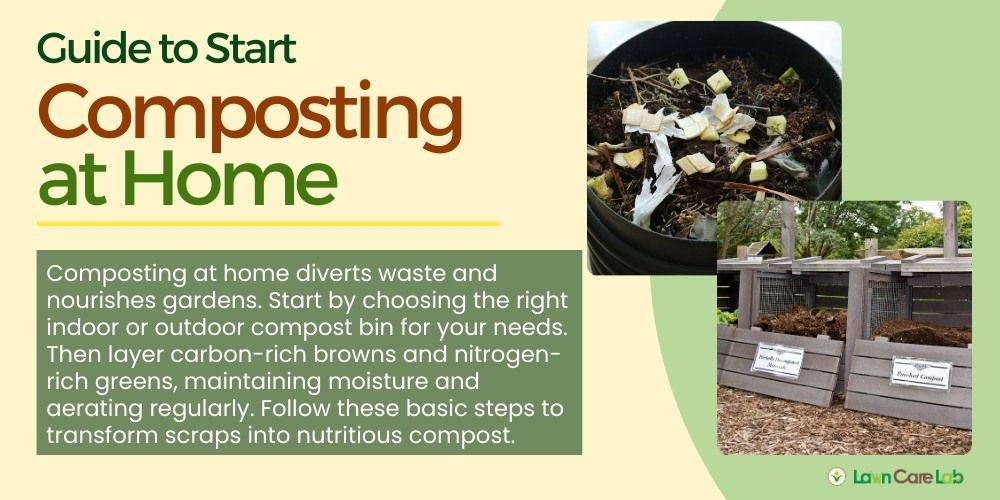
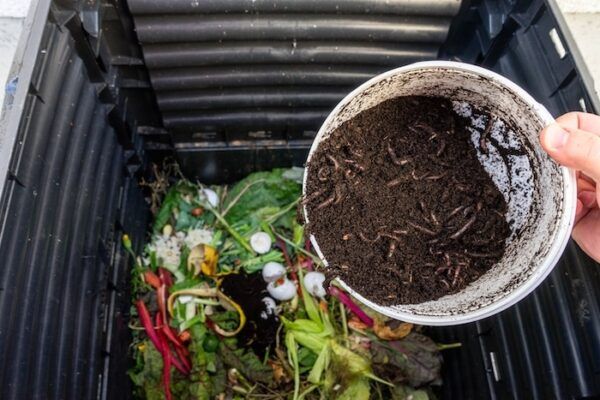
• Balance materials: Proper aeration works best when you also maintain the right ratio of greens (nitrogen-rich materials) to browns (carbon-rich materials).
• Keep moisture right: Aerators work best when the compost is moist but not soggy. Aim for the consistency of a wrung-out sponge.
• Think long-term: Investing in a good aerator is like buying a tool that pays dividends for years to come. The time saved and quality improved are worth the initial cost.
Remember, composting is a learning process. Don’t get discouraged if your first attempts aren’t perfect. Every pile teaches you something new about your materials and your local climate.
Sustainable aerators represent more than just a tool – they’re a bridge between waste and wealth, between what we discard and what we treasure. They transform our organic waste into valuable resources while teaching us about the delicate balance of nature. Whether you’re a casual gardener or a professional composting operation, the benefits of proper aeration are undeniable. The investment in a good aerator pays off not just in better compost, but in reduced waste, lower environmental impact, and healthier gardens. As we continue to grapple with waste management challenges, sustainable aerators offer a practical, proven solution that works in harmony with natural processes. So next time you’re thinking about composting, remember that the secret ingredient might not be the materials you’re adding, but the air you’re allowing to circulate through your pile. The future of composting looks bright, and it’s powered by the simple act of breathing life into our organic waste.