Picture this: you’re in the middle of your morning routine, and suddenly your toilet won’t flush. The water rises, the bowl fills, and panic sets in. What do you do? You don’t call a plumber right away. You try these emergency techniques that actually work.
Toilets are supposed to be simple. They should flush easily, quietly, and without drama. But when they don’t, it’s like having a tiny crisis in your bathroom. You’ve probably seen those viral videos of people trying to unclog toilets with ridiculous methods, but what really works? Let’s cut through the noise and get to the core of effective toilet unclogging solutions. These aren’t just tricks – they’re tried-and-true techniques used by professionals and everyday folks alike. Whether it’s a stubborn clog or a complete blockage, these methods will get you back in business.
Understanding the Basics of Toilet Clogs
Before diving into solutions, it helps to understand why toilets clog in the first place. Most clogs happen because something gets stuck in the narrow pipe that connects to the main sewer line. This could be anything from excessive toilet paper to foreign objects like toys or even feminine products. When waste can’t move freely through the pipes, it backs up and creates that familiar gurgling sound and rising water level. The key is to apply pressure or use tools that can either push the blockage forward or break it apart. Think of it like clearing a traffic jam – you either need to remove the car blocking the road or find a way to make space for the cars behind it.
The Plunger: Your First Line of Defense
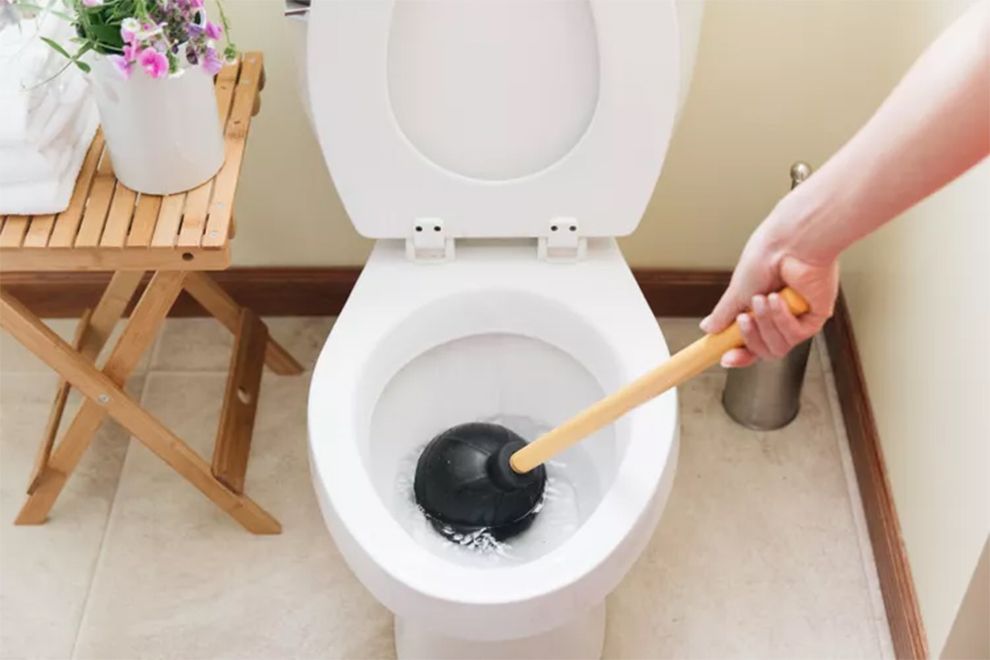
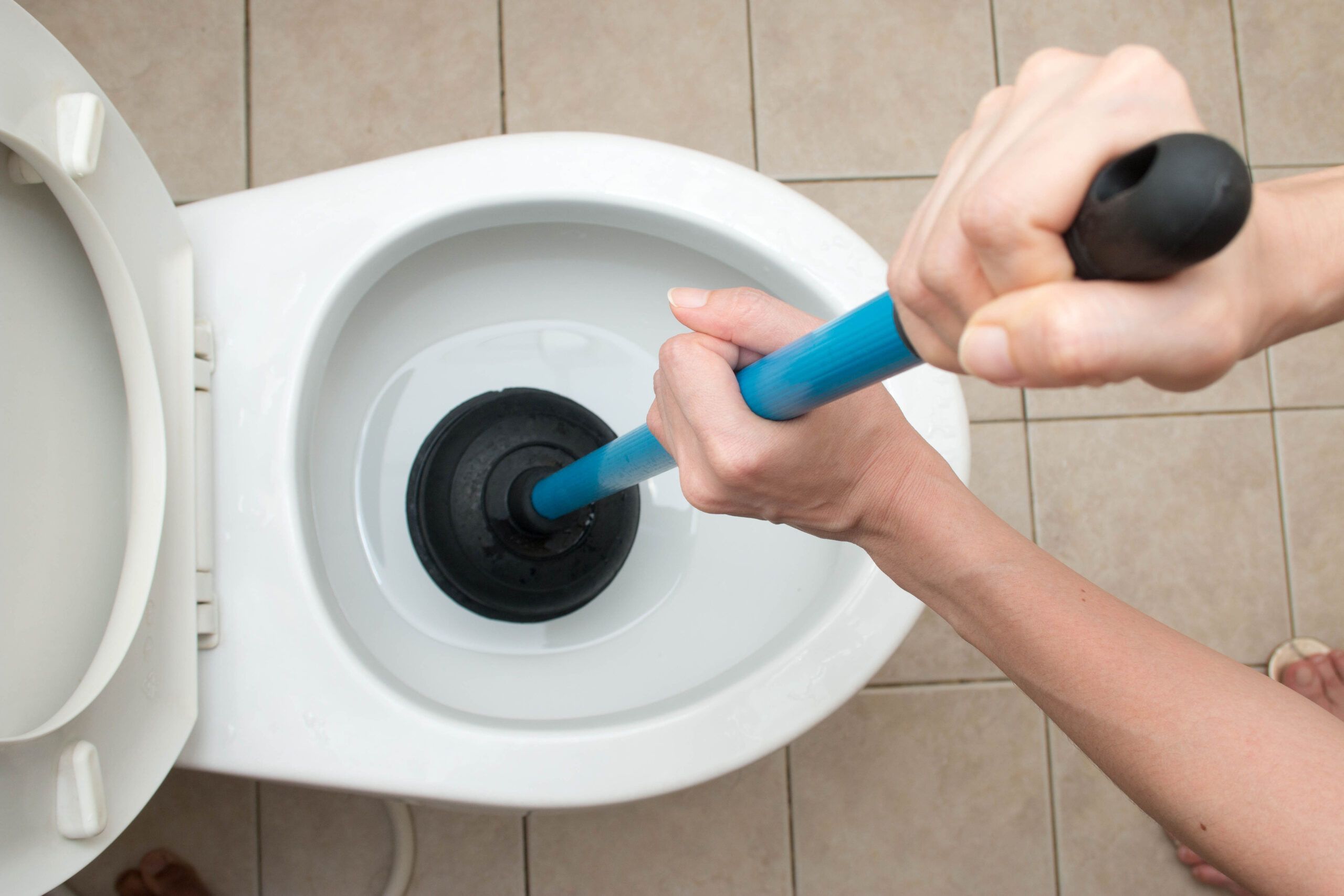
A good plunger isn’t just a bathroom accessory – it’s a lifesaver. This simple tool uses air pressure to dislodge clogs. Here’s how to do it right:
• Choose a plunger with a flange that fits snugly around the drain opening
• Fill the toilet bowl with enough water to cover the rubber cup
• Position the plunger over the drain hole
• Push down slowly and then pull up quickly
• Repeat this motion 10-15 times
The technique matters more than the tool itself. If you’re dealing with a particularly stubborn clog, try alternating between pushing down and pulling up rather than just one direction. Some people swear by doing a few quick pumps followed by slower, deeper movements. The goal is to create enough pressure to either push the blockage through or break it apart. It’s amazing how many clogs simply disappear with proper plunging.
Baking Soda and Vinegar: Natural Cleaning Power
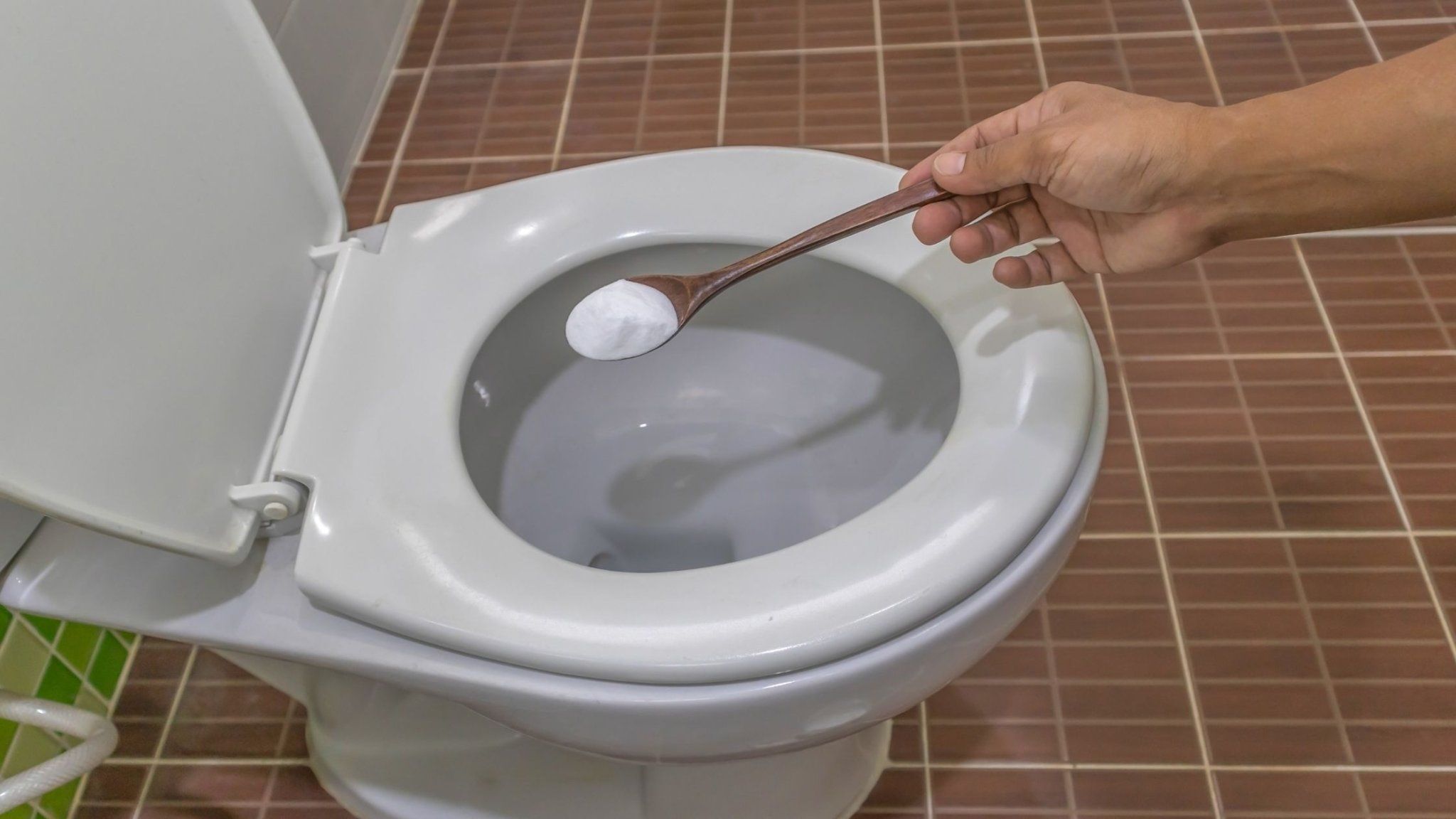
For less severe clogs or preventive maintenance, this combination works surprisingly well. It’s gentle yet effective. Here’s how to use it:
• Pour half a cup of baking soda directly into the toilet bowl
• Follow with half a cup of white vinegar
• Wait 30 minutes before flushing
The reaction between these two ingredients creates a fizzing action that helps break down organic matter. This method works especially well for hair, soap scum, and light debris. You might see some bubbling and foaming, which means the process is working. It’s not a magic solution for everything, but it’s worth trying before resorting to harsh chemicals or expensive tools. Plus, it’s environmentally friendly and safe for your pipes.
The Drain Snake: A More Direct Approach
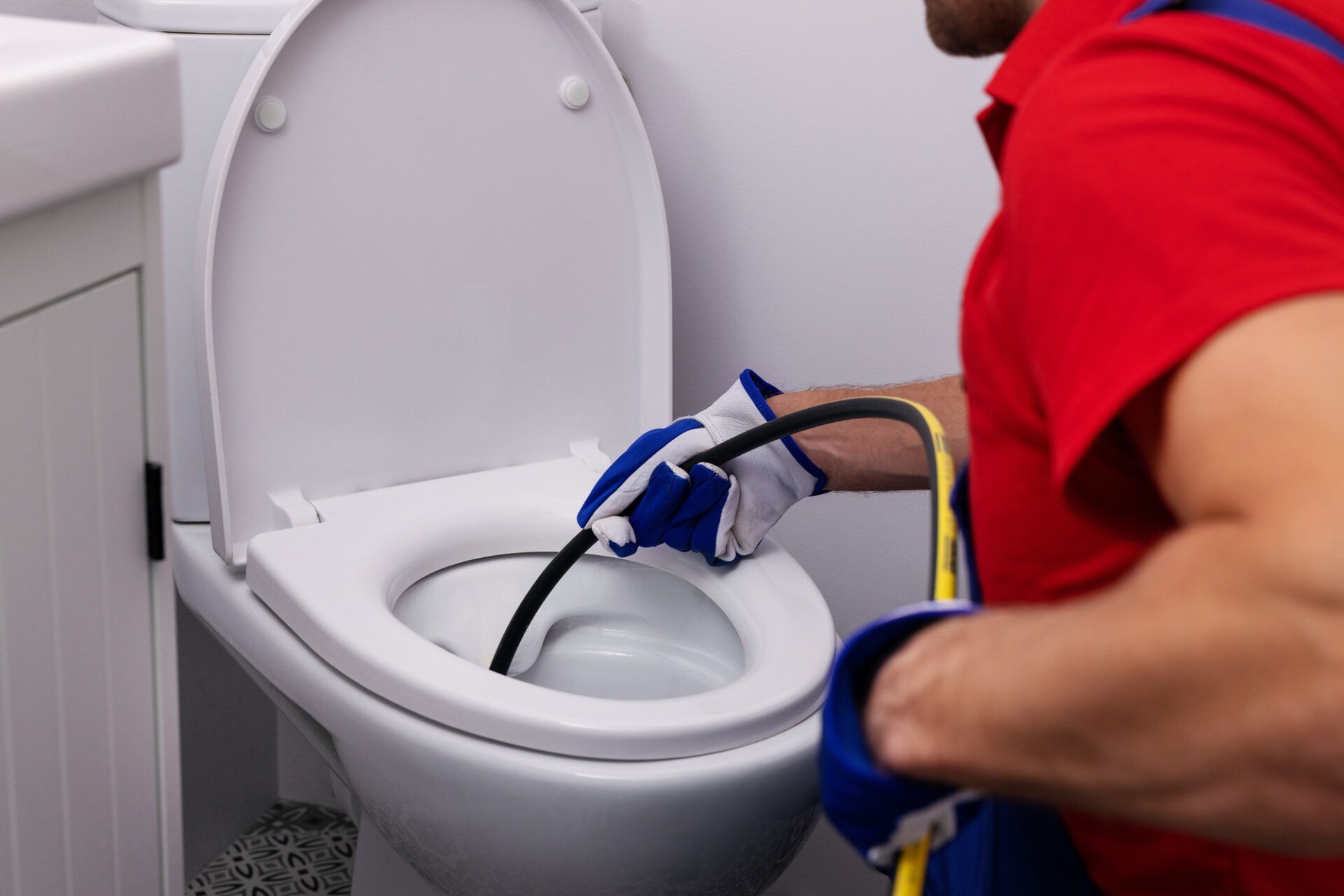
When a plunger fails, it’s time to get hands-on with a drain snake. Also called a plumbing auger, this tool can reach deep into the pipes where clogs hide. Here’s what you need to know:
• Insert the snake into the toilet bowl opening
• Turn the handle slowly while pushing forward
• When you feel resistance, continue turning and pushing
• Pull back gently to retrieve the clog
This method requires patience and a bit of skill. Don’t force it – if it doesn’t go in smoothly, you might be hitting the wrong angle. Many people find success using a flexible snake rather than a rigid one, as it can navigate curves better. The key is to keep the snake moving slowly and steadily, letting it do the work rather than yanking it out. Sometimes you’ll see bits of debris come out, which confirms you’re on the right track.
Hot Water: Quick and Simple Solution
Sometimes the simplest approach works best. Hot water can melt certain types of clogs, especially those made of grease or soap. Here’s how to use it safely:
• Boil a pot of water
• Carefully pour it slowly into the toilet bowl
• Wait a few minutes before attempting to flush
This works best for clogs caused by soap residue or small amounts of grease. Be careful not to use boiling water directly on porcelain – it can cause cracking. Always let the water cool slightly before pouring. This method is quick and easy, but it’s not always effective for serious blockages. It’s more of a temporary fix that might buy you some time until you can try another method.
When to Call a Professional
There are times when DIY solutions just won’t cut it. Here are signs that it’s time to bring in a pro:
• The toilet continues to overflow despite multiple attempts
• Sewage backs up into the bathroom
• You smell gas or have a strong odor
• The problem keeps recurring after treatment
• You suspect a major blockage in the main sewer line
These situations require professional attention and often involve tools and techniques beyond what’s available in most homes. A licensed plumber has specialized equipment and experience to handle complex issues safely. Don’t ignore warning signs – what seems like a simple clog might be part of a bigger plumbing problem. Regular maintenance and knowing when to seek help prevents bigger disasters later on.
Prevention Tips for Future Success
Prevention is always better than cure. Here are ways to keep your toilet running smoothly:
• Limit the amount of toilet paper used per flush
• Never flush items like wipes, feminine products, or cotton swabs
• Regular cleaning with mild cleaners
• Check for signs of wear or damage in the toilet components
• Consider installing a toilet with a larger trapway
It’s easy to take your plumbing for granted until it fails. These simple habits can save you from countless headaches. Think of it as caring for a small appliance – regular attention keeps it working properly. Also, keep a small supply of basic tools like a plunger and drain snake handy. You never know when you’ll need them.
Safety Considerations and Best Practices
While these techniques are generally safe, there are important precautions to remember:
• Wear gloves when handling clogged water
• Avoid mixing chemical cleaners unless specifically designed for toilets
• Be cautious with hot water to prevent burns
• Don’t use excessive force with any tool
• Keep children away from the area during cleanup
Safety should always come first. When dealing with sewage or chemical reactions, protecting yourself and others is crucial. If you’re unsure about a situation, it’s always better to err on the side of caution. A little extra care now can prevent bigger problems later.
Toilet emergencies don’t have to be disasters. With the right knowledge and tools, most clogs can be resolved quickly and safely. From basic plunging to more advanced techniques, there’s a method for every situation. The key is understanding when to use each approach and knowing when to call for help. Remember, prevention is just as important as cure. Keeping your toilet in good condition reduces the chances of emergencies happening in the first place. The next time your toilet starts acting up, you’ll be ready with the right techniques to restore normal function. These skills aren’t just useful for homeowners – they’re practical life skills that everyone should know. So keep these methods in mind, practice them occasionally, and you’ll never be caught off guard again.