Imagine walking through a garden where every container you see could become part of the soil itself. That’s the promise of compostable growing trays – they’re not just another gardening tool, they’re a complete solution that works with nature rather than against it. These innovative containers represent a shift toward sustainable agriculture practices that benefit both growers and the environment.
Gardening and farming have always been about working with the earth, but modern agricultural practices often create new problems. Plastic containers, while convenient, contribute to pollution that can persist for hundreds of years. Enter compostable growing trays – an elegant solution that addresses both practical needs and environmental concerns. These trays don’t just hold plants; they become part of the ecosystem once their job is done. Think about it – instead of throwing away containers, you’re creating something beneficial for your garden. This simple change can have profound implications for how we approach plant cultivation.
What Makes a Tray Truly Compostable?
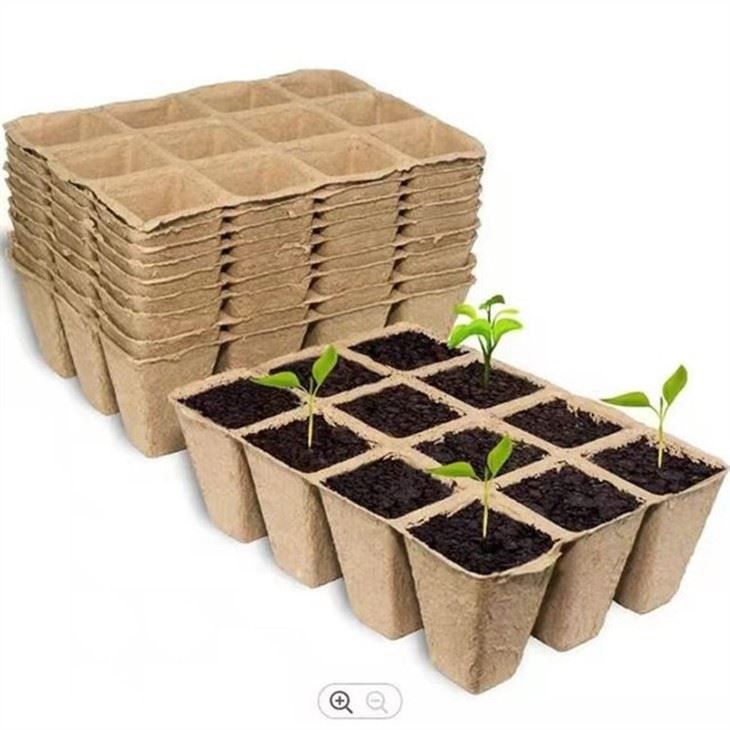
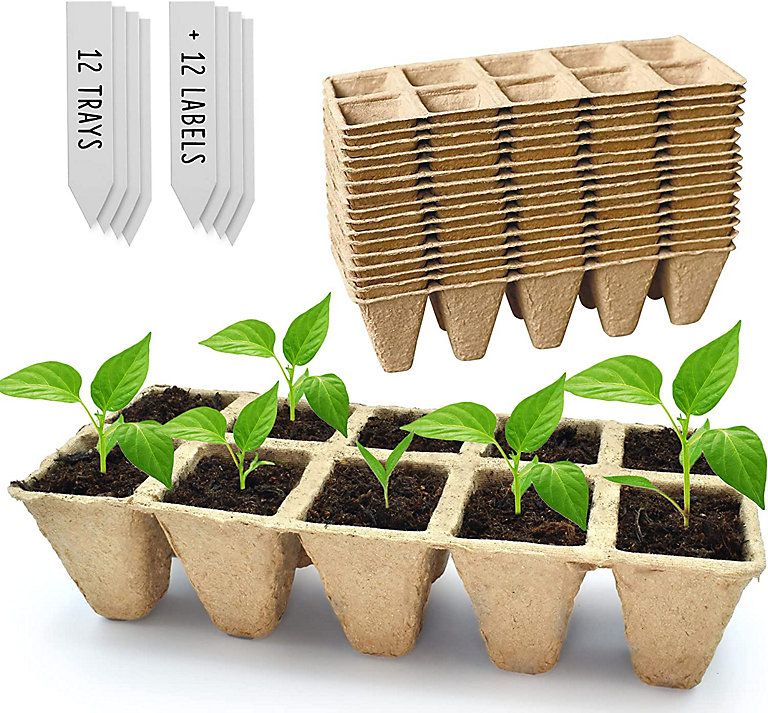
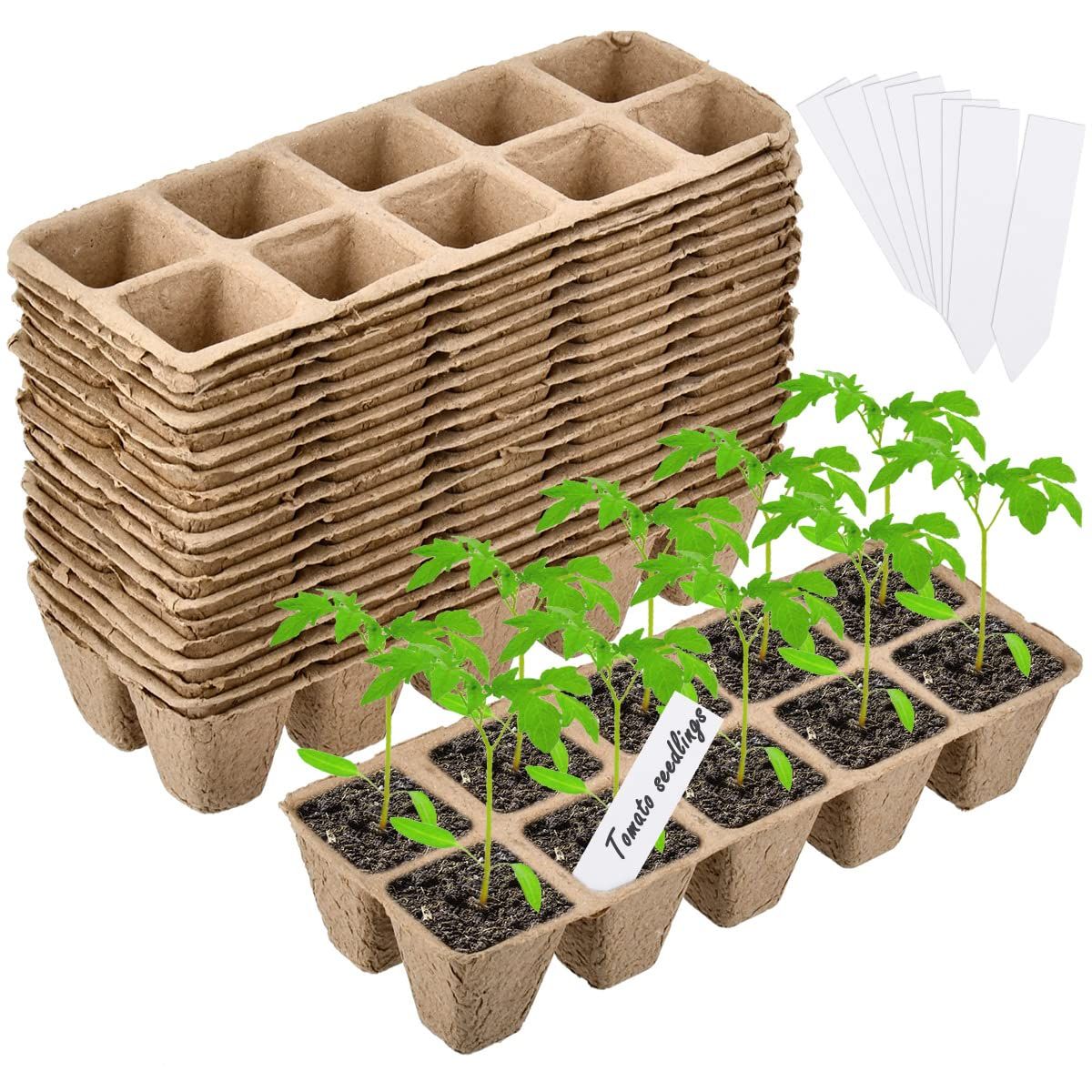
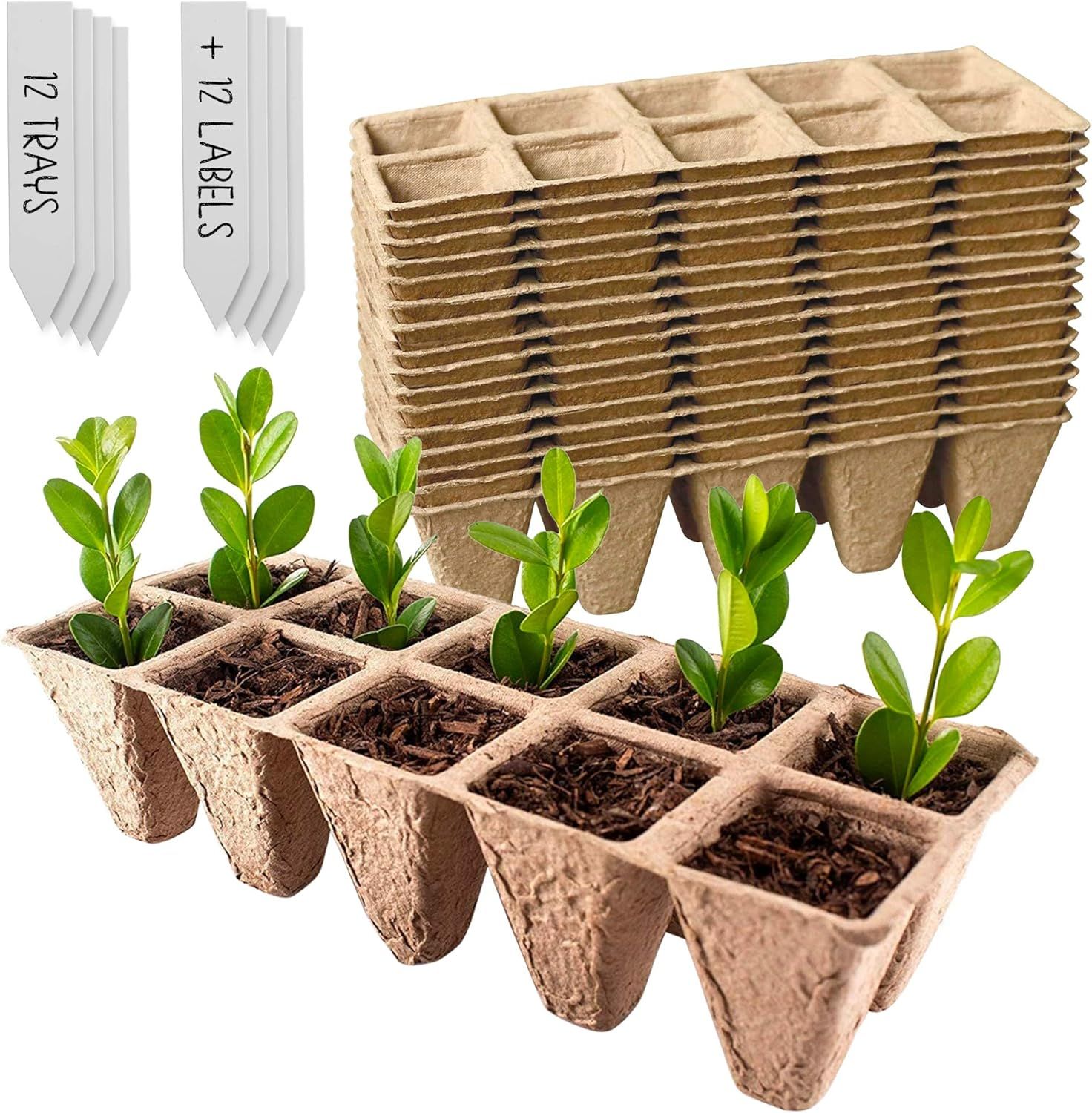
Not all trays labeled as ‘compostable’ are created equal. A truly compostable tray must meet specific standards that ensure it breaks down safely and completely. The materials used are typically plant-based, such as wheat straw, bamboo fibers, or cornstarch. These natural components are biodegradable under proper conditions, usually within 90 days when composted correctly. What sets high-quality compostable trays apart is their ability to decompose without leaving harmful residues. They don’t just disappear – they transform into nutrient-rich material that feeds the soil.
The process begins when the tray is placed in a compost pile. Microorganisms break down the organic matter, converting it into humus. This transformation happens naturally, without the need for special equipment or chemicals. Some trays even include beneficial microorganisms that accelerate decomposition. The result? A tray that becomes part of the soil’s ecosystem rather than a pollutant in it.
Environmental Impact Comparison
Let’s look at the numbers behind the environmental benefits. Traditional plastic trays contribute to waste streams and require petroleum-based manufacturing processes. According to recent studies, plastic trays take over 450 years to decompose in landfills. Meanwhile, compostable trays offer a stark contrast:
• Plastic trays generate approximately 2.5 kg of CO2 per tray during production
• Compostable trays produce roughly 0.8 kg of CO2 per tray
• Plastic trays require energy-intensive recycling processes
• Compostable trays can be processed naturally through existing composting systems
The carbon footprint difference is significant. But it goes beyond just emissions. When you consider that millions of trays are used annually in commercial agriculture, the cumulative effect is substantial. Farmers and gardeners who switch to compostable trays are essentially reducing their environmental impact by several hundred percent compared to traditional options.
Benefits for Gardeners and Farmers
The advantages extend far beyond environmental considerations. Compostable trays offer practical benefits that make them attractive to professionals and hobbyists alike. First, they provide excellent root development. The trays allow air circulation and proper drainage, creating ideal conditions for healthy root growth. Many users report stronger, more resilient plants when using compostable containers.
Additionally, these trays eliminate the need for transplanting. You plant directly in the tray, and when the time comes to move plants to the garden, you simply place the entire tray into the soil. No root damage, no stress on the plant, no additional handling. This method also reduces labor costs and time spent on operations.
For farmers managing large-scale operations, the cost savings add up quickly. While initial investment might seem higher, the elimination of disposal fees and reduced labor requirements create long-term financial benefits. Plus, many compostable trays are designed to be reusable multiple times before composting, offering flexibility in usage patterns.
The Decomposition Process Explained
Understanding how compostable trays actually break down helps appreciate their full value. The process involves several stages:
• Initial breakdown: Within 30-60 days, microbial activity begins breaking down the outer layers
• Active decomposition: The middle sections start dissolving as bacteria consume the organic material
• Final stage: Complete integration into soil occurs within 90 days under optimal conditions
The decomposition rate depends on factors like temperature, moisture levels, and microbial activity in the compost environment. In commercial composting facilities, trays break down faster due to controlled conditions. Home gardeners can expect similar results with proper compost management.
It’s worth noting that trays designed for outdoor use may decompose differently than those meant for indoor environments. The key is matching the tray type to your specific needs and composting setup. Some trays even feature indicators showing their decomposition progress, helping users track when they’re ready to integrate with soil.
Real-World Applications and Case Studies
Several agricultural operations have already embraced compostable trays with remarkable results. A greenhouse operation in California reported a 40% reduction in waste disposal costs after switching to compostable trays. Their organic composting program now handles all tray materials naturally, eliminating landfill contributions entirely.
In urban farming initiatives, community gardens have found compostable trays particularly useful. The trays can be composted on-site, providing nutrients for future plantings. One community garden in New York reported improved soil quality after three seasons of using compostable containers.
Commercial nurseries have also seen benefits. A family-owned nursery in Oregon noted that their customers appreciated the environmentally friendly aspect, leading to increased satisfaction and repeat business. The trays’ ability to reduce packaging waste was particularly appealing to environmentally conscious consumers.
These examples show that compostable trays aren’t just theoretical concepts – they’re practical solutions being implemented successfully across different scales of operation.
Choosing the Right Compostable Tray for Your Needs
Selecting the appropriate compostable tray requires considering several factors:
• Size and shape requirements for your specific plants
• Composting infrastructure available (home vs. commercial)
• Budget constraints and expected usage duration
• Regional climate conditions affecting decomposition rates
• Compatibility with existing growing systems
Quality matters significantly. Look for trays certified by recognized composting organizations. These certifications ensure that products meet established standards for biodegradability and safety. Some trays come with detailed instructions for optimal composting, which can be helpful for beginners.
Consider the tray’s thickness and durability. While they must be compostable, they also need to support plant growth effectively. Thicker trays often provide better structural integrity while still maintaining compostability. Testing small batches first can help determine if a particular brand works well with your specific growing conditions.
Compostable growing trays represent more than just a trendy alternative to plastic containers. They embody a fundamental shift toward sustainable agriculture practices that benefit everyone involved. From the gardener who saves time and money to the environment that gains healthier soil, these trays create a positive cycle of benefits. The technology continues to improve, making compostable options more accessible and effective. As awareness grows, we’re seeing more farmers, gardeners, and consumers recognizing that choosing compostable trays isn’t just good for the planet – it’s smart business and responsible stewardship. Whether you’re starting a small garden or managing a large commercial operation, the lifecycle benefits of compostable trays make them a compelling choice for the future of growing.