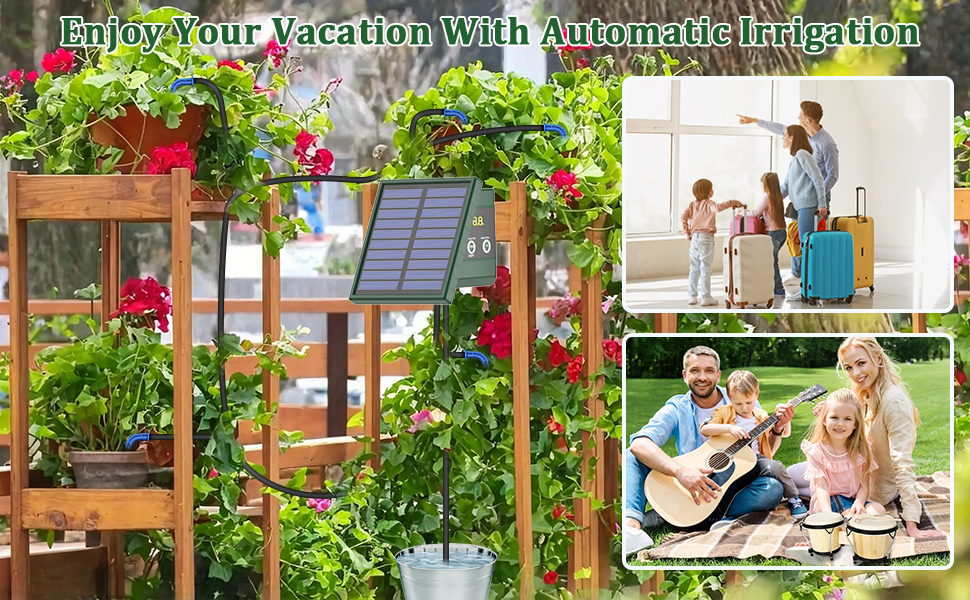
Picture this: You’re away from home, worrying about your garden’s water needs. But your plants are getting just the right amount of moisture every day, thanks to a smart system that works entirely on sunlight. That’s exactly what solar garden watering timers do for your green space. These nifty devices have revolutionized how we care for our gardens, making it easier than ever to keep plants thriving while saving water and energy. Let’s explore how these clever gadgets work and why they might just become your new gardening best friend.
Gardening isn’t just about planting seeds and waiting for flowers to bloom. It’s about understanding the delicate balance between water, sunlight, and nutrients that makes plants thrive. For many gardeners, one of the biggest challenges is maintaining consistent watering schedules, especially when life gets busy or you travel frequently. Enter solar garden watering timers – those sleek, battery-free devices that harness the sun’s power to deliver just the right amount of water to your plants. Whether you’re tending to a small patio container or an expansive backyard oasis, these timers offer a sustainable solution that can transform your gardening routine. They’re not just convenient; they’re becoming essential tools for anyone serious about garden health and sustainability.
What Are Solar Garden Watering Timers?
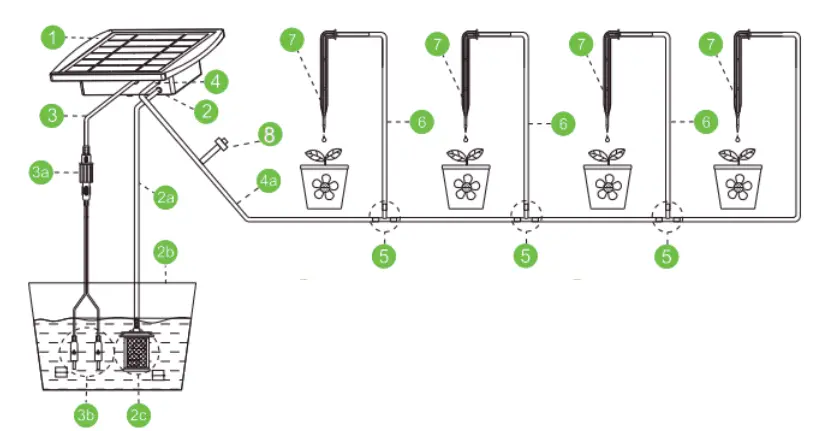
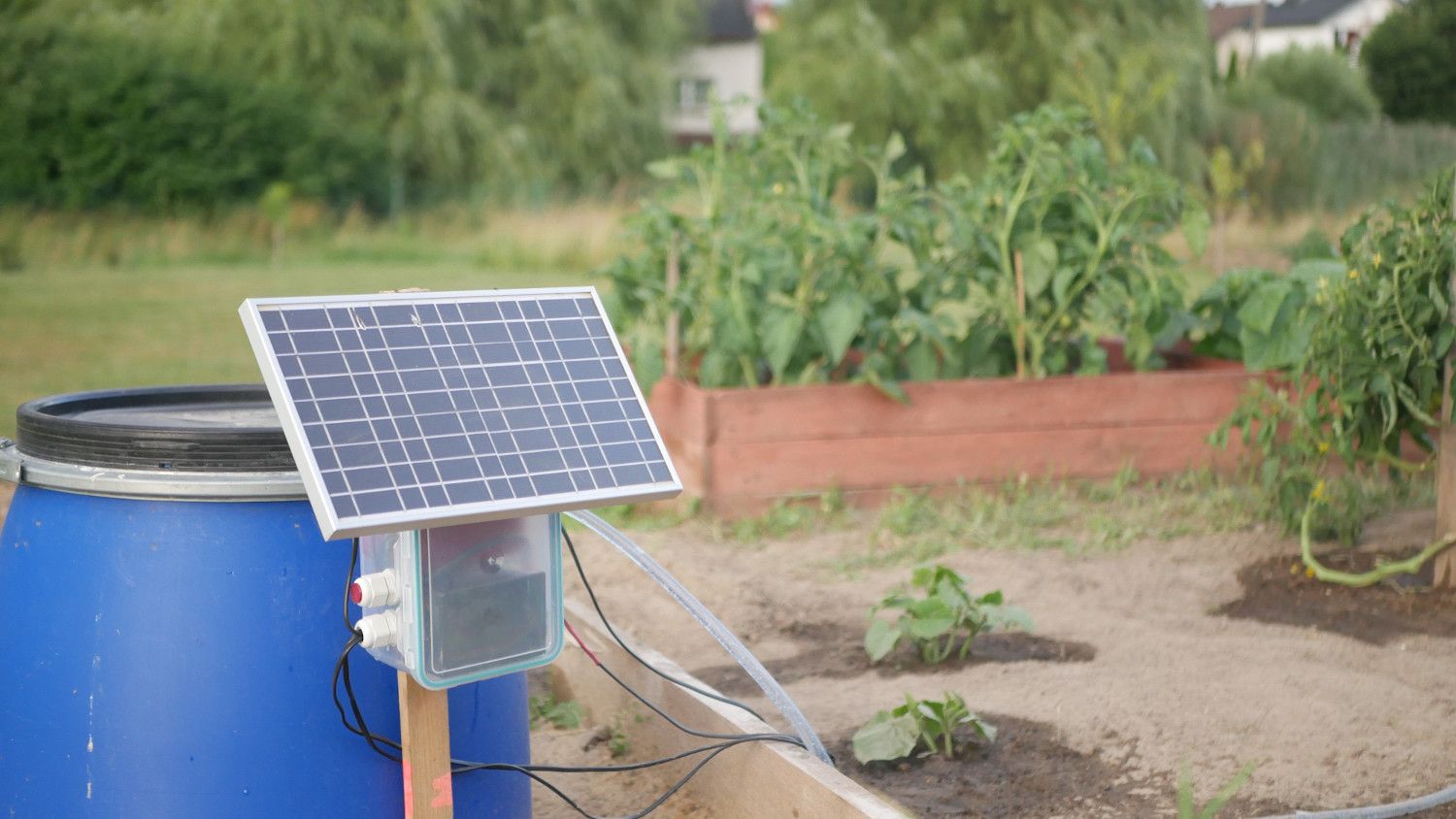
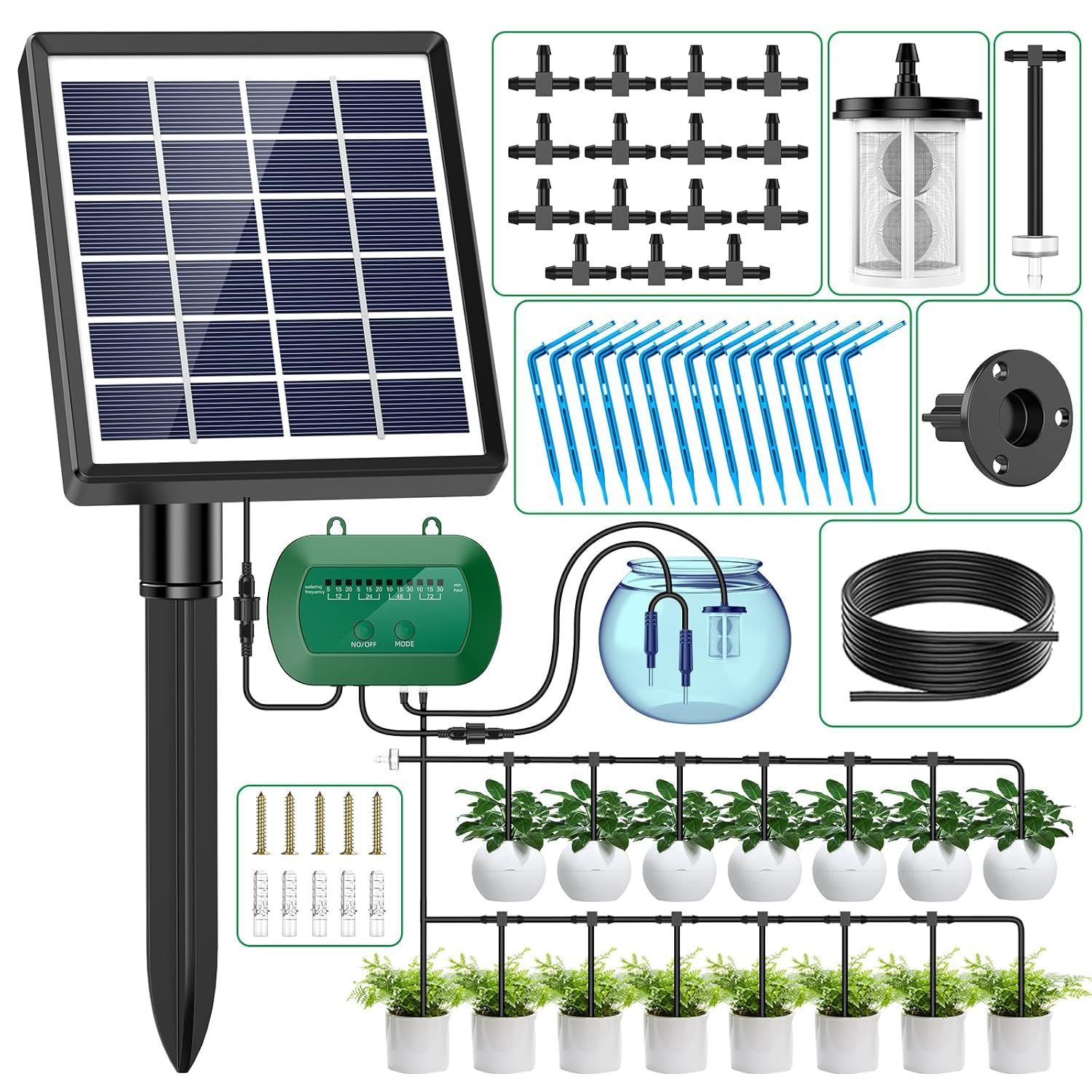
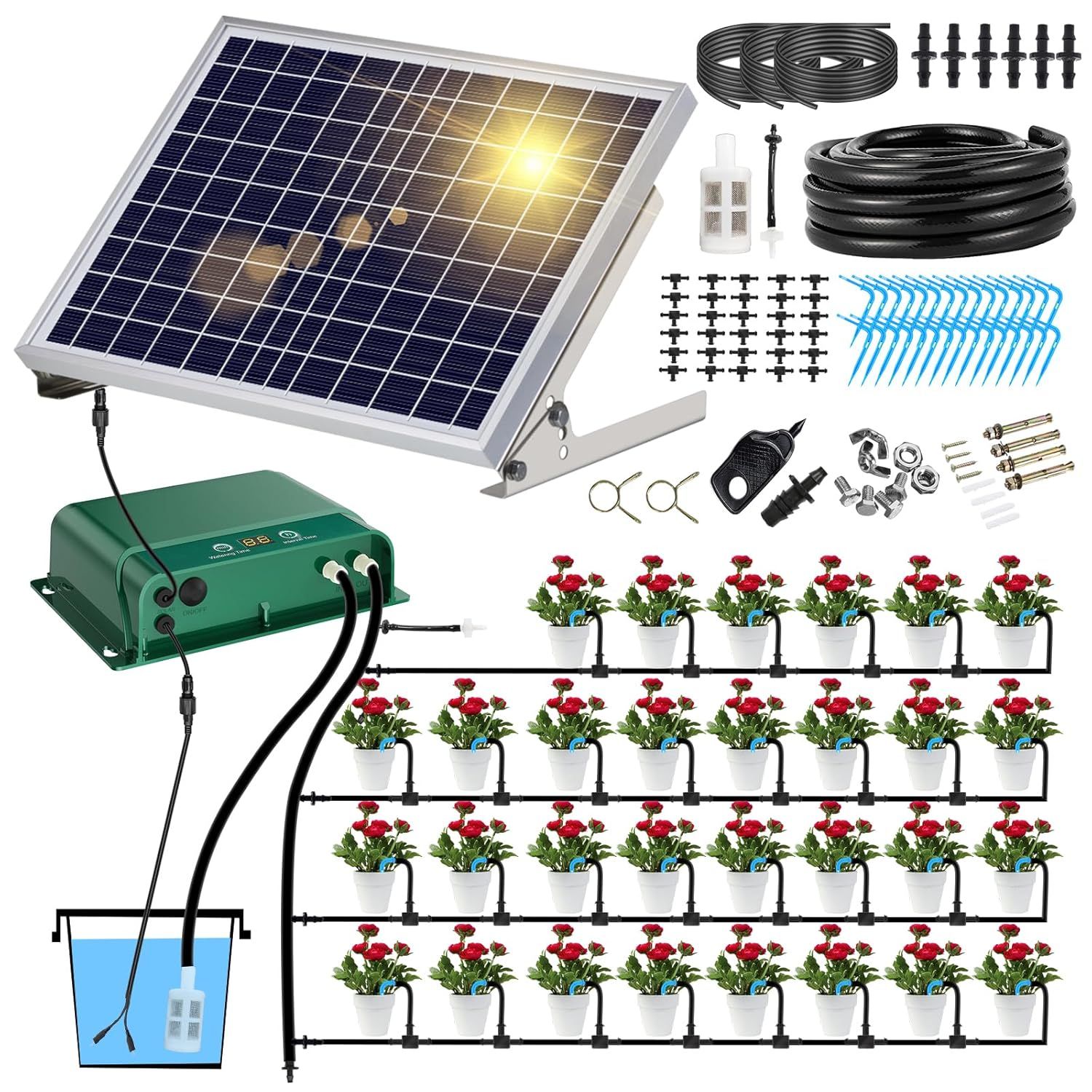
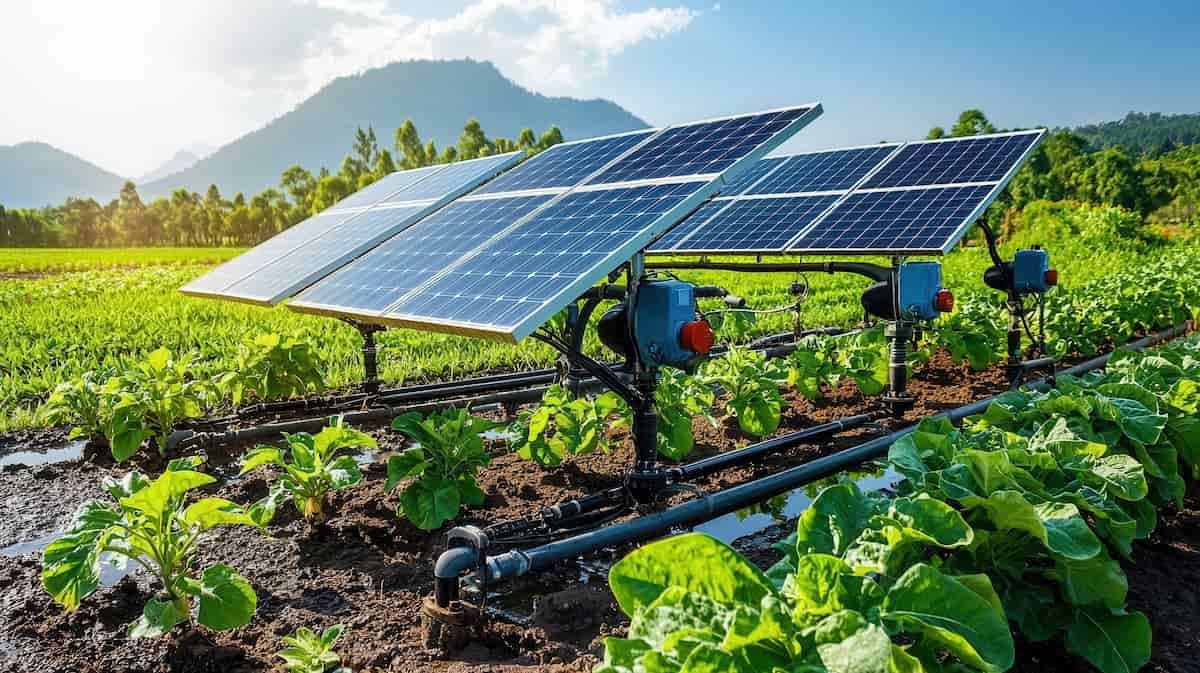
At their core, solar garden watering timers are automated irrigation systems powered entirely by sunlight. These devices typically consist of a solar panel, a rechargeable battery, and a timer mechanism that controls when water flows to your plants. Unlike traditional timers that require electrical outlets or batteries that need frequent replacement, solar timers draw power directly from the sun’s rays. This makes them incredibly convenient for outdoor use where electricity isn’t readily available. Think of them as tiny garden guardians that wake up each morning to ensure your plants get their daily dose of hydration without any manual intervention. Many models come with adjustable settings that let you program different watering schedules for various sections of your garden.
How Solar Power Works in Watering Systems
The magic behind these timers lies in how they convert sunlight into usable energy. Solar panels, usually made of photovoltaic cells, capture photons from sunlight and convert them into direct current (DC) electricity. During daylight hours, these panels charge internal batteries that store energy for later use. When the programmed time arrives, the stored energy powers the timer’s motor or solenoid valve, which then opens the water flow. This process happens automatically, requiring no human input once set up. The beauty of this system is that it operates independently of grid electricity, making it perfect for remote garden areas or locations where electrical outlets aren’t accessible. Most solar timers can handle varying weather conditions, though they may need slightly longer charging times during cloudy days.
Key Features and Benefits
Solar garden watering timers come packed with features designed to make your gardening experience smoother and more efficient:
• Automatic operation – No need to remember watering schedules or manually turn valves on and off
• Weather-resistant construction – Built to withstand rain, sun, and temperature fluctuations
• Adjustable timing – Program multiple watering sessions per day with customizable intervals
• Water conservation – Precise watering prevents overwatering and reduces waste
• Low maintenance – Minimal upkeep required compared to traditional irrigation systems
• Cost-effective – Eliminates electricity costs and reduces water bills
These benefits add up to healthier plants, less stress for gardeners, and a more sustainable approach to gardening. Imagine waking up to find your garden perfectly watered after a weekend trip, or having your plants consistently hydrated even when you forget to water them.
Choosing the Right Timer for Your Garden
Not all solar watering timers are created equal, so picking the right one requires considering several factors. First, assess your garden’s size and water needs. A small container garden might only need a simple timer, while larger landscapes may require more sophisticated systems with multiple zones. Consider how many plants you have and their watering requirements. Some plants need daily watering, while others prefer less frequent but deeper irrigation. Look for timers with adjustable flow rates and multiple programming options. Also, check the durability rating – some timers are built for harsh weather conditions, while others are more suited for mild climates. Price points vary significantly, so determine your budget before shopping. Remember that investing in a quality timer often pays off in reduced water usage and healthier plants over time.
Installation and Setup Process
Setting up a solar garden watering timer is surprisingly straightforward, even for beginners. Start by choosing an ideal location for your timer – ideally somewhere it will receive maximum sunlight exposure throughout the day. Mount it securely according to manufacturer instructions, ensuring it’s protected from direct rainfall while still getting adequate light. Connect your garden hose or irrigation system to the timer’s outlet, and make sure all connections are tight to prevent leaks. Programming is usually done through simple buttons or dials, allowing you to set start times, duration, and frequency of watering cycles. Many modern timers feature digital displays and easy-to-follow instructions. Test the system thoroughly before leaving it unattended, and consider doing a trial run during a sunny day to ensure proper charging. Some systems even offer smartphone connectivity for remote monitoring and adjustments.
Maintenance and Troubleshooting
Like any garden tool, solar watering timers benefit from regular attention to perform optimally. Check the solar panel periodically for dirt or debris that might block sunlight absorption. Clean it gently with a soft cloth if needed. Monitor battery performance, especially during extended cloudy periods. Most timers have indicator lights showing battery status. If your timer isn’t working properly, start by checking the solar panel placement and ensuring it’s receiving sufficient sunlight. Verify that all connections are secure and that there are no kinks or blockages in the tubing. If problems persist, consult the user manual or contact customer support. Many manufacturers offer warranties for their products, so keep your purchase documentation handy. Regular maintenance ensures your timer continues working reliably season after season.
Solar garden watering timers represent more than just a convenience – they’re a step toward smarter, more sustainable gardening practices. By harnessing the power of the sun, these devices provide consistent, reliable watering without the hassle of electricity or frequent battery changes. They’re particularly valuable for busy gardeners, travelers, or anyone looking to reduce water waste while maintaining healthy plants. Whether you’re a seasoned gardener or just starting out, a solar timer can simplify your routine and improve your garden’s overall health. The investment in one of these systems pays dividends in time saved, water conserved, and plants that look their absolute best. As gardening technology continues to evolve, solar timers stand out as practical solutions that work harmoniously with nature rather than against it. Give your garden the gift of consistent care with a solar watering timer, and watch your green space flourish like never before.